7 Ways Lemon Tetra React to Stress

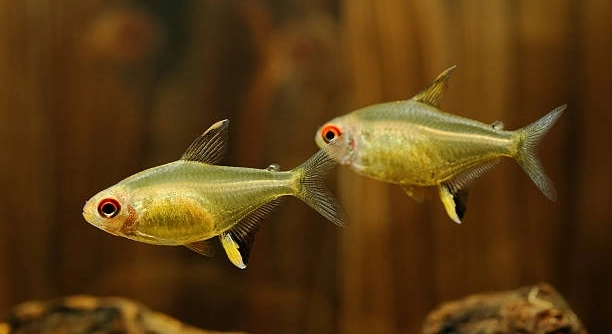
Lemon tetras are small, vibrant fish that brighten up any freshwater tank. Observing their behaviors can reveal a lot about their wellbeing and environment. Recognizing stress in these fish helps maintain a healthier aquarium ecosystem. Lemon tetras exhibit stress through physical and behavioral changes, including color fading, erratic swimming, hiding, reduced appetite, and increased aggression. … Read more
Why Do Lemon Tetra Group at the Bottom?

Do your lemon tetras often linger near the bottom of the tank, seeming less active than usual? Many aquarists notice this behavior and wonder what it means for their fish’s health and comfort in their environment. Lemon tetras group at the bottom primarily due to stress, water quality issues, or the need for security. Providing … Read more

Can Lemon Tetra Live in Tap Water?

Do you enjoy keeping vibrant aquariums but find yourself wondering if your lemon tetras can thrive without special water treatments? Many fishkeepers start with tap water, hoping it is safe for these small, lively fish in their tanks. Lemon tetras can survive in tap water if it is properly conditioned. Tap water often contains chlorine, … Read more

Why Do Lemon Tetra Sometimes Stop Schooling?

Lemon tetras are popular for their bright colors and lively swimming patterns, often forming tight groups that move in harmony. Many aquarists notice these fish sometimes drifting apart, leaving questions about their schooling behavior. Lemon tetras may stop schooling due to stress, illness, water quality issues, or changes in their social environment. Factors such as … Read more

7 Benefits of Keeping Lemon Tetra in Larger Groups

Keeping Lemon Tetra can be a delightful experience for aquarium enthusiasts who enjoy lively and colorful fish. These small, vibrant fish often thrive in social environments and show fascinating behaviors when in groups. Lemon Tetra exhibit stronger social interactions, reduced stress, and improved overall health when kept in larger groups. Group living promotes natural schooling … Read more

7 Tank Items Lemon Tetra Can’t Resist

Lemon tetras are small, vibrant fish that bring life to any aquarium. Their playful behavior and bright yellow color make them a favorite among hobbyists seeking lively and active tank companions. Lemon tetras are particularly drawn to certain tank items that provide both stimulation and security. Floating plants, smooth hiding spots, small pebbles, gentle filtration, … Read more

Can Arowana React to Loud Conversations Nearby?

Have you ever noticed your arowana swimming nervously when the room gets loud? Many aquarium owners spend hours observing their fish and wonder how sounds affect these elegant creatures. Their reactions can sometimes be subtle yet noticeable. Arowanas are sensitive to vibrations and sudden loud noises in their environment. Loud conversations can startle them, causing … Read more

7 Symptoms of Ammonia Poisoning in Lemon Tetra

Are your Lemon Tetras acting unusually restless or hiding more than usual in the aquarium? Observing their behavior closely can help you catch early signs of health issues before they become severe. Monitoring water quality is essential. Ammonia poisoning in Lemon Tetras occurs when ammonia levels in the tank rise beyond safe limits. Symptoms include … Read more

Do Lemon Tetra Sleep Upside Down?

Lemon tetras are small, colorful fish that brighten up any aquarium. Many owners enjoy watching them swim in schools, moving gracefully among plants and decorations. Their peaceful nature makes them a favorite choice for beginners and experts alike. Lemon tetras do not sleep upside down. Like most healthy fish, they rest near the bottom or … Read more

Do Lemon Tetra Understand Tank Routine?

Lemon tetras are small, vibrant fish that often catch the attention of aquarium enthusiasts. Watching them swim together in a tank can be calming, and their behavior sometimes hints at a sense of awareness within their environment. Lemon tetras can recognize and adjust to regular tank routines. They respond to feeding schedules, lighting changes, and … Read more