
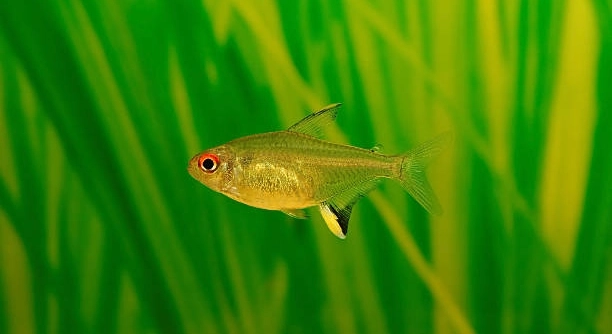
Do your lemon tetras often linger near the bottom of the tank, seeming less active than usual? Many aquarists notice this behavior and wonder what it means for their fish’s health and comfort in their environment.
Lemon tetras group at the bottom primarily due to stress, water quality issues, or the need for security. Providing stable conditions, proper temperature, and hiding spaces encourages natural schooling behavior and helps the fish feel safe in the aquarium.
Observing your fish closely can reveal subtle signs of stress or illness. Understanding their behavior is key to creating a healthy and balanced tank environment.
Common Reasons Lemon Tetras Stay at the Bottom
Lemon tetras often stay near the bottom due to water conditions that aren’t ideal. Poor water quality, such as high ammonia or nitrite levels, can make them uncomfortable and stressed. Temperature also plays a role; these fish prefer stable water between 72–80°F. Sudden changes can make them retreat to lower areas. Another factor is tank setup. Lemon tetras feel more secure when there are plants, rocks, or other hiding spots. Open, bare tanks may leave them exposed, prompting them to stay low. Stress from overcrowding or aggressive tank mates can also push them to the bottom. Even their natural schooling behavior may lead them to group tightly at the lower parts of the aquarium for safety. Observing their swimming patterns and social interactions can help identify what is causing them to behave differently. Adjustments to the tank can improve both comfort and activity levels.
Monitoring your tank’s water quality regularly prevents many bottom-dwelling behaviors. Small adjustments often have big impacts.
Keeping the water clean is essential. Regular partial water changes, around 25% weekly, maintain a healthy environment. Using a reliable test kit to monitor pH, ammonia, nitrite, and nitrate ensures conditions remain safe. Adding plants or hiding spots encourages natural behavior. Lemon tetras may also group at the bottom if they are feeling shy or uncertain. Keeping them in groups of at least six reduces stress and promotes movement throughout the tank. Gentle acclimation when introducing new fish prevents sudden shifts that could disturb their comfort. Observing their diet is also important; healthy, varied feeding supports overall wellbeing. By paying attention to these factors, you create an environment where lemon tetras feel secure and active, reducing bottom-dwelling tendencies over time.
Tank Environment and Comfort
Proper tank setup influences lemon tetra behavior significantly.
Lemon tetras are sensitive to light and current, so gentle water flow and soft lighting encourage natural activity. Providing space to swim, plants, and hiding spots helps them feel secure.
The size and design of the tank affect how comfortable your fish feel. Tanks under 20 gallons can feel cramped, limiting their movement and making them more likely to stay at the bottom. Dense decorations can provide cover, but too much clutter restricts swimming space, causing stress. Lighting impacts their sense of security; very bright light can make them retreat, while dimmer areas create a safe zone. Temperature and water chemistry also play a role; fluctuations or unsuitable pH levels can push them downward. Even diet affects activity, as fish lacking proper nutrition may lose energy. By observing and adjusting these factors, you can balance security and freedom in the tank. A well-set aquarium encourages lemon tetras to explore more and display natural, lively schooling behavior, rather than clustering at the bottom.
Feeding Habits and Activity Levels
Lemon tetras may stay at the bottom when they are full or not feeling energetic. Uneven feeding or sudden changes in diet can reduce their activity. Observing when and how they eat helps maintain their energy and encourages them to explore the tank more.
Feeding plays a significant role in fish behavior. Overfeeding can cause lethargy, leading lemon tetras to linger at the bottom, while underfeeding may make them weak and stressed. Offering small, frequent meals and a variety of foods keeps them active. Flake food, micro-pellets, and occasional live or frozen options meet nutritional needs. Observing their response to feeding times also shows if water conditions or stress may be affecting their appetite. Consistency in feeding encourages natural swimming patterns and helps them feel comfortable.
Activity levels also depend on social interactions. Lemon tetras are schooling fish, so they rely on group dynamics. When kept in small numbers or with aggressive tank mates, they may stay low for protection. Providing a calm, consistent environment and enough companions supports normal movement. Adjusting feeding routines, tank layout, and group size ensures the fish remain healthy, active, and engaged.
Signs of Stress or Illness
Lemon tetras staying at the bottom often indicate stress or health issues. Observing changes in color, fin condition, or breathing provides clues about their wellbeing. Acting early can prevent serious problems.
Stress and illness are closely linked to environment and care. Poor water quality, sudden temperature shifts, and overcrowding create stress, making fish hide near the bottom. Illnesses like bacterial infections or parasites may also cause lethargy. Watch for faded colors, clamped fins, rapid gill movement, or unusual swimming patterns. Addressing water quality, isolating sick fish, and monitoring feeding can reduce stress. Early detection of disease improves treatment outcomes and prevents further spread in the tank.
Behavior changes are often subtle at first. Lemon tetras that stop schooling, float erratically, or hide excessively require careful attention. Observing tank conditions and maintaining cleanliness is crucial. Quarantining new fish and providing consistent feeding schedules reduce stress triggers. Ensuring a balanced environment with proper temperature, gentle water flow, and adequate hiding spaces promotes resilience against illness. Regular observation, combined with minor adjustments to care routines, can restore activity levels and overall health, helping lemon tetras return to normal behavior quickly.
Water Quality and Maintenance
Regular water changes keep lemon tetras healthy and active. Poor water conditions can stress them, causing them to stay at the bottom. Testing for ammonia, nitrite, nitrate, and pH ensures the tank remains safe.
Filtration and aeration are equally important. Proper filters remove waste, while gentle aeration maintains oxygen levels. Both help create a stable environment that encourages natural swimming and schooling behavior. Neglecting maintenance often results in lethargic fish and increased susceptibility to disease. Consistent care prevents these issues and keeps lemon tetras moving throughout the tank.
Tank Decorations and Hiding Spots
Plants, rocks, and caves provide security, making lemon tetras feel comfortable. Dense areas allow them to hide when stressed, but open swimming areas are also needed. A balanced setup reduces bottom-dwelling behavior and encourages normal activity.
Lighting and Temperature
Proper lighting and consistent temperature are crucial. Bright lights or sudden temperature changes can stress lemon tetras, causing them to stay low. Maintaining stable conditions promotes a calm and active environment.
Group Size and Social Behavior
Lemon tetras are schooling fish that thrive in groups of at least six. Smaller groups feel insecure, often staying near the bottom. Sufficient companions encourage swimming, reduce stress, and support natural social behavior.
FAQ
Why are my lemon tetras suddenly staying at the bottom?
Sudden bottom-dwelling usually happens when something in the tank changes quickly. A shift in temperature, a spike in ammonia, or stress from new tank mates can make lemon tetras retreat to the lower areas. They respond strongly to their environment, so even a small disruption can affect their comfort. Checking water parameters, observing their interactions, and noticing recent changes in your routine can help identify the reason. Once the issue is corrected, most lemon tetras return to their normal schooling behavior and begin exploring the tank more confidently.
Can poor water quality make lemon tetras stay at the bottom?
Yes, poor water quality is one of the most common causes. High ammonia or nitrite levels make it hard for them to breathe, leaving them weak and stressed. When the water becomes unsafe, lemon tetras instinctively stay still and gravitate toward the bottom. Regular testing helps prevent these issues, and weekly partial water changes keep the environment stable. A clean tank supports their energy levels and overall health. Good filtration and consistent maintenance ensure they remain active throughout the aquarium instead of hiding low.
Do lemon tetras stay at the bottom when stressed?
Stress can easily cause bottom-dwelling. Loud noises, sudden movements, or aggressive tank mates may overwhelm them. They might also hide if introduced to a new tank or moved around too quickly. Stress reduces their confidence and makes them rely on safer zones, like the bottom. Offering hiding spots, keeping the environment quiet, and maintaining a consistent schedule helps keep stress levels down. With time and stability, lemon tetras usually regain their natural behavior patterns.
Should I worry if they stay at the bottom after feeding?
Not always. Lemon tetras sometimes remain near the bottom when they have eaten too much or feel temporarily sluggish after a heavy meal. Overfeeding makes them less active, leading to short periods of resting near the substrate. If this behavior happens only after feeding and resolves within a short time, it is usually nothing to worry about. Smaller, more frequent meals help prevent this. However, if they remain at the bottom for long periods, it could indicate a deeper issue.
Can illness cause lemon tetras to rest at the bottom?
Illness is a possible cause. Fish with internal infections, parasites, or swim bladder problems often lose energy and stay at the bottom. Watch for signs like clamped fins, faded color, or rapid breathing. Early detection is important, as many illnesses progress quickly. Separating sick fish and improving water quality support recovery. Proper feeding, stable temperature, and regular observation help prevent illness from spreading to the rest of the tank.
Could the tank setup make lemon tetras behave this way?
Yes, the setup plays a huge role. Bright lights can make them uncomfortable, while strong currents may tire them out. A tank with few hiding spots can make them feel exposed. Lemon tetras do best in aquariums with plants, dim lighting, and gentle flow. A balanced setup lets them explore without feeling threatened. Rearranging decorations occasionally can also refresh their interest in the tank.
Does group size affect whether they stay at the bottom?
Absolutely. Lemon tetras rely on group behavior for comfort. When kept in small numbers, they feel insecure and often move to the bottom for safety. A group of at least six gives them confidence and encourages natural schooling patterns. Larger groups help distribute stress and create a more stable environment. When they feel supported by their school, they are far more active and willing to move around the tank.
Is it normal for new lemon tetras to stay at the bottom?
Yes, this is normal. New arrivals often feel shy or unsure when placed in a different environment. They may hide low in the tank until they adjust. Giving them time to settle, keeping lights dim, and avoiding loud noises helps them feel safe. As they become familiar with their surroundings, they gradually join the rest of the group and show typical behavior.
Final Thoughts
Understanding why lemon tetras gather at the bottom helps you support their wellbeing and create a tank where they feel safe and active. Their behavior is usually a response to something in the environment, and the signals they give are often subtle at first. When they remain in lower areas for long periods, it often means they are trying to tell you something about their comfort or health. By observing them closely, noting changes in their movement, color, or appetite, and keeping a steady routine, you can respond before small issues become larger problems. A calm and stable environment always benefits them, and consistency in care builds their confidence over time. When the tank feels predictable and peaceful, lemon tetras show more of their natural personality, which makes the experience of keeping them more enjoyable. Watching them glide together through the water becomes a gentle reminder of how small adjustments can make a big difference for their overall comfort.
Creating a space that suits lemon tetras is not difficult, but it does require attention and patience. Their sensitivity to water quality, lighting, and social structure means that the tank must stay balanced. Clean water, steady temperature, and gentle lighting encourage them to explore rather than hide. Decorations that offer hiding places help them feel secure, but open areas let them swim freely and express natural behaviors. Feeding them a varied and appropriate diet keeps their energy levels steady. Group size also plays a major role, since they rely on each other for confidence and safety. When kept in the right numbers, they interact more naturally and move around the tank with ease. All these small details shape their daily experience, and over time, the tank becomes a comfortable home for them. This type of environment supports their long term health and encourages a calm and steady temperament.
Taking time to observe your lemon tetras can teach you a lot about what they need. Their behavior is simple yet expressive, and they often show early signs when something feels off. By watching how they interact, where they choose to swim, and how they respond to feeding or changes in the tank, you can learn to identify patterns. These observations help you understand when they are thriving and when something needs attention. Maintaining their environment becomes easier when you know what to look for, and every adjustment you make contributes to a more stable tank. Over time, you start to feel more connected to their habits and routines. When they begin swimming confidently in all areas of the aquarium, it shows that your efforts are working. Their calm and steady movement becomes a quiet reassurance that the care you provide makes their small world feel safe.

Hello,
If you enjoy the content that we create, please consider saying a "Thank You!" by leaving a tip.
Every little bit helps us continue crafting quality advice that supports the health, happiness, and well-being of pets around the world, for pets of all shapes, sizes, and species.
We really appreciate the kindness and support that you show us!