
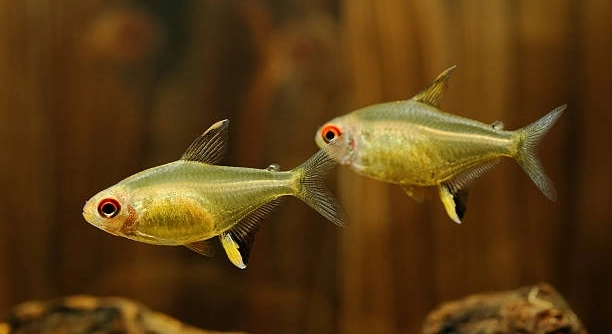
Lemon tetras are popular for their bright colors and lively swimming patterns, often forming tight groups that move in harmony. Many aquarists notice these fish sometimes drifting apart, leaving questions about their schooling behavior.
Lemon tetras may stop schooling due to stress, illness, water quality issues, or changes in their social environment. Factors such as overcrowding, poor nutrition, or sudden tank adjustments can disrupt their natural group behavior and cohesion.
Understanding these triggers can help you maintain a healthy, stable environment for your tetras, ensuring their social behavior and overall well-being remain consistent and vibrant.
Common Causes of Lemon Tetras Stopping Schooling
Lemon tetras are sensitive to their environment, and even small changes can affect their schooling behavior. Water quality plays a major role. High levels of ammonia, nitrites, or nitrates can stress fish and cause them to swim alone. Temperature fluctuations, insufficient oxygen, and poor filtration also disturb their comfort. Social dynamics are another factor. These tetras prefer a group of at least six, and removing or adding fish suddenly can disrupt the group. Illness is equally important; parasites, bacterial infections, or fin damage can make a fish avoid others. Stress from aggressive tank mates or overcrowding also leads to isolation. Nutrition impacts schooling too—fish that are underfed or given inconsistent diets may lack the energy or motivation to swim in a group. Understanding these causes can help maintain a balanced tank where lemon tetras thrive together.
Water quality and group size are the most critical factors affecting their schooling behavior. Small adjustments can make a big difference.
Paying attention to these details ensures your lemon tetras stay healthy, social, and active. Creating a stable tank environment promotes natural behavior, reduces stress, and encourages consistent schooling. Proper feeding, regular water checks, and observing fish interactions all contribute to a harmonious tank. Regular monitoring allows you to catch early signs of illness or stress. Simple measures like maintaining a consistent temperature and avoiding sudden changes prevent disruptions in schooling. Providing enough space and hiding spots helps fish feel secure while encouraging group cohesion. Even minor adjustments, such as adding compatible tank mates gradually, can improve the overall dynamic. Keeping an eye on nutrition ensures all fish are energetic and capable of schooling naturally. Overall, understanding and responding to these needs supports the long-term well-being of your lemon tetras and helps them display their vibrant, collective swimming patterns.
Tips to Encourage Schooling
Adding more lemon tetras to the tank often restores group behavior.
Introducing new fish slowly, maintaining clean water, and reducing stressors encourages tetras to swim together again. A consistent feeding schedule and monitoring fish health also promote social cohesion, helping them return to their natural schooling patterns over time.
Adjusting Tank Conditions
Maintaining stable water parameters helps lemon tetras feel safe and comfortable. Keeping temperature, pH, and hardness within their preferred range reduces stress. Proper filtration and regular water changes keep the tank clean, supporting healthy schooling behavior and overall fish health.
Water temperature for lemon tetras should stay between 72 and 78°F, with pH around 6.5 to 7.5. Hardness should be moderate, as extreme variations can stress fish. Regularly checking ammonia, nitrite, and nitrate levels prevents sudden spikes that may disrupt schooling. Overcrowding adds stress, so space each fish adequately. Adding plants and hiding spots provides security, which encourages natural group swimming. Consistent lighting and avoiding sudden changes also contribute to a stable environment where lemon tetras feel confident moving together.
Even small disruptions, like a brief power outage or sudden addition of a new fish, can break the school temporarily. Observing the group and making gradual changes allows tetras to adjust without long-term stress. By addressing both environmental and social needs, schooling can be restored quickly. Proper nutrition, avoiding aggressive tank mates, and monitoring for signs of illness all support healthy behavior. Careful attention to these factors ensures lemon tetras remain active, social, and vibrant in their tank.
Feeding and Nutrition
A balanced diet keeps lemon tetras healthy and active. Feeding high-quality flake, frozen, or live foods ensures proper nutrition and encourages natural schooling behavior.
Incorporating variety, such as brine shrimp, daphnia, and micro worms, provides essential proteins and nutrients that support energy levels. Overfeeding or inconsistent feeding can lead to sluggishness, causing fish to isolate from the group. Dividing food into small, frequent portions prevents waste and keeps water clean, reducing stress on the school. Vitamins and occasional vegetable matter, like finely chopped spinach, enhance color and vitality. Observing feeding behavior also helps identify early signs of illness or stress.
Feeding times influence schooling as well. Tetras often swim together when food is distributed evenly across the tank. Uneven feeding can cause competition, leading some fish to separate. Keeping a predictable schedule allows the group to coordinate activity naturally. Combining proper diet with stable tank conditions reinforces schooling behavior. Regularly rotating food types ensures all nutritional needs are met, supporting strong, energetic fish. Healthy fish are more likely to maintain tight group formation, swim actively, and display vibrant colors, enhancing both their well-being and visual appeal in the aquarium.
Reducing Stress in the Tank
Minimizing sudden changes in the tank reduces stress for lemon tetras. Avoid loud noises, abrupt lighting changes, and frequent handling, as these disturbances can cause fish to break from their school. Maintaining a calm environment supports consistent group swimming.
Providing hiding spots and plants allows tetras to feel secure. Stress from aggressive tank mates or overcrowding can also make fish isolate. Ensuring enough space and monitoring interactions helps maintain harmony within the school. A stable environment encourages natural behavior and keeps the group cohesive over time.
Observing Social Behavior
Lemon tetras communicate through subtle body movements and positioning within the school. Watching how individuals interact can reveal if any fish are stressed or ill. Changes in swimming patterns often indicate issues with health or tank conditions.
Handling New Fish
Introduce new fish gradually to avoid disrupting the existing school. Quarantine and acclimate newcomers to reduce stress on all tank inhabitants.
Monitoring Health
Regularly checking for signs of disease, injury, or parasites ensures prompt care. Healthy fish are more likely to school consistently and display natural behavior.
FAQ
Why do lemon tetras stop schooling suddenly?
Lemon tetras may stop schooling due to stress, illness, or changes in their environment. Sudden temperature fluctuations, poor water quality, or aggressive tank mates can make them feel unsafe, causing them to swim alone. Even minor disturbances, like a new fish or rearranged decorations, can temporarily break the school.
Can water quality really affect schooling behavior?
Yes, water quality is a major factor. High levels of ammonia, nitrites, or nitrates can stress fish, leading them to separate from the group. Proper filtration, regular water changes, and monitoring parameters like pH, hardness, and temperature help maintain a healthy environment where tetras feel comfortable schooling.
How many lemon tetras are needed for proper schooling?
A minimum of six tetras is recommended for a stable school, but larger groups are even better. Smaller numbers can make fish feel insecure, causing them to swim alone or hide. Group size affects social behavior and helps maintain natural swimming patterns and energy levels.
Can illness cause tetras to stop schooling?
Yes, diseases or parasites can lead to isolation. Sick fish may lose energy, swim erratically, or hide from the group. Observing changes in color, fins, or behavior can help identify problems early. Prompt treatment helps restore health and encourages fish to rejoin the school.
Does diet influence schooling behavior?
Nutrition plays a role in energy and social activity. Underfed or unbalanced diets can make tetras sluggish and less likely to swim together. Providing a variety of flake, frozen, or live foods ensures proper nutrients, which supports natural schooling behavior and overall vitality.
How do tank decorations affect schooling?
Plants, hiding spots, and open swimming areas both matter. Too many obstacles can break the school, while too few hiding spots may increase stress. A balanced layout provides security and enough space for coordinated swimming, helping tetras maintain their group cohesion naturally.
What role do tank mates play?
Aggressive or overly active tank mates can intimidate lemon tetras. Fish that nip fins or chase can cause stress, making tetras separate from the group. Choosing compatible, peaceful species supports schooling and reduces tension in the tank, ensuring all fish coexist without disruption.
Can stress from noise or light affect schooling?
Yes, sudden loud noises, vibrations, or intense lighting can startle tetras. These stressors may cause temporary separation from the school. Maintaining a calm environment with consistent lighting and minimal disturbances allows fish to feel secure and swim together naturally.
How long does it take for tetras to return to schooling?
The time varies depending on the cause. If stress or minor environmental changes are addressed quickly, fish may rejoin the group within hours or days. Recovery from illness or severe stress may take longer, and consistent care is needed to encourage normal schooling behavior.
Is it normal for tetras to sometimes swim alone?
Occasional separation can happen, especially during feeding or exploring the tank. Brief moments alone are generally normal, but prolonged isolation may indicate stress, poor water quality, illness, or social imbalance. Monitoring behavior and addressing any environmental or health issues helps maintain a stable school.
How can I encourage tetras to school again?
Restoring proper tank conditions, providing adequate group size, and minimizing stress are key steps. Regular feeding, clean water, compatible tank mates, and gradual introduction of new fish all support natural schooling. Observing behavior and making small, careful adjustments helps fish reestablish their group cohesion over time.
Are there signs that indicate schooling is improving?
Yes, when tetras swim closer together, move in the same direction, and show coordinated activity, it signals that the school is stabilizing. Healthy color, active swimming, and reduced hiding behavior are additional indicators that the group is returning to its natural pattern.
Can overcrowding ever stop tetras from schooling?
Overcrowding increases stress, leading to aggression and separation. Each fish needs enough space to swim freely. Maintaining appropriate stocking levels and providing adequate hiding spots helps tetras feel secure and maintain their social structure.
What should I do if one fish refuses to school?
Observe for signs of illness or injury. Isolated fish may need quarantine or medical attention. Ensuring proper nutrition, tank conditions, and a calm environment can help reintegrate the fish safely back into the school.
Does tank size matter for schooling behavior?
Yes, lemon tetras need enough space to move freely as a group. Small tanks can restrict movement, increase stress, and break the school. Providing a larger tank with open swimming areas encourages natural coordination and group cohesion.
How often should I check the tank to prevent schooling issues?
Daily observation for behavior and weekly water parameter checks help detect early problems. Addressing minor issues before they escalate supports healthy schooling, reduces stress, and prevents long-term disruptions to group behavior.
Can seasonal changes affect schooling?
Temperature and light variations from seasonal shifts can impact activity levels. Sudden drops in temperature or inconsistent lighting may stress fish. Maintaining stable tank conditions year-round supports continuous schooling behavior and overall health.
Do lemon tetras ever naturally swim alone?
While occasional solo swimming is normal, persistent separation usually points to stress, illness, or environmental issues. Brief exploration or feeding periods are fine, but regular observation ensures that schooling remains consistent and healthy for the group.
Are there behavioral cues that indicate stress before schooling stops?
Yes, signs like rapid gill movement, hiding, loss of color, or erratic swimming often appear before tetras separate from the school. Recognizing these early allows quick intervention to restore calm, health, and group cohesion.
What is the most effective way to maintain consistent schooling?
A combination of stable water conditions, proper group size, compatible tank mates, and regular feeding ensures consistent schooling. Reducing stress, observing behavior, and addressing health issues promptly keep lemon tetras active, social, and swimming together naturally.
Lemon tetras are known for their bright colors and lively schooling behavior, which makes them a favorite for many freshwater aquariums. Their tendency to swim together in tight groups is not just visually appealing but also a reflection of their natural instincts. When these fish stop schooling, it can signal that something in their environment or health has changed. Understanding the reasons behind this behavior is essential for anyone keeping lemon tetras. Stress, illness, or changes in water quality and tank dynamics are the most common reasons for disruption. These factors are often interconnected. For example, poor water quality can lead to stress, which can weaken a fish’s immune system and make it more prone to illness. Observing fish behavior regularly helps in noticing small changes before they develop into larger problems. Recognizing early signs of isolation, erratic swimming, or loss of color can be very helpful in maintaining a stable and healthy school.
Maintaining a stable environment is one of the most important steps to ensure lemon tetras continue to school naturally. Consistent water temperature, proper pH, and adequate filtration create a sense of security in the tank. Overcrowding and aggressive tank mates can make tetras feel threatened, leading to separation from the group. Providing hiding spots, open swimming areas, and a balanced layout encourages natural movement and reduces stress. Nutrition also plays a key role. Offering a varied diet with flake, frozen, or live foods keeps the fish energetic and active, which promotes cohesion in the school. Even small changes, like introducing a new fish or rearranging decorations, can disrupt the group temporarily. Taking a careful, gradual approach to these adjustments helps fish adapt without long-term stress. By paying attention to both environmental and social needs, aquarists can support the tetras’ natural behavior and overall health.
Regular observation and prompt care are essential for long-term success with lemon tetras. Watching how the fish interact, monitoring water conditions, and checking for signs of illness or stress allow you to respond quickly to any issues. Adjusting feeding routines, addressing health concerns, and ensuring that all fish feel secure in the tank can restore schooling behavior even if it has been disrupted. These measures not only help the fish maintain social behavior but also enhance their overall quality of life. By understanding the factors that influence schooling, aquarists can create a healthy, balanced environment where lemon tetras thrive. Consistent attention to water quality, nutrition, social dynamics, and stress reduction ensures that these fish remain active, colorful, and engaged in their natural group behavior for years to come.

Hello,
If you enjoy the content that we create, please consider saying a "Thank You!" by leaving a tip.
Every little bit helps us continue crafting quality advice that supports the health, happiness, and well-being of pets around the world, for pets of all shapes, sizes, and species.
We really appreciate the kindness and support that you show us!