
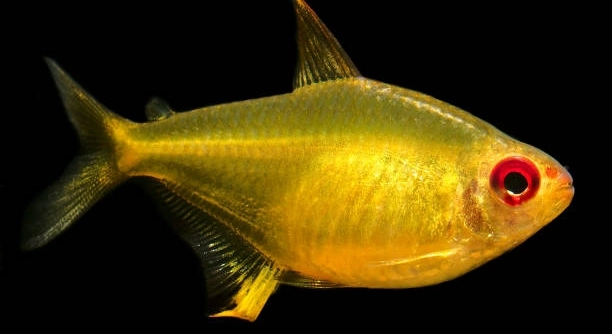
Lemon tetras are small, colorful fish that brighten up any aquarium. Many owners enjoy watching them swim in schools, moving gracefully among plants and decorations. Their peaceful nature makes them a favorite choice for beginners and experts alike.
Lemon tetras do not sleep upside down. Like most healthy fish, they rest near the bottom or in hidden areas, remaining upright. Sleeping upside down can indicate illness or stress, which requires careful attention to water quality and overall health.
Observing their resting habits can reveal more about their well-being and daily routines. Knowing what is normal helps you care for your fish more effectively.
How Lemon Tetras Rest
Lemon tetras often rest in quiet areas of the tank, usually near plants or decorations. They prefer spots that feel safe and sheltered. While resting, they remain mostly still but keep their fins gently moving to maintain balance. Their bright yellow bodies make them easy to spot even when they are calm. Observing their resting positions can help you notice any unusual behavior early. Healthy tetras will float upright and glide slowly rather than darting around suddenly. Their sleeping patterns may change slightly based on lighting, feeding schedules, and the presence of other fish. It is common for them to seek darker corners during the night or after a feeding. Providing ample hiding spots and plants encourages natural behavior. Avoid overcrowding the tank, as it can increase stress and disrupt resting patterns. Keeping water clean and at the correct temperature supports regular resting behavior, ensuring your lemon tetras stay healthy and active.
Resting spots are important for fish to feel safe, and lemon tetras choose areas that reduce stress. Observing them can reveal health issues.
Watching your tetras during rest can give insight into their daily habits. Some may prefer floating near the surface for short periods, while others stay hidden in plants. Over time, patterns emerge that help you predict their behavior. Noticing small changes, like hesitation to swim or unusual positions, can indicate stress or illness. Adjusting water conditions, tank layout, or lighting can improve comfort and ensure they get proper rest. A calm environment helps them maintain energy for feeding and social interactions. Understanding where and how lemon tetras rest allows for better tank management and supports their long-term health.
Signs of Stress or Illness
Resting upside down can signal that something is wrong with your fish. Even minor changes in behavior deserve attention.
Stress or illness in lemon tetras often shows through unusual swimming patterns, loss of color, or floating in strange positions. Common issues include water quality problems, poor diet, or infections. Fish may swim erratically, gasp at the surface, or isolate themselves from the group. Monitoring water parameters like temperature, pH, and ammonia levels is crucial. Sudden changes can stress tetras, leading to visible symptoms quickly. Feeding a balanced diet and avoiding overfeeding helps maintain their health. Observing interactions among tank mates is also important, as aggression or overcrowding can create stress. Prompt action at the first sign of illness can prevent more serious complications. Treatments vary depending on the problem, ranging from water adjustments to medications. Keeping a routine for feeding, cleaning, and observation ensures that any issues are caught early, allowing lemon tetras to return to normal behavior and maintain their bright, healthy appearance.
Common Causes of Upside-Down Swimming
Water quality problems can make lemon tetras swim oddly. High ammonia, nitrite, or nitrate levels stress fish. Temperature fluctuations can also affect balance. Poor diet or sudden changes in food may contribute. Observing their environment closely helps identify potential triggers quickly and effectively.
Lemon tetras rely on stable water conditions for health and normal swimming. Any imbalance can disrupt their internal systems, especially the swim bladder, which controls buoyancy. Overfeeding or giving inappropriate foods may cause digestive issues, leading to floating or sinking problems. Stress from aggressive tank mates or overcrowding can also affect swimming patterns. Regular water testing, partial water changes, and a proper diet reduce the risk of upside-down swimming. Healthy fish usually maintain upright posture and swim smoothly, so early detection of problems is key. Keeping the tank clean and balanced ensures tetras remain active and display natural behavior.
Maintaining a proper feeding routine and avoiding sudden changes in the tank environment is essential. Lemon tetras respond well to consistency. Small adjustments in water or tank layout can prevent stress-related swimming issues. Providing enough space and hiding spots allows them to rest comfortably.
Maintaining a Healthy Tank
Consistent maintenance is essential for healthy lemon tetras. Clean water, balanced diet, and proper temperature support overall well-being. Regular checks prevent minor problems from becoming serious.
Keeping the tank in good condition requires attention to several factors. Perform regular water tests to monitor pH, ammonia, nitrite, and nitrate levels. Partial water changes help remove waste and keep water clear. Avoid overcrowding, as too many fish create stress and reduce oxygen levels. A varied diet with high-quality flakes or small live foods ensures proper nutrition. Plants and decorations provide hiding spots that reduce anxiety and encourage natural behavior. Stable lighting and temperature also play a role in keeping tetras calm and healthy. Observing daily behavior helps spot early signs of illness or stress. Consistent care creates a safe environment where lemon tetras can thrive, swim normally, and rest comfortably.
Recognizing Normal Behavior
Lemon tetras usually swim in small schools, staying upright and alert. They rest quietly near plants or decorations. Minor changes in position are normal and not a cause for concern.
They may pause mid-swim or hover near surfaces for a short time. These behaviors are natural and show they are exploring or adjusting to the tank environment.
Swim Bladder Issues
Swim bladder problems can cause lemon tetras to float unevenly or swim sideways. This organ controls buoyancy, and any disturbance can affect balance. Overfeeding, gulping air, or bacterial infections may lead to swim bladder issues. Monitoring diet and water conditions helps prevent this condition.
Adjusting Tank Environment
Proper tank setup supports normal swimming and reduces stress. Plants, hiding spots, and stable water conditions create a safe space for lemon tetras.
FAQ
Why is my lemon tetra swimming upside down?
Upside-down swimming usually indicates a problem with the swim bladder. The swim bladder helps fish control buoyancy, so any stress, infection, or digestive issue can affect it. Overfeeding or eating air while gulping food at the surface can make them float strangely. Poor water quality and sudden changes in temperature or pH can also trigger unusual swimming. Observing the tank conditions and diet carefully often reveals the cause. Correcting water parameters, feeding smaller amounts, and maintaining a stable environment usually helps the fish return to normal swimming.
Can stress cause my lemon tetra to swim strangely?
Yes, stress is a common factor. Overcrowded tanks, aggressive tank mates, sudden movements outside the tank, or loud noises can make lemon tetras swim erratically. Stress weakens the immune system, making them more vulnerable to infections that may affect buoyancy. Providing hiding spots, stable water conditions, and calm surroundings helps reduce stress. Regular monitoring of fish behavior can identify early signs, allowing quick adjustments to the tank environment and minimizing long-term health issues.
How can I tell if my fish is sick?
Signs of illness include floating upside down, swimming sideways, loss of appetite, faded colors, clamped fins, or gasping at the surface. Sudden lethargy or unusual hiding is also a warning. Observing these behaviors early allows for quicker intervention. Testing water quality and checking for signs of infection, parasites, or injury is essential. Treatment depends on the cause—bacterial infections may require medication, while swim bladder issues often improve with diet changes and water adjustments. Keeping a close eye on daily behavior helps ensure health and reduces the risk of serious problems.
What should I do if my lemon tetra swims upside down?
First, check water quality, including pH, ammonia, nitrites, and nitrates. Make partial water changes if necessary. Reduce feeding amounts and avoid foods that expand in the stomach quickly. Observe other tank mates for aggressive behavior. If the problem persists, isolate the affected fish in a small quarantine tank with stable conditions and consider consulting a veterinarian or fish expert. Proper care and patience are usually enough for mild swim bladder issues, but severe cases may require specific treatments.
Can diet affect my lemon tetra’s swimming?
Absolutely. Overfeeding or feeding foods that expand in the digestive tract, like freeze-dried bloodworms, can cause swim bladder problems. Small, frequent meals of high-quality flakes or frozen foods are best. Avoid sudden diet changes, as they can cause digestive stress. Observing how the fish eat and adjusting portions helps maintain proper buoyancy. Providing fiber-rich foods like blanched peas occasionally can aid digestion and prevent swimming difficulties.
Is upside-down swimming always a sign of illness?
Not always, but it is rarely normal. Occasional slight floating at the surface can happen after feeding, but consistent upside-down swimming indicates a problem. Swim bladder issues, digestive problems, or infections are the most common causes. Early recognition and corrective measures typically restore normal behavior. Ensuring proper tank care and diet prevents many swimming issues before they occur.
How can I prevent future swimming problems?
Keep the tank clean with regular water changes and monitor temperature and pH. Feed small, balanced meals and avoid sudden dietary changes. Provide hiding spots and enough space for the fish to swim comfortably. Observe behavior daily to spot early signs of stress or illness. Maintaining a consistent routine and a stable environment is the most effective way to prevent swim bladder issues and keep lemon tetras healthy and active.
Can lemon tetras recover from swim bladder issues?
Yes, many recover fully if the cause is addressed promptly. Correcting water parameters, adjusting diet, and reducing stress usually restore buoyancy. In some cases, medication for bacterial infections may be needed. Recovery takes time, and monitoring the fish closely during this period ensures better results. Recovery is less certain if the underlying problem is severe or left untreated for too long.
Do tank mates affect my lemon tetra’s swimming?
Yes. Aggressive or larger fish can stress lemon tetras, causing unusual swimming. Even subtle bullying can affect buoyancy indirectly by weakening their immune system. Peaceful, small schooling fish are the best companions. Observing social interactions helps ensure a calm environment, reducing the risk of stress-related swimming problems.
Are there signs that indicate permanent swim bladder damage?
Persistent upside-down swimming despite improved water quality, diet, and reduced stress may indicate permanent damage. Severe infections or physical injury to the swim bladder can lead to lasting issues. Fish may adapt to a new swimming style but may never return completely upright. Early care and prevention are essential to avoid this outcome.
Lemon tetras are delicate, small fish that rely heavily on a stable and well-maintained environment. Observing their normal swimming and resting behaviors helps identify issues early. These fish rarely swim upside down under healthy conditions. Most upside-down swimming is linked to stress, poor water quality, diet problems, or swim bladder issues. By paying attention to their tank and routine, you can often prevent most of these problems. Small adjustments, like improving water conditions or feeding practices, can make a noticeable difference. Healthy tetras swim upright, move smoothly in schools, and rest quietly in safe spots near plants or decorations. Watching them closely over time allows you to understand their individual habits and needs, which helps in spotting unusual behavior before it becomes serious.
Maintaining a proper tank setup is crucial for lemon tetras. The right water temperature, pH, and cleanliness support overall health and prevent stress-related behaviors. Overcrowding or aggressive tank mates can disturb them and lead to erratic swimming. Providing hiding places and calm areas helps them feel secure, reducing anxiety and encouraging natural rest. Feeding small, frequent meals of quality foods avoids digestive problems that may affect their swim bladder. Observing how they interact with each other also gives insight into their comfort level. Consistency in care makes a big difference, and small, simple practices like partial water changes, careful monitoring of water chemistry, and avoiding sudden changes in diet or environment ensure the fish remain healthy. A well-maintained tank encourages normal swimming, proper rest, and long-term vitality.
Upside-down swimming is often alarming, but understanding its causes and taking corrective action can restore normal behavior. Swim bladder issues, stress, or illness are common reasons, and addressing these quickly is key to recovery. Even minor adjustments in diet, water quality, or tank layout can have a significant impact. Observing your fish daily allows you to spot subtle signs of trouble before they worsen. Recovery may take time, but with patience and careful care, lemon tetras usually regain their normal posture and behavior. Preventative measures, such as stable water conditions, balanced nutrition, and a stress-free environment, reduce the likelihood of future problems. Ultimately, understanding their natural habits and responding to changes thoughtfully ensures your lemon tetras remain healthy, active, and vibrant, creating a harmonious and enjoyable aquarium environment.

Hello,
If you enjoy the content that we create, please consider saying a "Thank You!" by leaving a tip.
Every little bit helps us continue crafting quality advice that supports the health, happiness, and well-being of pets around the world, for pets of all shapes, sizes, and species.
We really appreciate the kindness and support that you show us!