
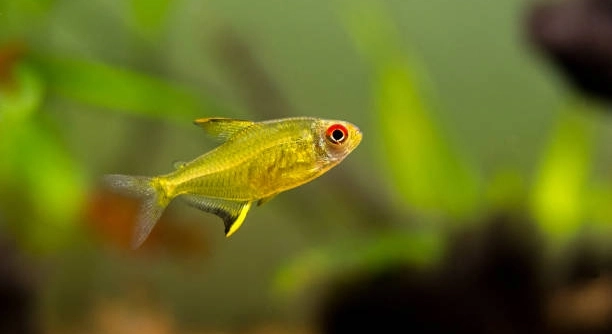
Do you enjoy keeping vibrant aquariums but find yourself wondering if your lemon tetras can thrive without special water treatments? Many fishkeepers start with tap water, hoping it is safe for these small, lively fish in their tanks.
Lemon tetras can survive in tap water if it is properly conditioned. Tap water often contains chlorine, chloramine, or heavy metals, which are harmful. Using a water conditioner removes these toxins and creates a safe environment for the fish to live healthily.
Understanding how to treat tap water properly will ensure your lemon tetras remain active and healthy while adapting to your home aquarium.
Understanding Tap Water Quality
Tap water can vary widely depending on location, which directly affects your lemon tetras. Many municipal water supplies contain chlorine or chloramine to keep it safe for human consumption, but these chemicals are toxic to fish. Hard water, high in minerals, can also stress delicate species. Testing your tap water is essential before adding any fish. Simple aquarium test kits measure pH, hardness, and ammonia levels, giving you an idea of how suitable the water is for your lemon tetras. Conditioners are widely available and neutralize harmful chemicals quickly. Temperature stability is another factor; sudden changes in tap water temperature can shock the fish. Using a thermometer and adjusting water to match the aquarium temperature reduces stress. While many tetras are resilient, consistent water quality is key to their health. Small adjustments like regular water changes and monitoring chemical levels make a significant difference in their long-term well-being.
Regular testing ensures that your lemon tetras remain safe and healthy in tap water conditions.
Even with conditioning, keeping an eye on water parameters prevents sudden health issues. Consistent maintenance builds a stable environment, allowing your lemon tetras to thrive and display their natural colors and behavior. Small daily habits, such as monitoring temperature and performing partial water changes, create a healthier tank. Over time, understanding the specifics of your tap water allows you to anticipate and prevent problems before they affect your fish. Maintaining pH, hardness, and toxin-free conditions is essential. Adjusting with conditioners or gradual water mixing ensures your aquarium remains stable. The fish will be less stressed and more active, making tank care simpler and more rewarding. Following these practices not only protects your lemon tetras but also makes the aquarium a pleasant, vibrant display in your home.
Preparing Tap Water for Lemon Tetras
The first step in preparing tap water is using a reliable water conditioner to remove chlorine and chloramine. This prevents immediate harm to the fish.
Once the water is treated, it’s important to adjust the temperature slowly. Lemon tetras prefer water between 72 and 78°F. Sudden changes can be fatal. Testing pH and hardness ensures the water is compatible with their natural environment. Soft, slightly acidic to neutral water is ideal. Introduce new water gradually during regular changes to avoid stress. Avoid leaving untreated tap water in the tank, as it can cause illness or death. Using filtered water is another option if your tap supply is extremely hard or has high contaminants.
Gradual changes, proper conditioning, and monitoring temperature create a safe and stable habitat for lemon tetras. These steps reduce stress, support health, and allow the fish to thrive over time. Consistency is more effective than frequent drastic adjustments, making daily care manageable.
Common Tap Water Issues
Tap water may contain minerals that affect lemon tetras’ health. High levels of calcium or magnesium can cause hardness, which stresses delicate fish. Chlorine and chloramine remain dangerous without treatment. Sudden changes in pH or temperature can also disrupt their environment, leading to illness.
Testing your tap water regularly helps identify potential problems before they harm your fish. Using water conditioners neutralizes toxins, while adjusting hardness and pH keeps the tank stable. Keeping a consistent temperature and performing gradual water changes further reduces stress. Monitoring water parameters ensures lemon tetras remain active, healthy, and vibrant over time.
Even with proper conditioning, untreated fluctuations in water quality can lead to stress and illness. Observing your fish for unusual behavior, such as hiding or loss of color, helps detect early signs of water issues. Consistent maintenance, testing, and adjusting water quality support long-term health and a thriving aquarium environment for your lemon tetras.
Best Practices for Tap Water Use
Conditioning tap water is essential before adding it to the aquarium. Always measure chlorine, chloramine, and other chemicals to ensure safety. Gradual introduction of treated water helps maintain stability.
Regular partial water changes prevent the buildup of toxins and maintain a balanced environment. Temperature consistency is critical, so adjust new water slowly to match tank conditions. Testing pH and hardness frequently avoids sudden stress to your lemon tetras. Adding beneficial bacteria can also help maintain a healthy biological balance in the tank. Proper preparation of tap water reduces the risk of disease and supports active, vibrant fish.
By following these steps consistently, your lemon tetras experience minimal stress and healthier growth. Careful monitoring of water parameters and regular maintenance ensures they thrive, displaying natural behavior and color. Small efforts like gradual water changes, conditioning, and observing fish behavior make a noticeable difference. Establishing a routine with treated water creates stability, reducing health risks and promoting long-term well-being in the aquarium. This approach allows your tank to remain clean, safe, and enjoyable without frequent emergency interventions.
Signs of Water Stress in Lemon Tetras
Lemon tetras may show stress when tap water is unsuitable. Common signs include clamped fins, faded colors, and lethargy. They may hide more often or stop eating. Observing these behaviors early allows you to take action before health problems develop.
Frequent swimming near the surface or gasping can also indicate poor water quality. These signs suggest oxygen levels or chemical balance are off. Prompt testing and treatment of tap water can prevent serious illness, ensuring your fish remain healthy and active.
Using Filters to Improve Tap Water
Filters help remove impurities and maintain consistent water quality. Mechanical, chemical, and biological filtration work together to reduce toxins and debris in the tank.
Gradual Water Changes
Replacing a portion of the water slowly prevents shock to lemon tetras. Sudden changes can cause stress, even with conditioned tap water.
Temperature Considerations
Maintaining stable water temperature is essential. Lemon tetras thrive in 72–78°F. Use a reliable heater and thermometer to avoid fluctuations that can harm the fish.
FAQ
Can lemon tetras live in untreated tap water?
No, untreated tap water often contains chlorine, chloramine, and heavy metals that are harmful to lemon tetras. These chemicals can damage gills, stress the fish, and lead to illness or death. Always use a water conditioner to neutralize harmful substances before adding the water to the tank.
How often should I test my tap water?
Testing your tap water regularly is important, especially before introducing new water into the aquarium. Weekly checks for pH, hardness, and ammonia levels are recommended. Monitoring these parameters ensures that the water remains safe for lemon tetras and prevents sudden stress or health issues.
Is a water conditioner necessary every time I add tap water?
Yes, every addition of tap water should be treated with a conditioner. Even small amounts of untreated water can introduce toxins. Conditioners remove chlorine and chloramine immediately, creating a safer environment and maintaining a stable chemical balance in the tank.
What pH level is ideal for lemon tetras?
Lemon tetras thrive in slightly acidic to neutral water. A pH between 6.0 and 7.0 is generally ideal. Regular testing allows you to maintain this balance, reducing stress and supporting proper metabolic and reproductive functions. Avoid sudden changes in pH, as they can shock the fish.
Can lemon tetras tolerate hard water?
Lemon tetras prefer softer water, but they can tolerate mild hardness if introduced gradually. High mineral content can stress delicate species, affecting their coloration and activity. Conditioning and careful monitoring help balance hardness and provide a healthier environment.
How should I perform water changes using tap water?
Water changes should be gradual, replacing 20–30% of the tank at a time. Treat the tap water with a conditioner, and ensure the temperature closely matches the tank’s water. Sudden changes can stress the fish, while gradual adjustments maintain stability and prevent illness.
Is filtered tap water better for lemon tetras?
Filtered tap water can improve quality by removing chlorine, chloramine, and some minerals, but it still requires conditioning. Filters reduce debris and support beneficial bacteria, helping maintain a stable environment for your lemon tetras. Combining filtration with regular monitoring provides the best results.
What signs indicate tap water is harming my fish?
Signs include clamped fins, faded colors, lethargy, hiding, or erratic swimming. Gasps at the water surface may indicate low oxygen or chemical imbalances. Early observation and immediate testing allow you to treat the water, reducing stress and preventing illness.
Can I mix tap water with bottled or distilled water?
Yes, mixing tap water with bottled or distilled water can help adjust hardness and pH. Ensure that the final water is treated with a conditioner and matches the aquarium’s temperature. Gradual mixing prevents stress and maintains a healthy environment.
How do I acclimate lemon tetras to tap water?
Introduce fish slowly by floating the bag in the tank, adding small amounts of treated tank water every 10–15 minutes. Gradual acclimation allows the fish to adjust to temperature and chemical levels, reducing stress and improving survival rates.
What should I do if tap water causes stress despite conditioning?
If fish show ongoing stress, consider testing for hidden contaminants like metals or high hardness. Using filtered water, partial water changes, or reverse osmosis water can help. Maintaining stable conditions with consistent monitoring ensures lemon tetras remain healthy and active.
Can lemon tetras reproduce in tap water?
Reproduction is possible only if tap water is treated and maintains stable parameters. Soft, slightly acidic to neutral water is ideal. Any sudden fluctuations in pH, hardness, or temperature can reduce breeding success or harm fry survival.
Is it safe to add other chemicals to tap water for health benefits?
Only use aquarium-safe treatments recommended for tropical fish. Avoid random additives, as they may alter pH or introduce toxins. Focus on conditioning, temperature control, and maintaining a stable environment to support fish health naturally.
How long can lemon tetras survive in tap water without treatment?
Survival without treatment is usually very short. Chlorine, chloramine, and metals act quickly, causing stress, gill damage, and death. Immediate conditioning is critical to protect the fish and ensure a long, healthy life.
What equipment helps maintain tap water quality?
Heaters, thermometers, filters, and test kits are essential. Heaters stabilize temperature, filters remove toxins and debris, and test kits allow you to monitor pH, hardness, and ammonia. Using all these together ensures tap water remains safe for lemon tetras consistently.
Can lemon tetras live in tap water long-term?
Yes, with proper treatment, gradual water changes, and consistent monitoring, tap water can support healthy, active lemon tetras indefinitely. Conditioning, temperature control, and attention to pH and hardness are key to long-term success in a home aquarium.
Lemon tetras are small, lively fish that can adapt well to a home aquarium when provided with the right environment. Tap water is commonly used by fishkeepers, but it often contains substances that can be harmful if left untreated. Chlorine, chloramine, and metals are present in many municipal supplies, and even small amounts can stress or injure these delicate fish. Regular testing of tap water allows you to understand its composition and make necessary adjustments. Using a water conditioner neutralizes these harmful substances, creating a safe environment for your lemon tetras. Maintaining a consistent water temperature, monitoring pH and hardness, and performing gradual water changes all contribute to a stable habitat. These small but consistent actions help your fish stay active, display bright colors, and maintain normal behavior.
Even when tap water is treated, careful observation of your lemon tetras is important. Stress or illness can occur due to sudden changes in water quality, temperature, or chemical balance. Common signs of stress include clamped fins, faded colors, hiding, or lethargy. If you notice any of these behaviors, testing the water and adjusting as necessary is essential. Filters can also improve water quality by removing debris and supporting beneficial bacteria, which helps maintain a balanced environment. Gradual water changes prevent shocks that can occur when untreated water or water of a different temperature is introduced. Following these practices consistently ensures that lemon tetras remain healthy and reduces the likelihood of disease, allowing you to enjoy a vibrant and lively aquarium.
The long-term success of keeping lemon tetras in tap water depends on consistent care and attention to detail. Understanding your tap water, treating it properly, and maintaining stable conditions provide a safe and comfortable habitat for your fish. With proper preparation and monitoring, lemon tetras can live, thrive, and even breed successfully in home aquariums. Small efforts, such as using a water conditioner, checking temperature, and performing routine water changes, make a significant difference in their overall health. By establishing a regular maintenance routine, you create a stable and stress-free environment. This approach ensures that your lemon tetras remain active, healthy, and colorful, allowing you to enjoy the full beauty and charm of these fish in your aquarium. Consistency, patience, and attention to water quality are the keys to their long-term well-being.

Hello,
If you enjoy the content that we create, please consider saying a "Thank You!" by leaving a tip.
Every little bit helps us continue crafting quality advice that supports the health, happiness, and well-being of pets around the world, for pets of all shapes, sizes, and species.
We really appreciate the kindness and support that you show us!