Why Is My Black Molly Always Watching the Surface?
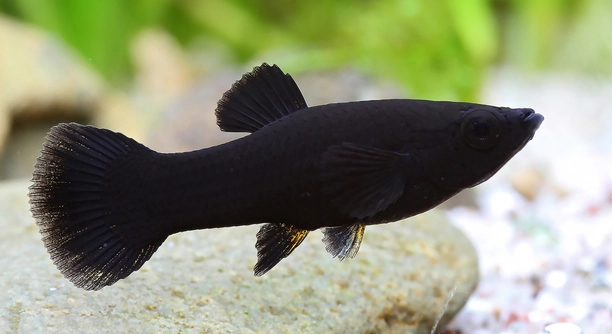
Do you ever notice your black molly lingering at the water’s surface, moving slowly but never fully leaving? Many fish owners find themselves watching this behavior, wondering why their usually active fish seem so focused on the top. Black mollies often stay near the surface due to low oxygen levels in the water, temperature changes, … Read more
7 Things That Frighten Black Molly Easily

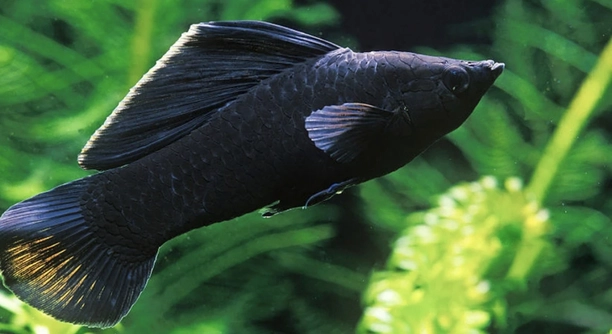
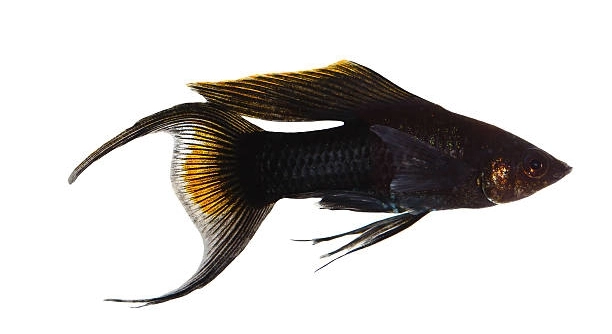
Black Mollies are lively fish that add charm to any aquarium. They enjoy calm environments but can easily become startled by sudden changes or unfamiliar situations in their tank surroundings. Black Mollies are easily frightened by abrupt movements, loud noises, sudden water changes, strong currents, aggressive tank mates, bright flashes of light, and unfamiliar objects. … Read more

7 Things That Stress Out Black Molly (+Fixes)

Black Mollies are lively, social fish that can brighten any aquarium. Despite their charm, they are sensitive to environmental changes and daily care routines, which can create stress if not properly managed in their aquatic habitat. Common stressors for Black Mollies include poor water quality, inappropriate tank mates, insufficient space, sudden temperature changes, improper diet, … Read more

7 Reasons Black Molly Refuse to Swim with Others

Black mollies are popular freshwater fish, admired for their sleek appearance and calm presence. Many owners notice that some black mollies prefer solitude, often avoiding the company of other fish in shared tanks. Black mollies may refuse to swim with others due to territorial instincts, stress from overcrowding, or incompatible tank mates. Environmental factors, diet, … Read more

Do Black Molly Need a Dark Rest Period?

Black Mollies are popular freshwater fish that brighten up home aquariums. Many fishkeepers enjoy their lively colors and playful behavior but often wonder about the best environment for their health and comfort. Black Mollies do not require a dark rest period like some nocturnal species. They benefit from a consistent light-dark cycle, typically 10-12 hours … Read more

7 Tank Conditions That Improve Black Molly Health

Black Mollies are lively and colorful fish that brighten any aquarium. Keeping them healthy requires attention to their environment, water quality, and daily care routines. Small adjustments can make a big difference in their overall well-being. Optimal tank conditions for Black Mollies include stable water temperature, clean filtered water, sufficient swimming space, regular feeding, balanced … Read more

7 Challenges New Owners Face with Black Molly

Do you love keeping aquariums but find yourself unsure how to care for your new Black Molly fish properly? These small, elegant fish can brighten any tank, yet they bring challenges that often surprise first-time owners. New Black Molly owners often face difficulties such as water quality management, proper feeding routines, tank compatibility, stress prevention, … Read more

Why Are Fry Always Clustered Near Tank Bottom?

Do you ever notice your fry gathering at the bottom of the tank, seemingly sticking together in clusters? Many aquarists see this behavior and wonder what it indicates about their young fish’s well-being and environment. Fry often cluster near the tank bottom due to a combination of safety, food availability, and water conditions. Lower regions … Read more

7 Reasons to Test Water Often for Black Molly

Do you love keeping Black Mollies but find yourself unsure if the water in their tank is always safe and clean for them? Regular care involves more than feeding and cleaning; water quality is key to their health. Testing water often for Black Mollies is crucial because poor water conditions can cause stress, illness, and … Read more

Are Black Molly Good With Dim Lighting?

Are your aquariums filled with lively Black Mollies but you notice they behave differently under dim lights? These fish are popular for their hardiness and striking appearance. Many fish owners wonder how lighting affects their behavior. Black Mollies can tolerate dim lighting, but they thrive best with moderate illumination. Low light does not harm them … Read more