
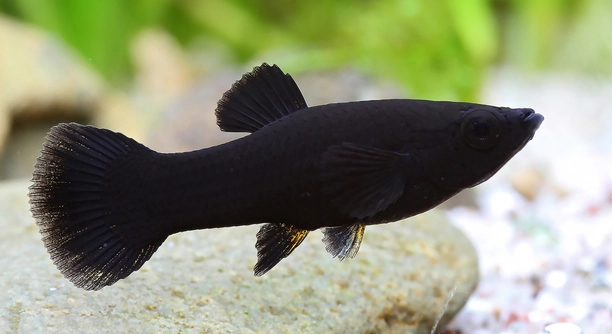
Black Mollies are lively and colorful fish that brighten any aquarium. Keeping them healthy requires attention to their environment, water quality, and daily care routines. Small adjustments can make a big difference in their overall well-being.
Optimal tank conditions for Black Mollies include stable water temperature, clean filtered water, sufficient swimming space, regular feeding, balanced diet, proper lighting, and compatible tank mates. Maintaining these factors ensures their health, longevity, and natural behavior are supported.
Ensuring these key conditions can help your Black Mollies thrive while reducing stress and preventing common health issues in home aquariums.
Stable Water Temperature
Black Mollies thrive in water that remains between 24°C and 28°C. Sudden changes in temperature can stress them, making them more vulnerable to disease. Using a reliable heater and thermometer helps maintain a consistent environment. Regularly checking the tank ensures the water stays within this range. Avoid placing the aquarium near windows or vents where temperatures fluctuate. Seasonal changes can also affect water temperature, so minor adjustments may be necessary. Stability supports their metabolism, immune system, and activity levels. Fish exposed to constant fluctuations may become lethargic or refuse food. Keeping the water stable encourages natural behavior, including swimming, schooling, and mating. Consistent warmth also helps young fish grow properly.
Maintaining a stable temperature is essential for preventing stress-related illnesses and supporting the long-term health of Black Mollies in any home aquarium.
Stable water temperature improves overall fish vitality and encourages natural behavior. Proper management reduces stress and disease, making it easier for Black Mollies to thrive.
Clean and Filtered Water
Regular filtration removes debris, uneaten food, and harmful chemicals from the tank. A good filter maintains clear water and stable water parameters. Without it, ammonia and nitrite levels can rise, affecting gill function and overall health. Performing partial water changes weekly helps keep water quality high and reduces the accumulation of toxins. Clean water supports healthy growth, vibrant coloration, and active swimming patterns. Black Mollies also need oxygen-rich water, which a filter helps circulate. Observing water clarity and testing for ammonia, nitrite, and nitrate ensures the environment stays safe. Overfeeding can quickly degrade water quality, so monitor how much food is given. Choosing a filter appropriate for the tank size ensures proper water movement without creating too strong a current. Consistent care and maintenance are key to a healthy, stress-free environment for your fish.
Clean, filtered water helps Black Mollies thrive, supports strong immune systems, and prevents common diseases associated with poor water quality.
By keeping the tank clean and filtered, you provide a stable environment that supports healthy growth, active behavior, and longer life. Regular checks and maintenance make disease prevention simple and improve overall fish welfare.
Sufficient Swimming Space
Black Mollies need space to swim freely and explore. Crowded tanks can cause stress, aggression, and stunted growth. A minimum of 10 gallons per fish is recommended, with larger tanks providing more room for healthy activity.
Providing enough space encourages natural behavior, reduces stress, and supports overall health. Overcrowding can lead to disease outbreaks and weaker immune systems. A spacious tank also allows for proper territorial behavior and schooling. Including plants, rocks, or decorations gives structure but shouldn’t restrict swimming areas. Regularly evaluating tank population helps maintain balance. Proper tank size is an investment in their comfort, growth, and long-term well-being. Mollies in roomy tanks are more active, display brighter colors, and reproduce more successfully.
Ensuring adequate swimming space improves activity levels, prevents stress-related illness, and encourages natural behavior. A well-sized tank with thoughtful layout supports healthy, vibrant Black Mollies.
Balanced Diet
Black Mollies require a varied diet to stay healthy. Flakes, pellets, and occasional live or frozen foods provide essential nutrients. Feeding small portions twice daily prevents overfeeding and water pollution.
A balanced diet supports growth, coloration, and reproductive health. Providing plant-based foods alongside protein sources ensures proper nutrition. Mollies benefit from spirulina, blanched vegetables, and occasional protein treats like brine shrimp. Avoid feeding only one type of food, as this can cause nutritional deficiencies and weakened immune systems. Monitoring how much your fish eat each day prevents leftover food from decaying in the tank. Adjust portions according to their activity level and tank size to maintain optimal health. Consistency in feeding schedules helps regulate digestion and encourages natural feeding behavior.
Consistently providing varied, nutrient-rich foods helps maintain energy, supports immune function, and promotes overall health. A thoughtful feeding plan ensures Black Mollies thrive while reducing risks from poor nutrition.
Proper Lighting
Black Mollies benefit from consistent lighting that mimics natural day and night cycles. Too much light can stress them, while too little can affect activity and coloration.
Using a timer helps maintain a stable schedule, usually 8–10 hours of light daily. Plants and fish both thrive with consistent light patterns.
Compatible Tank Mates
Choosing the right tank mates reduces aggression and stress. Peaceful, similarly sized fish work best with Black Mollies.
Avoid aggressive or very small species that may nip fins or cause tension. Proper compatibility encourages natural behavior, schooling, and healthier interactions in the aquarium.
Regular Water Testing
Testing water regularly ensures parameters stay within safe limits for Black Mollies. Monitoring pH, ammonia, nitrite, and nitrate levels prevents health issues and keeps the environment stable. Regular checks allow for quick adjustments and better long-term care.
Consistent Maintenance
Routine cleaning and water changes prevent toxin buildup and support overall tank health. Maintaining filters and monitoring decorations keeps the environment safe for Black Mollies.
FAQ
How often should I change the water in my Black Molly tank?
Partial water changes should be done weekly, replacing about 20–25% of the tank water. This helps remove excess waste, toxins, and uneaten food. Frequent water changes maintain stable water parameters and reduce the risk of ammonia or nitrate spikes, keeping your fish healthy.
What temperature is ideal for Black Mollies?
Black Mollies do best in water between 24°C and 28°C. Consistent temperature is key, as sudden fluctuations can stress the fish and weaken their immune system. Using a reliable heater and thermometer ensures the tank stays within this safe range.
What should I feed my Black Mollies?
A varied diet is essential. Flakes or pellets can be the main staple, supplemented with blanched vegetables and occasional live or frozen foods like brine shrimp. A mix of protein and plant-based foods supports growth, coloration, and overall health. Feed small amounts twice a day to prevent overfeeding.
How can I tell if my Black Mollies are stressed?
Signs of stress include lethargy, clamped fins, loss of appetite, or hiding more than usual. Stress can also lead to faded colors and susceptibility to disease. Monitoring their behavior daily helps detect problems early and allows for quick adjustments to the tank environment.
Can Black Mollies live with other fish?
Yes, but only with peaceful species of similar size. Avoid aggressive fish or very small species that may get nipped or intimidated. Properly chosen tank mates reduce stress and encourage natural behavior, such as schooling or exploration, keeping the aquarium balanced.
How big should my tank be for Black Mollies?
A minimum of 10 gallons per adult fish is recommended. More space reduces aggression, supports swimming, and allows proper territorial behavior. Overcrowding increases stress and disease risk, so regularly monitor population density as your fish grow or if you add new tank mates.
Why is my Black Molly not eating?
Loss of appetite can result from stress, poor water quality, illness, or sudden environmental changes. Ensure water parameters are stable and food is appropriate. Sometimes, introducing live or frozen food can stimulate appetite and help determine if the issue is diet-related or health-related.
How often should I test water parameters?
Water testing should be done at least once a week for ammonia, nitrite, nitrate, and pH levels. Frequent testing helps catch problems before they affect fish health. Maintaining stable parameters prevents stress, disease, and long-term health issues.
What decorations or plants are best for Black Mollies?
Live plants and open swimming spaces work best. Plants provide hiding spots and improve water quality, while open areas allow exercise and natural behavior. Avoid overcrowding the tank with decorations, as it can restrict movement and increase stress levels.
How do I prevent common Black Molly diseases?
Regular maintenance, clean filtered water, a balanced diet, and stable tank conditions are the most effective prevention methods. Quarantining new fish before introducing them to the tank also reduces the risk of introducing disease. Observing your fish for early symptoms allows for quicker treatment.
Is it necessary to use a filter for Black Mollies?
Yes, a filter is essential for removing waste, circulating oxygen, and maintaining water quality. Proper filtration reduces toxin buildup, promotes health, and supports active, stress-free fish. Filters also help maintain water clarity and a balanced ecosystem in the tank.
Can Black Mollies tolerate different water pH levels?
They prefer slightly alkaline water with a pH around 7.5 to 8.0. Large shifts in pH can cause stress and health problems. Regular testing and gradual adjustments help keep pH within the optimal range, supporting immunity and natural behavior.
How long do Black Mollies typically live?
With proper care, Black Mollies can live 3–5 years. Maintaining clean water, a balanced diet, stable temperature, and low-stress conditions contributes to longevity. Regular observation ensures minor issues are addressed before they impact life expectancy.
What signs indicate a Black Molly is healthy?
Healthy fish swim actively, display bright colors, feed regularly, and interact with their environment. Clear eyes, intact fins, and smooth scales are also indicators. Consistent observation allows early detection of any potential problems, ensuring long-term well-being.
Can I breed Black Mollies in a community tank?
Yes, but they may need designated areas or plants to protect fry from other fish. Providing a safe environment and sufficient hiding spots increases survival rates. Breeding in a community tank requires careful monitoring of tank conditions to maintain overall health.
How important is tank maintenance for Black Mollies?
Routine cleaning, water changes, and filter upkeep are crucial. Neglecting maintenance leads to toxin buildup, stress, and disease. Regular care supports water stability, encourages natural behavior, and promotes long-term health for all tank inhabitants.
What should I do if a Black Molly gets sick?
Quarantine the affected fish immediately to prevent spreading illness. Identify symptoms and consider water testing, dietary adjustments, or medications as necessary. Early intervention increases recovery chances and helps protect the health of other fish in the tank.
How can I reduce stress for my Black Mollies?
Provide a stable environment, appropriate tank mates, sufficient swimming space, and hiding spots. Avoid sudden changes in water parameters, temperature, or lighting. Reducing stress improves immune function, behavior, and overall vitality. Consistent care fosters a calm, healthy aquarium environment.
Do Black Mollies need live plants or decorations?
While not strictly necessary, live plants and decorations improve water quality, provide shelter, and reduce stress. They encourage natural exploration and create a more stimulating environment. Open areas should also be available for swimming, balancing structure with space for activity.
How do I introduce new fish to a Black Molly tank?
Quarantine new fish for at least two weeks before introducing them. Gradually acclimate them to temperature and water conditions to reduce stress. Careful introduction minimizes disease risk and ensures smooth integration with existing tank inhabitants.
This FAQ covers the most common questions about maintaining healthy Black Mollies, providing practical guidance for consistent care, feeding, tank setup, and disease prevention.
Black Mollies are vibrant, active fish that can bring life to any home aquarium. Ensuring their health requires attention to several key factors, including water quality, tank size, diet, and compatible tank mates. By maintaining stable water temperature and regularly testing water parameters, you create an environment that supports their immune system and reduces the risk of illness. Clean, filtered water combined with partial weekly water changes keeps toxins at safe levels, which is essential for their well-being. Even small adjustments, like adding a reliable heater or using a timer for lighting, can make a noticeable difference in their activity levels and overall vitality. Taking time to monitor these conditions allows for early detection of potential problems, helping prevent stress and disease.
Providing a balanced diet is equally important for Black Mollies. Offering a mix of flakes, pellets, blanched vegetables, and occasional live or frozen foods ensures they receive all the nutrients necessary for healthy growth, coloration, and reproduction. Feeding small amounts twice daily reduces the risk of overfeeding, which can pollute the tank and cause digestive issues. Observing your fish during feeding times helps identify changes in behavior or appetite that might indicate stress or illness. A thoughtful feeding routine not only promotes physical health but also encourages natural behaviors such as foraging and exploration. Alongside proper nutrition, giving Black Mollies sufficient swimming space and a well-structured tank with plants and decorations supports their physical activity and mental stimulation, helping them thrive in a home aquarium.
Maintaining a peaceful and well-organized aquarium contributes greatly to the long-term health of Black Mollies. Choosing compatible tank mates prevents unnecessary stress and aggression, while ensuring adequate space and hiding spots allows each fish to display natural behaviors comfortably. Regular maintenance, including cleaning, filter upkeep, and monitoring water parameters, is vital to creating a stable and safe environment. Attention to these details makes a significant difference in fish vitality, stress levels, and longevity. Black Mollies that are well cared for display vibrant colors, active behavior, and healthier immune systems. Consistent care, observation, and thoughtful adjustments in tank conditions help ensure they live full, healthy lives. By committing to these practices, you can enjoy the beauty and liveliness of Black Mollies while knowing their needs are being properly met.

Hello,
If you enjoy the content that we create, please consider saying a "Thank You!" by leaving a tip.
Every little bit helps us continue crafting quality advice that supports the health, happiness, and well-being of pets around the world, for pets of all shapes, sizes, and species.
We really appreciate the kindness and support that you show us!