
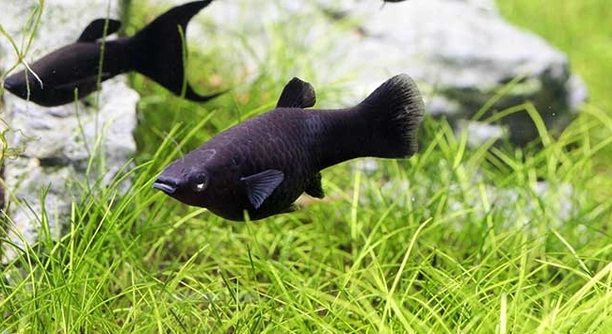
Do you love keeping Black Mollies but find yourself unsure if the water in their tank is always safe and clean for them? Regular care involves more than feeding and cleaning; water quality is key to their health.
Testing water often for Black Mollies is crucial because poor water conditions can cause stress, illness, and reduced lifespan. Monitoring parameters like pH, ammonia, nitrite, and nitrate ensures a stable environment and promotes the well-being of these freshwater fish.
Understanding how water quality affects your Black Mollies can prevent many common problems and help them thrive in their home aquarium.
Importance of Monitoring pH Levels
The pH level in your Black Molly tank is one of the most important factors to watch. These fish thrive in slightly alkaline water, usually between 7.0 and 8.0. Sudden shifts in pH can stress them, weaken their immune system, and make them more prone to disease. Even small fluctuations caused by tap water changes or decaying plants can upset the balance. Testing pH regularly helps you adjust water conditions gradually, reducing shock and keeping the fish healthy. It also ensures that other parameters, like ammonia and nitrite levels, stay in a safer range, since extreme pH changes can affect their toxicity. Over time, monitoring pH becomes part of routine tank care and allows you to notice trends or early warning signs before serious problems arise. Many Black Molly owners find that keeping a simple pH test kit handy makes tank maintenance less stressful and more predictable.
Regular pH checks prevent sudden stress and maintain a stable environment for Black Mollies, promoting longevity and overall health.
Maintaining the proper pH is not just about avoiding illness. Black Mollies rely on a balanced environment for daily activities like swimming, feeding, and breeding. If the pH is too low or high, their metabolism can slow, and reproductive cycles may be disrupted. A stable pH also supports beneficial bacteria in the filter, which are essential for breaking down waste and keeping ammonia and nitrite levels low. By observing pH trends over time, you can plan water changes or use buffering solutions if needed. This proactive approach reduces surprises and makes tank care more manageable. For those keeping multiple species, checking pH ensures compatibility, preventing conflicts and stress that could arise from unsuitable water conditions.
Regular Ammonia Testing
Ammonia levels can rise quickly in any tank, posing a serious risk to Black Mollies.
Ammonia is toxic to fish, causing gill damage, lethargy, and even death. Regular testing allows you to spot increases early and take action before serious harm occurs.
Even small amounts of leftover food, excess waste, or inadequate filtration can elevate ammonia. Black Mollies are particularly sensitive, and prolonged exposure can weaken their immune system, making them vulnerable to disease. Testing helps determine whether partial water changes or filter adjustments are needed. A stable ammonia level ensures a safe environment, supporting healthy growth and activity. When ammonia spikes, fish often show stress behaviors like gasping at the surface or hiding more frequently. By monitoring ammonia, you protect both the fish’s immediate health and long-term well-being. Establishing a testing routine also reduces surprises, making maintenance predictable and less stressful. Even if your tank looks clean, unseen ammonia can quietly threaten your fish. Early detection through regular testing keeps the tank balanced and the Black Mollies thriving.
Nitrite Levels and Their Impact
High nitrite levels are dangerous for Black Mollies, affecting their ability to transport oxygen and causing stress. Regular testing ensures nitrite stays near zero, keeping fish active and healthy.
Nitrite is produced as part of the nitrogen cycle when beneficial bacteria break down ammonia. While low amounts are normal in new tanks, spikes can occur if the filter isn’t fully established or if overfeeding happens. Black Mollies exposed to elevated nitrite may show rapid gill movement, lethargy, or loss of appetite. Frequent testing helps identify problems early, allowing you to perform water changes or add treatments before fish suffer. Monitoring nitrite also prevents long-term tank issues, supporting a stable and safe environment for your fish. Keeping records of nitrite levels helps you notice patterns and act before any sudden changes threaten their health.
By testing nitrite consistently, you can maintain a balanced tank where beneficial bacteria thrive, and Black Mollies grow without unnecessary stress. It also helps in establishing a predictable maintenance routine that protects both the fish and the ecosystem inside the tank. Observing nitrite trends over time gives insight into overall water quality, making tank management easier and more effective.
Nitrate Control
Nitrate accumulation affects fish health, leading to stress and algae growth if left unchecked. Regular water testing prevents problems and supports a clean tank environment.
Nitrate is less toxic than ammonia or nitrite, but high levels over time can harm Black Mollies, weakening their immune systems and reducing lifespan. Regular testing identifies when water changes are needed to maintain safe concentrations, typically below 40 ppm. Overfeeding, overcrowding, and insufficient filtration can increase nitrate levels quickly. By keeping track of nitrates, you can adjust feeding schedules and tank cleaning routines, ensuring a stable environment. Monitoring nitrates also prevents excessive algae growth, which can reduce oxygen levels and make the tank look unhealthy. Implementing a consistent testing schedule helps you detect gradual increases early, allowing for small adjustments before they escalate into serious health risks. Maintaining optimal nitrate levels keeps the tank visually appealing and provides a stress-free habitat, promoting active, vibrant Black Mollies that feed and breed normally.
Water Temperature Stability
Black Mollies are sensitive to temperature changes, which can stress them and lower immunity. Keeping water within 24–28°C ensures they remain active and healthy.
Sudden fluctuations from heaters, room changes, or seasonal shifts can shock the fish. Consistent testing lets you adjust heaters or placement, preventing stress and encouraging normal behavior.
Hardness and Mineral Balance
Maintaining proper water hardness supports Black Mollies’ metabolism and scale development. Soft or overly hard water can affect growth and overall well-being, so regular testing is necessary.
Chlorine and Chemical Safety
Tap water often contains chlorine or chloramine, which are harmful to Black Mollies. Testing water before adding it ensures these chemicals are neutralized, keeping the tank safe and stress-free for the fish.
How often should I test water for Black Mollies?
Testing water for Black Mollies should be done at least once a week for pH, ammonia, nitrite, and nitrate. Temperature and hardness can be checked less frequently but still monitored regularly. Frequent testing helps spot small changes before they become harmful. New tanks may require testing multiple times a week until the nitrogen cycle stabilizes. Keeping a simple log of readings makes it easier to track trends and quickly adjust water conditions. For established tanks with stable fish, weekly checks are usually sufficient to maintain a safe environment.
What are the signs that water quality is poor?
Poor water quality often shows up in fish behavior. Black Mollies may become lethargic, hide more than usual, or show rapid gill movement. They might also lose appetite, develop clamped fins, or show unusual swimming patterns. Cloudy water, foul odor, or excess algae growth can indicate chemical imbalances. Observing these signs alongside regular testing allows you to address problems early. Stress from poor water can weaken their immune system, making them more susceptible to disease. Addressing water issues quickly helps prevent long-term health problems and ensures the fish stay active and vibrant.
Can I use tap water for my Black Mollies?
Tap water can be used if properly treated. Most municipal water contains chlorine or chloramine, which are harmful to fish. Using a water conditioner neutralizes these chemicals. Letting water sit for 24 hours can help remove chlorine but not chloramine, so a proper conditioner is recommended. Tap water may also vary in pH and hardness depending on the area, so testing after treatment is essential. Consistent treatment and testing ensure that the water is safe for Black Mollies and supports their growth and activity. Regular checks prevent sudden changes that could stress the fish.
What is the safest pH range for Black Mollies?
Black Mollies thrive in slightly alkaline water, generally between 7.0 and 8.0. A stable pH within this range supports their metabolism, immune system, and overall activity. Sudden drops or spikes can cause stress, making them more prone to illness. Testing regularly helps detect shifts caused by water changes, decaying plants, or leftover food. Adjusting pH gradually is safer than abrupt changes. Using buffers or carefully monitored water additions allows you to maintain consistent conditions, ensuring the fish stay healthy and continue normal behaviors such as swimming actively and breeding successfully.
How do ammonia, nitrite, and nitrate affect my fish?
Ammonia and nitrite are highly toxic, even at low levels, damaging gills and affecting oxygen absorption. Nitrate is less toxic but can cause long-term stress and algae problems if it accumulates. Regular testing allows you to intervene quickly with water changes, filtration improvements, or chemical treatments. Black Mollies are sensitive to spikes in these chemicals, so early detection is key. Maintaining a balance through consistent monitoring keeps the fish healthy, active, and reduces the risk of sudden illness or death. Tracking trends over time also helps anticipate and prevent future problems in the tank.
How can I prevent sudden water quality changes?
Sudden changes often occur during water changes, temperature fluctuations, or when adding new fish. Testing water before and after changes helps you ensure stability. Using a thermometer, water conditioner, and slow introduction of new water reduces stress. Keeping a consistent cleaning and feeding routine also prevents spikes in waste, ammonia, and nitrite. Observing your Black Mollies during changes provides early warnings if something is off. A gradual, steady approach combined with regular testing creates a stable, healthy environment where fish remain active, feed normally, and avoid stress-related illnesses.
Is it necessary to test for minerals and hardness?
Yes, because Black Mollies need minerals for proper metabolism and scale development. Water that is too soft or too hard can slow growth, weaken immunity, and affect overall well-being. Testing hardness and mineral content ensures the water supports healthy development and breeding. Adjusting water with natural additives or treatments helps maintain the right balance. Monitoring these levels occasionally, along with regular pH and chemical testing, provides a complete picture of water quality. Healthy mineral balance contributes to vibrant coloration, active swimming, and stronger immune systems in your Black Mollies.
What should I do if a test shows unsafe levels?
If testing reveals high ammonia, nitrite, or nitrate, perform a partial water change immediately and check the filter system. Adjust pH or hardness if levels are out of range. Use water conditioners for chlorine or chloramine issues. Monitor fish closely for stress signs such as gasping, lethargy, or hiding. Repeat testing after adjustments to ensure levels return to safe ranges. Consistent follow-up prevents recurring problems and keeps Black Mollies healthy. Small, frequent interventions are often better than large, abrupt changes, reducing shock and maintaining a stable environment.
How do I track water quality effectively?
Keeping a simple log of test results helps identify trends and recurring problems. Note pH, ammonia, nitrite, nitrate, temperature, and hardness each time you test. Tracking these values over weeks or months allows you to spot gradual changes before they harm your Black Mollies. Combining written records with visual observations of the fish’s behavior provides a clear understanding of the tank’s health. Digital apps or spreadsheets can make tracking easier and more organized. Consistent monitoring and record-keeping turn water testing into a reliable habit that protects the fish and simplifies maintenance.
Can overfeeding affect water quality?
Yes, overfeeding is a common cause of elevated ammonia and nitrate. Uneaten food decomposes, producing waste that disrupts water balance. Feeding only what the fish consume in a few minutes reduces buildup. Combined with regular water testing and partial water changes, careful feeding keeps the tank stable. Observing feeding habits ensures Black Mollies get enough nutrition without harming water quality. A balanced feeding routine protects fish health, prevents spikes in toxic chemicals, and supports a cleaner, safer tank environment.
Why is consistency important in testing?
Regular, consistent testing is essential because water parameters can shift quickly without visible signs. Black Mollies are sensitive to changes, and even minor fluctuations can cause stress or illness. Consistency allows early detection of problems, making maintenance predictable. Testing at set intervals helps prevent sudden health issues and ensures a safe, stable environment. Over time, this routine builds confidence in tank management, reduces surprises, and promotes long-term well-being for the fish. Maintaining a predictable schedule also makes it easier to notice subtle changes in behavior that indicate water quality issues.
Final Thoughts
Keeping Black Mollies healthy requires attention to water quality as much as proper feeding and tank maintenance. These fish are sensitive to changes in their environment, and even small fluctuations in pH, temperature, or chemical levels can cause stress or illness. Regular testing provides a clear picture of the water conditions and helps prevent problems before they affect the fish. By monitoring pH, ammonia, nitrite, nitrate, hardness, and chlorine, you can create a stable environment where the fish thrive. A well-balanced tank supports natural behaviors, encourages active swimming, and allows Black Mollies to grow and reproduce successfully. Even experienced fish keepers benefit from consistent testing, as it reduces guesswork and makes daily maintenance more predictable.
Testing water regularly also saves time and effort in the long run. Small issues caught early are easier to fix than major problems that may require multiple interventions or even risk losing fish. For example, an ammonia spike can be managed quickly with a partial water change if detected early, whereas letting it build up could harm the fish or require more extensive treatment. Tracking water parameters over time helps identify trends that indicate when adjustments are needed. This practice creates a sense of control and confidence in maintaining the tank. It also allows you to notice subtle changes in fish behavior or water appearance that may signal an underlying issue. Overall, testing is not just about reacting to problems but about preventing them and ensuring that your Black Mollies remain healthy and active.
Consistency in water testing builds a reliable routine and reduces stress for both the fish and the keeper. Keeping a log or record of test results makes it easier to see patterns and make informed decisions about water changes, feeding, and tank management. It also allows you to address seasonal or environmental changes, such as fluctuations in room temperature or water hardness, without shocking the fish. Maintaining proper water conditions supports the fish’s immune system, helps them resist disease, and promotes vibrant coloration and natural behavior. In the end, regular water testing is a small effort with a big impact. It ensures a stable, healthy, and thriving environment, making the tank a safe and comfortable home for Black Mollies for years to come.

Hello,
If you enjoy the content that we create, please consider saying a "Thank You!" by leaving a tip.
Every little bit helps us continue crafting quality advice that supports the health, happiness, and well-being of pets around the world, for pets of all shapes, sizes, and species.
We really appreciate the kindness and support that you show us!