
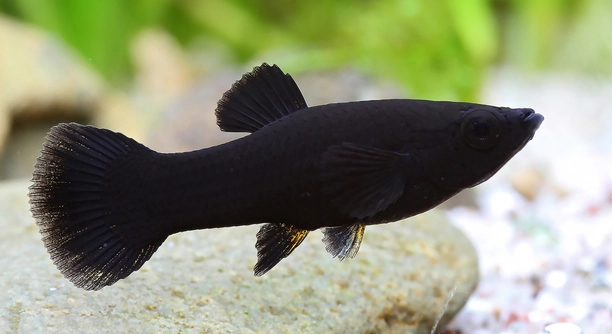
Do you ever notice your black molly lingering at the water’s surface, moving slowly but never fully leaving? Many fish owners find themselves watching this behavior, wondering why their usually active fish seem so focused on the top.
Black mollies often stay near the surface due to low oxygen levels in the water, temperature changes, or dietary needs. This behavior is a natural response to environmental conditions and signals that adjustments may be necessary to maintain their health.
Understanding these behaviors can help you improve your molly’s environment and overall well-being, ensuring a happier and healthier fish for years to come.
Low Oxygen Levels
When I first noticed my black molly constantly at the surface, I suspected the tank might not have enough oxygen. Fish need oxygen-rich water to thrive, and sometimes even a clean tank can lack proper circulation. Air stones, filters, or small water movements help increase oxygen distribution. Mollies, being surface-oriented by nature, often come up when oxygen is low. It’s important to monitor water quality and temperature because warmer water holds less oxygen. Regular partial water changes also improve oxygen levels and reduce waste buildup. Observing your fish’s behavior over a few days can reveal patterns and confirm if oxygen is the main issue. I adjusted my tank’s flow and added a small air stone, and slowly, my molly started swimming more freely throughout the tank, not just near the surface. Keeping consistent water parameters prevents stress and supports long-term health.
Low oxygen makes mollies seek the surface to breathe more efficiently, signaling the need for better aeration.
By maintaining good oxygenation, your molly will be more active and comfortable, reducing the constant surface hovering. Small changes can make a noticeable difference in behavior.
Diet and Feeding Habits
Mollies often swim near the top when they are hungry or seeking floating food. In my experience, they respond quickly to feeding schedules and prefer frequent, small portions. Overfeeding or underfeeding can disrupt their normal patterns, causing them to linger at the surface longer than usual. Adjusting diet to include high-quality flakes or occasional live foods keeps them active throughout the tank. I switched to feeding smaller amounts twice a day, and my black molly started exploring lower levels more often. Observing feeding behavior helps ensure your fish are getting enough nutrition without polluting the water.
Feeding changes can directly affect surface behavior, as mollies adapt quickly to new routines.
Adjusting diet and feeding routines can reduce stress and improve swimming patterns. Offering a balanced mix of nutrients encourages your molly to explore all areas of the tank instead of sticking near the top. Floating foods attract them to the surface naturally, while sinking foods promote movement to mid and lower levels. This variety also supports proper digestion and keeps the fish engaged, preventing boredom. Over time, I noticed a calmer, more active molly that no longer lingered excessively at the surface, showing a clear link between diet and behavior.
Water Temperature
Temperature changes affect how active black mollies are in the tank. Cooler water can make them sluggish and stay near the surface, while warmer water can increase oxygen demand. Maintaining a steady, moderate temperature helps them feel comfortable and reduces surface-hanging behavior.
I learned that fluctuations in my tank’s temperature made my molly hover at the top more often. Using a reliable heater and thermometer allowed me to keep the water stable between 75 and 80 degrees Fahrenheit, which is ideal for mollies. Gradual changes in temperature can stress fish, causing irregular swimming and lingering near the surface. Monitoring both day and night temperatures is important because minor drops can trigger the same behavior. I also found that keeping the tank away from windows and direct sunlight prevents sudden heat changes that make oxygen levels fluctuate. Stability in water temperature not only improves behavior but also supports their immune system and overall health.
Sudden temperature shifts can stress mollies, so keeping the water steady prevents frequent surface visits and promotes more natural swimming.
Consistent temperatures help maintain oxygen balance, reduce stress, and improve appetite. Mollies respond quickly to stable conditions, swimming more evenly across all tank levels. When I stabilized the temperature, my black molly began exploring decorations and plants instead of staying at the surface. Temperature control works together with proper aeration, diet, and water quality to create an environment that encourages natural behavior. Observing subtle changes in behavior after adjustments can confirm that temperature is a key factor. Over time, the fish become calmer, more active, and less fixated on surface areas, making the tank visually more dynamic and enjoyable.
Tank Size and Environment
A small tank can make black mollies feel confined, pushing them to the surface for more space. Larger tanks with plants and hiding spots encourage them to explore all levels.
I realized my molly stayed at the top because the tank was crowded with decorations and had limited open swimming areas. By rearranging plants and adding vertical space, the fish began using mid and lower areas more frequently. Mollies enjoy exploring and benefit from a tank that allows movement in all directions. Hiding spots reduce stress, while open swimming areas prevent constant surface activity. A balance between decorations and open space is essential.
Creating an engaging environment with adequate space and enrichment supports natural behavior. Mollies thrive in tanks that feel spacious, safe, and varied, reducing surface-focused swimming and promoting healthier, happier fish.
Water Quality
Poor water quality can make black mollies stay near the surface. High ammonia or nitrite levels cause discomfort, and frequent water testing is necessary to keep the tank safe.
I noticed my molly lingering at the top when the water became cloudy. Regular partial water changes and a good filter improved clarity and reduced toxins, encouraging the fish to explore lower areas. Keeping nitrate levels low and monitoring pH also helped. Clean water supports gill function and overall health, reducing the need to seek oxygen at the surface.
Stress and Tank Mates
Stress from aggressive tank mates or sudden changes can cause black mollies to remain at the surface. They need calm companions and a stable environment to feel secure and swim normally.
Lighting and Day-Night Cycle
Bright or inconsistent lighting can make mollies uncomfortable, causing surface behavior. Consistent, moderate lighting helps them establish a natural rhythm and reduces stress.
Breathing Behavior
Mollies sometimes surface to gulp air, which is natural. Observing the frequency helps determine if environmental adjustments are needed.
FAQ
Why is my black molly always at the surface?
Black mollies often stay near the surface because they are seeking oxygen, reacting to temperature changes, or responding to stress. In my tank, I noticed that low oxygen and sudden temperature shifts were the main reasons. Improving aeration and stabilizing the water helped the fish explore more levels.
Is it normal for black mollies to gulp air at the surface?
Yes, black mollies are partly surface-breathing fish. They have a specialized organ called a labyrinth organ that allows them to take in air directly. Occasional surface gulping is normal, especially if the tank is slightly warm. Excessive gulping can signal oxygen issues.
Can diet affect surface behavior?
Feeding plays a big role. Mollies may linger at the top if they are hungry or expect floating food. I found that giving smaller, frequent meals and including a mix of flake, frozen, or live foods encouraged my molly to explore mid-levels and bottom areas of the tank. Overfeeding or irregular feeding can worsen surface-hanging behavior.
Does tank size matter for surface behavior?
Yes, a small or overcrowded tank can make mollies feel confined, pushing them toward the surface. Adding decorations, plants, and vertical swimming space improved my molly’s movement. A tank that is too small reduces comfort and increases stress, so choosing a spacious tank is important.
Can water quality cause constant surface swimming?
Absolutely. High ammonia, nitrite, or nitrate levels make fish uncomfortable. My black molly stayed at the top when I delayed water changes. Frequent partial water changes, testing water parameters, and maintaining a strong filter improved behavior significantly. Clear, clean water reduces stress and supports normal swimming patterns.
Do tank mates influence surface behavior?
Aggressive or overly active fish can stress black mollies, making them hide or stay at the surface. I noticed calmer tank companions encouraged more natural swimming. Peaceful community fish and a balanced stocking level help mollies feel secure and reduce surface-hanging tendencies.
Can temperature fluctuations cause surface-hanging?
Yes, temperature changes directly affect oxygen levels and fish metabolism. My molly would linger at the top during cooler nights or sudden daytime heat. Maintaining a stable range between 75–80°F and avoiding direct sunlight improved activity and overall comfort.
Is lighting important for surface behavior?
Consistent lighting supports a natural day-night rhythm. Bright or flickering lights stressed my fish, leading to more surface visits. Moderate, stable lighting helps mollies explore all tank levels and feel secure, reducing surface-focused swimming.
How can I tell if surface behavior indicates a problem?
Occasional surface swimming is normal, but constant hovering, rapid gill movement, or lethargy suggests stress or poor tank conditions. Observing patterns over a few days and checking oxygen, temperature, and water quality helps determine if intervention is needed.
What quick changes can improve my molly’s comfort?
Adding an air stone, stabilizing temperature, adjusting feeding routines, and keeping water clean immediately improved my molly’s behavior. Small, consistent adjustments to tank conditions often result in noticeable changes in activity and swimming levels.
How long does it take for behavior to improve?
Improvements can be seen within a few days to a week after fixing oxygen, temperature, or water quality issues. In my experience, patience is key, as fish slowly adapt to better conditions. Monitoring progress ensures long-term health.
Can breeding or pregnancy affect surface swimming?
Yes, pregnant female mollies may spend more time at the surface or hiding. They are more sensitive to stress, water conditions, and tank mates. Providing calm surroundings and proper nutrition helps pregnant mollies feel secure and reduces constant surface activity.
Are there long-term effects of staying at the surface?
Constant surface-hanging can indicate stress, poor water quality, or low oxygen, which may affect health over time. Addressing environmental factors prevents potential problems like weakened immunity, slower growth, or increased susceptibility to disease.
Do decorations or plants help reduce surface behavior?
Yes, creating a varied environment encourages exploration of all tank levels. I added floating plants and mid-level structures, which gave my molly places to hide and explore. A balanced tank setup reduces surface-hanging and promotes more natural swimming.
Can I rely on supplements or chemicals to fix surface behavior?
Supplements alone won’t solve the issue if water quality, oxygen, or tank conditions are poor. I found that focusing on aeration, filtration, and stable conditions had a much bigger impact than adding chemicals. Maintenance and observation are more effective for long-term comfort.
Is frequent surface behavior a sign of illness?
Sometimes, but not always. If accompanied by lethargy, loss of appetite, or unusual markings, it could indicate illness. In my tank, addressing environmental factors first resolved surface behavior, but monitoring for other symptoms ensures the fish stays healthy.
How do I prevent surface-hanging in the future?
Consistent water changes, stable temperature, balanced diet, calm tank mates, and proper tank size keep mollies comfortable. I learned that prevention is easier than correction. Observing behavior daily and making small adjustments early keeps the fish active and healthy.
Are all black mollies prone to surface-hanging?
Surface-hanging varies between individuals. Some naturally prefer the top, while others swim throughout the tank. Understanding your fish’s habits and adjusting the environment ensures that even surface-preferring mollies stay healthy and stress-free.
What role does stress play in surface swimming?
Stress is a major factor. Sudden changes, aggressive tank mates, or overcrowding make mollies seek the top for safety. I noticed calmer, stable environments reduced surface-hanging significantly, showing that mental comfort is as important as physical conditions.
Can adding an air stone solve all surface-hanging issues?
An air stone improves oxygenation, but it may not fix other issues like diet, temperature, or stress. In my experience, combining aeration with stable conditions and proper feeding created the biggest improvement in surface behavior.
Is monitoring daily necessary for surface-hanging behavior?
Yes, daily observation helps catch changes in behavior early. I noticed subtle shifts in swimming patterns before serious issues appeared. Regular monitoring allows adjustments before the fish experience long-term stress or health problems.
How do I balance diet to reduce surface-hanging?
Offering small, frequent meals with a mix of flake, frozen, and live foods encourages natural exploration. I noticed my molly stopped lingering at the top when mid-level and bottom-feeding options were included. Balanced nutrition supports energy levels and overall health.
Can filtration affect surface behavior?
Yes, strong currents or poorly maintained filters can stress mollies, causing them to stick to calmer surface areas. I adjusted flow and cleaned the filter regularly, which improved swimming patterns and reduced stress-related surface behavior.
Are floating plants beneficial for surface-hanging mollies?
Yes, floating plants provide shelter and make the surface feel safer. I added a few, and my molly used the mid and lower areas more often, balancing exploration and comfort. Floating plants also help with oxygen exchange and shading.
What should I do if nothing seems to help?
If environmental adjustments don’t work, consult a fish specialist or vet. Sometimes, unseen health issues or subtle tank imbalances require professional guidance. I learned that careful observation and step-by-step changes usually resolve the problem, but experts can provide reassurance.
Can temperature, diet, and oxygen be adjusted simultaneously?
Yes, addressing multiple factors at once often speeds improvement. I stabilized the heater, adjusted feeding schedules, and added an air stone simultaneously, which significantly reduced surface-hanging behavior within days. Coordinated changes make the fish adapt faster and healthier.
How important is patience in correcting surface behavior?
Very important. Mollies adapt slowly. I noticed gradual improvement after stabilizing conditions. Daily monitoring, consistent adjustments, and patience ensure lasting behavior change without causing additional stress.
Do younger mollies behave differently than older ones?
Yes, younger mollies are more active and explore more, while older ones may spend more time near the surface. Adjusting tank conditions according to age helps maintain activity and reduces stress.
Can water hardness or pH cause surface behavior?
Extreme pH or hardness levels can stress mollies, encouraging surface-hanging. I tested and adjusted my water to match recommended ranges for black mollies, which helped normalize behavior and support overall health.
How often should I test water parameters to prevent surface-hanging?
Testing once a week is ideal. I combined weekly testing with partial water changes and filter checks. This routine caught problems early, preventing surface-hanging caused by low oxygen, toxins, or unstable water conditions.
Are surface-hanging mollies at risk of long-term health issues?
If left unchecked, yes. Stress, low oxygen, and poor water quality can weaken the immune system. I found that early intervention and stable tank conditions prevented these risks and encouraged normal swimming patterns for years.
Can social behavior influence surface swimming?
Yes, mollies are social. Isolated or stressed fish may hover at the surface. I ensured my molly had compatible companions, which promoted natural swimming and reduced constant surface visits. Social stability contributes to confidence and overall well-being.
Does water movement help reduce surface behavior?
Moderate water flow encourages exploration. Strong currents can stress fish, but gentle movement helps oxygenate and simulate a natural environment. I adjusted flow and noticed my molly using all tank levels more evenly.
Is surface-hanging a sign of boredom?
Sometimes. Lack of stimulation can make mollies linger at the top. I added plants and structures, which encouraged exploration, interaction with tank mates, and reduced repeated surface swimming.
Can seasonal changes affect surface behavior?
Yes, natural temperature or lighting shifts may change activity. I adjusted the heater and lighting during seasonal changes, helping maintain stability and keeping my molly comfortable year-round.
Are black mollies more sensitive than other fish?
They are somewhat sensitive to oxygen, temperature, and stress. Understanding their needs and monitoring daily ensures they remain active and healthy, reducing surface-hanging tendencies.
Does tank decoration placement matter?
Yes, proper spacing allows safe exploration. Overcrowding pushes fish to the surface. I balanced decorations and open swimming areas, improving movement and reducing stress-related surface behavior.
Can multiple minor adjustments improve behavior?
Yes, combining feeding, temperature, oxygen, tank mates, and decorations often solves surface-hanging faster than a single change. I implemented small, consistent adjustments and noticed my molly swimming naturally within days.
How do I track improvement effectively?
Observe swimming patterns daily, note changes in activity, and record water parameters. I kept a simple log and saw trends that confirmed improvements, making further adjustments easier and more precise.
Are surface-hanging mollies at risk during tank maintenance?
Yes, sudden changes during cleaning or water replacement can stress them. I performed slow, partial water changes and ensured stable conditions to prevent further surface-hanging or stress.
Can water additives help?
Only when used to correct specific issues like pH or hardness. They don’t replace proper care. I relied on consistent maintenance rather than frequent chemicals, which gave better long-term results.
Do mollies prefer calm water areas?
Yes, they often hover near the surface if currents are too strong. I provided calm zones and moderate flow, which encouraged exploration and reduced stress-related surface behavior.
How do I balance all factors together?
Focus on oxygenation, temperature, diet, water quality, tank mates, and decorations simultaneously. I found that coordinating adjustments creates the most natural and comfortable environment, reducing surface-hanging behavior efficiently.
Is patience more important than frequent changes?
Yes, slow, consistent adjustments allow mollies to adapt. Rapid or frequent changes cause stress and can worsen surface-hanging. Patience ensures lasting results.
How can I make surface visits healthy?
Provide floating plants and occasional feeding at the top. This satisfies natural instincts without signaling stress. I noticed my molly used the surface only when appropriate after implementing this.
Do environmental adjustments help all black mollies?
Mostly, yes. While individual personalities vary, stable conditions, proper diet, oxygenation, and social stability benefit nearly all mollies and reduce excessive surface behavior.
Can a combination of small factors cause surface-hanging?
Yes, minor issues in water, temperature, diet, or stress can accumulate. I addressed multiple small factors at once and saw the best improvement in my molly’s swimming behavior.
Is surface-hanging more noticeable in small tanks?
Yes, limited space exaggerates behavior. I noticed my molly spent less time at the top after moving to a larger, enriched tank, showing that space plays a critical role.
Should I worry if surface-hanging stops suddenly?
Only if other symptoms appear. Sudden changes can indicate illness or water issues. I monitored water and behavior closely whenever there was an abrupt shift to ensure health.
Can I prevent surface-hanging completely?
Not entirely, but proper tank care, feeding, oxygenation, temperature, and enrichment minimize it. I found that consistent attention keeps my molly healthy and active across all tank levels.
Does observing behavior help prevent future issues?
Yes, watching daily patterns allows early detection of stress, poor water quality, or diet problems. I tracked my molly’s habits and addressed small changes before they became serious.
Do black mollies adapt to changes quickly?
They adapt gradually. Sudden environmental shifts increase surface-hanging. I found slow, steady adjustments improved behavior more effectively than immediate changes.
Is surface-hanging ever harmless?
Occasional surface swimming is normal, especially during feeding or brief exploration. I learned to distinguish between normal behavior and signs of stress, which helped maintain a healthy environment.
Can multiple black mollies influence each other’s surface behavior?
Yes, they often mimic each other. I noticed when one stayed at the surface, others followed. Providing space, calm companions, and enrichment reduced this behavior across the tank.
How long should I monitor after adjustments?
A week or two is usually enough to see improvement. I monitored my molly daily after changes and noted steady progress in swimming behavior.
Are black mollies more sensitive to human interaction?
Some are. Excessive tapping or sudden movement can stress them, causing surface-hanging. I reduced disturbances near the tank and noticed calmer behavior.
Does tank placement in the room affect behavior?
Yes, direct sunlight, drafts, or frequent movement near the tank can stress mollies. I placed my tank in a stable, quiet area, which encouraged natural swimming and reduced surface time.
Can introducing new fish affect surface behavior?
Yes, new fish create stress until acclimated. I quarantined new additions and introduced them gradually, which minimized surface-hanging caused by social stress.
Are black mollies sensitive to water chemicals?
Yes, chlorine, chloramine, or heavy metals can stress them. I always treated tap water and monitored behavior, which prevented unnecessary surface-hanging and health issues.
Do mollies sleep near the surface?
Occasionally, yes. Mollies rest at various levels. I observed normal sleep behavior and distinguished it from stress-related surface-hanging, which is more continuous and active.
Can breeding groups increase surface-hanging?
Yes, competition or courtship can lead to more surface visits. I provided hiding spaces and calm companions, which balanced activity and reduced stress-related surface-hanging.
Does the type of food affect surface behavior long-term?
Yes, floating foods encourage surface visits, while sinking foods promote movement throughout the tank. I balanced both, which kept my molly active at all levels and satisfied natural instincts.
How do I know if my adjustments are enough?
Consistent observation, normal swimming, active feeding, and minimal surface-hanging indicate success. I tracked patterns and made small tweaks until behavior stabilized across all tank areas.
Can water hardness affect oxygen absorption?
Yes, extreme hardness can reduce oxygen availability. I adjusted hardness levels to recommended ranges for black mollies, which supported natural swimming and reduced surface visits.
Is it normal for black mollies to explore the surface occasionally?
Yes, occasional surface exploration is natural. My molly still visits the top during feeding or mild activity, which is part of normal behavior and not a concern.
Does a planted tank reduce surface-hanging?
Yes, plants provide mid and lower-level exploration and shade. I noticed my molly spent less time at the top after adding plants, which encouraged balanced activity.
Can black mollies learn from each other?
Yes, behavior can be copied. Observing calm fish reduces surface-hanging, while stressed individuals can increase it. I managed the social environment carefully to encourage natural swimming.
How often should I adjust environmental factors?
Gradually and only when necessary. Frequent changes can stress mollies. I made slow, consistent adjustments, which proved more effective in reducing surface-hanging.
Do older mollies behave differently at the surface?
Yes, older mollies may spend more time at the surface. Adjusting temperature, diet, and oxygen helps maintain activity and reduce stress in older fish.
Can algae affect surface behavior?
Yes, dense algae can reduce swimming space and oxygen at lower levels. I cleaned algae regularly, which encouraged my molly to use mid and bottom areas more often.
Is surface-hanging a sign of happiness?
Not always. While occasional visits are normal, constant surface-hanging usually signals stress or environmental issues. I focused on stable conditions to ensure my molly’s well-being.
Can seasonal temperature drops affect surface behavior?
Yes, sudden drops in room temperature make mollies hover at the top. I used a heater and insulated placement to maintain stable conditions and reduce stress-induced surface-hanging.
Do mollies react to room activity?
Yes, loud noises or sudden movement can stress them. I minimized disturbances near the tank, which resulted in calmer, more balanced swimming across all levels.
Does a balanced ecosystem reduce surface-hanging?
Yes, proper plants, tank mates, and clean water create a stable environment. I found my molly became calmer and more active throughout the tank when these factors were maintained.
Can surface-hanging indicate a future health problem?
If caused by stress, poor water, or oxygen issues, yes. I addressed all environmental factors early, which prevented long-term health problems and encouraged natural swimming.
Are black mollies naturally curious at the surface?
Yes, occasional surface visits are part of exploration. I distinguished between normal curiosity and stress behavior to maintain proper care.
Can floating feeding routines reduce stress?
Yes, scheduled floating feedings satisfy natural instincts while keeping mollies comfortable. I noticed reduced surface-hanging after establishing a consistent routine.
Do mollies need hiding spaces to reduce surface-hanging?
Yes, plants and decorations give security and encourage balanced swimming. I added hiding spots, which lowered stress-related surface behavior and improved overall activity.
Is surface-hanging affected by water flow direction?
Yes, strong currents push mollies to calmer surface zones
Black mollies are fascinating little fish with unique behaviors that often surprise their owners. One of the most common things you might notice is a black molly spending a lot of time near the surface of the tank. While it can be worrying at first, this behavior is often a signal from the fish about its environment or needs. Black mollies rely on oxygen from both the water and the air, and staying near the surface can be a natural way for them to get more oxygen. Temperature, water quality, tank size, and even the presence of other fish can all influence how often they swim near the top. Understanding these factors and observing your fish regularly helps in providing a safe and comfortable habitat. Paying attention to small changes in behavior can prevent stress or health issues before they become serious problems.
It’s important to remember that while occasional surface visits are normal, constant hovering may indicate that something in the tank needs attention. Many owners find that simple adjustments can make a big difference. For example, checking oxygen levels, adding gentle water movement, or ensuring consistent temperature often helps black mollies feel more comfortable. Feeding routines also play a role, as fish may linger at the top when hungry or waiting for floating food. Overfeeding, underfeeding, or irregular schedules can all lead to unusual surface behavior. Tank decorations and plants create a more engaging environment, giving your fish places to hide and explore at different levels. Even the choice of tank mates can affect how comfortable black mollies feel, as aggressive or overly active companions can increase stress. By addressing these factors thoughtfully, you can help your fish swim naturally and reduce constant surface-hanging.
Providing a stable and well-maintained tank goes a long way in supporting the health and happiness of black mollies. Regular water testing, partial water changes, proper diet, and a calm, enriched environment all contribute to balanced behavior. Mollies are sensitive to sudden changes, so consistency is key. Observing their behavior daily helps identify small problems before they become larger issues. While surface-hanging may catch your attention, it is often a manageable behavior with the right care. Patience, careful observation, and steady adjustments allow your black molly to thrive, exploring all areas of the tank with confidence. In the end, giving your fish a clean, stable, and enriched environment ensures they remain active, healthy, and comfortable in their home.

Hello,
If you enjoy the content that we create, please consider saying a "Thank You!" by leaving a tip.
Every little bit helps us continue crafting quality advice that supports the health, happiness, and well-being of pets around the world, for pets of all shapes, sizes, and species.
We really appreciate the kindness and support that you show us!