
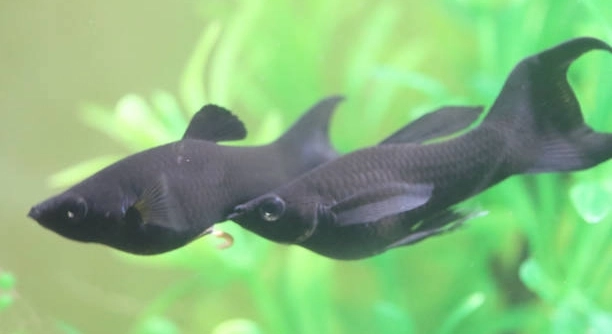
Black Mollies are popular freshwater fish that brighten up home aquariums. Many fishkeepers enjoy their lively colors and playful behavior but often wonder about the best environment for their health and comfort.
Black Mollies do not require a dark rest period like some nocturnal species. They benefit from a consistent light-dark cycle, typically 10-12 hours of light and 12-14 hours of darkness, which supports their natural activity and overall well-being.
Maintaining a proper light schedule is important for keeping your Black Mollies healthy and active in their aquarium environment.
Understanding Black Molly Behavior
Black Mollies are active fish that spend most of their time exploring their tank. They swim in groups and interact with their surroundings constantly. Their activity levels can be influenced by water temperature, diet, and light exposure. A balanced diet with vegetables, flakes, or pellets helps them stay healthy. Proper tank conditions, including clean water and stable pH, support their natural behavior. Observing how they react to different areas of the tank can indicate their comfort and stress levels. Overcrowding can make them hide more often, while a well-maintained environment encourages swimming and social interaction.
Providing enough space allows them to display natural behavior without stress.
Mollies are particularly sensitive to sudden changes in their environment. Introducing new tankmates, altering lighting schedules, or moving decorations can cause temporary hiding or reduced activity. Regular monitoring and gradual changes help them adapt. Observing their feeding and swimming patterns daily gives insight into their overall health. Small adjustments in water parameters, such as temperature or salinity, can improve their mood and activity levels. These steps ensure a lively and thriving aquarium without causing unnecessary stress.
Light and Rest Patterns
Black Mollies respond best to a steady light-dark cycle.
Consistent lighting helps maintain their internal rhythms. They need periods of darkness to rest, but this does not mean complete darkness all day. Too little light can reduce their activity, while too much can cause stress. Balancing light exposure ensures they remain healthy and active.
Light affects feeding, reproduction, and activity. Mollies tend to swim more and interact with tankmates during light periods. A timer can help maintain a reliable schedule, reducing the risk of irregular patterns. Dark periods allow their bodies to rest, but they do not require a cave or shaded area unless they choose to hide. Observing their natural behaviors during both light and dark times helps you understand what they prefer. Gradual adjustments in light timing are safer than sudden changes. In addition, some tank plants or decorations can offer shaded spots, providing optional retreat areas. This approach supports their well-being while keeping their environment stimulating and comfortable for daily activity.
Tank Setup for Comfort
A well-planned tank makes a big difference for Black Mollies. Provide open swimming space, hiding spots, and stable water conditions. Decorations and plants should not overcrowd the tank but offer areas to explore or retreat.
Temperature and water quality directly affect their comfort. Mollies thrive in temperatures between 72–78°F and slightly brackish water can improve health. Regular water changes prevent harmful buildup of nitrates and ammonia. Choosing smooth decorations prevents injuries, while floating or rooted plants give them a sense of security. Filtration is important but should not create strong currents, as Mollies prefer gentle water flow. Observing how they react to their environment can guide further adjustments.
Tank mates influence their activity. Peaceful species are ideal companions, as aggressive fish cause stress. Avoid overcrowding, which can lead to competition for food and territory. Providing enough space, hiding spots, and compatible companions keeps Mollies active and healthy. A carefully arranged tank enhances natural behaviors and reduces stress.
Feeding and Nutrition
Balanced nutrition supports growth and energy.
Feed Black Mollies small portions 2–3 times a day, alternating flakes, pellets, and vegetables. Overfeeding can harm water quality and fish health. Variety ensures they receive all necessary nutrients.
Vegetables like zucchini or spinach complement protein-based foods. High-quality flakes and pellets supply essential vitamins and minerals. Observing their eating habits shows if adjustments are needed. Uneaten food should be removed promptly to maintain clean water. Occasional treats like brine shrimp or daphnia provide enrichment and stimulate natural hunting behavior. Proper nutrition not only promotes growth but supports reproduction and coloration. Feeding with care encourages healthy activity patterns and minimizes stress in the tank environment.
Monitoring Health
Regular observation helps detect problems early. Watch for changes in swimming, appetite, or color. Any unusual behavior may indicate stress, illness, or poor water quality.
Routine checks of water parameters, like pH, temperature, and ammonia levels, prevent long-term health issues. Quick adjustments can keep your Mollies thriving.
Breeding Considerations
Black Mollies reproduce easily in home aquariums. Providing slightly brackish water and a balanced diet encourages breeding. Live plants or breeding mops give fry safe spaces. Remove aggressive tankmates to prevent harm to young fish. Monitoring water quality supports successful reproduction and healthy offspring.
Environmental Adjustments
Small changes can improve well-being. Adjust lighting, water flow, and tank décor gradually. Mollies respond positively to subtle modifications.
FAQ
Do Black Mollies sleep in complete darkness?
Black Mollies do not require complete darkness to rest. They benefit from a regular light-dark cycle, typically 12 hours of light and 12 hours of darkness. During the dark period, they become less active, often hovering or resting near plants or decorations, but they do not need a cave or total blackout. Consistent lighting helps maintain their natural rhythms, supporting feeding, swimming, and overall health.
How can I tell if my Black Mollies are stressed?
Stress can show in several ways. Mollies may hide excessively, swim erratically, or lose color. Appetite changes, such as refusing food or overgrazing, are also signs. Stress often comes from poor water conditions, aggressive tankmates, overcrowding, or sudden changes in lighting or temperature. Observing them daily helps catch early signs.
Is a dark rest period necessary for their growth?
A dark rest period is not strictly required for growth, but a consistent light-dark cycle promotes healthy metabolism and activity. Without regular darkness, they may become restless or display irregular behavior. Providing a balanced environment with adequate food, clean water, and proper lighting ensures healthy development.
Can Black Mollies live in a tank without plants?
Yes, they can survive without plants, but plants offer hiding spots and reduce stress. Live or artificial plants create shaded areas, giving them a sense of security. Plants also help maintain water quality by absorbing nitrates and providing surfaces for beneficial bacteria to grow.
Do they need brackish water to thrive?
Black Mollies can live in freshwater, but slightly brackish water often improves their health and coloration. Adding a small amount of aquarium salt can enhance immune function and make breeding easier. Any changes should be gradual to avoid shocking the fish.
How often should I change the water?
Water changes are crucial for maintaining stable conditions. Weekly changes of 20–25% of tank water help remove nitrates and other waste. Frequent monitoring of ammonia, nitrite, and pH ensures that your fish remain healthy and reduces the risk of disease.
What is the best diet for Black Mollies?
A varied diet is key. High-quality flakes or pellets provide essential nutrients, while vegetables like zucchini, spinach, or peas offer fiber. Occasional live or frozen foods, such as brine shrimp or daphnia, stimulate natural hunting behavior and add protein. Feeding small portions 2–3 times daily keeps them active.
How do I introduce new tankmates?
Introduce new fish gradually to avoid stress or aggression. Observe interactions carefully during the first few days. Peaceful, similarly sized species are best companions. Avoid aggressive or territorial fish that could harm Mollies, as this increases stress and can reduce activity or appetite.
Do Black Mollies need hiding spots at night?
Hiding spots are optional but helpful. Mollies may rest near plants or decorations during dark periods. While they do not require caves, providing shaded areas allows them to feel secure and reduces stress, especially when other fish are active in the tank.
Can irregular lighting affect their behavior?
Yes, irregular lighting can disrupt their natural rhythms. Too much light may cause stress, while too little reduces activity. Using a timer for a consistent schedule supports feeding patterns, swimming activity, and general well-being, keeping the fish comfortable and healthy.
Are there signs of illness linked to light exposure?
Changes in color, lethargy, or clamped fins can sometimes relate to poor lighting. Consistent light-dark cycles help prevent stress-related conditions. Monitoring behavior alongside water quality provides the best approach to keeping Mollies healthy.
Is it necessary to use a tank cover at night?
A tank cover is not required for rest but can reduce light intrusion from room lamps or sunlight. Limiting external light sources ensures a consistent dark period, allowing Mollies to rest without disturbances.
How long should I observe them after adjusting light or water conditions?
After any changes, monitor behavior for several days. Mollies may hide initially or swim differently as they adapt. Gradual adjustments and close observation help prevent stress and ensure that new conditions are suitable for their health.
Do they need extra care during breeding?
Breeding Mollies require slightly brackish water and hiding spots for fry. Removing aggressive tankmates protects the young. Maintaining clean water and providing nutritious food supports reproduction and healthy offspring. Gradual changes in conditions help prevent stress during breeding periods.
Can stress affect their lifespan?
Chronic stress can reduce lifespan by weakening the immune system. Maintaining stable water parameters, a proper light-dark cycle, and compatible tankmates helps Mollies live longer, healthier lives. Observing activity, feeding, and color regularly ensures they remain comfortable and active.
Do they prefer shaded areas during the day?
Shaded areas are optional during daylight. Mollies may rest or explore near plants and decorations, but they do not rely on constant shade. Providing a variety of swimming and hiding spaces allows them to choose their preferred spots, reducing stress and encouraging natural behavior.
How does water temperature influence rest and activity?
Temperature affects metabolism and energy. Mollies are most active between 72–78°F. Cooler water slows activity, while higher temperatures can increase stress. Maintaining stable temperature ensures regular rest patterns and supports feeding, swimming, and overall health.
Is it normal for them to hover at the surface at night?
Yes, occasional surface hovering can occur during resting periods. It is usually harmless if the tank conditions are stable. Watching for signs of distress or irregular behavior confirms that their environment supports healthy rest cycles.
How can I prevent overfeeding while keeping them healthy?
Feed small portions multiple times a day. Remove uneaten food promptly to prevent water pollution. A balanced diet with vegetables and protein-based foods provides necessary nutrients without overloading the tank, maintaining both health and water quality.
Do lighting schedules impact their reproduction?
Consistent light-dark cycles encourage normal reproductive behavior. Abrupt changes can reduce activity, stress fish, and affect breeding readiness. Gradual adjustments and steady conditions ensure Mollies remain healthy and maintain normal reproductive patterns.
What is the best way to introduce shaded spots in a tank?
Floating plants, artificial plants, or strategically placed decorations provide shaded areas. These options allow Mollies to rest or hide without restricting open swimming space. Observing their preferred spots helps fine-tune placement for comfort and activity balance.
Are artificial plants as effective as live plants?
Artificial plants provide hiding spots but do not improve water quality. Live plants offer both shelter and environmental benefits, like nutrient absorption and surfaces for beneficial bacteria. A combination can create a comfortable, healthy environment for Black Mollies.
How long should fry stay in separate areas after hatching?
Fry should remain in protected areas until large enough to swim freely without risk from adults. This period usually lasts several weeks. Regular water maintenance and proper feeding ensure healthy growth while reducing stress from tankmates.
Do Black Mollies require extra rest during illness?
When ill, Mollies may become less active naturally. Ensuring stable water, minimal disturbances, and proper nutrition allows their bodies to recover. Adjustments in lighting or hiding areas can help reduce stress during recovery periods.
Can too much light shorten their lifespan?
Excessive light can cause stress, reduce rest periods, and impact overall health. Consistent, moderate light schedules support regular activity and natural behaviors, contributing to longevity and well-being.
Is monitoring behavior more important than observing appearance?
Both are important, but behavior often shows early signs of stress or illness before color changes or fin deterioration appear. Watching swimming patterns, hiding, and feeding provides valuable insight into their health and comfort.
How often should I adjust tank décor?
Decor changes should be infrequent. Mollies need time to adapt to their environment. Sudden rearrangements can cause stress and hiding behavior. Gradual adjustments combined with observation support comfort and healthy activity.
Can multiple light sources confuse them?
Yes, inconsistent lighting can disrupt rest and activity patterns. Using a single timer or light source helps maintain a predictable schedule, reducing stress and promoting natural behaviors.
Do adult Mollies need more light than fry?
Adult and juvenile Mollies benefit from similar light schedules. Fry may prefer slightly more shaded areas for safety. Overall, maintaining consistent light-dark periods supports growth, health, and normal activity for all ages.
Is it necessary to observe them at night?
Observing at night is optional but can help identify abnormal resting behavior or stress. Mollies are less active in darkness, so noticing unusual activity may indicate environmental issues or health concerns.
How long do they typically rest each day?
Black Mollies rest for several hours during dark periods. Exact duration varies by activity level and environmental conditions. Providing consistent darkness ensures sufficient rest without disrupting natural activity patterns.
Can sudden room lights disturb their rest?
Yes, abrupt lighting can startle Mollies and interrupt rest. Using a tank cover or positioning the aquarium away from bright room lights helps maintain consistent dark periods, supporting healthy behavior and reducing stress.
Do Mollies need extra care during seasonal changes?
Seasonal temperature or lighting changes can affect activity. Gradual adjustments prevent stress. Maintaining water stability, consistent lighting, and proper nutrition helps Mollies adapt without compromising health or rest patterns.
Are there signs that rest periods are inadequate?
Rest periods may be insufficient if Mollies appear restless, swim constantly, or hide excessively. Consistent light-dark cycles, proper tank setup, and observation help maintain regular rest and normal behavior.
Do tank size and population affect their rest?
Yes, overcrowding or small tanks can increase stress, reducing rest quality. Sufficient space, compatible companions, and well-structured environments allow Mollies to rest and swim comfortably, supporting overall health.
Can rest periods impact color and activity?
Regular rest supports vibrant coloration and normal activity levels. Lack of darkness can lead to dull colors, reduced energy, and stress. Maintaining a steady light-dark schedule ensures balanced behavior and appearance.
Is it safe to adjust light gradually during winter?
Gradual adjustments in winter help maintain consistency without shocking the fish. Keeping light periods stable supports feeding, activity, and rest, reducing seasonal stress.
Black Mollies are resilient fish that can thrive in a variety of home aquarium setups. While they do not require complete darkness to rest, maintaining a consistent light-dark cycle is important for their overall health. A regular schedule helps them maintain normal activity patterns, supports feeding, and encourages proper metabolism. Observing your Mollies during both light and dark periods provides valuable insight into their behavior and comfort. Small adjustments in lighting, tank décor, or water conditions can make a noticeable difference in how active and calm they appear. Over time, paying attention to these factors allows you to create an environment where your Mollies can flourish naturally.
Proper tank setup plays a crucial role in ensuring Black Mollies remain healthy and comfortable. They need enough open swimming space, hiding spots, and stable water conditions to reduce stress. Plants, decorations, and other environmental features should be arranged thoughtfully, giving them the ability to explore while providing areas to retreat if they feel threatened. Water quality is particularly important, as Mollies are sensitive to high ammonia, nitrite, or nitrate levels. Regular water changes and monitoring of pH and temperature help maintain a safe environment. Even minor adjustments, such as repositioning a plant or changing the water slightly, can improve their behavior and overall well-being. By keeping the tank clean and organized, you are supporting not only their physical health but their natural activity and rest patterns.
Feeding and social care are equally important for Black Mollies. Providing a balanced diet that includes vegetables, high-quality flakes or pellets, and occasional live or frozen foods ensures they receive the nutrients needed for growth and energy. Overfeeding should be avoided to maintain water quality and prevent health issues. Additionally, choosing compatible tankmates and preventing overcrowding reduces stress and allows Mollies to display natural behavior. While they do not need a special dark rest period, creating shaded spots or areas of shelter can offer comfort and optional resting spaces. By focusing on proper nutrition, careful observation, and environmental consistency, you can help your Black Mollies live healthy, active, and long lives in your aquarium.

Hello,
If you enjoy the content that we create, please consider saying a "Thank You!" by leaving a tip.
Every little bit helps us continue crafting quality advice that supports the health, happiness, and well-being of pets around the world, for pets of all shapes, sizes, and species.
We really appreciate the kindness and support that you show us!