
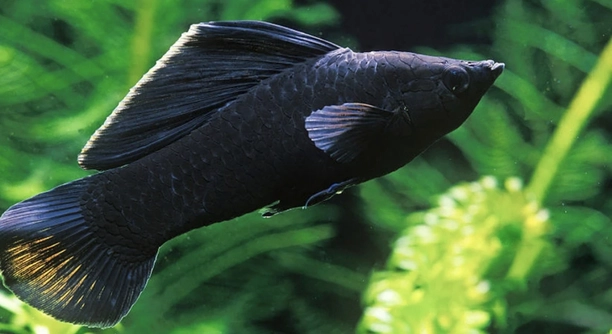
Black Mollies are lively fish that add charm to any aquarium. They enjoy calm environments but can easily become startled by sudden changes or unfamiliar situations in their tank surroundings.
Black Mollies are easily frightened by abrupt movements, loud noises, sudden water changes, strong currents, aggressive tank mates, bright flashes of light, and unfamiliar objects. Each of these factors can cause stress, impacting their behavior and overall health.
Learning about these triggers will help you maintain a calm tank and support your Black Molly’s well-being every day.
Sudden Movements in the Tank
Black Mollies are naturally cautious fish. When they see sudden movements, whether from your hands near the tank or objects falling into the water, they often react with stress. This reaction can include darting around quickly, hiding behind decorations, or even bumping into the glass. Over time, frequent startling can weaken their immune system and make them more susceptible to disease. They are particularly sensitive when swimming near the surface or in shallow areas. To prevent unnecessary stress, it is best to move slowly around the tank and avoid sudden gestures. Even quick hand movements during feeding or cleaning can startle them. Consistency in your actions helps Black Mollies feel secure, allowing them to swim freely and display natural behaviors. Small adjustments in your approach, like using a scoop or net carefully, can make a big difference. Their reactions are a signal of their comfort level, and respecting it fosters a calmer environment.
Keeping movements smooth and predictable helps Black Mollies feel safe and reduces stress in the aquarium.
Watching how they respond to gentle, slow actions gives insight into their personalities and helps you create a serene space where they can thrive. Regular, calm interaction strengthens your ability to notice when something is off, from illness to environmental changes. Over time, the fish may become more confident, exploring more openly and interacting less anxiously with tank mates. You might notice them lingering near plants or decorations they previously avoided, signaling trust and comfort in their surroundings. Adjusting lighting, water flow, and feeding routines in harmony with their behavior can also make them less jumpy. Their reactions are subtle, but paying attention helps maintain a healthy tank, promoting long-term well-being.
Loud Noises Around the Tank
Black Mollies are very sensitive to sound vibrations. Loud bangs or household noise can make them skittish and anxious.
Continuous loud sounds can disrupt their swimming patterns and make them hide for hours. Sudden noises like dropping items or slamming doors create shock waves in the water that they feel intensely. Even outside the tank, sounds like televisions or vacuum cleaners may affect them, especially if the tank is near these noise sources. Prolonged exposure to such disturbances may increase stress hormones, affecting growth and appetite. Black Mollies may become more territorial or aggressive with other fish under constant noise. To create a calmer environment, placing the aquarium in a quieter area or using sound-dampening materials around the tank can be beneficial. Adjusting feeding times to avoid noisy periods and maintaining consistent routines also supports their comfort. By being mindful of the sounds around the aquarium, you can help your Black Mollies remain healthy, active, and stress-free.
Sudden Water Changes
Frequent or abrupt water changes can scare Black Mollies. They are sensitive to shifts in temperature, pH, or hardness. Sudden changes can make them hide or swim erratically.
Even small changes in water chemistry can trigger stress responses. Black Mollies are accustomed to stable conditions, so rapid adjustments in temperature or pH can shock them. For instance, replacing a large portion of the tank water too quickly can cause them to panic. Gradual water changes, ideally 10-20% weekly, help them adjust smoothly. Using a water conditioner and matching temperatures carefully reduces stress. Monitoring the water with reliable test kits ensures their environment remains stable. Consistency is key to keeping Black Mollies comfortable, healthy, and active. Over time, they will respond calmly to routine maintenance if the changes are slow and predictable.
When performing water changes, take your time and observe how they react. Slow addition of new water while checking the temperature and chemistry helps them feel secure. Overly rapid changes can lead to long-term stress, making them more prone to disease and reducing their natural activity. Gradual acclimation ensures they remain healthy and continue swimming confidently, without fear or sudden hiding. Consistent care and attention to water quality make a noticeable difference in their behavior and overall well-being.
Aggressive Tank Mates
Black Mollies become nervous around aggressive or overly active fish. Constant chasing or nipping leads to stress and hiding.
Aggressive tank mates can dominate the space, leaving Black Mollies feeling trapped or threatened. Fish like cichlids or fin-nipping species can intimidate them, causing prolonged anxiety. This stress affects their appetite, growth, and immune system. Providing plenty of plants, hiding spots, and open swimming areas helps reduce tension. Introducing calm, compatible fish ensures Black Mollies can thrive without fear. Observation is crucial; even minor aggression can escalate, so separating aggressive individuals may be necessary to maintain a peaceful environment.
Creating a harmonious tank requires careful selection and monitoring. Black Mollies benefit from companions that are similar in size and temperament. Avoid overcrowding, as limited space can intensify conflicts. Plants, decorations, and shelters give them places to retreat when needed, minimizing stress and promoting natural behaviors. Over time, a well-planned community tank helps them swim confidently and interact positively. Balancing personalities and providing safe zones ensures that all fish, including Black Mollies, remain healthy, active, and stress-free while coexisting peacefully in the aquarium.
Bright Flashes of Light
Sudden bright lights can startle Black Mollies. They may dart around, hide, or become stressed when exposed to quick changes in lighting.
Consistent lighting with gradual changes helps them feel secure. Using a tank light on a timer creates a predictable day-night cycle, reducing anxiety.
Unfamiliar Objects in the Tank
New decorations or objects can frighten Black Mollies. They are cautious around anything unfamiliar and may avoid areas where new items are placed. Adding items slowly and observing their behavior helps them adjust without stress.
Strong Currents
Strong water currents can overwhelm Black Mollies. They prefer gentle flows and may struggle or tire when currents are too powerful, leading to stress and hiding.
How can I reduce stress for my Black Molly?
Reducing stress starts with creating a stable environment. Keep the water temperature consistent and maintain regular water changes with gentle adjustments. Avoid sudden movements around the tank, loud noises, or bright flashes of light. Provide plenty of plants and hiding spots so your fish feel secure. Monitor tank mates to ensure they are compatible and not aggressive. A calm, predictable routine for feeding and maintenance helps your Black Molly feel safe. Over time, these small changes can make your fish more confident and active.
Why does my Black Molly hide so often?
Hiding is usually a sign of stress or fear. Sudden water changes, aggressive tank mates, strong currents, or unfamiliar objects can cause them to seek refuge. Black Mollies naturally look for shelter when they feel threatened, so hiding is a normal coping behavior. Ensuring there are plenty of plants, caves, or decorations gives them secure spots to retreat. Observing their hiding patterns can help identify the triggers and make adjustments in their environment. Consistent care and a calm tank reduce frequent hiding over time.
Can loud noises really harm my Black Molly?
Yes, loud noises affect them more than many people realize. Vibrations travel through the water and can startle your fish, causing erratic swimming, hiding, or stress. Continuous exposure may affect their immune system, appetite, and overall health. Place the tank away from frequent loud activities, and try to minimize sudden bangs or drops nearby. Using quiet filters and avoiding high-traffic areas in the home can make a significant difference. Calm surroundings contribute to a happier and healthier Black Molly.
How do I introduce new objects safely?
When adding new decorations, place them slowly and allow the fish time to explore. Avoid dropping items in quickly or changing the layout all at once. Black Mollies need time to adjust to new shapes and spaces. Watching their reactions is important; if they hide excessively or act stressed, remove or reposition the object gradually. Adding one item at a time is better than multiple changes at once. This approach helps maintain stability in the tank while allowing your fish to adapt without anxiety.
What is the best way to manage water currents?
Strong currents can tire out or stress Black Mollies. Using adjustable filters or adding decorations that break the flow can create gentler water movement. Observe how your fish swim; if they struggle or constantly retreat, the current may be too strong. Gentle circulation keeps the water clean without overwhelming them. Providing areas with calm water allows them to rest and reduces stress.
Are aggressive tank mates always a problem?
Not always, but careful selection is important. Aggressive or overly active fish can chase, nip, or intimidate Black Mollies, causing stress and hiding behavior. Keep species with similar size and temperament together. Adding plenty of plants and hiding spots reduces tension. If aggression continues, separating the fish may be necessary to ensure a peaceful environment. Monitoring interactions regularly is essential to prevent prolonged stress and protect their health.
How important is lighting for Black Mollies?
Lighting affects both their behavior and health. Sudden bright lights or frequent changes can scare them, while consistent, gentle lighting helps them feel secure. Using a timer to create a natural day-night cycle allows your fish to adjust naturally. Avoid abrupt light changes during feeding or maintenance, and provide shaded areas or plants for hiding when needed. Proper lighting supports activity, reduces stress, and encourages natural behavior.
How often should I check my Black Molly’s environment?
Regular monitoring is key. Check water temperature, pH, and overall cleanliness frequently. Observe your fish for signs of stress, unusual hiding, or changes in appetite. Quick action on small issues prevents bigger problems. Keeping a consistent schedule ensures your Black Mollies remain healthy, active, and less prone to stress.
Can Black Mollies adapt to new tanks easily?
They can, but adaptation takes time. Gradual introduction, stable water conditions, and gentle care help them adjust without stress. Adding plants, hiding spots, and observing behavior during the first days makes the transition smoother. Avoid overcrowding and provide calm surroundings to encourage confidence and reduce fear in their new environment.
What signs show that my Black Molly is stressed?
Stress can appear as hiding, darting around, clamped fins, or loss of appetite. They may also become less active or avoid certain areas. Identifying these signs early helps you make adjustments to water quality, tank mates, lighting, or feeding routines. Maintaining a calm, stable environment is the best way to reduce stress and keep your Black Molly healthy.
How do I safely feed Black Mollies under stress?
Offer small, regular meals rather than large portions. Ensure food is appropriate for their diet and easy to find in the tank. Feeding in calmer areas with less disturbance allows them to eat comfortably. Stress can reduce appetite, so patience is important. Maintaining consistent feeding routines and gentle interaction helps them regain confidence.
What role do plants and decorations play in reducing fear?
Plants and decorations give Black Mollies places to hide and feel secure. They create natural boundaries and break lines of sight, reducing stress from aggressive tank mates or sudden movements. Dense planting encourages exploration without fear, while open areas let them swim freely. Balancing shelter with open space supports both security and activity.
How can I prevent long-term stress in Black Mollies?
Consistency is crucial. Regular water changes, gentle movements, compatible tank mates, stable lighting, and calm surroundings prevent stress from accumulating. Observing behavior, reacting quickly to problems, and providing hiding spots ensure they remain healthy. Long-term attention to their environment encourages confidence, activity, and overall well-being.
Is it normal for Black Mollies to startle easily?
Yes, they are naturally cautious fish. Startling behavior is common, especially with new tanks, sudden movements, or loud noises. Over time, consistent care and a stable environment reduce this behavior, allowing them to swim confidently and explore their surroundings without constant fear.
How do I balance activity and safety for Black Mollies?
Provide enough space for swimming while including shelters for safety. Observe interactions with tank mates and adjust environment elements like plants or decorations. A balanced tank encourages natural activity without overwhelming them. This approach keeps Black Mollies engaged, healthy, and less prone to stress.
What is the impact of temperature changes on Black Mollies?
Rapid temperature shifts can cause shock and stress. Black Mollies prefer stable, warm water. Gradual adjustments during water changes or equipment setup prevent panic, hiding, or erratic swimming. Maintaining a heater or monitoring ambient temperature ensures they stay comfortable and healthy.
How do I introduce a new Black Molly to an existing tank?
Acclimate the new fish slowly using a drip or float method. Allow time for water parameters to match, and monitor for signs of stress. Introduce gradually to reduce fear and aggression from tank mates. Providing hiding spaces ensures a smooth transition and minimizes panic.
How can I tell if my Black Molly is comfortable in its tank?
Comfortable fish swim confidently, explore the tank, and feed regularly. They use hiding spots occasionally but don’t stay hidden constantly. Observing consistent, relaxed behavior indicates that your Black Molly feels safe, reducing fear and stress while encouraging natural activity.
What should I do if stress signs persist?
Persistent stress may require reevaluating the tank setup, water quality, or tank mate selection. Isolate aggressive individuals if needed, adjust water flow, and ensure consistent lighting. Providing calm, stable conditions over time helps reduce ongoing anxiety and promotes long-term health.
Can I prevent all fear triggers for Black Mollies?
While not all triggers can be eliminated, many can be managed. Careful attention to water, tank mates, currents, lighting, and handling minimizes stress. Observation, consistency, and a calm environment significantly reduce fear, helping your Black Mollies live healthy, active lives.
How long does it take for a stressed Black Molly to recover?
Recovery depends on the cause and severity. Minor stress can resolve within hours to days with calm conditions. Severe or prolonged stress may take weeks. Consistency, patience, and careful observation support their return to normal behavior and well-being.
Are young Black Mollies more easily frightened than adults?
Yes, juveniles are generally more sensitive to changes, movements, and aggressive tank mates. They require extra care, gradual exposure to new items, and safe spaces to explore. Adults may tolerate more activity, but consistent care benefits all ages equally.
Does diet affect fear responses?
Proper nutrition supports immune function and energy, helping Black Mollies cope with stress. Poor diet can worsen reactions to fear triggers. Feeding high-quality, balanced food in small, regular portions ensures resilience and overall health.
How often should I monitor stress indicators?
Daily observation is ideal. Watch for changes in swimming patterns, hiding, feeding, or interactions with tank mates. Early detection allows quick adjustments to the environment, preventing prolonged stress and maintaining healthy, active fish.
Can I train my Black Mollies to feel less scared?
Yes, gentle, consistent interaction helps. Approaching the tank slowly, maintaining routine feeding, and avoiding sudden movements gradually reduces fear. Over time, they may swim closer, explore more, and respond calmly to your presence.
Is water quality the biggest factor in Black Molly stress?
Water quality is crucial but not the only factor. Stable temperature, pH, hardness, low noise, gentle handling, compatible tank mates, and hiding spots all contribute to reducing stress. Consistent attention to all these areas ensures comfort and well-being.
How do I adjust lighting to prevent fear?
Use a timer for gradual transitions, avoid sudden bright flashes, and provide shaded areas or plants. Gentle, consistent lighting simulates natural day-night cycles, reducing panic and encouraging natural behavior in Black Mollies.
Can overcrowding increase fear responses?
Yes, overcrowding raises stress and aggressive interactions. Each fish needs adequate space to swim and hide. Proper stocking levels and plenty of hiding spots prevent tension, reduce fear, and maintain health in the tank.
What role do hiding places play during stress recovery?
Hiding spots provide refuge during stressful moments. They allow Black Mollies to regain confidence, reduce exposure to aggressive tank mates, and recover from sudden changes. Adequate shelter supports both safety and natural exploration, helping fish feel secure in the environment.
How long should acclimation take for new tank mates?
Acclimation should be gradual, often over several hours for water parameters and initial interaction. Observing behavior during this period ensures that new fish integrate safely without causing fear or aggression among Black Mollies.
Are Black Mollies naturally timid or easily frightened?
They are naturally cautious and respond to potential threats quickly. Timid behavior is normal, and providing stable conditions, calm surroundings, and safe spaces reduces excessive fear while promoting confidence and healthy activity.
How do I know if hiding behavior is normal or stress-related?
Occasional hiding is normal, but constant or frantic hiding indicates stress. Observe triggers such as aggressive fish, sudden movements, or water changes. Adjusting the environment and reducing stressors will help them regain confidence and reduce unnecessary hiding.
What are common signs of fear after a sudden change?
Darting, clamped fins, hiding, reduced feeding, or staying in corners are common signs. Recognizing these behaviors quickly allows you to stabilize conditions, reduce stress, and prevent long-term health issues.
Can repeated stress affect lifespan?
Yes, chronic stress can weaken immunity, slow growth, reduce appetite, and make Black Mollies more prone to disease. Maintaining calm, stable conditions supports long-term health and longevity.
How do I introduce new decorations without causing fear?
Place items slowly, observe reactions, and avoid abrupt changes. Introducing one object at a time allows Black Mollies to explore safely. Providing nearby plants or hiding spots reduces anxiety and encourages gradual adaptation.
Does the size of the tank affect fear levels?
Smaller, overcrowded tanks increase stress and hiding behavior. Black Mollies need space to swim freely and avoid aggressive fish. Adequate size, hiding spots, and calm surroundings promote confidence and reduce fear responses.
Can water temperature fluctuations trigger hiding behavior?
Yes, sudden changes can cause panic or erratic swimming. Gradual adjustments and stable heating prevent stress and encourage natural activity. Observing their reactions during changes helps ensure comfort and safety.
Are Black Mollies sensitive to human presence?
They notice movements and vibrations near the tank. Calm, slow interactions reduce stress, while sudden approaches or tapping on glass can startle them. Consistent gentle presence encourages trust and natural behavior.
Can overfeeding contribute to stress?
Yes, excess food can pollute water and create strong currents from agitation during feeding. This leads to stress and hiding. Small, consistent meals maintain water quality and reduce anxiety in Black Mollies.
How can I tell if a water change is stressing them?
Signs include frantic swimming, hiding, clamped fins, or refusal to eat. Gradual water replacement, careful temperature matching, and gentle introduction prevent shock and help maintain calm during maintenance.
Do Black Mollies remember frightening experiences?
They can associate sudden movements, aggressive tank mates, or poor water conditions with fear. Consistent care and predictable routines help them feel safe and reduce repeated panic responses over time.
Is it better to add plants or decorations first?
Plants offer both hiding and swimming opportunities, making them ideal to add first. Decorations can follow gradually. This approach provides comfort and security, allowing Black Mollies to adapt with minimal stress.
How does water hardness affect fear responses?
Sudden changes in hardness can stress Black Mollies. Gradually adjusting parameters and monitoring with test kits ensures they feel comfortable and reduces hiding or panic behaviors. Stable water chemistry supports overall health and calm behavior.
Can young Black Mollies handle strong currents?
No, juveniles are weaker swimmers and can tire quickly. Gentle currents and calm areas are essential for their safety and stress reduction. Providing sheltered spots lets them rest while building strength.
Does adding new fish always cause fear?
New tank mates can trigger hiding and stress, especially if the newcomers are active or aggressive. Slow introduction, hiding spots, and monitoring interactions reduce fear and support a peaceful tank environment.
Are Black Mollies more frightened in small tanks?
Yes, limited space makes them feel trapped, increasing hiding and stress. Providing ample swimming areas and shelters helps them feel secure, even in smaller setups.
Can temperature control devices reduce fear?
Yes, stable heaters and thermometers prevent sudden changes that cause panic. Consistent temperatures reduce stress and support natural activity and feeding behaviors.
How do I gradually acclimate water changes?
Replace 10-20% weekly and match temperature and chemistry. Adding water slowly allows Black Mollies to adjust without panic, maintaining health and reducing stress.
Is hiding always negative?
No, occasional hiding is natural. It provides security, reduces stress, and allows them to feel safe. Problems arise when hiding becomes constant or frantic, indicating environmental issues.
Can rearranging decorations cause fear?
Yes, sudden changes can confuse and stress them. Move one item at a time, observe reactions, and provide nearby plants or shelters to minimize anxiety.
Do Black Mollies respond to gentle feeding routines?
Yes, calm and consistent feeding encourages confidence. They learn to associate the presence of food with safety, reducing fear and promoting regular activity.
How can I tell if aggressive fish are stressing my Black Mollies?
Frequent hiding, darting, loss of appetite, or clamped fins are signs. Providing shelters, observing interactions, and separating aggressive individuals prevents long-term stress and promotes health.
Are all Black Mollies equally timid?
Individual personalities vary. Some are naturally bold, others cautious. Providing stable conditions, hiding spots, and gentle handling helps each fish adapt and feel safe according to its temperament.
Can water filters be too strong?
Yes, strong filters create currents that tire and stress Black Mollies. Use adjustable flow settings or decorations to reduce intensity and create calm areas.
Do Black Mollies get used to regular noise?
Yes, predictable background noise can be tolerated over time, but sudden or loud sounds will still startle them. Consistency helps them feel secure.
What’s the best way to reduce overall stress?
Maintain stable water conditions, calm lighting, gentle movements, compatible tank mates, hiding spots, and consistent feeding routines. Observation and small adjustments create a comfortable environment, reducing fear and promoting health.
Can stress affect reproduction?
Yes, stressed Black Mollies may refuse to breed or show lower fertility. Calm, stable conditions with ample hiding spots improve confidence and increase the likelihood of successful breeding.
Is it normal for them to dart after being startled?
Yes, rapid movement is a natural response to perceived danger. They usually settle once the environment returns to calm conditions.
How often should I observe their behavior?
Daily observation is best. Watching for hiding, darting, feeding, or interactions helps detect stress early and allows for timely adjustments to their environment.
Do Black Mollies need hiding spots even without stressors?
Yes, shelters provide comfort, reduce occasional anxiety, and encourage natural exploration. Even in calm conditions, they use plants and decorations to feel secure.
Can rearranging tank layout slowly prevent fear?
Yes, moving one item at a time and allowing adaptation reduces stress. Gradual changes help them explore confidently without panic.
Do Black Mollies recognize familiar tank mates?
Yes, familiarity reduces anxiety and territorial behavior. Stable communities make them feel secure, reducing hiding and stress responses.
How important is gradual exposure to new stimuli?
It is very important. Gradual introduction to new objects, fish, or changes prevents fear, allowing Black Mollies to adapt comfortably and maintain healthy behavior.
Can water quality testing reduce fear?
Yes, keeping water parameters stable prevents sudden stress and ensures a comfortable environment. Regular testing detects issues before they impact your fish.
How do I calm Black Mollies after a stressful event?
Provide hiding spots, maintain calm surroundings, avoid sudden movements, and monitor water quality. Consistent care allows them to recover quickly and regain confidence.
Do Black Mollies benefit from observing others in the tank?
Yes, watching calmer fish can reduce anxiety. Observing other fish helps them learn safe behavior patterns and feel more secure in the environment.
Is it okay to touch decorations near them?
Yes, gentle movements are fine if done slowly. Avoid sudden drops or shifts, which can startle and stress your Black Mollies.
How do I balance light, space, and hiding for comfort?
Provide moderate lighting with shaded areas, open swimming space, and plenty of hiding spots. This balance ensures they feel secure, reducing stress and promoting natural activity.
Can frequent tank cleaning stress them?
Yes, abrupt cleaning or moving items can frighten them. Clean gradually, maintain water quality, and minimize sudden disturbances to keep them calm.
Do Black Mollies get used to human presence?
Yes, slow and gentle interaction over time makes them more comfortable, reducing fear when you approach the tank.
Is sudden movement in front of the tank always negative?
Yes, it startles them and can lead to hiding, darting, or panic.
Black Mollies are gentle and sensitive fish that respond strongly to changes in their environment. They can be easily startled by sudden movements, loud noises, strong currents, or new objects in the tank. Even minor disruptions can cause stress, which may affect their behavior, appetite, and overall health. Observing their natural reactions helps you understand what makes them comfortable and what causes fear. Providing a stable environment with calm surroundings, gentle water flow, and consistent care is essential. By keeping water conditions steady and maintaining predictable routines, you help your Black Mollies feel secure. Small adjustments in lighting, temperature, and feeding schedules can also make a noticeable difference in reducing stress. When their environment is stable, they swim more confidently and show natural behaviors that make them enjoyable to watch.
Hiding places, plants, and decorations play an important role in reducing fear and providing comfort. Black Mollies feel safer when they have areas to retreat to, especially if the tank includes more active or aggressive tank mates. Dense plants and tunnels offer protection and allow them to explore at their own pace. Even in calm tanks, hiding spots are beneficial because they give fish a sense of control over their surroundings. Gradual introductions of new items or fish prevent unnecessary panic. Observing their reactions helps identify any changes in behavior that might indicate stress. Over time, your fish will grow accustomed to new objects or companions if the adjustments are made slowly. Paying attention to their preferences and needs ensures they remain active, healthy, and less prone to fear-related behaviors.
Consistent care and gentle attention are key to keeping Black Mollies happy. Avoid sudden water changes, rapid temperature fluctuations, and excessive noise near the tank. Use slow and careful movements during feeding, cleaning, or tank maintenance. Select compatible tank mates and provide enough space for swimming and hiding. Regular monitoring of water quality and fish behavior helps prevent stress before it becomes a problem. By maintaining a predictable and calm environment, you encourage natural activity, healthy feeding habits, and long-term well-being. Over time, your Black Mollies will show confidence, swim more openly, and interact with their surroundings without fear. Paying attention to these simple aspects creates a peaceful and safe aquarium that supports the health and happiness of your fish.

Hello,
If you enjoy the content that we create, please consider saying a "Thank You!" by leaving a tip.
Every little bit helps us continue crafting quality advice that supports the health, happiness, and well-being of pets around the world, for pets of all shapes, sizes, and species.
We really appreciate the kindness and support that you show us!