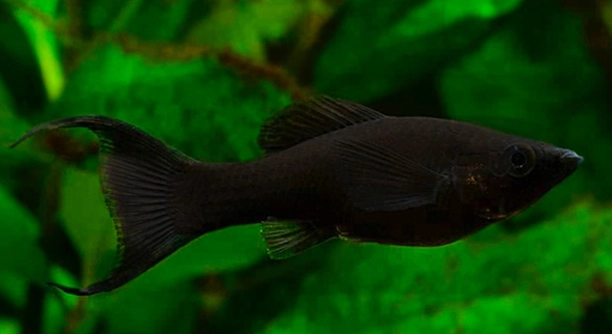
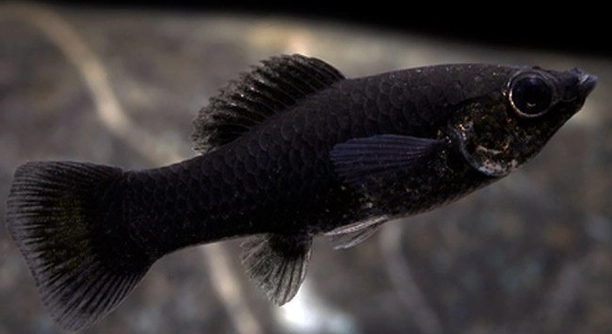
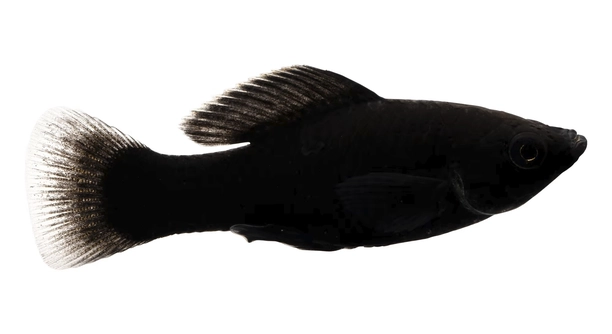
7 Hidden Issues with Overstocked Black Molly Tanks
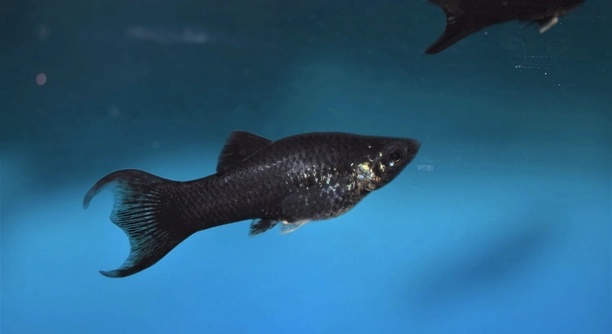
Many fishkeepers enjoy keeping Black Mollies because of their lively personalities and striking appearance. However, overstocking a tank can quietly create challenges that are not always obvious to even experienced aquarists. Overstocking Black Molly tanks can lead to water quality deterioration, increased aggression, stress among fish, stunted growth, and a higher susceptibility to diseases. These … Read more
7 Habits That Keep Black Molly Active

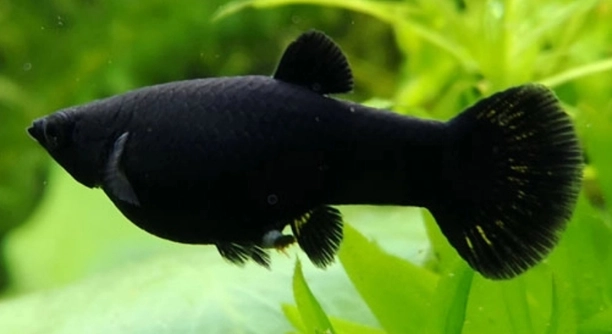
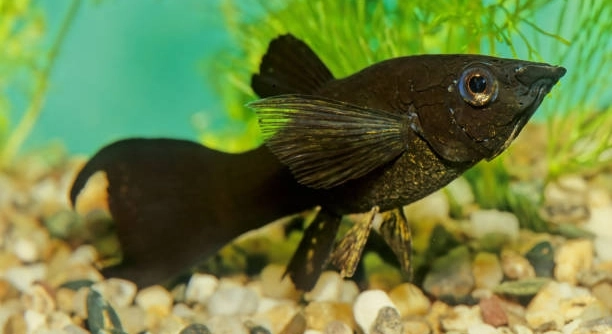
Keeping Black Molly fish active in your home aquarium can be both fun and rewarding. These small, lively fish respond well to care routines, tank setup, and feeding habits that encourage consistent movement and healthy behavior. Ensuring Black Mollies remain active involves maintaining stable water conditions, providing a balanced diet, offering enough swimming space, including … Read more

Do Black Molly Like Real or Fake Plants?

Black Mollies are lively fish that brighten up any freshwater aquarium. Many fishkeepers want their tanks to look natural and inviting, often debating the best type of plants to include. The choice between real and fake plants can affect their environment. Black Mollies can adapt to both real and artificial plants, but they often benefit … Read more

7 Ways to Make Tank Cleaning Easier for Black Molly

Keeping a Black Molly tank clean can feel like a constant task, especially when algae and debris build up quickly. Regular maintenance is key to maintaining a healthy and comfortable environment for these lively fish. Proper tank cleaning for Black Molly fish involves a combination of regular water changes, substrate vacuuming, filter maintenance, and careful … Read more

Can Black Molly Live in a Divided Tank?

Do you enjoy keeping Black Molly fish but find yourself wondering how they adapt to divided tanks? Many aquarium enthusiasts consider tank dividers to manage space, yet the impact on fish behavior remains important to understand. Black Mollies can live in divided tanks as long as each section provides adequate space, proper water conditions, and … Read more

Can Black Molly Recover After Tank Shock?

Do you ever notice your Black Molly swimming sluggishly after a sudden water change or temperature drop? Watching them struggle can be worrying, especially when you want your tank to be a safe, healthy environment. Black Mollies can recover from tank shock if stress factors are quickly addressed. Providing stable water conditions, proper nutrition, and … Read more

Can Black Molly Survive in Low Oxygen Water?

Do you ever find yourself noticing your Black Molly swimming sluggishly in the tank, leaving you wondering if it is handling the water around it well? Watching them glide can be both relaxing and worrisome at times. Black Mollies can survive in low oxygen water for short periods, but prolonged exposure can lead to stress, … Read more

7 Tank Features Black Molly Enjoy the Most

Do you enjoy keeping Black Molly fish and want to make their tank more comfortable? Understanding their preferences can help you create a healthier and more engaging environment for these lively fish. Proper care begins with small adjustments. Black Molly fish prefer tanks with gentle water flow, consistent temperature, ample hiding spots, live plants, open … Read more

Why Does My Black Molly Rub on Plants?

Do you ever notice your black molly swimming close to the plants in your aquarium, brushing its body against the leaves? Observing this behavior can be intriguing, as it seems intentional and consistent throughout the day. Black mollies often rub on plants to remove parasites, relieve skin irritation, or mark their territory. This behavior is … Read more

7 Early Signs of Internal Issues in Black Molly

Do you ever notice your Black Molly swimming differently or hiding more than usual in the tank? Observing your fish closely can reveal subtle changes that hint at potential health concerns early on. Internal health issues in Black Mollies often manifest through changes in appetite, lethargy, unusual swimming patterns, bloating, or discoloration. Recognizing these early … Read more