
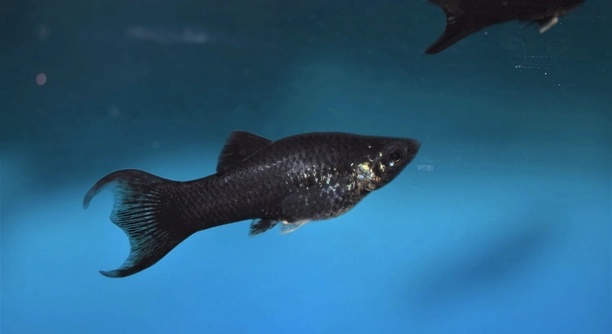
Many fishkeepers enjoy keeping Black Mollies because of their lively personalities and striking appearance. However, overstocking a tank can quietly create challenges that are not always obvious to even experienced aquarists.
Overstocking Black Molly tanks can lead to water quality deterioration, increased aggression, stress among fish, stunted growth, and a higher susceptibility to diseases. These issues can significantly impact fish health and overall tank stability if not addressed promptly.
Recognizing the hidden effects of overcrowding is essential for maintaining a healthy, thriving aquarium environment for Black Mollies.
Poor Water Quality
When a Black Molly tank is overstocked, maintaining clean water becomes difficult. High fish density increases waste, uneaten food, and debris, which leads to spikes in ammonia, nitrites, and nitrates. Over time, these toxic compounds stress the fish, reducing immunity and making them more prone to illness. Even with regular water changes, overstocked tanks often struggle to maintain stable water chemistry. The filtration system may not cope with the extra load, causing cloudy water and odor issues. Stress from poor water quality can trigger aggressive behavior, loss of appetite, and sluggish movement. Over time, chronic exposure to poor conditions can shorten lifespans and stunt growth. It is important to monitor water parameters closely and avoid adding more fish than the tank can safely support. Small tanks are especially vulnerable, as the balance between fish, plants, and filtration is harder to maintain. Ensuring proper water quality is critical for keeping Black Mollies healthy and active in the tank.
Monitoring water parameters daily can prevent long-term damage and keep fish healthier and more active.
Keeping a tank balanced requires more than just regular water changes. Overstocked tanks need careful feeding, efficient filtration, and constant observation. Uneaten food should be removed immediately to prevent ammonia spikes. Adding live plants can help absorb some nitrates, but plants alone cannot compensate for too many fish. Proper aeration ensures oxygen levels remain sufficient, as crowded tanks deplete oxygen faster. Regular testing of ammonia, nitrite, and nitrate levels helps detect problems early. Stress management is also essential; fish under constant pressure may become aggressive or hide excessively. By taking these steps, you can reduce the negative effects of overstocking and maintain a stable, safe environment for Black Mollies to thrive.
Increased Aggression
Overcrowding often triggers fighting among Black Mollies, causing injuries and stress.
Aggressive behavior tends to escalate when fish feel confined or compete for space, food, or hiding spots. In overstocked tanks, even minor conflicts can lead to fin nipping, scratches, and constant chasing. Stress from aggression can weaken immune systems, making fish more susceptible to infections and reducing their overall vitality. Males are particularly prone to territorial disputes, but females can also become tense in crowded conditions. Providing enough hiding places and visual barriers can help, but in extreme overcrowding, aggression may persist despite interventions. Consistent observation and separating overly aggressive individuals can prevent serious harm. Reducing stocking levels is often the most effective long-term solution. Even minor improvements in space and territory distribution can significantly lower stress and aggression. By addressing aggression proactively, you protect the well-being and lifespan of each Black Molly in the aquarium.
Stunted Growth
Overstocked Black Molly tanks often result in stunted growth. Fish compete for food, and slower eaters may not get enough nutrition. Crowding limits space for swimming, which also affects healthy development and muscle formation.
Limited access to nutrients in a crowded tank can prevent Black Mollies from reaching their full size. Even if food is provided, competition can mean some fish consistently miss meals, weakening them over time. Swimming in tight spaces reduces exercise, which slows growth and can cause deformities. Stress from constant crowding further disrupts metabolism and hormonal balance, contributing to smaller overall size. Maintaining proper stocking levels and ensuring each fish receives adequate food is essential for healthy development.
Proper tank setup and feeding strategies can mitigate some stunting risks. Using feeding rings or target feeding ensures that all fish get enough nutrition. Offering high-quality, varied diets supports growth even in moderately stocked tanks. Providing open swimming areas and hiding spots reduces stress and allows fish to move naturally, promoting muscle development. Consistent water quality management also plays a key role, as toxins from overcrowding can directly affect growth rates. Careful planning helps Black Mollies reach their optimal size and stay healthy throughout their lifespan.
Higher Disease Risk
Crowded tanks make Black Mollies more vulnerable to disease due to stress and poor water quality.
High density increases the spread of pathogens, parasites, and fungal infections. Close contact allows diseases to transmit quickly, affecting multiple fish at once. Stress weakens immune systems, making even minor infections more severe and harder to treat. Overcrowding also encourages fin damage from aggression, which can serve as entry points for bacteria. Maintaining quarantine protocols and prompt treatment is difficult in tightly packed tanks. Preventive measures like consistent water testing, regular cleaning, and maintaining proper stocking levels are critical for reducing disease outbreaks and protecting overall fish health.
Proper care requires more than treating symptoms. Monitoring fish behavior helps detect illness early, including changes in appetite, swimming patterns, or physical appearance. Using medications carefully and isolating infected fish can limit the spread of disease, but these measures are only effective if overcrowding is addressed. Balanced diets and clean, stable water further strengthen immunity, helping Black Mollies resist infections naturally. Overcrowded tanks often make these precautions less effective, as stress and constant exposure to pathogens continue. Reducing fish numbers, providing hiding spaces, and avoiding overfeeding are essential steps to maintain a disease-resistant environment. Regular observation and proactive adjustments keep fish healthy and reduce the risk of long-term health issues.
Oxygen Depletion
Overstocked tanks often have lower oxygen levels because more fish consume oxygen faster than it can naturally replenish. Poor aeration can lead to gasping fish and lethargy. Regularly checking oxygen levels and adding aeration devices can prevent serious health issues.
Plants and filters alone may not supply enough oxygen in crowded conditions. Aeration stones or increased water movement help maintain proper levels and reduce stress caused by oxygen scarcity.
Increased Stress
Crowded Black Mollies experience constant stress due to limited space and frequent encounters with tankmates. Stress affects appetite, immunity, and overall behavior, making fish more vulnerable to illness and aggression.
Poor Breeding Success
Overcrowding reduces breeding success as Black Mollies need space and calm to reproduce. Stress and competition prevent females from developing eggs properly and can lead to lower fry survival rates.
How many Black Mollies should be kept in a single tank?
The ideal number of Black Mollies depends on tank size, filtration, and decor. A general guideline is one inch of fish per gallon, but this works best in moderately stocked tanks. Overstocking beyond this limit increases waste, stress, and disease risk. For a standard 20-gallon tank, around 6 to 8 adult Black Mollies is manageable. Smaller tanks require fewer fish to maintain water quality and space for swimming. Monitoring fish behavior helps determine if the stocking level is too high, as signs of aggression or sluggish movement indicate overcrowding. Adjusting numbers and ensuring adequate filtration will keep the tank healthier and fish more active.
What signs indicate my Black Mollies are stressed due to overcrowding?
Stress manifests in behavior, physical condition, and appetite. Fish may hide constantly, swim erratically, or avoid feeding areas. Aggression and fin-nipping become more frequent in crowded tanks. Physical signs include faded color, clamped fins, or frayed tails. Reduced appetite and slower growth are also common indicators. Stress lowers immunity, making fish more susceptible to illness. Monitoring water parameters can confirm whether overcrowding is a factor, as poor water quality often accompanies stress. Correcting stocking levels, improving aeration, and adding hiding spots can significantly reduce stress levels, helping fish regain natural behavior and color. Regular observation is essential for timely intervention.
How can I prevent disease in a crowded Black Molly tank?
Disease prevention starts with maintaining water quality. Frequent water testing, partial water changes, and efficient filtration reduce ammonia, nitrites, and nitrates. Avoid overfeeding, as excess food accelerates waste accumulation. Providing hiding spaces minimizes aggression injuries that can become infection points. Quarantining new fish before adding them to the tank prevents introducing pathogens. Feeding a high-quality diet strengthens immunity. In overstocked conditions, early signs of illness must be treated promptly, as infections can spread quickly. Reducing the number of fish remains the most effective long-term measure to lower disease risk. Consistent maintenance, careful observation, and preventive care together maintain a healthier environment.
Can overcrowding affect breeding success in Black Mollies?
Yes, overcrowding negatively impacts reproduction. Female Black Mollies need space and calm conditions to develop eggs and spawn successfully. Excessive stress from crowding can disrupt hormonal cycles, reducing egg production. Fry survival decreases in densely populated tanks, as competition for food and limited hiding spots make them more vulnerable. Providing separate breeding tanks or reducing overall tank population improves breeding outcomes. Regular water changes and proper nutrition are also essential to support reproductive health. Monitoring the behavior of both males and females helps ensure breeding conditions are favorable and that fry have a better chance of thriving.
What are the best strategies to reduce stress in overstocked tanks?
Increasing hiding spots and visual barriers reduces aggression and provides refuge for timid fish. Proper filtration and aeration maintain water quality and oxygen levels. Feeding multiple times a day in small amounts prevents competition and ensures all fish get enough nutrition. Maintaining a consistent routine helps reduce anxiety, as fish respond poorly to sudden changes. Removing aggressive individuals temporarily or permanently can also ease tension. Observation is key to identifying stress triggers early. Regularly checking water parameters, spacing decorations for swimming room, and keeping a balanced population ensures a calmer environment and healthier fish.
How does water quality affect Black Mollies in crowded tanks?
Poor water quality is one of the most serious issues in overstocked tanks. High ammonia, nitrite, and nitrate levels stress fish, cause fin rot, and weaken immunity. Excess waste and leftover food worsen the problem, making filtration less effective. Stable water chemistry is essential for metabolism, growth, and disease resistance. Overcrowding increases the frequency of water changes needed to maintain balance. Testing water regularly and performing partial changes help control toxins. Adding plants or improving filtration can assist, but overstocking limits their effectiveness. Maintaining optimal water conditions is critical for keeping Black Mollies healthy and active.
Is it possible to fix overcrowding without reducing the number of fish?
Partial fixes include improving filtration, adding aeration, and creating more hiding spaces. Frequent water changes and careful feeding can reduce stress and maintain water quality. However, these measures only mitigate problems temporarily. Overcrowding fundamentally limits space and resources, meaning fish will still experience stress and competition. Long-term solutions typically require reducing the population to a sustainable level. Temporary adjustments can buy time, but consistent monitoring and care are essential to prevent serious health issues.
What long-term effects does overcrowding have on Black Mollies?
Chronic stress, stunted growth, and frequent illness are common long-term outcomes. Fish may develop weaker immune systems, making them prone to recurring infections. Aggressive behavior can persist even after adjustments if established hierarchies cause ongoing tension. Lifespan may shorten, and reproductive success declines. Overcrowded fish often display muted colors and low activity levels. Maintaining a balanced population and proper tank conditions early on prevents these long-term consequences and ensures healthier, more active Black Mollies. Regular observation and proactive care are crucial to sustaining fish well-being in any tank setup.
This FAQ section covers the most common concerns related to overstocked Black Molly tanks, providing practical advice for healthier fish and a more stable aquarium environment.
Overstocking a Black Molly tank can create a range of problems that are often overlooked until they become serious. When too many fish are kept in a limited space, water quality deteriorates quickly. High levels of ammonia, nitrites, and nitrates stress the fish and can lead to illness. Filtration systems may not keep up with the waste produced, and even frequent water changes may not fully correct the imbalance. Overcrowding also reduces swimming space, which affects natural behavior and muscle development. Fish that cannot move freely may become sluggish, stressed, and more prone to disease. Maintaining a properly stocked tank ensures each fish has enough room to swim, access food, and thrive without constant stress.
Aggression and competition are common consequences of overcrowding. Black Mollies may become territorial, fin-nip, or chase each other frequently. This behavior increases stress and can lead to injuries or infections. Even minor aggression becomes more serious when there is little space to escape or hide. Providing hiding spots, visual barriers, and open swimming areas can help, but these measures cannot fully replace the benefits of appropriate stocking levels. Stress also affects breeding success, as females require calm conditions to develop eggs and fry need space to grow safely. Reducing fish numbers to match tank size is the most effective way to minimize aggression and improve overall health.
Preventing long-term health issues in Black Mollies starts with careful planning and monitoring. Regular water testing, consistent feeding routines, and maintaining proper filtration are all critical steps. Observing fish behavior helps identify early signs of stress or illness. Even minor adjustments, such as rearranging decorations, adding aeration, or separating aggressive individuals, can improve tank conditions. However, sustainable solutions rely on keeping a balanced number of fish in the tank. By managing population, providing sufficient space, and ensuring stable water quality, Black Mollies can live longer, stay active, and display their natural colors and behavior. Consistent care and attention to tank conditions are essential for creating a healthy environment where all fish can thrive.

Hello,
If you enjoy the content that we create, please consider saying a "Thank You!" by leaving a tip.
Every little bit helps us continue crafting quality advice that supports the health, happiness, and well-being of pets around the world, for pets of all shapes, sizes, and species.
We really appreciate the kindness and support that you show us!