
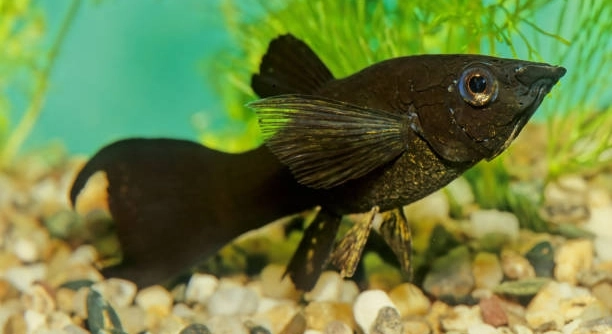
Do you ever notice your Black Molly swimming differently or hiding more than usual in the tank? Observing your fish closely can reveal subtle changes that hint at potential health concerns early on.
Internal health issues in Black Mollies often manifest through changes in appetite, lethargy, unusual swimming patterns, bloating, or discoloration. Recognizing these early signs allows timely intervention, reducing the risk of severe illness and ensuring the overall well-being of the fish.
Understanding these early warning signs will help you take proper care and maintain a healthy environment for your Black Molly. Paying attention now can prevent serious problems later.
Changes in Appetite
When I first noticed my Black Molly refusing food, it felt subtle at first. Over a few days, the fish would nibble less or ignore its favorite flakes entirely. This change in appetite is often one of the earliest signs of internal issues. Fish that suddenly stop eating may be dealing with digestive problems, parasites, or organ stress. It’s important to observe them during feeding times and compare their behavior with other tank mates. Sometimes the problem is temporary, caused by stress or water changes, but consistent refusal to eat signals that something deeper may be wrong. Adjusting water quality, checking temperature, and observing overall activity can give clues about the cause. If the appetite does not improve, consulting with a veterinarian experienced with fish is a wise step. Early attention can prevent the condition from worsening and help the fish recover faster.
Monitoring feeding habits closely helps detect early signs of illness before physical symptoms appear.
Recognizing appetite changes can save your Black Molly from more severe health issues. Subtle differences, like picking at food without swallowing or swimming away after tasting, indicate that internal organs may not be functioning properly. Combining careful observation with good water quality management ensures the fish has a better chance of returning to normal eating patterns without developing complications.
Lethargy and Reduced Activity
Lethargy is noticeable when your Black Molly spends more time hiding or resting at the bottom of the tank instead of swimming actively.
Reduced activity can indicate internal problems such as digestive issues, infections, or poor water conditions. Fish that are normally active but suddenly sluggish may need intervention.
Lethargy in Black Mollies often appears alongside other subtle symptoms, like slow response to movement outside the tank or delayed reaction to feeding. Environmental factors, including sudden temperature drops, excess ammonia, or overcrowding, can contribute to inactivity, but persistent lethargy is usually linked to internal health issues. Observing your fish throughout the day can provide important clues, as activity levels fluctuate naturally. Maintaining clean water, stable temperature, and proper diet are essential for encouraging normal behavior. If these adjustments do not improve activity, it is advisable to consult a professional, as prolonged lethargy can worsen underlying conditions and increase the risk of serious illness.
Unusual Swimming Patterns
Sudden changes in swimming, like spiraling, darting, or floating near the surface, often signal internal discomfort. Black Mollies that struggle to maintain balance may have swim bladder problems or other organ-related issues.
Observing your fish, I noticed my Molly often tilted slightly while swimming. These irregular movements can result from infections, internal parasites, or dietary problems affecting buoyancy. In some cases, swim bladder issues make it difficult for the fish to stay upright or swim steadily. Environmental stressors, such as uneven water temperature or poor filtration, can worsen the behavior. Keeping a consistent feeding schedule and monitoring water quality helps identify patterns linked to internal health. If irregular swimming persists, seeking advice from a professional familiar with fish health is important. Early action can prevent complications and support recovery, ensuring the fish regains normal swimming behavior over time.
Consistent monitoring of swimming behavior helps detect health problems early. Even subtle differences in posture, speed, or direction can indicate internal stress, so tracking changes daily provides valuable insight into your Black Molly’s well-being.
Bloating and Swelling
Visible bloating in Black Mollies is a serious sign of internal issues. Swelling around the abdomen often signals digestive or organ-related problems, which need prompt attention.
I noticed my Molly’s belly gradually expanding, even though its diet hadn’t changed. Bloating can result from overfeeding, constipation, or fluid retention caused by organ malfunction. Infections or parasites can also lead to abdominal swelling. Observing the firmness of the belly and changes in color can provide clues about the underlying problem. Maintaining proper tank hygiene and adjusting feeding routines often helps, but persistent bloating requires professional intervention to avoid more serious complications. Monitoring other behaviors, like lethargy or appetite loss, alongside bloating gives a clearer picture of overall health.
Treating bloating early increases recovery chances. Ignoring swelling can worsen internal issues, making interventions more difficult. Regular observation, careful feeding, and clean water are key steps to support your Black Molly’s recovery and prevent recurring problems.
Discoloration
Black Mollies that start losing their vibrant color or develop pale patches often have underlying health issues. Changes in coloration can indicate stress, infections, or organ problems affecting overall vitality.
I noticed my Molly’s black hue fading slightly over a week. Color changes can also result from poor water quality, improper lighting, or nutritional deficiencies. Consistent monitoring of water parameters and providing a balanced diet often restores normal coloration. Persistent or sudden discoloration, however, requires further attention, as it may signal a deeper internal problem needing professional care.
Rapid Gill Movement
Rapid gill movement is a clear indicator that your Molly is struggling internally. This can be caused by oxygen deficiency, infections, or internal organ stress.
When my Molly started breathing faster than usual, I immediately checked the water. Gill movement that is consistently faster than normal signals that something is affecting respiratory efficiency. Factors like ammonia spikes, poor filtration, or parasites can make breathing difficult. Observing gill color and movement alongside activity levels helps identify if intervention is needed. Ensuring proper aeration and water quality often reduces strain, but persistent rapid gill movement requires careful attention and possible veterinary advice.
Unexplained Weight Loss
Noticing a thinner body in a previously healthy Black Molly can indicate serious internal issues. Weight loss often occurs despite normal feeding and signals organ or digestive problems.
Frequent Hiding
Fish that suddenly hide more than usual may be experiencing internal discomfort or stress. Hiding often accompanies illness, bloating, or lethargy.
How can I tell if my Black Molly is sick internally?
Internal illness in Black Mollies often shows through subtle changes before obvious symptoms appear. Watch for changes in appetite, unusual swimming patterns, bloating, rapid gill movement, discoloration, lethargy, or frequent hiding. Even small deviations from normal behavior can indicate internal stress. Observing your fish daily allows you to spot these early signs and take steps to address potential health issues before they worsen. Environmental factors like water quality, temperature, and diet can influence these symptoms, so monitoring these consistently helps you determine whether the problem is internal or external.
What should I do if my Black Molly stops eating?
A sudden refusal to eat is a common early sign of internal problems. First, check water parameters including temperature, pH, and ammonia levels, as stress or poor conditions can reduce appetite. Try offering high-quality, easily digestible foods and observe whether the fish shows interest over a few days. If the appetite does not improve, internal infections, parasites, or digestive issues may be the cause. Consulting with a veterinarian or experienced aquarist is advisable in persistent cases, as early intervention increases the chance of recovery and prevents more serious complications.
Why is my Black Molly lethargic?
Lethargy often indicates internal discomfort or illness. Reduced movement may be caused by organ stress, infections, or digestive problems. Environmental stressors, including sudden temperature changes or high ammonia levels, can worsen lethargy. Observing the fish’s behavior in combination with water quality and feeding patterns helps pinpoint the cause. Gradual recovery can occur when the tank environment is optimized, but persistent inactivity should be treated as a warning sign, and professional guidance may be necessary to address underlying health issues.
What causes bloating in Black Mollies?
Bloating is typically caused by overfeeding, constipation, or internal organ problems. Parasites and bacterial infections can also lead to abdominal swelling. When I noticed my Molly’s belly expanding, I adjusted feeding amounts and improved tank cleanliness, which helped in minor cases. Persistent or sudden bloating requires professional evaluation to prevent further health complications. Observing other symptoms, such as changes in swimming or appetite, alongside bloating, gives better insight into the underlying problem. Early attention often makes treatment more effective and helps the fish recover faster.
How do I handle unusual swimming patterns?
Irregular swimming, such as tilting, spiraling, or floating near the surface, can indicate internal health problems. Swim bladder issues, organ infections, or parasites often cause these patterns. I noticed my Molly struggling to stay upright after a minor infection, which improved with water adjustments and proper nutrition. Observing the fish’s movements closely, maintaining stable temperature, and checking water quality are key steps. Persistent swimming issues require consultation, as untreated internal problems can lead to serious complications.
Why is my Black Molly changing color?
Color fading or pale patches often indicate stress, nutritional deficiency, or internal illness. I noticed slight discoloration when water quality fluctuated. Maintaining proper water conditions and a balanced diet helps restore normal coloration. Sudden or severe changes may point to deeper internal problems and should be addressed promptly to prevent long-term health effects.
When should I consult a vet for my Black Molly?
You should consult a vet when symptoms persist beyond a few days despite proper care. Signs like prolonged appetite loss, severe bloating, persistent lethargy, unusual swimming, or rapid gill movement indicate internal issues that may require professional intervention. Early consultation improves the chances of effective treatment.
How can I prevent internal issues in Black Mollies?
Maintaining clean water, stable temperature, balanced diet, and proper tank conditions are essential. Regular observation helps catch early signs of illness. Avoid overfeeding, overcrowding, and sudden environmental changes, as these factors can stress the fish and trigger internal health problems. Routine maintenance and vigilance are key to long-term health.
What are the risks of ignoring early signs?
Ignoring early signs like appetite loss, bloating, lethargy, or unusual swimming can lead to severe illness or death. Minor issues can escalate quickly, and once internal organs are severely affected, recovery becomes more difficult. Early intervention is crucial to protect your fish’s health and well-being.
Are some Black Mollies more prone to internal issues than others?
Fish with weaker immune systems, poor diet, or stressful tank conditions are more vulnerable. Genetics may play a role, but environmental factors are usually the main cause. Proper care, diet, and monitoring greatly reduce the risk of internal problems and support a longer, healthier life for your Mollies.
Black Mollies are sensitive creatures, and their health often shows through small changes in behavior or appearance. By paying attention to these early signs, you can prevent minor issues from turning into serious problems. Changes in appetite, swimming patterns, bloating, rapid gill movement, discoloration, lethargy, or frequent hiding are all signals that something might be wrong internally. Observing your fish on a daily basis is the best way to catch these warning signs. Even small differences, like nibbling less at food or hiding a little more than usual, can indicate stress or illness. Maintaining a clean tank, consistent water temperature, and proper feeding routine helps reduce stress and supports their overall health. When these small observations are combined with good tank care, your Black Molly is more likely to stay healthy and active.
Internal health issues in Black Mollies often develop slowly, which means early attention is key. Addressing problems as soon as you notice changes improves recovery chances and reduces the risk of severe complications. For example, if you notice bloating, adjusting feeding amounts or checking water quality can help, but persistent swelling may require professional care. Similarly, unusual swimming patterns may improve with stable tank conditions, but ongoing difficulty could indicate internal organ issues. Rapid gill movement is often a sign of stress or oxygen problems, and taking steps to improve aeration or water quality can make a big difference. Being proactive rather than reactive ensures that your fish can recover faster and maintain normal behavior. Observing multiple signs together, rather than just one, gives a clearer picture of the fish’s health and allows for timely intervention.
Even with careful attention, Black Mollies may still face health challenges. Having a plan for monitoring water conditions, feeding a balanced diet, and providing regular maintenance is essential. Keeping track of behavioral changes over time helps you identify patterns that may indicate internal issues before they become serious. In cases where symptoms persist, consulting a veterinarian experienced with fish is the safest choice, as professional guidance can prevent further complications. Small adjustments to diet, tank environment, and care routines often make a noticeable difference in their recovery. By observing closely, maintaining a healthy tank, and acting promptly when problems appear, you can help your Black Molly live a longer, healthier life. Consistency in care and attention to subtle changes is the best way to support their well-being and keep them thriving in their aquatic environment.

Hello,
If you enjoy the content that we create, please consider saying a "Thank You!" by leaving a tip.
Every little bit helps us continue crafting quality advice that supports the health, happiness, and well-being of pets around the world, for pets of all shapes, sizes, and species.
We really appreciate the kindness and support that you show us!