
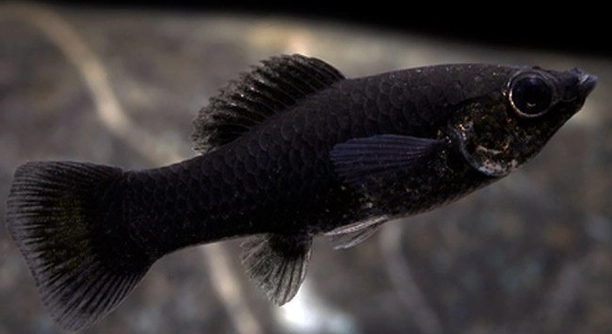
Do you enjoy keeping Black Molly fish but find yourself wondering how they adapt to divided tanks? Many aquarium enthusiasts consider tank dividers to manage space, yet the impact on fish behavior remains important to understand.
Black Mollies can live in divided tanks as long as each section provides adequate space, proper water conditions, and compatible tank mates. Dividers prevent aggressive interactions while allowing social observation, supporting both physical health and behavioral stability.
Understanding the right conditions for divided tanks helps ensure your Black Mollies remain healthy and stress-free in their aquatic environment. Proper setup can make all the difference in their daily life.
Setting Up a Divided Tank for Black Mollies
Creating a divided tank requires careful planning to ensure your Black Mollies thrive. Each compartment must be large enough for swimming and exploration. Adequate filtration and water circulation are essential to maintain consistent water quality across all sections. Temperature stability is another crucial factor; Black Mollies prefer slightly brackish water between 75°F and 82°F. Decorations and hiding spots help reduce stress, even when a divider limits direct interaction. Transparent dividers allow fish to see each other, which can support natural social behavior without causing aggression. It’s important to monitor their behavior regularly, adjusting decorations or divider placement if signs of stress appear. Feeding should be done carefully, ensuring all fish receive adequate nutrition, as competition can still occur near the divider. Regular water testing helps detect issues early. With attention to space, water conditions, and enrichment, a divided tank can support healthy and active Black Mollies comfortably.
Proper water balance in each section is vital for the fish’s long-term health and reduces potential stress-related illnesses.
Monitoring each section for aggression, feeding issues, and water quality ensures that all Black Mollies remain active, healthy, and stress-free. Over time, slight adjustments may be needed to maintain equilibrium and happiness in the tank.
Managing Behavior and Social Interaction
Even in divided tanks, Black Mollies are social creatures and need visual interaction with others to remain stimulated.
Dividers prevent direct aggression but do not remove all social needs. Black Mollies observe neighbors through the barrier, maintaining a sense of community. However, some individuals may display territorial behavior near the divider. Monitoring these behaviors helps determine if rearranging the divider or adding hiding spots is necessary. Feeding routines should be structured so no section is overcrowded during meals. Compatible tank mates on either side of the divider reduce stress and support natural behaviors. Consistent maintenance, including water changes and temperature checks, ensures that all fish adapt well to the divided environment. Over time, observation of their interactions can inform adjustments to the tank layout, promoting calm and balanced social interaction while still preventing direct conflicts between individuals in separate sections. This approach supports both health and behavioral enrichment for Black Mollies.
Feeding Black Mollies in a Divided Tank
Feeding requires attention to ensure all Black Mollies receive proper nutrition. Even with dividers, competition at the food source can occur, so distribute food evenly across sections to prevent stress and malnutrition.
Providing a balanced diet is essential for Black Mollies’ growth and health. High-quality flake or pellet food supplemented with live or frozen options, like brine shrimp or bloodworms, ensures they get protein and nutrients. Feed small amounts multiple times a day to prevent overfeeding, which can degrade water quality. Observing each section during feeding helps ensure no fish is being deprived or overfed, maintaining both health and calm behavior in the divided tank.
Feeding in divided tanks also requires patience. Black Mollies may take time to adjust to where the food is placed. Gradually introducing a consistent feeding routine helps reduce stress and ensures all fish know where to find their meals. Observing them during feeding can highlight any issues with aggression or food hoarding. Adjusting feeding locations or methods ensures every fish eats sufficiently, supporting growth, vitality, and overall well-being while keeping water quality stable.
Cleaning and Maintenance Tips
Regular maintenance keeps the tank environment stable and healthy for all Black Mollies.
Cleaning a divided tank requires care to avoid disturbing the fish. Partial water changes should be done weekly, targeting each section individually to maintain balanced water conditions. Remove uneaten food and debris to prevent harmful bacteria buildup. Filter maintenance is crucial; clean or replace filter media as recommended without fully disrupting beneficial bacteria. Decorations and hiding spots may also need periodic rinsing. Monitoring water parameters, including pH, ammonia, nitrite, and nitrate levels, ensures each section remains safe. Keeping consistent temperature and salinity supports the fish’s health. Attention to these details prevents stress and disease, helping Black Mollies thrive in a divided environment.
Neglecting maintenance can quickly lead to water quality issues and stress among Black Mollies. Maintaining clean water, proper filtration, and stable temperature promotes healthy growth and reduces the risk of illness. A well-maintained tank allows natural behaviors to continue even with dividers, as the environment remains safe and balanced. Observing each compartment helps identify early signs of problems, such as uneaten food or aggressive behavior near the divider. By committing to regular upkeep, the tank remains visually appealing and functional while supporting the long-term health of every Black Molly.
Choosing the Right Divider
Selecting a suitable divider is crucial for a safe and comfortable tank. Transparent, sturdy materials prevent injury while allowing fish to see each other, maintaining social interaction without direct contact.
Ensure the divider fits securely to avoid gaps. It should be easy to clean and resistant to algae buildup. A good divider also allows water to flow between sections, keeping conditions consistent. Avoid sharp edges or flimsy materials that could harm Black Mollies or collapse over time, compromising the tank’s stability and safety. Proper selection supports both health and behavior management in divided tanks.
Monitoring Health and Behavior
Regular observation helps detect early signs of illness or stress. Look for changes in swimming patterns, coloration, and appetite.
Behavioral monitoring is essential in divided tanks. Black Mollies may display stress if one section is overcrowded or lacks hiding spots. Watch for aggression near the divider, lethargy, or refusal to eat, as these can indicate underlying issues. Keeping detailed notes of behavior and any health changes allows timely intervention, preventing serious problems. Adjusting tank layout, feeding, or water parameters can resolve many common issues, ensuring all fish remain active, healthy, and comfortable in their separate sections.
Water Flow and Circulation
Proper water circulation ensures oxygen distribution and prevents stagnant areas. Use a gentle filter to maintain consistent flow.
Lighting Considerations
Balanced lighting supports plant growth and fish activity. Avoid excessive brightness that can stress Black Mollies.
FAQ
Can Black Mollies breed in a divided tank?
Black Mollies can still display mating behaviors even in divided tanks. However, successful breeding requires both sexes to be in the same section or have a removable divider. Without direct contact, they may show courtship behavior, but fertilization will not occur. Observing behavior can help plan breeding later.
How often should I perform water changes in a divided tank?
Weekly partial water changes of 20-30% are recommended for each section. Consistent maintenance keeps ammonia and nitrate levels low and prevents stress or illness. Each section should be treated separately, monitoring water parameters to ensure all fish remain healthy and water quality stays balanced.
Can I keep other fish with Black Mollies in a divided tank?
Yes, but only compatible species should be placed in adjacent sections. Peaceful fish with similar temperature and water requirements work best. Aggressive species or those prone to fin-nipping should be avoided. Dividers reduce direct aggression, but compatible tank mates still benefit overall fish behavior.
What type of divider is safest for Black Mollies?
Use a transparent, smooth, sturdy material like acrylic or glass. Avoid sharp edges or flimsy dividers that could injure fish. The divider should allow some water flow to maintain consistent conditions in all sections. Regular checks ensure it remains secure and safe.
How can I reduce stress in a divided tank?
Provide hiding spots, plants, or decorations in each section. Maintain consistent water temperature, quality, and lighting. Avoid overcrowding and ensure even feeding. Observing behavior helps identify stress early, allowing adjustments to layout or feeding practices to keep Black Mollies calm and healthy.
Do Black Mollies need the same diet in a divided tank?
Yes, each fish requires the same balanced diet, including high-quality flake or pellet food and occasional live or frozen treats. Feed in all sections evenly to prevent competition. Monitoring consumption ensures every fish gets enough nutrients for growth and overall health.
Can I use a single filter for a divided tank?
A single filter can work if it circulates water evenly between sections. Ensure water flow reaches all compartments without creating strong currents that stress the fish. Cleaning and maintenance are essential to prevent buildup and maintain stable water quality throughout the tank.
What signs indicate my Black Mollies are unhappy?
Lethargy, loss of appetite, hiding excessively, or aggression near the divider are signs of stress. Color fading and irregular swimming patterns also indicate health issues. Monitoring behavior and adjusting tank setup, water conditions, or feeding routines can improve well-being.
Is it necessary to remove the divider occasionally?
Removing the divider can allow temporary interaction, but it must be done cautiously. Ensure all fish are compatible and space is adequate to prevent aggression. Observation during removal is essential to intervene if conflicts arise, protecting both fish and tank environment.
How do I maintain consistent water conditions across sections?
Regular testing of temperature, pH, ammonia, nitrite, and nitrate is crucial. Partial water changes, careful feeding, and functional filtration help maintain balance. Adjustments should be made gradually to avoid shocking the fish, ensuring all compartments remain safe and stable for Black Mollies.
Can plants grow in a divided tank?
Yes, live plants can thrive if each section receives enough light and nutrients. Floating plants or rooted plants in containers help prevent overcrowding. Plants provide hiding spots, reduce stress, and contribute to better water quality, supporting overall fish health.
How do I handle illness in a divided tank?
Isolate sick fish if possible and treat according to the disease. Dividers can help prevent spreading illness, but waterborne pathogens may still circulate. Regular observation, quarantine protocols, and maintaining clean water are key to controlling disease and protecting healthy fish.
How much space does each Black Molly need in a divided tank?
Each section should allow free swimming and exploration. A minimum of 10 gallons per adult fish is recommended. Overcrowding increases stress, aggression, and health issues. Adequate space supports natural behavior and reduces the risk of disease.
Can Black Mollies adjust to a new divided tank?
Yes, with careful introduction. Gradually acclimate them to water conditions and provide hiding spots. Monitor their behavior during the first few days to ensure they adapt well. Patience and proper setup help Black Mollies settle comfortably in their new environment.
Should lighting be the same in all sections?
Yes, consistent lighting supports natural activity and plant growth. Avoid overly bright lights that stress fish. Timers can maintain a regular day-night cycle, helping Black Mollies remain healthy and active across all compartments.
Can I decorate each section differently?
Yes, but avoid sharp or unstable items. Varied decorations help reduce stress and allow each fish to establish its territory. Consistent hiding spots and swimming areas promote comfort while keeping behavior calm and predictable in the divided tank.
How do I prevent algae buildup in a divided tank?
Regular water changes, avoiding overfeeding, and moderate lighting reduce algae growth. Clean dividers and decorations as needed. Plants can compete with algae for nutrients, further limiting buildup. Consistent maintenance keeps all sections clean and supports Black Mollies’ health.
Is temperature control more important in a divided tank?
Yes, consistent temperature across sections is vital. Black Mollies are sensitive to fluctuations, which can cause stress or illness. Use a reliable heater and monitor with a thermometer to ensure stable conditions in each compartment.
Can I introduce new fish to a divided tank safely?
Yes, introduce them gradually and ensure compatibility. Place new fish in an empty section first if possible. Monitor interactions through the divider to ensure no aggression occurs, adjusting the setup if necessary to maintain a safe environment.
Do Black Mollies need hiding spots even with a divider?
Yes, hiding spots reduce stress and support natural behavior. Each section should have plants, decorations, or structures to allow retreat. Adequate cover helps fish feel secure, especially in a confined environment, promoting health and calm activity.
How do I manage feeding with multiple sections?
Feed each section individually to prevent competition. Small, frequent meals ensure all fish get enough food. Observe consumption and adjust quantities as needed, maintaining water quality and preventing stress or aggression around feeding times.
Are dividers permanent or adjustable?
Dividers can be permanent or removable. Adjustable dividers offer flexibility for breeding or rearranging tank layout. Ensure secure placement to prevent gaps or collapse, keeping Black Mollies safe while maintaining proper water flow and visibility.
Can Black Mollies live long-term in a divided tank?
Yes, with proper care. Adequate space, consistent water quality, regular maintenance, balanced diet, and attention to behavior all contribute to their long-term health. Observation and timely adjustments help Black Mollies remain active, healthy, and stress-free in a divided environment.
What common mistakes should I avoid with a divided tank?
Overcrowding, uneven water flow, poor feeding distribution, inadequate hiding spots, and neglecting maintenance are common mistakes. Regular observation, careful setup, and consistent care prevent these issues, ensuring a safe and comfortable habitat for Black Mollies.
How do I handle aggression near dividers?
Monitor fish behavior and add decorations or plants to break line of sight if needed. Adjust feeding locations and ensure enough space. In rare cases, rearranging or increasing compartment size reduces tension and maintains peace among Black Mollies.
Can I keep brackish water in a divided tank?
Yes, Black Mollies thrive in slightly brackish conditions. Ensure consistent salinity across sections and monitor water parameters. Gradual adjustments help fish adapt safely, supporting overall health and reducing stress in each compartment.
How do I prevent one fish from dominating the feeding area?
Distribute food evenly in all sections and feed small portions. Observing each fish during feeding helps identify aggressive feeders. Adjust placement or feeding frequency to ensure every Black Molly receives adequate nutrition without conflict or stress.
Is monitoring behavior more important in divided tanks?
Yes, divided tanks reduce direct aggression but do not eliminate behavioral issues. Observing swimming patterns, feeding, and interactions through dividers helps detect stress or health problems early, allowing timely adjustments to maintain well-being.
How do I ensure plants get enough light in all sections?
Use uniform lighting and consider floating or individual containers for rooted plants. Timers maintain a consistent cycle. Balanced lighting supports plant growth, reduces algae, and creates hiding spots, benefiting Black Mollies’ health and activity.
Can I use live food in a divided tank?
Yes, live food provides enrichment and essential nutrients. Feed small amounts in each section to prevent competition. Observation ensures all fish eat sufficiently while maintaining water quality and reducing stress during feeding sessions.
Do dividers affect water temperature?
Dividers can create slight temperature differences if water flow is restricted. Use a heater and ensure circulation reaches all sections. Monitoring helps maintain uniform conditions, preventing stress and supporting overall health for Black Mollies.
How do I clean dividers without stressing fish?
Gently remove or wipe dividers during water changes. Use soft brushes and avoid chemicals. Cleaning helps maintain water clarity and prevents algae buildup while minimizing disruption to the fish in their separate sections.
Can juveniles share a divided tank with adults?
Yes, but monitor closely. Juveniles may be stressed by adults’ presence. Ensure adequate hiding spots, feeding, and space. Dividers help prevent aggression while allowing visual interaction, supporting healthy growth and reducing stress for younger Black Mollies.
What is the best way to acclimate Black Mollies to a divided tank?
Gradually introduce them to the new sections, keeping water parameters stable. Provide hiding spots and observe behavior closely. Slowly feeding and monitoring interactions helps fish adjust without stress, ensuring they settle comfortably in the divided environment.
Can I add decorations after setting up the divider?
Yes, adding plants or ornaments later is fine. Place them carefully to avoid trapping fish or blocking water flow. Adjusting decorations helps reduce stress, create hiding spots, and improve the overall comfort and visual appeal of the divided tank.
How often should I check water parameters?
Weekly testing is recommended for ammonia, nitrite, nitrate, pH, and temperature. Frequent checks help detect imbalances early, ensuring stable conditions and maintaining the health of Black Mollies in every section of the divided tank.
Do Black Mollies recognize each other through dividers?
Yes, they observe neighbors and respond to visual cues. This interaction maintains social behavior while preventing aggression. Providing transparent dividers supports natural observation, reducing stress and promoting a sense of community among Black Mollies.
Can I keep different species in the same divided tank?
Yes, if water requirements and temperament are compatible. Peaceful species with similar temperature and salinity needs are ideal. Avoid aggressive or territorial fish that could stress Black Mollies, even with a divider in place. Proper monitoring ensures harmony across sections.
Is feeding live plants necessary?
No, live plants are optional. They provide enrichment, hiding spots, and water quality benefits but are not required for nutrition. A balanced diet of flake, pellet, and occasional live or frozen food meets all dietary needs for Black Mollies.
How do I know if the divider is affecting behavior?
Watch for repeated aggression, stress near the barrier, or lack of movement. Adjusting the layout, adding decorations, or modifying compartment size can improve comfort and reduce negative behaviors, ensuring Black Mollies remain active and healthy.
Can water parameters differ slightly between sections?
Minor differences may occur, but aim for consistency. Temperature, salinity, and pH should be uniform to prevent stress and health problems. Regular monitoring and careful maintenance maintain stable conditions in all compartments of the divided tank.
What is the ideal number of Black Mollies per section?
One to two per 10 gallons is recommended for adults. Overcrowding leads to stress and aggression. Adequate space supports natural swimming, hiding, and social behavior, ensuring all fish remain healthy and active.
How long can Black Mollies stay in a divided tank?
They can remain long-term with proper care. Consistent water quality, adequate space, nutrition, and attention to behavior ensure their health and well-being. Dividers support safety and reduce aggression, making it a sustainable setup for Black Mollies.
Are there any special considerations for breeding pairs?
Yes, a removable divider or shared section is needed for mating. Monitor carefully to prevent aggression. Provide hiding spots for fry, and ensure stable water conditions to support breeding success and healthy offspring.
Do Black Mollies need supplements in a divided tank?
Supplements are optional if their diet is balanced. Occasional vitamins or mineral additives can support growth, especially in tanks with limited live food or plant diversity. Regular feeding of high-quality food meets most nutritional needs.
Can dividers cause water stagnation?
If poorly designed, yes. Ensure dividers allow water flow between sections. Adequate circulation prevents stagnant areas, maintains oxygen levels, and supports overall health. Regular monitoring ensures water movement is sufficient in all compartments.
How can I prevent boredom in a divided tank?
Provide decorations, plants, and hiding spots to stimulate activity. Feeding variety, gentle currents, and occasional rearrangement can keep Black Mollies engaged. Visual interaction through the divider also helps maintain mental stimulation and social behavior.
Is it better to have multiple small sections or fewer large sections?
Fewer, larger sections are preferable. They provide more space for swimming and reduce stress. Small compartments may feel confined, leading to aggression or lethargy. Balance the number of fish per section to maintain comfort and well-being.
Do I need separate lighting for each section?
Not necessarily. A single light source is sufficient if it distributes evenly. Ensure all areas receive adequate brightness for plants and fish activity. Avoid overly intense lighting to prevent stress in Black Mollies.
How do I handle emergencies in a divided tank?
Be prepared with spare equipment, quarantine containers, and treatment supplies. Quick response to illness, equipment failure, or aggression prevents long-term issues. Regular observation allows early intervention and protects fish health across all sections.
Can dividers be made of mesh or perforated materials?
Yes, mesh dividers allow water flow while keeping fish separated. Ensure openings are small enough to prevent fish from getting trapped. Proper placement maintains safety, visibility, and circulation, supporting a healthy environment for Black Mollies.
Are there any restrictions on tank size for divided setups?
Minimum tank size depends on the number of fish and sections. Each adult Black Molly requires at least 10 gallons. Larger tanks provide more swimming space, reduce stress, and allow room for decorations and hiding spots, promoting health and activity.
What is the best way to acclimate multiple Black Mollies at once?
Introduce them gradually to each section, monitor interactions, and maintain stable water conditions. Providing hiding spots and feeding evenly helps reduce stress. Observing behavior during the first days ensures all fish adjust safely to the divided environment.
Can Black Mollies survive in a divided tank without seeing each other?
Yes, they can survive, but visual interaction supports natural social behavior. Transparent dividers or occasional temporary openings help reduce stress and encourage activity while still preventing direct aggression.
Do dividers affect filter efficiency?
Dividers may slightly alter water flow, so ensure the filter reaches all sections. Adjust placement or water current to maintain consistent oxygenation and cleanliness. Proper setup supports stable water conditions for all Black Mollies.
How do I choose compatible fish for a divided tank?
Select species with similar water, temperature, and feeding requirements. Peaceful, non-territorial fish work best. Avoid aggressive or fin-nipping species that could stress Black Mollies, even through dividers. Observation ensures harmony across sections.
What is the best feeding schedule for divided tanks?
Multiple small feedings throughout the day work best. Even distribution ensures all fish receive adequate nutrition and reduces competition near the divider. Adjust portions based on observation to maintain water quality and health.
How do I prevent waste buildup in divided tanks?
Regular water changes, careful feeding, and functional filtration are key. Uneaten food and debris should be removed promptly. Proper maintenance keeps all sections clean and reduces the risk of illness or stress for Black Mollies.
Can Black Mollies live with other mollies in a divided tank?
Yes, same-species mollies are compatible. Dividers reduce aggression, but monitor behavior, especially during feeding or if one section is overcrowded. Proper space, hiding spots, and balanced diet ensure peaceful coexistence.
Do dividers make tanks harder to clean?
Cleaning requires attention but is manageable. Partial water changes and careful decoration maintenance prevent buildup. Regular checks and gentle cleaning of dividers maintain water quality without stressing fish. Proper planning ensures manageable upkeep.
How do I prevent algae on dividers?
Regular water changes, moderate lighting, and removal of uneaten food limit algae growth. Wiping dividers during maintenance prevents buildup and keeps the tank visually clean, supporting a healthy environment for Black Mollies.
Can I combine salt and freshwater species in a divided tank?
It’s not recommended. Black Mollies prefer slightly brackish conditions. Combining incompatible species risks stress, illness, or death. Choose species with similar salinity requirements to maintain health and stability.
How do I ensure all fish get enough food?
Feed small portions evenly across sections. Observe each fish during feeding to ensure no one is left out. Adjust amounts as necessary to maintain health and water quality.
Are there any risks with removable dividers?
Yes, gaps or collapse can injure fish. Ensure dividers are secure and sturdy. Remove cautiously during breeding or rearrangement, monitoring behavior to prevent stress or aggression.
Can Black Mollies live long-term with multiple dividers?
Yes, if space, water quality, and social needs are met. Ensure each section is adequate in size, provides hiding spots, and has consistent water parameters. Regular observation and maintenance support long-term health and activity.
How do I reduce aggression near dividers?
Add plants or decorations to break line of sight, feed evenly, and ensure adequate space. Observation allows timely adjustments, preventing stress and supporting peaceful behavior in all sections.
What is the recommended water salinity for Black Mollies?
Slightly brackish conditions with a specific gravity of 1.005-1.015 are ideal. Consistent salinity across sections supports health, reduces stress, and promotes natural behavior for Black Mollies.
Can juveniles survive in divided tanks with adults?
Yes, if hiding spots and adequate space are provided. Dividers reduce aggression, but careful observation and feeding ensure juveniles grow healthily and remain safe alongside adults.
Is lighting important for behavior in divided tanks?
Yes, consistent lighting supports activity and natural patterns. Avoid overly bright lights. Balanced lighting promotes plant growth, reduces stress, and encourages healthy behavior in Black Mollies across sections.
How do I introduce new fish without conflict?
Place new fish in a separate section initially. Observe interactions through the divider. Gradually integrate them if compatible, adjusting hiding spots and feeding routines to prevent stress and aggression.
Can I use artificial plants in a divided tank?
Yes, artificial plants provide hiding spots and
Black Mollies can adapt well to divided tanks if the setup is managed carefully. Providing adequate space, proper filtration, and stable water conditions are essential to their health. Each section should allow enough room for swimming, hiding, and exploration. Dividers help reduce aggression while maintaining visual contact, which supports natural social behavior. Regular monitoring of behavior and water parameters ensures the fish remain active and stress-free. Decorations and plants in each compartment provide hiding spots, which can reduce tension and give fish areas to retreat when needed. Attention to feeding is also important, making sure every fish gets enough food without competition. A well-maintained divided tank allows Black Mollies to thrive while keeping the environment safe and manageable.
Maintaining a divided tank requires consistent care and observation. Weekly water changes, filter maintenance, and testing of ammonia, nitrite, nitrate, and pH levels are necessary to prevent issues before they become serious. Water temperature and salinity should be kept stable, as fluctuations can stress the fish. Observing feeding habits and behavior across all sections can help identify signs of illness or aggression early. Even small changes, like adding extra hiding spots or rearranging decorations, can improve comfort and reduce stress. While dividers prevent direct conflicts, fish still interact visually, and careful attention to their environment ensures they remain healthy and balanced. Planning and regular maintenance make the tank a stable and safe habitat for Black Mollies in the long term.
Black Mollies are social and active fish, and divided tanks can support both their physical and behavioral needs if managed properly. Feeding, water quality, lighting, and enrichment all contribute to their overall well-being. Transparent dividers allow visual interaction, which can reduce boredom and encourage natural behavior. Gradual acclimation to a new divided tank and attention to compatible tank mates ensures they remain calm and healthy. With thoughtful setup, consistent maintenance, and careful observation, Black Mollies can live comfortably in divided tanks without stress or health problems. A divided tank does not limit their activity if space, water conditions, and enrichment are maintained, allowing them to thrive in a controlled, secure environment.

Hello,
If you enjoy the content that we create, please consider saying a "Thank You!" by leaving a tip.
Every little bit helps us continue crafting quality advice that supports the health, happiness, and well-being of pets around the world, for pets of all shapes, sizes, and species.
We really appreciate the kindness and support that you show us!