
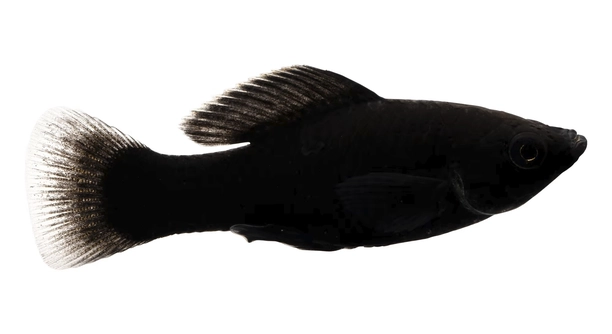
Do you ever notice your black molly swimming close to the plants in your aquarium, brushing its body against the leaves? Observing this behavior can be intriguing, as it seems intentional and consistent throughout the day.
Black mollies often rub on plants to remove parasites, relieve skin irritation, or mark their territory. This behavior is a natural response to environmental stimuli and is commonly observed in healthy fish adjusting to their aquarium conditions.
Understanding why your molly interacts with its plants can help improve its overall health and comfort. There are several reasons behind this seemingly simple, yet meaningful, behavior.
Common Reasons Mollies Rub on Plants
Black mollies rubbing against plants is often linked to natural instincts and environmental factors. One reason is parasite removal. Small external parasites can irritate their skin, prompting them to brush against leaves or decorations. This action helps dislodge pests while also stimulating the skin. Another factor is skin irritation from minor injuries or poor water conditions. Mollies may use plants to ease discomfort and maintain their protective slime coat. Additionally, rubbing can be a way of marking territory. Mollies have sensory systems that detect chemical signals, and rubbing their bodies can leave a faint scent on surfaces. In planted tanks, leaves provide a soft surface to engage in this behavior safely. This activity is more noticeable in well-established tanks where plants are abundant. Understanding these reasons can help you provide better care, ensuring your molly remains healthy, stress-free, and active in its aquatic environment.
This behavior is usually harmless if the fish is otherwise healthy and the plants are intact.
Observing your black molly closely can reveal patterns in its rubbing behavior. Some fish prefer certain plant types or leaf textures, while others target areas near tank edges or corners. The frequency and duration can indicate whether it’s a response to irritation, boredom, or a way to explore the environment. Maintaining stable water parameters, including pH, temperature, and cleanliness, is crucial. Providing a variety of smooth, leafy plants gives your molly safe surfaces to interact with, reducing stress. Monitoring its diet and general activity also ensures the fish is not suffering from underlying issues. By recognizing these subtle behaviors, you can make small adjustments that improve comfort and health. Rubbing can be an indicator of well-being, and careful observation allows for proactive care, preventing potential problems and enhancing the overall enjoyment of your aquarium setup.
How to Respond and Support Your Molly
Maintaining plant-rich areas allows your molly to rub safely without causing damage.
Regular water changes, gentle tank cleaning, and monitoring for signs of parasites are key to supporting black mollies. Ensuring water parameters match their needs, including temperature around 75-82°F and slightly alkaline pH, reduces stress that might trigger excessive rubbing. Introducing a balanced diet with occasional live or frozen foods can improve skin and slime coat health. Choosing plants with smooth leaves, such as Anubias or Java fern, provides safe surfaces while minimizing injury risk. Observing behavior daily helps detect changes early. Over time, minor rubbing becomes less frequent as the molly adapts to the tank environment. Providing hiding spots and varied surfaces also keeps the fish engaged. These small steps prevent irritation and support overall well-being. Understanding and addressing the reasons behind rubbing ensures your molly remains vibrant, active, and healthy.
Signs Your Molly May Be Irritated
Frequent rubbing, frayed fins, or unusual color changes can indicate irritation. Mollies may also scratch against decorations or substrate more often than normal, signaling stress or parasites. Monitoring these signs helps prevent further health issues.
Observing your black molly closely allows you to detect subtle changes. Irritation often appears as repeated rubbing in specific areas, particularly around the head, fins, or sides. Other indicators include reduced activity, clamped fins, or sudden hiding. Poor water quality, such as high ammonia or nitrite levels, can worsen these symptoms. Identifying the cause early allows for adjustments in care, whether improving water conditions, providing better plant surfaces, or addressing potential parasite problems. A proactive approach ensures your fish remains comfortable and healthy.
In some cases, irritation may stem from dietary deficiencies or minor injuries. Providing a varied diet rich in vitamins and minerals supports skin health and slime coat maintenance. Avoid overcrowding the tank, as stress from other fish can increase rubbing behaviors. Inspect plants for sharp edges that may worsen irritation and remove any debris or decaying leaves. Regular observation and simple environmental adjustments often reduce rubbing frequency and improve overall comfort, creating a more stable and pleasant environment for your molly.
Plant Choices That Encourage Safe Rubbing
Soft, broad-leaved plants are ideal for mollies to rub against without injury. Species like Anubias, Java fern, and Amazon sword offer safe contact points.
Dense planting not only provides safe rubbing surfaces but also encourages natural behaviors such as exploration and grazing. Mollies use leaves to help remove minor skin irritations and stimulate their senses. Smooth-leaf plants reduce the risk of scratches or torn fins, while varied heights and textures keep the aquarium engaging. Floating plants create shaded areas, further promoting comfort and reducing stress. By carefully selecting plants, you can create an environment that supports rubbing behavior while maintaining overall tank health and visual appeal.
When setting up plants, consider placement and spacing to accommodate your molly’s swimming patterns. Avoid overcrowding, which may restrict movement or create territorial conflicts. Incorporate a mix of anchored and floating species to offer different rubbing surfaces and hiding spots. Monitor the health of the plants, removing any decaying or sharp-edged leaves. Supplementing with leaf-rich environments mimics natural habitats, helping mollies feel secure. Providing a balance of open swimming areas and plant-dense sections allows your fish to engage in rubbing without risk, promoting well-being and reducing stress-related behaviors.
Monitoring Water Quality
Regularly testing water parameters is essential for your molly’s health. High ammonia, nitrite, or nitrate levels can cause irritation, prompting rubbing against plants or decorations. Stable water conditions reduce stress and support natural behaviors.
Keeping the tank clean with partial water changes and gentle vacuuming prevents buildup of harmful substances. Maintaining a consistent temperature and pH helps mollies feel secure and less prone to rubbing due to irritation or discomfort.
Parasite Prevention
Parasites are a common cause of rubbing behavior in black mollies. Quarantining new fish and treating infestations promptly can prevent outbreaks.
Regular observation of your fish helps identify early signs of parasites, such as small white spots, frayed fins, or rapid rubbing against surfaces. Maintaining proper hygiene and avoiding overcrowding reduces the risk of parasite introduction.
Dietary Support
Providing a varied diet strengthens the slime coat and skin health. High-quality flake foods, frozen, or live options keep mollies healthy.
A nutrient-rich diet reduces susceptibility to skin irritation, making rubbing less frequent. Balanced feeding helps mollies maintain natural behaviors safely.
FAQ
Why does my black molly rub on plants all the time?
Black mollies rub on plants primarily to relieve irritation, remove parasites, or mark their territory. It is a natural behavior, often observed in healthy fish. Environmental factors like water quality, tank conditions, and plant types can also influence how frequently they engage in this behavior.
Is rubbing against plants harmful to my molly?
Rubbing is generally harmless if the plants are smooth and free of sharp edges. Problems arise only if plants have jagged leaves or if the fish rubs excessively due to persistent irritation, which could indicate water quality issues or parasites needing attention.
Can poor water quality cause rubbing?
Yes, poor water quality can irritate a molly’s skin and lead to rubbing behavior. Elevated ammonia, nitrite, or nitrate levels, as well as sudden pH or temperature changes, can stress the fish and trigger this response. Regular testing and maintenance help prevent this.
Do all black mollies rub on plants?
Not all mollies rub on plants, but many do. Individual behavior varies depending on the fish’s health, environment, and tank setup. Some may prefer decorations or substrate for rubbing instead of plants.
How do I know if rubbing indicates a parasite problem?
If rubbing is frequent, combined with white spots, frayed fins, or lethargy, parasites may be present. Observing behavior closely and checking water parameters can help differentiate normal rubbing from signs of infection. Quarantining new fish reduces parasite risks.
Does diet affect rubbing behavior?
Yes, diet can influence skin and slime coat health. A balanced diet with high-quality flakes, frozen, or live foods strengthens the molly’s protective coating, reducing irritation and the need to rub against plants excessively.
Should I remove plants if my molly rubs too much?
No, removing plants is not necessary. Instead, ensure plants have smooth leaves and are free of sharp edges. Adequate plant density provides safe surfaces for rubbing, reduces stress, and encourages natural behaviors without harming the fish.
Can rubbing be a sign of boredom?
Occasionally, rubbing can be a form of environmental interaction. Mollies in sparse or uninteresting tanks may explore and rub surfaces as stimulation. Adding plants, hiding spots, or varied textures can keep them engaged and comfortable.
Is rubbing normal in all aquariums?
Rubbing behavior is common in planted aquariums because leaves provide safe surfaces. In tanks without plants, mollies may use decorations or substrate, but excessive rubbing can signal irritation or stress. Proper observation helps distinguish normal behavior from health concerns.
How often should I monitor my molly if it rubs frequently?
Frequent monitoring is important if rubbing increases. Check water parameters, diet, and plant conditions daily, observing for signs of parasites, skin irritation, or stress. Early detection allows for prompt adjustments to improve health and comfort.
Can stress cause rubbing?
Yes, stress can trigger rubbing behavior. Overcrowding, aggressive tank mates, or sudden changes in water conditions can make mollies rub more frequently. Maintaining a stable, comfortable environment reduces stress and prevents excessive rubbing.
Are there specific plants mollies prefer for rubbing?
Mollies tend to prefer broad, soft-leaved plants such as Anubias, Java fern, and Amazon sword. These plants provide safe surfaces that do not damage their fins or skin while allowing natural rubbing behavior.
What should I do if rubbing becomes excessive?
If rubbing is excessive, check water quality, inspect for parasites, and evaluate diet. Adjusting tank conditions, improving plant variety, and maintaining hygiene often reduce the behavior. Persistent rubbing may require professional guidance to rule out illness.
Can rubbing indicate aging or natural molly behavior?
Older mollies may rub less due to slower activity levels, but consistent rubbing is mostly linked to health and environmental factors. It is generally a normal, instinctual behavior when plants or decorations are available.
How long does it take for rubbing behavior to decrease?
Once environmental conditions improve, parasites are treated, and diet is balanced, rubbing typically decreases within days to weeks. Continuous observation ensures the behavior returns to normal without underlying health issues.
Does rubbing affect plant health?
Moderate rubbing usually does not harm healthy plants. Excessive rubbing on fragile or delicate leaves may cause minor damage. Selecting sturdy plants reduces wear while allowing your molly to engage safely with its environment.
Can I prevent rubbing completely?
Rubbing cannot be fully prevented, as it is a natural behavior. The goal is to minimize irritation and provide safe surfaces. Proper water quality, diet, plant choice, and environmental enrichment reduce excessive rubbing and ensure fish comfort.
Are there signs that rubbing is harmless?
Yes, harmless rubbing is brief, gentle, and occurs without other symptoms like color change, fin damage, or lethargy. Mollies often rub as part of routine behavior to maintain skin health or interact with their surroundings.
How do I balance plant placement for rubbing and swimming space?
Arrange plants to provide rubbing surfaces while leaving open areas for swimming. Mixing floating and rooted plants offers both engagement and freedom, supporting natural behaviors without overcrowding the tank.
Should I consult a vet if rubbing persists?
Persistent rubbing combined with unusual signs may warrant professional consultation. A vet or aquatic specialist can assess parasites, infections, or other underlying causes to ensure your molly’s health.
Can rubbing be seasonal or linked to tank changes?
Yes, molly behavior can fluctuate with water temperature, seasonal changes, or tank rearrangements. Observing patterns helps distinguish normal adaptation from irritation or health concerns.
Does rubbing occur more in certain tank sizes?
Tank size can influence rubbing. Smaller tanks may limit safe rubbing surfaces, increasing contact with rough decorations. Providing ample plants and soft surfaces helps mollies in both small and large tanks engage safely.
Is rubbing louder in community tanks?
In community tanks, rubbing may be more noticeable due to interactions with other fish. Aggressive or territorial species can stress mollies, prompting more frequent rubbing for comfort. Adequate hiding spots help reduce stress and rubbing behavior.
How does temperature influence rubbing behavior?
Temperature affects molly metabolism and activity. Sudden fluctuations or temperatures outside their preferred range can irritate skin and increase rubbing. Keeping consistent temperature within 75-82°F reduces stress-related rubbing.
Can molly rubbing indicate breeding behavior?
While rubbing is not directly linked to breeding, healthy, well-adjusted mollies exhibit natural behaviors, including exploring surfaces. Rubbing itself is not a reproductive signal but indicates overall engagement with their environment.
Does rubbing decrease with tank maturity?
Rubbing may decrease as a tank matures and plants establish themselves. Mollies adapt to stable environments with abundant safe surfaces, leading to more controlled and less frequent rubbing behavior.
What tools help track rubbing behavior?
Regular observation, photo or video recording, and journaling water parameters can help track patterns. Comparing behavior over time aids in identifying health or environmental issues, ensuring your molly remains healthy.
How do I distinguish normal rubbing from illness-related rubbing?
Normal rubbing is gentle and periodic, while illness-related rubbing is excessive, accompanied by other symptoms such as lethargy, color changes, frayed fins, or loss of appetite. Tracking water conditions and plant health can help determine the cause.
Can rubbing stress other tank mates?
Molly rubbing itself is harmless to others, but stress may arise if the behavior is caused by overcrowding, aggression, or poor tank conditions. Proper tank management prevents secondary stress in community setups.
How often should I replace or prune plants for rubbing safety?
Prune decaying or sharp-edged leaves regularly to prevent injury. Healthy plants with broad, smooth leaves minimize damage and provide ongoing safe surfaces for mollies to rub against.
Do mollies rub more during growth stages?
Young mollies may rub more as they develop their slime coat and explore the environment. This behavior generally stabilizes as the fish matures and adapts to the tank conditions.
Can rubbing be linked to water flow?
Strong currents may push mollies into surfaces, increasing rubbing behavior. Moderate flow encourages activity without causing irritation. Adjusting flow can reduce excessive rubbing while supporting healthy swimming.
Does light intensity affect rubbing?
Bright or inconsistent lighting can cause stress, indirectly increasing rubbing. Providing shaded areas with floating plants or gentle light transitions supports comfort and reduces stress-related rubbing.
Are some molly colors more prone to rubbing?
Behavior is more individual than color-specific. Black mollies may appear more noticeable due to contrast with plants, but rubbing is generally consistent across all color variations when environmental factors are similar.
Is rubbing ever beneficial for the molly?
Yes, rubbing can help remove minor irritants, stimulate the skin, and maintain the slime coat. Safe plant surfaces allow this natural behavior without causing harm, promoting overall well-being.
How do I record rubbing patterns effectively?
Observe at consistent times daily, note frequency, duration, and locations within the tank. Recording water parameters, plant health, and feeding schedules provides a comprehensive view of triggers and patterns.
Can rubbing indicate an allergic reaction to tank materials?
Occasionally, mollies may react to rough decorations or chemical residues. Monitoring rubbing frequency after introducing new items helps determine if materials are causing irritation.
Does rubbing behavior change with tank population density?
High density increases stress, leading to more frequent rubbing. Ensuring sufficient space, hiding spots, and plant coverage reduces competition and helps mollies engage safely with their environment.
How do I ensure rubbing does not become destructive?
Provide sturdy plants, smooth decorations, and regular tank maintenance. Observation and adjustments in environment, diet, and water conditions prevent excessive rubbing while maintaining fish comfort.
Can rubbing be a form of self-cleaning?
Yes, rubbing helps remove debris and stimulates the skin and slime coat, contributing to natural hygiene. Mollies use plants and surfaces as tools for gentle self-care, especially in planted tanks.
How long does it take to resolve rubbing caused by stress or irritation?
With proper water quality, diet, and safe plant surfaces, rubbing often decreases within a week or two. Continuous monitoring ensures the behavior returns to normal without underlying health concerns.
Are there signs rubbing is due to aging rather than irritation?
Older mollies may rub less frequently or with less vigor. Unlike irritation-related rubbing, it is gentle, sporadic, and not associated with fin damage, color changes, or lethargy.
Can rubbing behavior indicate compatibility issues in community tanks?
Excessive rubbing may result from aggressive tank mates. Providing adequate space, hiding spots, and plant cover can reduce stress and associated rubbing, improving compatibility among species.
Does tank location affect rubbing frequency?
Tanks near heavy activity or vibrations can increase stress, prompting more rubbing. Placing the aquarium in a stable, quiet area reduces unnecessary stress and helps mollies maintain normal behavior.
How can I use rubbing behavior to monitor fish health?
Rubbing is a visible indicator of irritation, stress, or minor skin issues. Observing frequency, intensity, and locations helps track molly health and detect early signs of potential problems.
Is rubbing more common in male or female mollies?
Rubbing occurs in both genders. Individual behavior varies more than gender, depending on health, environment, and tank conditions rather than sex-specific tendencies.
Do floating plants affect rubbing behavior?
Floating plants provide shade and additional surfaces, encouraging safe rubbing and reducing stress. They enhance tank comfort and support natural behaviors without restricting swimming space.
How does tank lighting schedule influence rubbing?
Consistent lighting reduces stress. Sudden changes or overly bright periods may increase rubbing as mollies seek shaded areas or plant surfaces for comfort. Stable lighting promotes regular, natural behavior.
Can rubbing behavior help me identify ideal plant placement?
Yes, observing where mollies rub most frequently highlights preferred surfaces. Arranging plants in these areas ensures safe interaction while improving tank design and fish comfort.
Does rubbing decrease in fully established aquariums?
Yes, stable, mature tanks with abundant plants reduce excessive rubbing. Mollies adapt to their environment, and behavior becomes balanced as irritation and stress are minimized.
Can rubbing be influenced by seasonal water temperature shifts?
Temperature changes affect metabolism and activity levels. Fluctuations outside the preferred range may increase rubbing due to mild stress or discomfort. Maintaining consistent conditions supports normal behavior.
Are there signs rubbing is due to aggression from other fish?
If rubbing is frequent near certain tank mates or after aggressive interactions, it may be stress-induced. Separating or providing more hiding spaces helps reduce aggression-related rubbing.
Does tank depth affect rubbing behavior?
Shallow tanks may limit vertical space, causing more frequent contact with plants and decorations. Adequate depth allows natural swimming patterns while providing safe surfaces for rubbing.
Can rubbing indicate early signs of fungal or bacterial infections?
Yes, persistent rubbing combined with discoloration, patches, or fin damage may indicate infections. Early detection allows treatment before conditions worsen, protecting overall tank health.
How do I distinguish rubbing due to parasites from rubbing due to irritation?
Parasite-related rubbing is often accompanied by visible signs like white spots, frayed fins, or rapid movements. Irritation without parasites is usually mild, with brief, controlled rubbing on smooth surfaces.
Does rubbing affect tank water clarity?
Moderate rubbing does not impact water clarity. Excessive rubbing in a dirty tank may stir debris, emphasizing the importance of regular maintenance to keep water clean and safe.
Can rubbing behavior indicate feeding issues?
Indirectly, yes. Poor nutrition can weaken the slime coat, causing irritation and rubbing. A balanced diet supports healthy skin, reducing rubbing frequency.
Are there tools to reduce stress-related rubbing?
Adding plants, hiding spots, and gentle filtration creates a stable environment. Observing fish and maintaining water quality reduces stress and associated rubbing behaviors.
Is rubbing behavior linked to social interactions among mollies?
Occasionally, rubbing may occur near other mollies as part of interaction or territory exploration. It is generally harmless unless combined with aggressive displays or injury.
Can rubbing frequency indicate long-term tank health?
Yes, consistent observation of rubbing patterns helps monitor tank conditions, water quality, and fish health, allowing proactive adjustments to maintain a balanced environment.
Does rubbing decrease if tank mates are removed?
If rubbing is stress-related due to aggression or competition, removing or separating tank mates may reduce behavior. Otherwise, rubbing remains part of normal interaction with plants and surfaces.
Can rubbing help mollies adjust to new tanks?
Yes, gentle rubbing helps mollies acclimate by exploring surfaces and reducing minor irritation. It can be part of their adaptation process while assessing the environment.
How can I document rubbing for long-term observation?
Daily notes on frequency, duration, and location, combined with water parameter logs and plant condition records, provide a clear history to track behavior and health trends.
Does rubbing intensity indicate health severity?
Mild, intermittent rubbing is often normal, while intense, frequent rubbing signals stress, irritation, or potential disease, requiring prompt attention to maintain health.
Can rubbing behavior predict molly activity levels?
Rubbing can indicate engagement and exploration. Active rubbing in safe areas usually reflects a healthy, alert molly, while reduced rubbing may indicate low activity or illness.
Does rubbing increase in newly planted tanks?
Yes, new plants provide novel surfaces for interaction. Mollies may rub more frequently as they explore and adapt to unfamiliar textures and leaf shapes.
Are certain substrates better for preventing excessive rubbing?
Soft, smooth substrates reduce accidental irritation and allow mollies to focus rubbing on safe plant surfaces. Avoid sharp gravel or coarse sand that can damage fins or skin.
Does rubbing behavior decrease with age?
Older mollies may rub less frequently as activity levels decline. However, occasional gentle rubbing remains part of natural behavior throughout their lifespan.
Can rubbing indicate water hardness issues?
Extreme water hardness or sudden changes may irritate mollies, prompting rubbing. Maintaining slightly alkaline, stable conditions supports comfort and reduces excessive rubbing.
Is rubbing linked to molly temperament?
Individual personality affects rubbing frequency. Some mollies are naturally more active or curious, using plants more often, while others engage minimally, showing variation in behavior.
Can rubbing be used to monitor aquarium enrichment?
Yes, observing preferred rubbing surfaces helps identify areas of interest. Adjusting plant placement or adding new textures ensures mollies remain stimulated and comfortable.
Does rubbing behavior influence breeding success?
Indirectly, healthy mollies that engage in normal behaviors, including rubbing, are more likely to thrive and breed successfully due to lower stress and better overall health.
Are there times of day when rubbing is more frequent?
Rubbing often increases after feeding or during periods of lower activity. Observing patterns helps distinguish normal behavior from irritation or stress-related activity.
Can rubbing indicate mineral deficiencies?
Occasionally, insufficient calcium or other minerals may affect skin and slime coat, leading to increased rubbing. A balanced diet and proper water parameters prevent deficiencies.
Does tank size influence rubbing intensity?
Larger tanks provide more space and surfaces, allowing controlled rubbing. Small tanks may result in more frequent contact and potential stress-related rubbing if surfaces are limited.
Are there behavioral signs that rubbing is normal?
Gentle, brief rubbing without other symptoms, consistent with exploration or maintenance of slime coat, is considered normal and beneficial for the molly’s health and engagement.
Can rubbing behavior indicate water contamination?
Yes, sudden rubbing combined with rapid swimming, gasping, or color change can signal chemical contamination, prompting immediate water testing and corrective action.
Does rubbing decrease with tank maturity?
Stable, established tanks with abundant, safe plants often see reduced excessive rubbing. Mollies adapt, and behavior becomes controlled, reflecting comfort and good environmental conditions.
Can rubbing indicate molly dominance behavior?
Rubbing itself is rarely a dominance display, but frequent interaction with specific surfaces may coincide with territorial behaviors in male mollies. Proper spacing reduces potential conflicts.
Are there signs rubbing is due to disease rather than environmental factors?
Signs include intense, repeated rubbing, visible lesions, color fading, or lethargy. Disease-related rubbing requires immediate attention and treatment to prevent worsening health.
Does rubbing increase during tank rearrangements?
Yes, mollies may rub more when exploring new surfaces after rearrangement. This is usually temporary as they adapt to the updated environment.
Can rubbing indicate stress from frequent handling?
Excessive handling or netting can stress mollies, prompting more frequent rubbing as a coping mechanism. Minimizing interference allows normal behaviors to resume.
Does rubbing vary by molly species?
All molly species may exhibit rubbing, but frequency and intensity vary based on environmental conditions, health, and individual temperament rather than species-specific traits.
Can rubbing be linked to water circulation?
Strong currents may push mollies into surfaces more often, increasing rubbing. Adjusting flow to moderate levels allows natural behavior without causing irritation.
How does tank vegetation density influence rubbing?
Dense vegetation provides more safe surfaces, reducing stress and injury risk. Sparse tanks may increase rubbing frequency
Final Thoughts
Caring for a black molly involves paying attention to the small details that shape its comfort and behavior. Rubbing on plants may seem unusual at first, yet it is a natural action that communicates how your fish feels within its environment. Understanding the meaning behind this behavior helps you create a stable and safe space that supports your molly’s daily needs. Whether the rubbing is tied to mild irritation, routine self cleaning, or simple exploration, the goal is to observe with patience and make adjustments that improve overall well being. A molly that feels secure will interact more calmly with its surroundings, swim confidently, and display healthy coloration. These signs reassure you that the steps you take in maintaining the tank truly matter. A balanced combination of strong plant choices, careful water management, and gentle care encourages your molly to thrive in a habitat that feels natural and comfortable.
Ensuring your molly has the right environment is an ongoing process that becomes easier as you learn its habits. Observation plays a key role in recognizing what is normal and what may need attention. When rubbing increases or becomes intense, it serves as a signal to check water quality, inspect plant surfaces, or evaluate dietary support. Consistency in cleaning routines, feeding schedules, and tank maintenance reduces stress that could lead to unnecessary rubbing. Safe plants offer a place for natural interaction, and smooth surfaces prevent irritation. Over time, your molly will develop a rhythm that reflects the stability of its surroundings. This routine behavior helps you identify changes early and address concerns before they become larger issues. A calm and healthy fish is the result of small, thoughtful efforts that blend into your regular care routine.
The relationship between a fish and its environment is delicate, and every adjustment you make strengthens that balance. By understanding why your molly rubs on plants and responding with supportive care, you help create an environment where it can live comfortably. Each improvement in diet, water stability, or plant structure contributes to long term health and reduces the likelihood of stress related behaviors. Taking time to observe, maintain, and adjust builds a strong foundation for your molly’s well being. A thoughtful aquarium setup allows the fish to act naturally without discomfort, encouraging behaviors that reflect a sense of safety and ease. Over time, these efforts lead to a tank that feels calm, balanced, and welcoming, providing your molly with everything it needs to stay active and healthy while giving you the reassurance that your care is making a meaningful difference.

Hello,
If you enjoy the content that we create, please consider saying a "Thank You!" by leaving a tip.
Every little bit helps us continue crafting quality advice that supports the health, happiness, and well-being of pets around the world, for pets of all shapes, sizes, and species.
We really appreciate the kindness and support that you show us!