
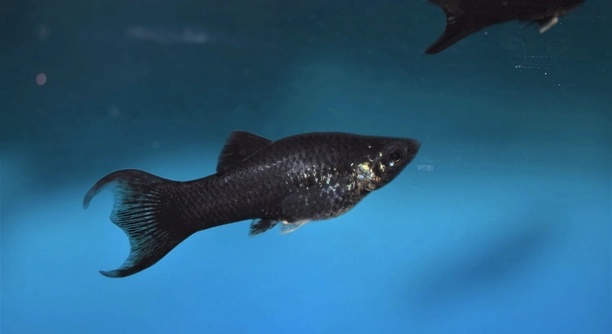
Do you enjoy keeping Black Molly fish and want to make their tank more comfortable? Understanding their preferences can help you create a healthier and more engaging environment for these lively fish. Proper care begins with small adjustments.
Black Molly fish prefer tanks with gentle water flow, consistent temperature, ample hiding spots, live plants, open swimming areas, proper lighting, and clean water. These features collectively support their natural behavior, reduce stress, and promote overall health and activity.
Learning how to incorporate these features can make your Black Molly tank more enjoyable for both you and your fish. Implementing the right setup ensures their environment is thriving.
Gentle Water Flow
Black Molly fish thrive in tanks where the water moves gently. Strong currents can stress them, making them less active and more prone to illness. Providing a mild flow mimics their natural habitat and allows them to swim comfortably. You can achieve this by adjusting your filter’s output or using a sponge filter that produces a soft current. Observing your fish as they interact with the water can help you determine if the flow is suitable. Black Mollies often swim confidently when the current is right, exploring the tank without hesitation. Overly strong currents may cause them to hide constantly or struggle to maintain position, which increases stress and reduces overall activity. Gentle water flow also supports proper oxygen circulation without overwhelming the fish. This creates a balanced environment where Black Mollies can exhibit natural behaviors like schooling, exploring, and feeding comfortably.
Maintaining gentle water flow helps reduce stress and supports natural activity. Black Mollies are noticeably more active in calm, well-circulated water.
Properly managing water flow requires regular monitoring of your filter and observing fish behavior. Adjusting output or adding obstacles can moderate current. Combining a mild flow with open swimming areas lets Black Mollies move freely without resistance. This approach encourages healthy exercise and reduces aggressive interactions. Additionally, a gentle current aids in distributing nutrients and maintaining clean water throughout the tank. Plants also benefit from subtle water movement, which promotes growth and keeps the habitat balanced. Observing how Black Mollies interact with decorations and plants in these conditions shows that their comfort level improves. Gentle flow allows fish to feed efficiently, maintain energy, and engage in natural swimming patterns. Over time, a balanced environment like this supports breeding behaviors, overall vitality, and vibrant coloration. This simple adjustment creates a peaceful tank that meets both the physical and behavioral needs of your Black Mollies.
Consistent Temperature
Maintaining a stable temperature is critical for Black Molly health. Sudden changes can cause stress and increase susceptibility to disease.
Black Mollies thrive in water between 75-82°F. Using a reliable heater ensures stability and supports their immune system.
Temperature consistency affects metabolism, growth, and behavior. Fluctuating water can slow digestion, reduce appetite, and cause lethargy. A heater combined with a thermometer allows accurate monitoring. Black Mollies in stable conditions are more active, display brighter coloration, and interact naturally with their environment. Avoid placing the tank near drafts or direct sunlight, as external changes can disturb water balance. Gradual adjustments are safer if modifications are needed. Consistency also supports breeding behavior, as Black Mollies require stable conditions to reproduce successfully. A predictable temperature helps plants and beneficial bacteria thrive, indirectly improving water quality. Overall, maintaining a consistent temperature ensures your Black Mollies are healthy, active, and stress-free while creating a more sustainable tank ecosystem.
Ample Hiding Spots
Black Mollies feel secure when the tank offers plenty of hiding spots. Caves, driftwood, and dense plants allow them to retreat when stressed or resting, reducing aggression and promoting natural behavior.
Providing varied hiding areas encourages exploration and reduces conflicts. Mollies often select favorite spots near plants or decorations to rest or observe. Strategically placing caves or ornaments along the tank edges prevents territorial disputes while giving each fish personal space. Plants not only serve as hiding areas but also help mimic their natural environment, creating a sense of safety. Black Mollies that feel secure are more likely to swim openly, feed regularly, and interact without fear. Proper hiding spots balance their need for security and activity, improving overall health and behavior in the aquarium.
These areas also help new or timid fish acclimate smoothly. Observing which spaces your Mollies prefer can guide future tank arrangement.
Hiding spots contribute to breeding success by offering protected areas for fry and pregnant females. Dense plant clusters or small caves allow females to retreat, reducing stress during gestation. Black Mollies may also use these spaces to avoid aggressive tank mates temporarily. Different materials, such as smooth rocks, PVC tubes, or natural driftwood, give variety and reduce boredom. Hiding areas near the substrate or mid-level create depth and encourage vertical exploration, while open swimming zones remain available. By combining visual cover with open areas, Mollies maintain natural behavior and activity, leading to a healthier, more balanced aquarium ecosystem. Properly arranged hiding spots support mental stimulation, reduce stress, and foster a thriving community.
Open Swimming Areas
Black Mollies need open spaces for active swimming and exercise. Clear areas in the tank prevent overcrowding and allow them to move freely, boosting energy and health.
Open swimming zones complement hiding spots by providing balance. Mollies are naturally active fish that explore mid and top levels of the tank. Too many decorations or densely packed plants can restrict movement, leading to stress and lethargy. Keeping open areas encourages schooling behavior and lets them interact naturally. Observing their swimming patterns can indicate whether the tank layout is effective. Black Mollies often circle, glide, or perform gentle bursts of speed when comfortable, which is a sign of well-being.
Maintaining open swimming spaces improves oxygen circulation and feeding efficiency. It also supports social behavior, allowing fish to interact without territorial disputes, creating a lively and healthy environment.
Live Plants
Live plants improve water quality by absorbing nitrates and producing oxygen. They also create natural hiding spots and surfaces for exploration, making the tank feel more comfortable for Black Mollies.
Plants like Java moss, Anubias, and Vallisneria are easy to maintain. Mollies enjoy swimming around them and sometimes nibbling leaves.
Proper Lighting
Consistent lighting supports Black Mollies’ natural activity patterns and enhances their coloration. A regular light cycle of 10-12 hours helps regulate behavior and overall health.
Clean Water
Maintaining clean water is essential for Black Mollies. Regular partial water changes prevent harmful buildup and ensure a stable environment, reducing stress and supporting long-term vitality.
FAQ
How often should I change the water in my Black Molly tank?
Water changes are crucial for maintaining a healthy environment. Perform partial water changes of 20-30% weekly to remove waste, reduce nitrate buildup, and maintain water clarity. This routine keeps the tank stable, reducing stress and promoting the fish’s overall health.
What is the ideal tank size for Black Mollies?
Black Mollies thrive in tanks of at least 20 gallons. Larger tanks provide sufficient swimming space, reduce aggression, and make it easier to maintain stable water parameters. Adequate space also allows for decorations, plants, and hiding spots without overcrowding.
Can Black Mollies live with other fish?
Yes, Black Mollies are peaceful and can coexist with similar-sized, non-aggressive fish. Ideal tank mates include guppies, platies, and tetras. Avoid fin-nipping species or overly aggressive fish to prevent stress and injury. Compatibility improves with proper space and hiding spots.
What temperature range is best for Black Mollies?
They thrive in water between 75°F and 82°F. Consistent temperature prevents stress, supports metabolism, and promotes normal behavior. Sudden fluctuations can lead to illness or reduced activity. Use a reliable heater and thermometer to maintain stability.
Do Black Mollies need live plants?
Live plants are not strictly necessary, but they significantly improve the tank environment. Plants offer hiding spots, oxygenation, and surfaces for exploration. They also help control nitrate levels, reducing maintenance and supporting healthier fish.
How do I prevent diseases in my Black Molly tank?
Maintaining clean water, a stable temperature, and a balanced diet is essential. Quarantine new fish, avoid overfeeding, and monitor for signs of illness. Early intervention and consistent care reduce the risk of disease outbreaks and promote long-term health.
What do Black Mollies eat?
They are omnivores and require a varied diet. Provide high-quality flakes or pellets, supplemented with live or frozen foods like brine shrimp, daphnia, or bloodworms. Occasional vegetable matter, such as blanched spinach or zucchini, supports digestion and coloration.
How can I encourage breeding in Black Mollies?
Provide a spacious tank with hiding spots for females and stable water conditions. Maintain a slightly higher temperature around 78-80°F, and feed nutrient-rich foods. Females give live birth, and fry need protection from adult fish. Plants or breeding nets can improve survival rates.
Why are my Black Mollies hiding constantly?
Hiding can indicate stress from poor water quality, aggressive tank mates, or insufficient cover. Ensure the water is clean, the temperature is stable, and hiding spots are available. Adjust tank layout if necessary to make fish feel secure.
How long do Black Mollies live?
With proper care, Black Mollies typically live 3-5 years. Longevity depends on water quality, diet, and stress management. Regular maintenance and a stable environment increase their lifespan and overall well-being.
Can Black Mollies tolerate brackish water?
Yes, Black Mollies can tolerate slightly brackish water. Adding a small amount of aquarium salt or using specialized brackish setups can improve health and breeding success. Monitor water parameters carefully to avoid stress from sudden changes.
Do Black Mollies require a specific pH level?
They prefer a slightly alkaline pH between 7.5 and 8.5. Maintaining a stable pH supports metabolism and prevents stress. Avoid sudden shifts, as drastic changes can harm their health and reduce activity levels.
Is tank decoration important for Black Mollies?
Yes, decorations provide structure, hiding spots, and areas for exploration. Driftwood, rocks, and plants help mimic a natural habitat. Proper decoration balances open swimming areas with security, supporting activity and reducing stress.
How do I know if my Black Mollies are healthy?
Healthy Mollies are active, have bright coloration, eat regularly, and swim confidently. Watch for unusual behavior, clamped fins, or loss of appetite, which can indicate stress or illness. Consistent care and observation keep fish thriving.
Can Black Mollies live in a community tank without plants?
Yes, they can survive, but live or artificial plants improve security and reduce stress. Plants or decorations provide retreat areas and help balance the tank environment, encouraging natural behavior and social interaction.
What is the best diet frequency for Black Mollies?
Feed small portions 1-2 times daily. Avoid overfeeding, as uneaten food pollutes the water and increases disease risk. A balanced, varied diet supports growth, coloration, and overall vitality.
How do I acclimate new Black Mollies to my tank?
Float the bag in the tank for 15-20 minutes to equalize temperature. Gradually mix tank water into the bag over 30-60 minutes to prevent shock. Gently release the fish after acclimation to reduce stress and promote adaptation.
Why is my Black Molly’s color fading?
Color fading often results from stress, poor diet, or suboptimal water conditions. Ensure proper nutrition, stable temperature, and clean water. Vibrant coloration usually returns when fish are comfortable and healthy.
Do Black Mollies need a filter?
Yes, a filter is essential to maintain water quality. It removes waste, circulates water, and promotes oxygenation. Choose a gentle filter to avoid strong currents that may stress the fish. Proper filtration supports long-term health and tank stability.
How can I reduce aggression in a Black Molly tank?
Provide adequate space, hiding spots, and compatible tank mates. Avoid overcrowding and maintain balanced water conditions. Monitoring interactions and adjusting tank layout prevents stress and helps mollies coexist peacefully.
Can Black Mollies live in a small tank?
They can survive in smaller tanks but thrive in at least 20 gallons. Larger tanks reduce stress, provide sufficient swimming space, and make water quality maintenance easier, improving overall health and activity.
What lighting schedule is best for Black Mollies?
A consistent light cycle of 10-12 hours per day supports activity patterns and coloration. Avoid sudden changes or prolonged darkness. Proper lighting promotes natural behavior, plant growth, and a balanced tank environment.
How do I care for Black Molly fry?
Provide a separate breeding tank or protected area with fine-leaved plants. Feed small, frequent meals like baby brine shrimp or finely crushed flakes. Maintain clean water and monitor growth until they are large enough to join the main tank.
Are Black Mollies sensitive to water hardness?
They prefer moderately hard to hard water, between 15-30 dGH. Stable water hardness supports metabolism, reproduction, and overall health. Avoid sudden changes to prevent stress and maintain vitality.
How can I prevent fin rot in Black Mollies?
Maintain clean water, avoid overcrowding, and feed a balanced diet. Quarantine new fish and remove aggressive tank mates. Early detection and treatment prevent fin rot from spreading and protect long-term health.
Do Black Mollies require any supplements?
Occasional vitamins or mineral supplements can support growth and coloration, especially if diet lacks variety. Use sparingly and follow manufacturer instructions to avoid over-supplementation, which can harm water quality.
How do I clean a Black Molly tank without stressing the fish?
Perform partial water changes, use a siphon for the substrate, and clean decorations gently. Avoid removing too many plants or disturbing hiding spots. Consistent, careful maintenance minimizes stress and maintains a healthy environment.
Can Black Mollies tolerate different pH levels temporarily?
They can handle minor fluctuations briefly, but sudden or extreme changes are stressful and harmful. Gradual adjustments are safer and help maintain activity, appetite, and overall health.
What is the best way to introduce plants to a Black Molly tank?
Plant rooted species in the substrate or use floating plants for shelter. Space them to create hiding spots and open swimming areas. Plants should be healthy, free of pests, and acclimated to tank conditions before introduction.
How do I know if my Black Mollies are stressed?
Signs include hiding, clamped fins, loss of appetite, erratic swimming, or fading color. Stress often results from poor water quality, aggressive tank mates, or sudden environmental changes. Addressing these factors restores comfort and activity.
Can Black Mollies live without a heater in warmer climates?
In consistently warm environments above 75°F, they may survive without a heater. However, temperature fluctuations can still cause stress, so monitoring and maintaining stable conditions is recommended for health and longevity.
How do I prevent algae growth in a Black Molly tank?
Control light exposure, avoid overfeeding, and maintain clean water. Adding live plants helps compete with algae for nutrients. Regular maintenance and balanced feeding reduce excess waste that fuels algae growth.
Can Black Mollies tolerate low oxygen levels?
They require well-oxygenated water. Low oxygen can cause gasping, lethargy, or death. Proper filtration, aeration, and plants improve oxygen levels, ensuring active, healthy fish.
What is the best substrate for a Black Molly tank?
Fine gravel or sand works well, supporting plants and allowing natural foraging behavior. Avoid sharp substrates that can damage fins or stress the fish. A clean, smooth substrate enhances comfort and safety.
How do I handle aggressive behavior among Black Mollies?
Provide more space, hiding spots, and compatible tank mates. Removing overly aggressive individuals may be necessary. Balanced conditions and observation reduce stress and maintain harmony within the tank.
Can Black Mollies live with shrimp or snails?
Yes, they are generally compatible. Avoid aggressive snail species, and ensure shrimp have hiding places. Coexistence depends on tank size, decorations, and water parameters that suit all species.
How important is regular observation for Black Mollies?
Observation helps detect illness, stress, or environmental issues early. Monitoring behavior, swimming patterns, and appetite ensures timely interventions and supports a healthy, thriving aquarium.
What should I do if a Black Molly becomes sick?
Isolate the fish in a quarantine tank, identify the problem, and treat accordingly. Maintaining clean water and following proper medication guidelines supports recovery and prevents spread to other fish.
Can Black Mollies adapt to new tanks quickly?
With gradual acclimation, they adjust within a few days. Sudden changes in water parameters or temperature can cause stress, so careful introduction ensures comfort and health.
How do I maintain stable water chemistry?
Regular water changes, proper filtration, and monitoring pH, hardness, and temperature are key. Avoid sudden alterations and use tested supplements if necessary. Stable water supports health, behavior, and reproduction.
Are Black Mollies compatible with bettas?
Caution is advised. Male bettas can be aggressive toward Mollies. Observe interactions closely, provide hiding spots, and consider tank size to minimize conflict. Separate tanks may be safer.
How do I reduce stress during tank maintenance?
Perform partial water changes slowly, avoid sudden disturbances, and maintain hiding areas. Keeping the tank environment predictable and calm reduces stress for Black Mollies.
Can Black Mollies tolerate cooler water temporarily?
They can survive brief dips below their preferred range, but prolonged exposure can reduce immunity, activity, and appetite. Gradual adjustment is safer and supports long-term health.
How do I handle overcrowding in a Black Molly tank?
Increase tank size, remove excess fish, or provide additional hiding spots. Overcrowding causes stress, aggression, and poor water quality, negatively affecting health and behavior.
What is the best way to feed Black Mollies in a community tank?
Feed evenly distributed portions to prevent competition. Use floating and sinking foods to reach different levels. Observe feeding to ensure all fish receive adequate nutrition.
How do I prevent sudden deaths in Black Mollies?
Maintain stable water parameters, avoid overfeeding, provide a balanced diet, and monitor behavior regularly. Early intervention for illness or environmental changes reduces the risk of unexpected fatalities.
Can Black Mollies live with goldfish?
Not recommended. Goldfish produce high waste, prefer cooler water, and may outcompete Mollies for food. Separate tanks better support the health of both species.
What is the best way to clean decorations without harming Mollies?
Remove items and scrub with a soft brush using tank water. Avoid soap or chemicals. Cleaning during routine maintenance reduces stress and preserves safe habitat.
How do I handle aggressive feeding behavior?
Distribute food in multiple spots, provide adequate portions, and observe interactions. Adjust feeding routines to reduce competition and ensure all fish eat comfortably.
Can Black Mollies tolerate salt in their water?
Yes, small amounts of aquarium salt can be beneficial, especially in brackish setups. Avoid overuse, monitor fish behavior, and maintain stable water conditions for health.
How do I encourage natural behavior in Black Mollies?
Provide hiding spots, open swimming areas, live plants, and stable water conditions. Observing their patterns and adjusting the tank layout supports activity, exploration, and overall well-being.
How often should I test water parameters?
Test weekly for pH, ammonia, nitrite, and nitrate. Frequent checks detect issues early, ensuring a stable, safe environment for Black Mollies. Timely action prevents stress and promotes health.
Can Black Mollies tolerate slightly brackish water long-term?
Yes, with proper acclimation and monitoring. Brackish conditions can improve health and coloration, but gradual adjustment is necessary to avoid stress.
How do I protect fry from adult Black Mollies?
Provide dense plants or a breeding net. Separate fry if necessary to prevent predation. Regular observation ensures survival and healthy development.
What is the best way to introduce new fish to a Black Molly tank?
Float the bag to equalize temperature, gradually mix tank water, and release slowly. Quarantine if possible to prevent disease and reduce stress for all fish.
How do I prevent fin damage in Black Mollies?
Avoid sharp decorations, aggressive tank mates, and rough handling. Smooth substrates, careful cleaning, and compatible fish reduce injury risk.
Can Black Mollies tolerate low light conditions?
They can survive, but proper lighting improves activity, coloration, and plant growth. A regular light cycle supports natural behavior and overall health.
How do I handle cloudy water in a Black Molly tank?
Check filtration, reduce feeding, and perform partial water changes. Overfeeding, excess waste, or bacterial bloom are common causes. Regular maintenance restores clarity and maintains a healthy environment.
Are Black Mollies suitable for beginners?
Yes, they are hardy, adaptable, and relatively easy to care for with proper tank setup, diet, and water management. Their peaceful nature makes them ideal for novice fishkeepers.
What should I do if a Black Molly stops eating?
Check water quality, temperature, and tank conditions. Stress, illness, or diet issues may be factors. Offer a variety of high-quality foods and observe behavior to identify the cause.
Can Black Mollies coexist with cichlids?
Generally not recommended. Many cichlids are aggressive and may harass or injure Mollies. If attempted, use a large tank with ample hiding spots and monitor closely.
How important is a quarantine tank for Black Mollies?
Quarantine reduces the risk of introducing diseases and stress. Isolating new fish for 2-4 weeks ensures safe integration and protects the main tank’s population.
Can Black Mollies live in tanks with fluctuating temperatures?
Frequent fluctuations stress fish, reduce immunity, and affect growth. Maintaining stable conditions is essential for health and natural behavior.
How do I choose compatible tank mates for Black Mollies?
Select peaceful, similarly sized fish with matching water requirements. Observe interactions and provide hiding spots to reduce conflict and promote harmonious coexistence.
Do Black Mollies need a specific water flow?
Yes, gentle water flow is ideal. Strong currents cause stress, while mild circulation supports swimming, oxygenation, and natural behavior. Adjust filters to achieve balance.
Can Black Mollies survive in a bare-bottom tank?
Yes, but adding substrate and plants improves comfort, hiding options, and natural behavior. Bare-bottom tanks simplify cleaning but may reduce environmental enrichment.
How do I prevent overbreeding in Black Mollies?
Limit the number of males and provide enough space. Remove fry regularly or use a separate breeding tank to control population growth and maintain tank balance.
What is the best feeding technique for fry?
Feed very small amounts of finely crushed flakes, baby brine shrimp, or micro worms several times daily. Frequent, small meals support growth without polluting water.
Can Black Mollies live in outdoor ponds?
Yes, in warm climates with stable water conditions. Provide shelter, predator protection, and monitor temperature and water quality to ensure survival and health.
How do I prevent nitrite spikes in a Black Molly tank?
Use proper filtration, avoid overfeeding, and cycle the tank before adding fish. Regular water changes and monitoring prevent toxic nitrite accumulation.
Are Black Mollies sensitive to chlorine or chloramine?
Yes, these chemicals are harmful. Treat tap water with a dechlorinator before adding fish to prevent stress or fatal reactions.
What is the best way to observe Black Molly behavior?
Watch swimming patterns, feeding, and interactions. Active, confident, and colorful fish indicate comfort and good health, while hiding or lethargy signals potential issues.
How do I maintain a balanced ecosystem in a Black Molly tank?
Combine proper filtration, live plants, regular water changes, stable temperature, and compatible tank mates. Observing fish behavior and adjusting conditions supports harmony and long-term health.
Can Black Mollies tolerate temporary overcrowding?
Short-term crowding is stressful but survivable. Long-term overcrowding leads to aggression, poor water quality, and health issues. Maintain appropriate stocking levels for stability.
How often should I replace filter media?
Follow manufacturer recommendations. Regular replacement maintains efficient filtration, reduces debris buildup, and supports clean water for healthy Black Mollies.
What is the best water conditioner for Black Mollies?
Use a dechlorinator that removes chlorine, chloramine, and heavy metals. High-quality conditioners ensure safe water and prevent stress or illness.
Can Black Mollies live with snails that reproduce quickly?
Yes, but monitor snail population to prevent overcrowding. Provide adequate food and space to maintain balance without stressing the fish.
How do I prevent temperature swings in a Black Molly tank?
Place the tank away from drafts, direct sunlight, or heating vents. Use a reliable heater and thermometer for stable conditions and long-term fish health.
Can Black Mollies tolerate low pH temporarily?
Short-term exposure is possible, but prolonged low pH stresses fish and can lead to illness. Gradual adjustments are safer for maintaining health.
How do I identify a healthy Black Molly fry?
They are active, feed regularly, and show strong swimming behavior. Bright coloration develops gradually, and growth is steady with proper care.
What is the effect of poor water quality on Black Mollies?
Poor water quality causes stress, illness, lethargy, faded
Black Mollies are lively, adaptable fish that benefit greatly from a carefully maintained tank environment. By focusing on gentle water flow, consistent temperature, hiding spots, live plants, open swimming areas, proper lighting, and clean water, you provide the conditions they naturally prefer. Each of these features plays a role in reducing stress, encouraging natural behavior, and supporting overall health. Observing your fish regularly allows you to notice small changes in behavior or appearance, which can indicate whether adjustments are needed. Small improvements in tank setup often make a noticeable difference in the activity and wellbeing of your Black Mollies.
A balanced diet and regular maintenance are just as important as physical features of the tank. Black Mollies require a combination of high-quality flakes or pellets, supplemented with occasional live or frozen foods and some plant matter. Feeding in moderation ensures they receive proper nutrition without polluting the water. Regular water testing, partial water changes, and filter maintenance help maintain stable conditions that prevent common health issues. By keeping both the tank environment and feeding practices consistent, you create a safe, healthy space where Black Mollies can thrive. Over time, these practices contribute to longer lifespans, vibrant coloration, and more active, confident fish.
Caring for Black Mollies is not difficult, but it does require attention to detail and consistency. Creating a tank that meets their needs allows you to enjoy watching their natural behaviors, interactions, and overall vitality. Maintaining proper water quality, temperature, and diet ensures they remain healthy and stress-free. Incorporating hiding spots and open swimming areas gives them the freedom to explore while feeling secure, which is key to their wellbeing. These small but essential steps build a balanced, thriving aquarium environment. When properly cared for, Black Mollies can become a lively, long-term addition to your tank, providing both enjoyment and a sense of accomplishment in maintaining their habitat.

Hello,
If you enjoy the content that we create, please consider saying a "Thank You!" by leaving a tip.
Every little bit helps us continue crafting quality advice that supports the health, happiness, and well-being of pets around the world, for pets of all shapes, sizes, and species.
We really appreciate the kindness and support that you show us!