Do Shrimp Like Floating Food or Sinking Food Best?
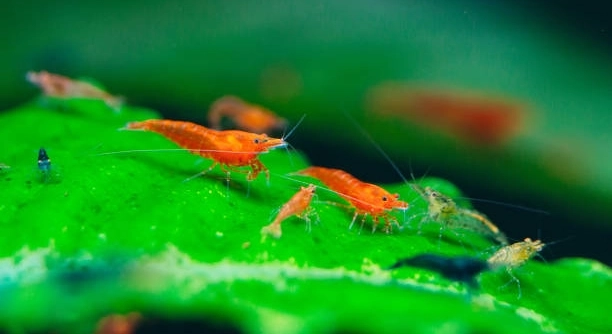
Have you ever noticed your shrimp gathering at one spot during feeding time? Watching them nibble around can make you wonder which type of food truly suits their habits best. Their behavior is subtle but telling. Shrimp generally prefer sinking food over floating food because it aligns with their natural bottom-feeding behavior. They tend to … Read more
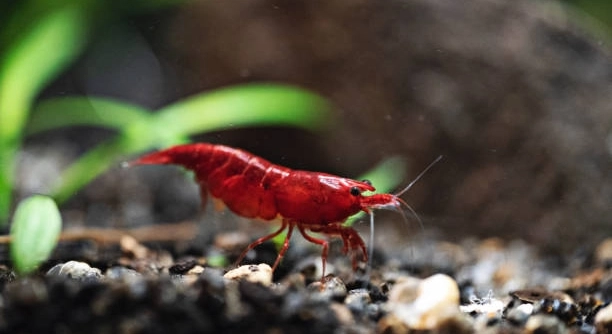
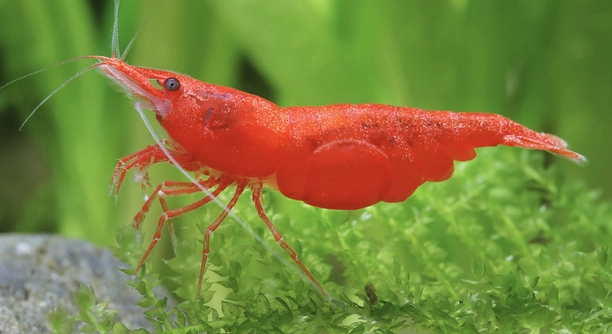
7 Reactions Cherry Shrimp Have to Sudden Lights

Sudden changes in lighting can have a noticeable impact on cherry shrimp. These small aquatic creatures are sensitive to their surroundings, and bright or abrupt light can trigger a variety of visible reactions in their behavior. Cherry shrimp often respond to sudden lights through rapid movement, hiding, or changing color. These responses serve as survival … Read more

Can Cherry Shrimp Sense Human Presence?

Have you ever noticed your cherry shrimp moving more quickly when you approach their tank? These tiny creatures seem to react to subtle changes around them, making their behavior fascinating to observe for any shrimp enthusiast. Cherry shrimp can sense human presence primarily through vibrations and changes in light. Their sensitive antennae detect movement and … Read more

Why Cherry Shrimp Might Sit Motionless All Day

Have you ever watched your cherry shrimp sit in one place for hours, making you wonder if their stillness is normal while you try to understand what their calm posture means for their comfort tank. Cherry shrimp often stay motionless because of normal resting patterns, molting stages, or stress linked to water conditions. This stillness … Read more

7 Reasons Your Cherry Shrimp Might Disappear

Have you ever noticed your cherry shrimp disappearing from your tank without any clear reason? It can be worrying when these tiny creatures vanish, leaving your aquarium feeling empty and your hard work seemingly undone. Cherry shrimp often disappear due to a combination of environmental stress, poor water quality, predation, insufficient hiding spots, overfeeding, illness, … Read more

Can Cherry Shrimp Distinguish Between Owners?

Do your cherry shrimp seem to respond differently when you approach their tank or feed them? Many shrimp owners notice subtle changes in behavior that hint at recognition and adaptation to human presence. Observing these tiny creatures can be surprisingly engaging. Cherry shrimp display limited ability to distinguish between individual owners. Research suggests their responses … Read more

7 Common Myths About Cherry Shrimp Behavior

Cherry shrimp are small, colorful creatures that many people enjoy keeping in aquariums. They seem simple, but their behavior is often misunderstood. Many myths about how they act can confuse even experienced shrimp keepers. Several common myths about cherry shrimp behavior exist, including misunderstandings about aggression, feeding habits, and breeding. Clarifying these misconceptions is important … Read more

Do Shrimp Act Up When They Sense a Storm Coming?

Have you ever noticed shrimp moving differently in their tanks or in the wild before bad weather arrives? Many observers find these tiny creatures seem to respond to changes in their surroundings almost instinctively. Shrimp exhibit behavioral changes when sensing approaching storms, including increased activity, hiding, or altered feeding patterns. These responses are linked to … Read more

7 Signs Your Shrimp Water Is Too Dirty

Have you ever set up a shrimp tank and noticed the water looking cloudy or dull over time? Maintaining clean water is an essential part of keeping shrimp healthy and happy in their small aquatic world. Shrimp water becomes too dirty primarily due to the buildup of waste, leftover food, and uneaten debris. Poor water … Read more

7 Signs Your Cherry Shrimp Are Too Hot

Are your cherry shrimp behaving differently in their tank as warmer conditions start to influence their routine, making you wonder if the temperature in their environment is beginning to affect their comfort and overall wellbeing. Cherry shrimp become too hot when elevated water temperatures disrupt their metabolic balance, leading to rapid breathing, decreased activity, color … Read more