
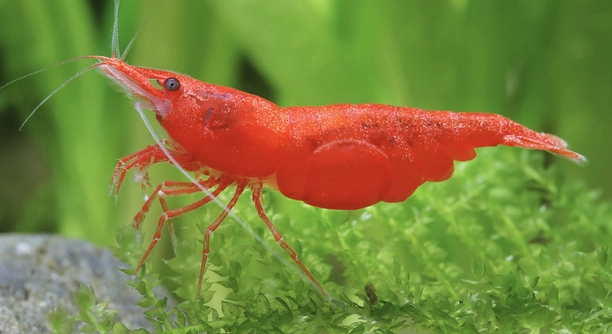
Do your cherry shrimp seem to respond differently when you approach their tank or feed them? Many shrimp owners notice subtle changes in behavior that hint at recognition and adaptation to human presence. Observing these tiny creatures can be surprisingly engaging.
Cherry shrimp display limited ability to distinguish between individual owners. Research suggests their responses are largely influenced by feeding routines and environmental familiarity rather than specific recognition of human faces or scents. Behavioral differences are subtle and context-dependent.
Understanding these small behavioral cues can enhance your interaction with cherry shrimp and improve their care within a home aquarium environment. Paying attention to patterns offers rewarding insights.
Recognizing Patterns in Cherry Shrimp Behavior
Cherry shrimp often react to consistent cues in their environment. Feeding times, water movement, and light changes shape their daily patterns. Over time, you may notice them moving toward the area you usually provide food, even before you place it in the tank. This is not a true recognition of you as an individual, but rather a learned association with reliable actions. Shrimp respond to stimulus rather than appearance or scent. Observing these behaviors helps in predicting their actions and ensuring their tank conditions remain optimal. Some shrimp will explore more actively when they detect motion near the tank, while others remain cautious. It is fascinating to watch how each shrimp develops slightly different routines based on their position in the tank and interactions with their environment. Paying attention to these small patterns allows for better care and a more engaging experience for the owner.
These patterns are consistent but vary depending on feeding habits, tank layout, and individual shrimp temperament.
Over time, understanding shrimp behavior becomes easier as you observe subtle signals. Their movements, pauses, and clustering near certain areas indicate comfort and anticipation. Recognizing these cues allows you to adjust feeding schedules, tank maintenance, and environmental stimuli. The way they gather near decorations or plants can reveal preferences and potential stress points. This attention to detail improves tank conditions and shrimp wellbeing. Behavioral observation is key for maintaining a healthy, thriving aquarium.
Interaction and Response to Humans
Cherry shrimp respond mainly to presence near the tank rather than specific individuals.
Movement outside the tank, shadows, or vibrations may prompt shrimp to hide or move closer, depending on previous experiences. They associate these cues with feeding or changes in their environment.
Repeated exposure to consistent, gentle interaction can make shrimp less skittish over time. While they do not form bonds like larger pets, they learn to anticipate routines. Feeding at similar times and performing tank maintenance in a calm manner helps shrimp adapt. Light changes or hand movement outside the tank influence their responses, and they may gather near areas associated with food or activity. Subtle variations in behavior among individuals are normal, reflecting differences in temperament and acclimation to the environment. Observing these responses provides insight into shrimp comfort levels and overall health. Paying attention to patterns ensures a calmer tank and more predictable interactions.
Feeding Responses
Cherry shrimp respond quickly to food presence. They cluster near areas where they expect feeding, showing anticipation and learned behavior. Repetition strengthens this response.
Consistent feeding routines help shrimp recognize patterns in their environment. Over time, they move toward specific areas when food is about to be introduced. This behavior is not recognition of a person but a conditioned reaction. Shrimp react to cues such as shadows, hand movements, or slight vibrations near the tank, which they associate with feeding. Observing these responses allows adjustments to feeding methods and timing, ensuring all shrimp access food efficiently. Monitoring their reactions can improve care routines.
Individual shrimp may respond differently based on size, age, or position in the tank. Some approach quickly, while others remain cautious or hidden. The way they group, move, and compete for food provides insight into social structure and comfort levels within the tank. By noting these subtle behaviors, you can provide more consistent feeding and reduce stress, creating a stable environment for all shrimp.
Environmental Influence
Tank layout and décor affect shrimp behavior and response to owners.
Cherry shrimp are highly sensitive to their surroundings, including plants, hiding spots, and water flow. They respond to changes in environment and can be more or less active depending on tank setup. Proper layout encourages exploration and natural behavior.
Shrimp are influenced by water parameters such as temperature, pH, and cleanliness. Sudden changes can trigger hiding or sluggish activity, while stable conditions promote regular movement and feeding behavior. Decorations and plants create safe zones, reducing stress and allowing shrimp to feel secure. Visibility from the tank front encourages movement when owners approach, which may appear as recognition but is actually a comfort response. Observing these patterns helps in arranging the tank to support natural shrimp activity and overall health, providing both safety and a stimulating environment that encourages predictable behavior.
Sensory Perception
Cherry shrimp react primarily to motion and vibrations rather than sight. Their sensory hairs detect nearby movement, prompting either curiosity or retreat depending on the situation.
They also respond to changes in light and shadow. These subtle cues guide their daily routines and influence how they behave when someone approaches the tank.
Routine and Conditioning
Shrimp develop consistent responses through repeated exposure to stimuli. Feeding at the same times encourages predictable movement patterns, while gentle maintenance routines reduce stress. Over time, shrimp associate certain actions with positive outcomes, such as approaching areas linked to food or activity. Observation of these behaviors helps maintain a balanced and calm environment.
Individual Differences
Each shrimp exhibits unique behavior based on temperament, size, and previous experiences. Some may be bolder around movement, while others stay cautious, highlighting the importance of observing each shrimp for tailored care.
Can cherry shrimp really tell their owners apart?
Cherry shrimp do not have the cognitive ability to recognize individual humans. Their reactions are based on learned associations with routines, movements, and feeding cues. Over time, they may respond more readily to certain people because of repeated interactions tied to food or activity near the tank. What appears as recognition is mostly conditioned behavior rather than actual identification. Observing this over weeks shows shrimp approaching areas where they anticipate feeding, regardless of who is present, indicating pattern recognition instead of owner differentiation.
Why do some shrimp react more than others?
Individual differences among shrimp influence how they respond to stimuli. Age, size, and temperament play significant roles. Younger shrimp or newly introduced individuals may hide more, while older or acclimated shrimp can appear bolder near movement. Some shrimp are naturally cautious and may take longer to show consistent responses, while others are more exploratory. Tank position also matters: shrimp near the surface or front may notice motion more quickly than those in dense vegetation or corners. Understanding these variations helps manage expectations and creates a calmer environment for all shrimp.
How do feeding routines affect behavior?
Feeding schedules are the primary factor that conditions shrimp behavior. Regular timing and consistent methods create predictable responses, like moving toward feeding zones when food is expected. Shrimp detect hand movement, shadows, and water vibrations associated with feeding. Over time, these cues trigger anticipatory activity. Irregular feeding can confuse shrimp, reduce approach behavior, and increase hiding. Observing the shrimp’s responses helps refine feeding practices and ensures all individuals receive adequate nutrition, while also providing insight into their daily activity patterns.
Do cherry shrimp respond to touch or direct interaction?
Cherry shrimp are highly sensitive to vibrations and water disturbances, but they do not enjoy being touched. Attempting to handle them usually triggers retreat. Their delicate exoskeletons and small size make physical contact stressful. Instead, indirect interactions, like observing or feeding them gently from outside the tank, are safer and more effective. Over time, shrimp may approach areas of repeated gentle activity, showing trust in the routine rather than in the person directly.
Can tank setup influence perceived recognition?
Yes. The arrangement of plants, hiding spots, and open swimming areas affects shrimp behavior. Shrimp near the front or open spaces notice movement more easily, which may give the impression they are responding to a specific owner. Dense decorations can reduce visibility, causing less movement and more hiding. Proper tank layout encourages natural exploration, reduces stress, and allows shrimp to establish predictable routines. Observing behavior in relation to the environment provides insight into how much their responses are influenced by surroundings rather than individual people.
Is it possible to train shrimp to respond consistently?
Training cherry shrimp is limited to conditioning through repetition. Regular feeding at specific locations and times encourages predictable movement patterns. Positive reinforcement through consistent, gentle actions can reduce skittish behavior. However, their cognitive abilities are modest, so expecting complex recognition or interaction is unrealistic. Consistency is key; over time, shrimp learn to associate certain cues with outcomes, like food presence, which appears as responsiveness. This process requires patience and attention to detail to maintain a calm and stress-free environment.
Why do shrimp sometimes ignore familiar cues?
Shrimp may fail to respond due to stress, water quality issues, or molting. Molting leaves them vulnerable, prompting hiding and reduced activity. Poor water conditions, including incorrect temperature, pH, or ammonia spikes, also affect behavior. Even familiar cues like movement or feeding signals may be ignored until the shrimp feel safe. Regular monitoring of water quality, tank conditions, and shrimp health ensures consistent responses and reduces sudden behavioral changes. Environmental stability is as important as routine for encouraging predictable interactions.
How can owners better observe shrimp behavior?
Patience and minimal disturbance are essential. Observing during calm periods, when lights and movement are stable, reveals natural behavior. Taking note of feeding patterns, preferred hiding spots, and reactions to external stimuli helps in understanding individual differences. Recording observations over time can track changes in health, activity, and social interactions. This careful observation allows owners to refine care practices, improve tank conditions, and foster an environment that supports consistent behavior without stressing the shrimp.
Do shrimp show preference for certain people?
Apparent preference is usually linked to consistency rather than individual recognition. Shrimp may respond faster to someone who regularly feeds or maintains the tank calmly, associating that person with food or environmental stability. It is not a true preference but a conditioned response based on repeated, predictable interactions. This reinforces the importance of consistent routines and gentle approaches for encouraging shrimp to display natural, active behavior.
Can stress affect recognition-like behavior?
Stress significantly impacts shrimp responsiveness. Overcrowding, sudden movements, poor water quality, or aggressive tank mates can reduce activity and apparent responsiveness. Shrimp may hide or remain inactive, giving the impression they do not recognize routine cues. Reducing stress through proper tank maintenance, adequate hiding places, and consistent handling improves overall behavior, making shrimp more predictable and engaged with their environment.
Cherry shrimp are small and delicate creatures whose behavior is shaped mainly by their environment and routines. While many owners enjoy observing their shrimp as if they recognize them personally, the reality is that these responses are primarily conditioned reactions. Feeding schedules, hand movements near the tank, and changes in lighting or water movement are the main factors that influence how shrimp behave. Over time, they may appear more active or curious when a specific person approaches, but this is a result of repeated exposure to predictable cues rather than actual recognition. Understanding this helps set realistic expectations for interaction and care.
Paying close attention to patterns in behavior is one of the most effective ways to support shrimp wellbeing. Observing how shrimp respond to food, shadows, and vibrations provides insight into their comfort levels and stress points. Some shrimp are bolder and more exploratory, while others prefer hiding and cautious movement. These differences are normal and can be influenced by age, size, and tank placement. A well-structured environment with plants, hiding spaces, and open swimming areas allows shrimp to express natural behavior safely. Maintaining stable water conditions, consistent feeding routines, and gentle handling contributes to predictable responses and reduces stress, ultimately promoting healthier, more active shrimp.
Interacting with cherry shrimp can be rewarding if approached with patience and care. While they may not form bonds like larger pets, they respond positively to regular, gentle routines that signal food or safety. By focusing on their environment and behavioral cues rather than attempting to elicit recognition, owners can enjoy observing subtle changes in activity and movement. This understanding allows for better management of tank conditions, feeding schedules, and overall shrimp health. Observing shrimp in this way makes it easier to notice changes in behavior that could indicate stress or health issues. Treating shrimp behavior as a reflection of environmental comfort rather than personal attachment encourages a calm and thriving tank, benefiting both the shrimp and their caretaker.

Hello,
If you enjoy the content that we create, please consider saying a "Thank You!" by leaving a tip.
Every little bit helps us continue crafting quality advice that supports the health, happiness, and well-being of pets around the world, for pets of all shapes, sizes, and species.
We really appreciate the kindness and support that you show us!