
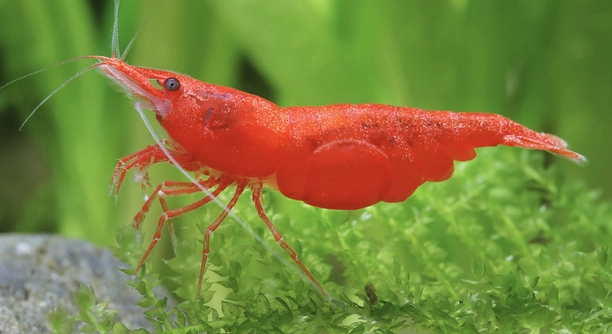
Have you ever noticed your cherry shrimp moving more quickly when you approach their tank? These tiny creatures seem to react to subtle changes around them, making their behavior fascinating to observe for any shrimp enthusiast.
Cherry shrimp can sense human presence primarily through vibrations and changes in light. Their sensitive antennae detect movement and subtle disturbances in water, allowing them to respond instinctively, often by hiding or swimming away from perceived threats in their environment.
Observing these shrimp reveals a delicate world influenced by both natural instincts and external stimuli. Their subtle reactions hold insights into their behavior and care.
How Cherry Shrimp Detect Movement
Cherry shrimp have highly sensitive antennae that help them detect vibrations in the water. These tiny feelers pick up on changes in their environment, such as someone approaching the tank or tapping on the glass. Even subtle movements, like a hand passing near the tank, can trigger a reaction. Their nervous system is designed to respond quickly to potential threats. When they sense these disturbances, they often swim toward hiding spots or plant cover. Observing them closely, I noticed that they pause or adjust their position whenever I move near their aquarium. This behavior is not random but a survival instinct. They rely heavily on these cues to stay safe. Lighting changes also influence their reactions, as sudden shifts can mimic the presence of predators. Over time, I found that quieter movements and softer handling reduce their stress levels. It makes their daily activity more predictable and calmer.
Their antennae are the main tool they use to notice nearby motion, helping them stay alert in their tank.
Watching cherry shrimp respond to subtle vibrations can teach a lot about their sensitivity. Their reactions show how finely tuned their senses are, and how important small environmental changes are. By adjusting how I move around their tank, I can create a calmer space. Even tiny water disturbances, like pouring food or adjusting decorations, cause noticeable responses. It made me more aware of how these little creatures experience their surroundings. They aren’t just reacting randomly; their behavior reflects careful attention to every shift in their habitat. Over time, I learned which actions startle them and which don’t. This understanding helps in feeding, cleaning, and rearranging their tank. Their instincts are strong, and respecting them improves their comfort and wellbeing. It’s fascinating to notice patterns in their responses and see that they are more aware than one might assume.
Light and Visual Sensitivity
Cherry shrimp are also responsive to changes in light, which can signal the approach of movement.
Lighting changes can affect their daily patterns. Bright lights or sudden shadows often make them retreat quickly. Their eyes are adapted to notice even minor variations in brightness, which is an additional layer of sensing beyond vibrations. I observed that gradually increasing light levels during the day keeps them more relaxed. Conversely, abrupt switching of overhead lights or flash photography causes them to hide immediately. This visual sensitivity works alongside their vibration detection to give a more complete awareness of the environment. They respond differently to natural sunlight versus artificial light, and their behavior can indicate which lighting conditions feel safer. Plant coverage also interacts with light, as shaded areas become preferred hiding spots. When I added taller plants, the shrimp had more comfort zones to manage stress from light changes. Consistent lighting and minimal sudden shadows help maintain a calmer, more stable tank environment. Understanding how light influences their perception allows for better care and a more predictable behavioral pattern. This is particularly useful when adding new tank elements or performing maintenance.
Managing light carefully helps them feel secure, and maintaining shaded areas gives them options to explore or hide without stress.
Stress Responses in Cherry Shrimp
Cherry shrimp react quickly to disturbances in their tank. Sudden movements or loud noises often make them hide. Stress can affect their feeding and activity patterns, so minimizing abrupt changes helps them stay comfortable.
When stressed, cherry shrimp may retreat to plants or decorations for safety. Their color can also fade slightly, indicating discomfort. I noticed that even small taps on the glass cause them to scatter, showing how sensitive they are. Over time, they seem to recognize routine movements, like regular feeding, and react less. Reducing stressors involves gentle handling, keeping consistent water parameters, and avoiding sudden disruptions. Observing these changes helps me adjust the tank environment to better suit their natural behavior.
Long-term stress can lead to slower growth and reduced molting. Maintaining a calm environment is crucial for their health. I learned that arranging hiding spots and avoiding sudden light or vibration changes improves their overall wellbeing. Regular observation allowed me to notice subtle stress signs, making it easier to act before it affects their growth or activity. Keeping the tank stable, with predictable routines, ensures they feel safe and encourages more natural, confident behavior over time.
Feeding Behavior and Human Interaction
Cherry shrimp often become more active during feeding times, responding to my presence near the tank.
They quickly detect the vibrations of food hitting the water and move toward it. I noticed that consistent feeding routines help them anticipate my approach. Their behavior changes slightly if I feed at irregular times, making them more cautious. Watching them eat revealed how responsive they are to small cues. Some shrimp wait near the surface, while others cautiously explore from hiding spots. Feeding allows observation of both their sensitivity and social behavior, as some shrimp dominate while others hang back. Understanding these patterns makes it easier to provide proper nutrition without causing unnecessary stress.
Feeding behavior also shows their comfort level with nearby activity. When I moved slowly and gently, they were more willing to explore openly. Introducing new food types required patience, as initial hesitation often indicated caution. Over time, observing reactions helped me gauge which feeding methods were least disruptive. Their responsiveness illustrates a mix of instinct and learned behavior, reflecting both survival instincts and adaptation to human interaction. By watching their reactions closely, I could tailor feeding routines to keep the shrimp active, healthy, and comfortable in the tank environment.
Tank Environment and Awareness
Cherry shrimp respond strongly to the arrangement of plants and decorations in their tank. Hiding spots and open swimming areas influence how they move when humans approach.
Smooth surfaces and low clutter reduce sudden reactions. Overcrowded tanks make them skittish, while a well-organized space allows more predictable behavior.
Social Behavior and Human Presence
Cherry shrimp often react differently when they are in groups. They communicate through subtle movements, and seeing another shrimp respond to a disturbance can trigger similar behavior. I noticed that some shrimp act as leaders, exploring cautiously while others follow. Human activity sometimes causes synchronized hiding or movement, showing their social awareness and reliance on visual and vibrational cues from tank mates. Group behavior also reduces stress, as the presence of multiple shrimp creates a sense of safety. Observing these interactions helps me understand which areas of the tank are most comfortable for them and how they respond collectively to my presence.
Adapting to Routine
Over time, cherry shrimp adjust to regular human activity in the tank. They become less reactive during predictable actions.
FAQ
Can cherry shrimp recognize individual humans?
Cherry shrimp do not recognize humans individually. Their responses are based on movement, vibrations, and light changes rather than personal recognition. Over time, they may become accustomed to a specific person’s regular movements, which reduces stress during feeding or maintenance. I noticed that consistent routines make them less skittish, even if they do not truly “know” me.
Do they react to hand movements outside the tank?
Yes, cherry shrimp are very sensitive to vibrations. Even gentle hand movements outside the glass can cause them to pause or swim away. I learned to move slowly and steadily around the tank to avoid startling them. Small taps or sudden gestures trigger immediate hiding, showing their instinctive caution.
Can cherry shrimp sense when someone is feeding them?
Absolutely. They respond to vibrations caused by food hitting the water, and some even seem to anticipate feeding if it happens at consistent times. I observed that their activity increases near the surface when I approach with food, showing their learned association between human presence and feeding.
Do all shrimp in the tank react the same way?
Not exactly. Some are bolder and explore openly, while others stay near plants or decorations. Group behavior matters too, as one shrimp’s reaction can influence the rest. I noticed that timid shrimp often follow the lead of braver ones when responding to movement or changes in light.
Are they more active during the day or night?
Cherry shrimp tend to be more active in low-light conditions, though activity varies by individual. I found they explore more in shaded areas or during evening hours when lighting is softer. Daytime activity is often limited to feeding or moving between hiding spots. Adjusting light gradually helps maintain their natural rhythms.
Can loud noises outside the room affect them?
Yes, vibrations travel through water and tank surfaces. Loud noises or footsteps near the aquarium sometimes make them hide or cluster in sheltered areas. I noticed they startle more easily when the tank is on a shared surface like a wooden table compared to a solid, quieter stand.
Do they respond differently to new objects in the tank?
Introducing new decorations or plants can cause temporary stress. Cherry shrimp often retreat until they get used to changes. I observed that placing objects slowly and allowing the water to settle helps them adapt faster, minimizing hiding and unusual activity patterns.
How long does it take for them to get used to human presence?
Adaptation varies, but consistent routines can reduce skittish behavior within a few weeks. I noticed that daily feeding at the same time and gentle movement around the tank helped them remain calmer and more predictable over time.
Do shrimp notice shadows from moving people?
Yes, sudden shadows can mimic predator movements, prompting hiding. I learned that approaching slowly or keeping hands out of the light path reduces these sudden reactions. They seem to react more to rapid changes than gradual ones.
Can vibrations from tank equipment affect their behavior?
Constant vibrations from filters or air pumps can stress shrimp if too strong, though they generally adjust over time. I found that placing equipment carefully and reducing unnecessary tapping or adjustments keeps them calmer and more active.
Is it possible to train shrimp to be less skittish?
While “training” is limited, they can learn to associate gentle, predictable movements with safety. I noticed that when feeding or cleaning the tank calmly, shrimp become less reactive over time. Repetition and consistency are key for reducing stress responses.
Do shrimp respond to water temperature changes from human contact?
Yes, sudden temperature changes from hands in the water can startle them. I always ensure that water temperature is stable during maintenance to avoid unnecessary stress. Gradual changes are easier for them to adjust to, keeping behavior normal and feeding consistent.
Can cherry shrimp sense vibrations from other pets?
They can detect vibrations from other animals nearby, such as cats or dogs walking near the tank. I observed that sudden movement from other pets often causes them to retreat, highlighting their sensitivity to indirect disturbances.
Are there differences between young and adult shrimp?
Younger shrimp are usually more cautious and hide more frequently, while adults may explore more openly but still respond to sudden disturbances. I noticed that juveniles tend to follow safer routes and remain near cover, learning from adult behavior.
Do shrimp react to people tapping on the glass?
Yes, tapping on the glass is highly stressful for them. Even light tapping can trigger immediate hiding. I avoid tapping altogether, as it disrupts feeding and exploration patterns, and repeated stress can affect overall health.
Can they sense my presence if I am sitting quietly nearby?
If I sit still, they often resume normal activity. They are more responsive to movement or sudden changes than passive presence. Sitting quietly near the tank allows me to observe natural behaviors without causing unnecessary stress.
Does tank size affect their awareness of humans?
Smaller tanks make vibrations and movement more noticeable to shrimp, while larger tanks give them more distance and hiding options. I noticed that in bigger tanks, shrimp have more choice to react calmly, and their stress is easier to manage.
How do shrimp communicate fear or awareness to each other?
They use body movements and swimming patterns to signal caution. I observed that when one shrimp reacts to a disturbance, others often follow or hide, showing a form of social awareness that enhances their survival instincts.
Can shrimp distinguish between sudden and gentle movements?
Yes, gentle, predictable actions cause less stress, while sudden or abrupt movements trigger immediate hiding. I adapted my approach around the tank accordingly, creating a calmer environment and observing more natural behavior over time.
Do they react to reflections or shadows on the tank glass?
Reflections and shadows can startle shrimp, especially if unexpected. I noticed they often investigate briefly, then retreat. Positioning lighting and avoiding sudden reflections reduces stress and helps maintain normal activity patterns.
Is there a difference between male and female shrimp in sensing humans?
Males are often more active and exploratory, while females tend to be cautious, especially when carrying eggs. I observed that females hide more quickly in response to disturbances, likely prioritizing safety for reproduction.
Can they sense vibrations from water changes?
Yes, adding water or rearranging decorations creates vibrations that trigger hiding. I pour water slowly and avoid sudden splashes to minimize stress. Over time, they adjust if changes are consistent and gentle, allowing for calmer responses during maintenance.
Does feeding frequency impact their responsiveness to humans?
Regular feeding helps shrimp associate human presence with positive experiences. Inconsistent feeding makes them more cautious. I noticed that predictable routines lead to more confident swimming and less hiding, showing that positive reinforcement shapes their reactions over time.
Are shrimp more reactive in newly set-up tanks?
Yes, newly established tanks make shrimp more cautious. They are unfamiliar with the environment and any human activity feels riskier. I found that providing hiding spots and minimal disruption helps them adapt faster and reduces stress.
Do they sense vibrations from outside the room, like footsteps or furniture movement?
They do. Vibrations travel through floors and walls, sometimes startling them even if no one is near the tank. I noticed that placing the tank on a sturdy surface reduces these effects and keeps them calmer during daily activities.
Can their behavior indicate water quality issues?
Changes in activity or hiding frequency sometimes reflect water conditions. I observed that lethargy or excessive hiding often coincides with poor water quality. Monitoring these behaviors helps me maintain a healthier environment for the shrimp.
Do cherry shrimp react to people wearing bright clothing near the tank?
Bright colors can trigger curiosity or caution, depending on movement. I noticed that quick, colorful movements made them pause or hide, while slow, neutral movements caused minimal reaction. This shows they respond to visual cues as well as vibrations.
Can repeated exposure to the same person reduce stress?
Yes, consistency in handling and presence helps them adapt. Over time, I noticed less hiding and more natural activity during regular feeding or maintenance, showing that routine human presence reduces stress responses effectively.
Does the type of substrate affect their awareness?
Soft, planted substrates offer more hiding options and reduce stress. Hard, bare substrates make vibrations more noticeable, causing quicker reactions. I adjusted substrate choice to balance activity and safety for a calmer tank environment.
Can cherry shrimp sense multiple people near the tank at once?
They react more strongly to multiple disturbances, often hiding or clustering. I noticed that fewer people around the tank allows for calmer behavior and better observation of natural movement patterns.
Do they react to reflections from aquarium equipment?
Reflections can confuse or startle them, especially if moving quickly. I observed that positioning equipment carefully and reducing glare creates a calmer environment, helping them focus on feeding and exploration rather than perceived threats.
Can shrimp sense temperature changes from sunlight through the glass?
Yes, sudden sunlight can warm parts of the tank quickly. I noticed that shrimp often move to shaded areas in response, demonstrating sensitivity to even minor temperature shifts. Planning lighting and shading helps maintain stability.
Does human movement affect molting behavior?
Stress from nearby activity can delay molting or make shrimp hide more than usual. I ensure calm and consistent routines, which supports healthy molting cycles and overall activity. Observing their comfort helps time maintenance and feeding effectively.
Can they sense water current changes caused by equipment or humans?
Yes, sudden currents or flow changes startle shrimp. I noticed that slow, consistent water movement reduces stress, while abrupt changes from equipment adjustments cause hiding. Managing currents carefully helps maintain normal behavior and activity patterns.
Are they more sensitive in smaller tanks?
Smaller tanks amplify vibrations and disturbances, making shrimp react faster. I observed that even slight taps or movements are more noticeable, while larger tanks provide distance and more hiding spots, reducing stress.
Do they show signs of curiosity toward humans?
Sometimes, bold shrimp approach slowly when humans are present. I noticed that this is more common when feeding, showing cautious interest. Their behavior is a mix of instinct and adaptation rather than true recognition.
Can repeated stress from human presence affect lifespan?
Chronic stress may impact health and molting cycles, though occasional disturbance is tolerated. I prioritize gentle interaction and routine to support longevity, keeping activity calm and predictable.
Do shrimp communicate fear through water movement?
Yes, swimming patterns and sudden shifts alert others. I noticed that one shrimp fleeing often causes others to hide, reflecting social awareness and instinctive reactions to perceived threats.
Does aquarium location in the room matter?
Placing tanks in quieter areas reduces vibrations and sudden light changes. I found that low-traffic spots help shrimp maintain calm behavior, minimizing stress from movement and environmental disturbances.
Can they detect humans through glass thickness differences?
Glass thickness slightly dampens vibrations, but they still respond. I noticed thinner glass makes them more reactive, while thicker panels reduce sensitivity to outside movement, creating a calmer environment for observation.
Do shrimp respond to shadow patterns from plants?
Yes, shadows can simulate movement. I observed that moving plants in bright light sometimes startles them, while static plants create safe zones. Consistent arrangements help shrimp feel secure and active naturally.
Can gentle vibrations be used to attract them?
Yes, slight vibrations from food or tapping gently on decorations can encourage movement. I use this carefully during feeding to guide shrimp without causing stress, supporting predictable and calm behavior.
Are they more cautious during breeding periods?
Females carrying eggs are particularly cautious and hide more. I noticed that they react strongly to nearby activity, preferring sheltered areas to protect themselves and offspring until eggs are released.
Do they respond differently to new people?
Yes, unfamiliar movements make them more cautious. I observed that over repeated visits, shrimp gradually tolerate new presence, but initial reactions are usually hiding or retreating until they adapt.
Can sudden temperature drops affect behavior?
Rapid cooling can stress shrimp, causing hiding or slower movement. I always monitor temperature stability to prevent unnecessary reactions, keeping them comfortable and active.
Does water clarity influence responsiveness?
Clear water makes shrimp more alert to movement, while slightly tinted or planted tanks reduce perceived threats. I noticed that plant cover and controlled visibility help them feel secure and move confidently.
Are shrimp able to sense hand vibrations even without touching the tank?
Yes, vibrations travel through water and tank surfaces. I noticed that even hovering hands can trigger slight reactions, so slow, gentle movement around the tank minimizes unnecessary stress.
Do they react to reflections from windows?
Reflections sometimes startle shrimp as they resemble sudden movement. I arranged the tank to reduce glare and sudden light shifts, which helped maintain calm activity.
Can their hiding spots indicate comfort levels?
Yes, frequent use of shelters shows caution or stress. I observed that when shrimp feel safe, they explore more openly, indicating that their environment supports comfort and natural behavior.
Do they sense vibrations from nearby electronics?
Occasionally, vibrations from nearby devices are noticeable. I found that placing the tank away from heavy electronics reduces stress, keeping shrimp calmer during daily observation.
Are there differences in reactions between species of dwarf shrimp?
Different species vary in sensitivity. I noticed that cherry shrimp are generally cautious but responsive to vibration and light, while other species may tolerate more movement or activity, requiring adjustments in care.
Does tank decoration material affect sensing?
Hard, reflective surfaces amplify vibrations, while soft plants dampen them. I noticed that adding moss and soft plants reduces startling reactions and encourages exploration, supporting calmer behavior patterns.
Can they sense slow versus fast movements differently?
Yes, slow, predictable movements are less stressful, while sudden actions trigger immediate hiding. I adjusted my routine accordingly, creating a more relaxed environment for observation and feeding.
Does background noise affect behavior?
Constant, low-level noise has little effect, but sudden loud sounds startle shrimp. I noticed that keeping background noise steady helps maintain normal activity and reduces unnecessary hiding.
Are shrimp aware of water level changes?
Yes, rapid changes can cause stress. I learned to refill tanks slowly and maintain consistent levels, which keeps shrimp comfortable and minimizes hiding during routine maintenance.
Do they respond to vibrations from furniture being moved?
Yes, vibrations travel through floors. I noticed that sudden shifts in nearby furniture make shrimp hide, emphasizing their sensitivity to environmental disturbances beyond the tank itself.
Can shrimp sense vibrations from other aquariums nearby?
Yes, strong vibrations from other tanks may cause caution. I positioned tanks carefully to reduce overlapping disturbances, allowing each group of shrimp to behave normally.
Do they respond to my presence if I am silent and still?
They often resume normal behavior if I remain calm. Their reactions are more sensitive to movement or sudden changes than passive presence, which allows observation without stress.
Are juvenile shrimp more skittish than adults?
Yes, juveniles tend to hide more and explore cautiously. I observed that adults take the lead in group reactions, teaching younger shrimp by example which areas are safer.
Can repeated gentle exposure reduce hiding behavior?
Yes, consistent, calm presence over time helps them feel safe. I noticed that gentle feeding and careful tank work gradually decreased frequent hiding and increased natural activity.
Do they respond differently to filtered versus still water?
Filtered water with steady flow is less stressful than abrupt currents. I found that sudden surges or changes make shrimp hide, while gentle, consistent filtration supports calmer behavior.
Can shrimp detect vibrations through the floor if I stand nearby?
Yes, even floor vibrations from standing or walking can startle them. I observed that staying still reduces unnecessary hiding, keeping their activity predictable and calm.
Do shrimp react to reflections from shiny objects outside the tank?
Yes, moving reflections can startle them. I arranged the tank to reduce glare, helping maintain normal exploration and feeding patterns without triggering unnecessary stress.
Can they sense small hand movements near the tank?
Yes, even subtle hand movements outside the tank create detectable vibrations. I learned to move slowly and predictably to avoid startling them while performing daily care.
Do they react to music or rhythmic sounds?
They respond more to vibrations than actual sound. I noticed subtle shaking from speakers can make them pause, but soft or distant music usually does not disturb normal behavior.
Can repeated disturbances affect molting or reproduction?
Yes, frequent stress may impact molting and egg carrying. I noticed that minimizing abrupt movements and maintaining routine supports healthier growth and reproduction cycles.
Does water temperature influence sensitivity to movement?
Yes, extreme temperatures can increase stress responses. I maintain stable, appropriate temperatures to ensure shrimp react naturally without excessive hiding or reduced activity.
Are some shrimp naturally bolder than others?
Yes, individual temperament varies. I observed that some shrimp explore openly while others stay cautious, and group dynamics influence how each reacts to movement or light changes.
Do they sense the presence of other animals outside the tank?
Yes, vibrations and sudden movements from pets can trigger hiding. I noticed that keeping animals at a distance reduces unnecessary stress and allows shrimp to maintain normal behavior.
Can they distinguish between light and shadow changes caused by humans?
Yes, they react to sudden shadows as potential threats. I noticed gradual lighting changes are less stressful, supporting calmer swimming and feeding behavior.
Do cherry shrimp show signs of curiosity or investigation toward humans?
Occasionally, bolder shrimp approach slowly during feeding. I noticed they explore cautiously but always remain sensitive to movement, reflecting a balance of instinct and adaptation to routine human presence.
Can they sense vibrations from people walking near the tank?
Yes, even distant footsteps can cause reactions. I observed that minimizing abrupt movement near the tank reduces stress and allows for more natural activity patterns.
Does the type of tank cover influence their awareness?
Yes, transparent or reflective covers may create visual cues that startle them. I found that non-reflective covers reduce sudden hiding and encourage calmer exploration.
Are shrimp more reactive when tanks are newly set up?
Yes, new environments make them cautious. I noticed that providing hiding spots and avoiding sudden disturbances helps them acclimate faster and reduces stress-induced hiding.
Can they detect vibrations from hand movements under the tank?
Yes, vibrations transmitted through the tank surface alert them. I learned to avoid tapping or leaning on the tank to prevent unnecessary hiding or stress.
Do they react to shadows from moving people or objects outside the room?
Yes, sudden shadows can startle shrimp. I observed that consistent lighting and minimizing outside movement reduces stress and supports normal behavior patterns.
Can they detect slow versus fast water movements?
Yes, slow, gentle water movement is less stressful, while sudden surges trigger hiding. I adjusted filtration and water flow to support calm and natural behavior.
Do cherry shrimp respond differently to tall versus low decorations?
Yes, taller plants provide more hiding options, which reduces stress. I noticed that low decorations leave them exposed, making them react more quickly to movement.
Can vibrations from nearby construction or heavy equipment affect them?
Yes, strong external vibrations startle them. I found that placing the tank in a stable, low-traffic area minimizes these disruptions, keeping shrimp calmer and more active.
Do they respond to gentle taps on plants or decorations?
Yes, small taps can attract attention without causing stress if done slowly. I use this to encourage
Cherry shrimp are small, delicate creatures with surprisingly strong instincts for detecting their surroundings. From vibrations in the water to subtle changes in light, these tiny animals are constantly aware of movement near them. Observing them over time, I noticed that their reactions are consistent and predictable when conditions are stable. They rely on their antennae to sense motion and vibrations, which helps them respond quickly to potential threats. Even small disturbances outside the tank, like a hand hovering nearby or a shadow crossing the glass, can trigger hiding behavior. This sensitivity is not a sign of fragility but a reflection of how finely tuned their sensory system is. It became clear to me that understanding these responses is key to creating a calm and supportive environment. By minimizing sudden movements and keeping routines consistent, I found that shrimp behave more naturally and seem less stressed.
The tank environment itself plays a significant role in how cherry shrimp respond to humans. Plants, decorations, and open spaces all affect their comfort levels. Shrimp often retreat to hiding spots when they feel unsafe, and they choose these spaces based on how secure and sheltered they feel. Over time, I observed that rearranging decorations gradually or adding more plants allowed the shrimp to adjust more easily. Lighting is another factor that influences their behavior. Sudden changes in brightness can startle them, while gradual adjustments make them feel more secure. Their reactions to vibrations, shadows, and water currents are all interlinked with the way the tank is set up. Learning how to manage these elements created a calmer, more predictable environment. As a result, their natural behavior, such as swimming, exploring, and feeding, became easier to observe and enjoy.
Human interaction can also be managed to reduce stress for cherry shrimp. Consistent routines, gentle movements, and careful feeding times all help them feel more comfortable around people. I noticed that over weeks of careful observation, shrimp began to react less strongly to my presence when I approached slowly or performed maintenance consistently. They still rely on instincts, so sudden movements, tapping, or loud noises can cause temporary hiding, but these behaviors decreased as the shrimp adapted to predictable patterns. Feeding time is a great opportunity to observe their responsiveness, as they become more active when they sense food but still react cautiously to sudden disturbances. Understanding how they sense and respond to the environment allows for better care and promotes a healthier, more active tank. By paying attention to their responses and making small adjustments, it is possible to create a space where cherry shrimp can thrive while remaining responsive to their natural instincts.

Hello,
If you enjoy the content that we create, please consider saying a "Thank You!" by leaving a tip.
Every little bit helps us continue crafting quality advice that supports the health, happiness, and well-being of pets around the world, for pets of all shapes, sizes, and species.
We really appreciate the kindness and support that you show us!