
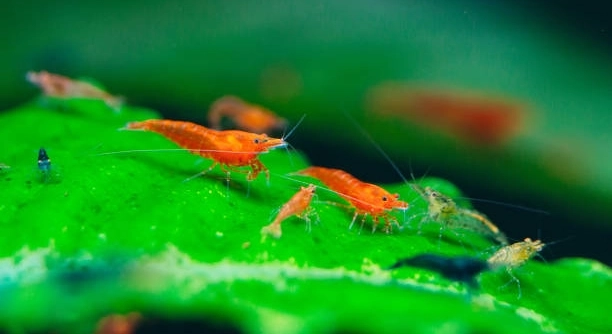
Have you ever watched your cherry shrimp sit in one place for hours, making you wonder if their stillness is normal while you try to understand what their calm posture means for their comfort tank.
Cherry shrimp often stay motionless because of normal resting patterns, molting stages, or stress linked to water conditions. This stillness conserves energy, supports essential physiological changes, and reflects their natural response to stable or shifting elements in their environment daily.
These details can help you understand their routine, offering a simple look at what shapes their calm and steady behavior.
Common Reasons for Their Stillness
Cherry shrimp can appear motionless for long periods when simple factors in their routine influence how they behave each day. Their periods of stillness often come from natural rest, quiet molting phases, or small shifts in their surroundings that make them pause and settle in place. When they are preparing to molt, their bodies work harder than usual, so they hold still to protect themselves and save energy. Poor lighting, sudden movement near the tank, or a recent change in water parameters can also make them stay in one spot until they feel calm again. Even stable environments can lead them to rest for a while, especially after feeding when their activity naturally slows down. By paying attention to these patterns, you can see that much of their quiet behavior is part of their normal rhythm, helping them stay healthy while they adjust to their tank each day.
Watching these calm stretches can help you understand the simple signals your shrimp show as they manage their energy and respond to small changes around them. Their still moments often highlight natural needs, making it easier for you to support their comfort and overall stability in the tank each day.
When you notice longer periods of stillness, it helps to focus on small details that show how well your shrimp are managing their daily needs. Stable water conditions, gentle lighting, and steady feeding habits all support their calm behavior, reducing the chances of stress or discomfort. Their quiet pauses can also reflect moments when they are conserving energy for upcoming growth or adjusting after mild environmental changes. By watching these signs closely and keeping their habitat consistent, you can create a place where their stillness is simply part of a healthy routine rather than a sign of trouble for them.
How Tank Conditions Shape Their Behavior
Light fluctuations, filtration flow, and overall tank balance can shape how active your shrimp feel throughout the day. Small imbalances often interrupt their comfort, causing brief stillness that resolves once conditions stabilize. Keeping these factors steady supports their routine and helps them remain relaxed and engaged in their environment today.
Maintaining proper tank conditions is one of the most effective ways to support steady behavior in cherry shrimp, since their reactions often reflect the balance of their surroundings. Clean water, regular maintenance, and stable parameters can keep them from showing unnecessary stress, making their still moments more predictable and easier to understand. When ammonia or nitrite rises, even slightly, shrimp often retreat to quiet areas and limit movement until the water becomes safe again. Temperature shifts can have a similar impact, encouraging them to rest more as they adjust to the change. Gentle, consistent lighting prevents sudden reactions that might make them freeze in place. Filtration flow also shapes their comfort, since strong currents push them to conserve energy by staying still. When everything remains balanced, their behavior becomes calmer, and they move through their space with steady confidence. Watching these patterns helps you determine when their stillness is normal and when it may signal something worth correcting. By giving attention to each element of their habitat, you can keep their environment comfortable, allowing them to remain active, healthy, and secure without unnecessary disruptions. This simple approach supports their natural habits and encourages a calm rhythm throughout their daily life.
Subtle Signs of Stress
Cherry shrimp often show small hints of discomfort through reduced movement, hiding spots chosen more often than usual, or slower reactions to activity around the tank. These signs can appear quickly, and noticing them early helps you understand what may be affecting their comfort and routine.
Changes in water quality are one of the most common reasons for subtle stress, since even small shifts in ammonia, nitrite, or temperature can influence their behavior. When these levels rise, shrimp often pause activity and stay close to safe areas where they feel more protected. Overfeeding can also contribute to stress, since leftover food affects the cleanliness of the tank, creating conditions that make them rest more than normal. Watching how they interact with their environment helps you recognize when these shifts occur, making it easier to adjust their care. Simple steps like consistent testing and maintenance keep them steady and reduce the likelihood of stress-driven stillness.
Some shrimp show stress through gentle color fading, slower grazing, or choosing to remain motionless in plants or corners for extended periods. These small behaviors can indicate that something in their surroundings needs attention. Loud noises near the tank, strong currents, or frequent disturbances can also make them stay still longer than they normally would. When you focus on soft, consistent patterns in their behavior, it becomes easier to determine when stillness comes from natural rest and when it comes from discomfort. With careful observation, you can support their calm and help them feel settled in their space.
Natural Resting Patterns
Cherry shrimp have natural cycles of activity and rest throughout the day, and some individuals spend more time still than others. These resting periods are perfectly normal, especially after feeding or during times when the tank environment feels stable enough for them to relax without interruption. Their quiet pauses often reflect simple daily patterns.
Stillness becomes more common when shrimp are preparing for a molt, since their bodies use extra energy to form a new shell. During these times, they often rest more, limit exploring, and remain tucked into gentle areas where they feel secure. Light levels also shape their resting habits, since dim conditions often make them slow down for longer stretches. Even the layout of the tank influences these patterns, with plants and soft hiding spots encouraging natural pauses. When you recognize these cycles, their stillness becomes easier to understand, giving you insight into how they manage their energy and comfort each day.
How Molting Affects Their Stillness
Molting often leads to long periods of quiet behavior, since shrimp conserve energy while forming and shedding their old shell. During this time, they choose safe spots and limit activity to protect themselves from stress or disturbance while their bodies complete this natural process.
Right before and right after a molt, they may avoid grazing, exploring, or interacting with their surroundings. Their stillness usually fades once they adjust to their new shell. Keeping their tank stable supports smoother molts and reduces the amount of time they remain motionless during this delicate stage.
When Stillness Becomes a Warning
Stillness becomes more concerning when it comes with loss of color, labored movement, or refusal to eat for extended periods. These signs often point to something in their environment that needs attention. Consistent testing and quick adjustments help protect their health and prevent ongoing issues that affect their comfort.
Why Observation Matters
Watching their daily patterns helps you understand when stillness is normal and when it may signal a developing problem. These small moments of awareness allow you to support their needs more effectively and keep their tank conditions balanced.
FAQ
Why do cherry shrimp stay in the same spot for long periods?
Cherry shrimp often remain still when they are resting, adjusting to lighting, or responding to small environmental changes. Their calm behavior can appear unusual, but it is usually a natural part of their routine. They slow down after feeding, during periods of digestion, or when the tank feels stable enough for them to relax without interruption. Many shrimp use stillness as a way to conserve energy, especially when preparing for growth or when settling into a new environment. Their quiet posture can also reflect moments when they feel secure, choosing one comfortable area instead of moving around constantly. When these pauses appear smooth and not strained, they are usually harmless.
Is it normal for cherry shrimp to stop moving after a water change?
Changes in water conditions can affect their behavior, especially if the temperature or parameters shift more than expected. Even small variations can make them rest until they feel balanced again. Shrimp are sensitive to new conditions, so they often stay still while adjusting. As long as movement returns within a short period, the reaction is considered normal.
Why do cherry shrimp hide and stay motionless at the same time?
Hiding while staying still is common when shrimp feel unsure of new surroundings or when something in the tank startles them. Plants and shaded areas help them feel safer, so they may tuck themselves away until they feel comfortable again. This behavior also supports their need to rest or prepare for a molt. When hiding becomes frequent and prolonged, it may signal that the tank needs a check for water quality, strong flow, or excessive noise near the aquarium.
Do cherry shrimp stay still when the lighting is too bright?
Bright lighting can make them seek shelter and reduce movement. Cherry shrimp prefer gentle, steady light that does not change too quickly. Sudden shifts from dark to bright can startle them, causing a freeze response. When the tank lighting is kept soft and consistent, they tend to graze more and use the space with ease.
Can overfeeding cause cherry shrimp to remain motionless?
Overfeeding can affect their energy levels and increase waste in the tank. When the water becomes less stable from leftover food, shrimp often rest more and avoid excessive movement. They may also feel sluggish after eating too much. Controlled portions and regular cleaning help reduce these issues.
Do cherry shrimp stay still when preparing to molt?
Before molting, shrimp conserve energy, making long periods of stillness very common. Their bodies work to form a new shell, and they choose calm spots to avoid stress. After shedding, they stay still again while their fresh shell hardens. This pattern is normal and should not cause concern unless paired with clear signs of discomfort.
Why do some shrimp stay still while others remain active?
Individual shrimp have different activity levels, shaped by age, personality, and position in the tank. Younger shrimp often explore more, while older ones may settle in calm areas for longer stretches. Tank layout also influences activity. Some areas offer better comfort, encouraging certain shrimp to pause there more often.
How long is too long for cherry shrimp to remain motionless?
Stillness becomes concerning when it lasts several hours without any sign of grazing, swimming, or gentle antenna movement. If stillness pairs with color fading, weak posture, or refusal to eat, these signs mean the tank should be checked promptly. Water testing usually gives the best clues.
Should I move a shrimp that looks motionless?
It is better not to move a motionless shrimp unless absolutely necessary. Handling can increase stress. Observing from a distance allows you to see whether they are resting, molting, or reacting to something in the tank. Addressing the environment first is usually safer and more effective.
Can stress from tank mates make a shrimp stay still?
Active or territorial tank mates can discourage shrimp from moving freely. Even peaceful fish can cause stress if the shrimp feel crowded. A calm tank with gentle companions helps them feel secure enough to resume normal grazing and movement. Adding plants and hiding spots also supports their comfort.
Final Thoughts
Cherry shrimp often rely on subtle cues in their environment, so their moments of stillness are usually tied to simple needs, soft adjustments, or natural pauses that help them stay comfortable. When you observe them closely, you begin to recognize how each small shift in lighting, flow, or water quality can affect the way they move from one part of the tank to another. Their quiet behavior is not always a sign of trouble. Many times it reflects their steady rhythm as they rest, graze, and adjust to whatever changes occur around them. When you keep their space consistent and gentle, they settle into patterns that are easy to read, allowing you to understand what makes them feel secure. With time, it becomes easier to see the difference between their peaceful stillness and those rare moments when something needs attention. This understanding grows naturally when you stay patient and let their behavior guide your awareness.
Stillness becomes more meaningful when you take a moment to look beyond the surface and focus on what it might represent. A shrimp resting after a meal, a shrimp preparing for a molt, or a shrimp adjusting to new water can all appear motionless, yet each situation carries a different purpose that supports their well-being. Their ability to communicate through behavior rather than sound makes these quiet pauses important. They tell you when things feel stable, when something is slightly off, and when conditions need a gentle correction. By watching their posture, their color, and the way they respond to movements around the tank, you gain a clearer picture of how they are handling their environment. This makes it easier to care for them in a way that feels calm and manageable, even when the situations change from day to day. Many keepers find that once they learn these patterns, they feel more connected to their shrimp, noticing details that once felt too small to matter.
Caring for cherry shrimp becomes simpler when you understand that their behavior often speaks louder than anything else. Their stillness can serve as a reminder to slow down, observe, and let their natural habits guide your approach. You do not need to make sudden changes or guess at every small shift they show. Instead, you can support them through balanced water conditions, stable temperatures, gentle lighting, and a tank layout that encourages comfort. These basic elements create a foundation where their quiet moments feel natural rather than alarming. As you continue to watch them grow, molt, and explore at their own pace, you will find that their stillness becomes just another familiar part of their routine. This perspective makes caring for them more enjoyable and helps you respond with confidence whenever something in the tank shifts or needs attention.

Hello,
If you enjoy the content that we create, please consider saying a "Thank You!" by leaving a tip.
Every little bit helps us continue crafting quality advice that supports the health, happiness, and well-being of pets around the world, for pets of all shapes, sizes, and species.
We really appreciate the kindness and support that you show us!