
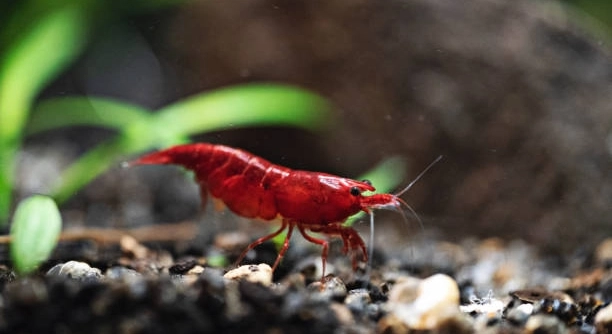
Sudden changes in lighting can have a noticeable impact on cherry shrimp. These small aquatic creatures are sensitive to their surroundings, and bright or abrupt light can trigger a variety of visible reactions in their behavior.
Cherry shrimp often respond to sudden lights through rapid movement, hiding, or changing color. These responses serve as survival mechanisms, helping them avoid perceived threats while adjusting their activity levels in reaction to environmental stressors and maintaining overall well-being.
Observing these behaviors can help you create a calmer, healthier environment for your shrimp, ensuring they thrive under more stable lighting conditions.
Rapid Darting Movements
When sudden lights hit their tank, cherry shrimp often start darting around quickly. This reaction is their instinctive response to perceived danger. Rapid movements help them avoid predators in the wild, and in captivity, it is still a natural reflex. You may notice shrimp zigzagging across plants, rocks, and substrate, stopping only briefly before changing direction. These bursts of motion can be surprising at first, but they usually settle after a short time. The intensity of the reaction often depends on the brightness of the light and how abruptly it is introduced. Younger shrimp tend to move more erratically, while adults might exhibit controlled bursts. Observing these movements can provide insight into their comfort levels and stress responses. Adjusting lighting gradually can reduce these sudden reactions. Over time, shrimp become accustomed to predictable light patterns, showing less frantic activity and maintaining more regular feeding and resting behaviors in their habitat.
These sudden movements can stress shrimp if repeated often. Maintaining gradual light changes reduces tension and promotes calmer behavior in the tank.
Tracking these bursts over several days allows you to identify patterns. Shrimp may react more strongly during certain periods or when new objects are added. Providing hiding spots and gentle lighting schedules can help them feel secure, encouraging natural foraging and interaction while minimizing stress-induced movements. Consistency in light exposure ensures shrimp remain healthy and active without unnecessary panic responses.
Hiding and Seeking Shelter
Cherry shrimp often retreat to hiding spots immediately after a bright light turns on. This behavior is natural and helps them feel safe from sudden changes.
Shrimp use plants, rocks, and decorations as protective barriers. They may stay hidden for several minutes, especially if the light is intense or the tank environment feels exposed. Regular observation helps understand which areas provide the most comfort. Over time, consistent lighting routines can reduce frequent hiding. Providing ample cover ensures shrimp feel secure, allowing them to explore when ready.
Color Changes
Cherry shrimp may shift their color slightly when exposed to sudden lights. Their pigments react to stress, creating darker or paler shades depending on the intensity and duration of the light. These changes are usually temporary and reverse once the shrimp feel safe.
Color shifts are part of their natural stress response. Sudden brightness can trigger chromatophores in their skin to contract or expand, altering how their colors appear. Darker shades can indicate fear or a defensive state, while lighter tones may show a reaction to discomfort. Watching these changes can help gauge their overall stress levels and tank comfort.
Consistent lighting and a calm environment reduce these color fluctuations over time. Shrimp gradually adapt to predictable light patterns, maintaining more stable coloration. Providing hiding spots also allows them to regulate exposure and feel secure, encouraging normal feeding and social interactions without prolonged color stress.
Antennae Retraction
Shrimp quickly pull in their antennae when lights suddenly brighten. This reaction protects sensitive sensory organs and reduces exposure to potential threats.
Antennae retraction helps shrimp assess immediate danger while limiting movement until they determine safety. They rely on these sensors to navigate, find food, and communicate, so protecting them is vital. Sudden light triggers the reflex, but gradual acclimation can lessen the intensity of this response. Shrimp often extend them again once they feel secure, resuming normal exploration and interaction within the tank environment.
Freezing in Place
Cherry shrimp sometimes freeze completely when exposed to sudden bright lights. This pause is a defensive response, allowing them to assess their environment before moving.
Freezing helps shrimp avoid detection by potential threats. Remaining motionless reduces visibility and gives them a moment to decide their next move.
Tail Flicking
Tail flicking is a rapid movement shrimp use to propel themselves backward. Sudden lights can trigger this reflex, allowing quick escape from perceived danger. It is a natural survival mechanism that helps them navigate stress safely within their tank.
Clustering Together
Shrimp may gather in groups when lights change abruptly. Huddling near plants or decorations provides security and comfort.
Reduced Feeding
Sudden bright lights can make shrimp temporarily stop eating. They focus on safety first, returning to normal feeding once the environment feels secure.
Why do cherry shrimp react to sudden lights?
Cherry shrimp are naturally sensitive to changes in their environment. Sudden brightness can be interpreted as a potential threat. Their reactions, like darting, hiding, or freezing, are survival instincts inherited from wild ancestors. These behaviors help them avoid predators and quickly assess safety. Even in a controlled tank, these instincts remain strong. By observing these responses, you can learn how your shrimp perceive their surroundings and adjust care routines accordingly. Over time, gradual exposure to light can help shrimp feel more secure and reduce extreme reactions.
Is it harmful if my shrimp hide when lights turn on?
Hiding is a normal, protective behavior and is not inherently harmful. It allows shrimp to feel safe while they assess potential threats. Stress becomes a concern only if hiding is constant and they never emerge to feed or interact. Ensuring adequate cover, such as plants and decorations, helps them feel secure while reducing stress. Gradual light adjustments also encourage shrimp to explore without feeling the need to retreat continuously.
Why do cherry shrimp change color under sudden lights?
Color changes are caused by the contraction or expansion of chromatophores in their skin. Bright light triggers this response as part of a stress mechanism. Darker colors may indicate heightened alertness or fear, while lighter shades can appear during discomfort. These shifts are temporary and typically reverse once the shrimp feel safe again. Monitoring color changes can help identify periods of stress and allow you to adjust lighting intensity or schedule. Over time, shrimp exposed to consistent lighting patterns show more stable coloration.
What does tail flicking mean in response to light?
Tail flicking is a rapid, reflexive movement that allows shrimp to quickly move backward. Sudden bright light can trigger this as an escape response. This reflex is part of their natural survival behavior and is not a sign of illness. Tail flicking usually happens in bursts and is followed by hiding or freezing. Observing the frequency and intensity can help gauge how stressed the shrimp are and whether lighting adjustments are needed. Consistent light exposure and gentle acclimation reduce the frequency of tail flicking over time.
Do shrimp eat less when exposed to sudden lights?
Yes, sudden bright lights can temporarily suppress feeding. Shrimp prioritize safety over eating, often retreating to cover and pausing foraging. Once they perceive their environment as safe, feeding resumes normally. Maintaining predictable lighting schedules and providing sufficient hiding spots encourages regular feeding behavior, helping shrimp stay healthy and active.
How can I reduce stress from sudden lights?
Gradual lighting changes are key. Turning lights on slowly or using dimmers allows shrimp to adjust without panic. Providing plants, rocks, or other hiding spots gives them a secure space to feel safe. Observing their behavior and noting reactions to different light intensities helps create a stable, low-stress environment. Over time, shrimp acclimate and show fewer extreme reactions.
Are some shrimp more sensitive to light than others?
Yes, sensitivity varies with age, color morph, and individual temperament. Younger shrimp often react more strongly, while older shrimp may handle changes calmly. Redder color morphs sometimes appear darker under sudden light because of their pigmentation response. Understanding individual differences allows for better tank management and helps maintain a balanced environment where all shrimp feel safe.
Will repeated exposure to sudden lights harm my shrimp?
Frequent exposure to abrupt bright lights can cause stress if shrimp have no opportunity to hide or acclimate. Chronic stress may lead to reduced feeding, weaker immune response, and slower growth. Using gradual lighting schedules and providing consistent hiding spaces prevents prolonged stress and keeps shrimp healthy and active.
How long does it take for shrimp to adjust to new lighting?
Adjustment time varies depending on individual sensitivity and tank conditions. Some shrimp acclimate within minutes, while others may take several days to feel comfortable. Gradual increases in light intensity and stable daily routines accelerate adaptation. Observing shrimp behavior, like reduced darting and consistent feeding, indicates they are adjusting successfully.
Can hiding spots reduce negative reactions to light?
Yes, hiding spots are essential for managing stress from sudden lights. Plants, rocks, and decorations offer security, allowing shrimp to regulate exposure and feel safe. A well-structured environment encourages exploration and normal activity while minimizing panic responses caused by abrupt changes in lighting. Consistency in tank layout and cover placement is equally important.
Sudden changes in lighting can have a noticeable impact on cherry shrimp, and understanding their reactions is important for maintaining a healthy tank. These small creatures rely heavily on their senses to feel safe, and bright lights can trigger instinctive responses such as darting, hiding, tail flicking, or freezing in place. Each reaction serves a specific purpose, whether it is avoiding perceived threats or assessing the environment. Observing how your shrimp respond to different lighting conditions can provide valuable insight into their comfort levels and help you create a more stable habitat. Over time, consistent light patterns and gradual exposure can reduce extreme reactions, allowing the shrimp to feel secure and behave naturally.
Providing hiding spots, such as plants, rocks, or decorations, is one of the simplest ways to minimize stress from sudden lights. Shrimp use these areas to regulate exposure and feel protected when they sense potential danger. Offering ample cover ensures they can explore the tank at their own pace without constantly retreating. In addition, adjusting lighting gradually rather than turning it on abruptly helps shrimp acclimate without panic. Even small steps, like dimming the lights for a few minutes before turning them fully on, can make a noticeable difference. Monitoring behavior, color changes, and feeding patterns allows you to see if your shrimp are adjusting well or showing signs of stress that require attention.
Over time, shrimp adapt to predictable lighting and can maintain normal activity, feeding, and social behaviors. Understanding their reactions is not only helpful for reducing stress but also for ensuring overall well-being. Each shrimp may respond differently depending on age, color, or temperament, so paying attention to individual behavior is important. Consistency in tank setup, light schedules, and hiding spaces contributes to long-term comfort and health. By creating a calm environment and carefully managing lighting, you support the natural instincts of your cherry shrimp while promoting a more relaxed and thriving tank ecosystem. Observing these small changes and responding thoughtfully helps your shrimp live a balanced and healthy life.

Hello,
If you enjoy the content that we create, please consider saying a "Thank You!" by leaving a tip.
Every little bit helps us continue crafting quality advice that supports the health, happiness, and well-being of pets around the world, for pets of all shapes, sizes, and species.
We really appreciate the kindness and support that you show us!