7 Signs Your Rainbowfish Tank Needs Upgrading

Are your rainbowfish showing signs of stress or dull colors despite regular care? Many fishkeepers encounter situations where their tank no longer meets the needs of their vibrant aquatic pets. Proper environment matters for their health. A rainbowfish tank may require upgrading when fish display lethargy, faded coloration, stunted growth, or aggressive behavior. Tank size, … Read more
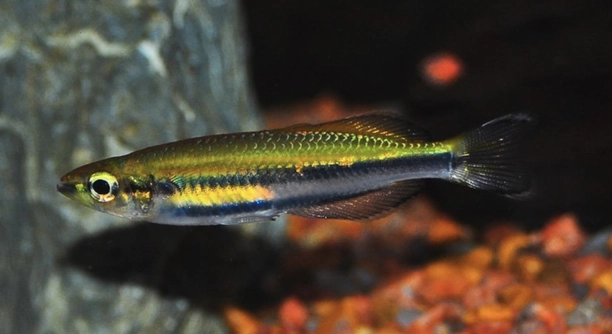
Do Rainbowfish Sleep the Same Time Each Day?

Many aquarium keepers notice daily patterns in their fish behavior and routines, especially around rest. Understanding how rainbowfish respond to light, activity, and environment helps explain their predictable rhythms without overcomplicating natural habits overall observations. Rainbowfish generally follow consistent sleep periods influenced by light cycles and environmental stability. When kept in stable aquariums, they rest … Read more

Why Rainbowfish May Become Lethargic

Do your rainbowfish seem less active lately, floating quietly instead of swimming energetically around the tank? Many fish owners notice this change and may feel concerned about their pet’s overall health and well-being. Rainbowfish may become lethargic due to poor water quality, incorrect temperature, inadequate diet, or underlying illnesses. Ensuring stable environmental conditions and proper … Read more

Why Rainbowfish Avoid the Tank Filter

Rainbowfish are lively and colorful fish that bring charm to home aquariums. They often swim in groups and explore their surroundings, but some tank features make them uneasy, affecting their natural behavior and comfort. Rainbowfish tend to avoid the tank filter due to the strong water currents it produces. Excessive flow can cause stress, disrupt … Read more

How to Tell If Rainbowfish Are Fighting

Do you ever find yourself watching your rainbowfish swim and notice sudden bursts of chasing or nipping? These bright and active fish can sometimes show aggression, leaving owners unsure whether it’s normal behavior or actual fighting in the tank. Rainbowfish fighting is typically indicated by chasing, biting, flaring fins, and sudden rapid movements. Territorial disputes … Read more

How to Boost Rainbowfish Color Naturally

Rainbowfish are admired for their vibrant colors, yet many aquarists notice their hues fading over time. Maintaining a bright, healthy appearance involves more than just clean water; diet and environment play a crucial role. Enhancing rainbowfish coloration naturally relies on providing a nutrient-rich diet, optimal lighting, and a stress-free environment. High-quality foods containing carotenoids, along … Read more

7 Little Ways to Bond With Your Fish

Fish are often seen as quiet companions, yet they can respond to gentle interaction. Spending time with them can be a rewarding experience. Simple efforts can turn ordinary aquarium moments into meaningful bonding opportunities for both. Bonding with fish can be achieved through consistent, calm interaction, observation of their behavior, and thoughtful engagement. Feeding routines, … Read more

Are Rainbowfish Nocturnal? (What to Know)

Rainbowfish are colorful freshwater fish that brighten up home aquariums. Their shimmering scales and peaceful nature make them popular among aquarists seeking a lively yet calm addition to their tanks. They thrive in well-maintained environments with stable conditions. Rainbowfish are not strictly nocturnal. They are primarily diurnal, showing most activity during daylight hours while resting … Read more

7 Causes of Tail Nipping in Community Tanks

Do your community tank fish sometimes nip at each other’s tails, leaving frayed fins and stress behind? This behavior can be unsettling for hobbyists who aim for harmony in their aquariums. Tail nipping is common yet preventable. Tail nipping in community tanks is typically caused by stress, overcrowding, poor nutrition, incompatible tank mates, territorial disputes, … Read more

Are Rainbowfish Better in Pairs or Groups?

Are your rainbowfish showing signs of stress or lethargy in your aquarium? Observing their behavior closely can reveal whether they thrive better in small pairs or larger groups in a home tank environment. Rainbowfish generally display stronger social interactions and reduced stress levels when kept in groups rather than pairs. Groups of at least six … Read more