
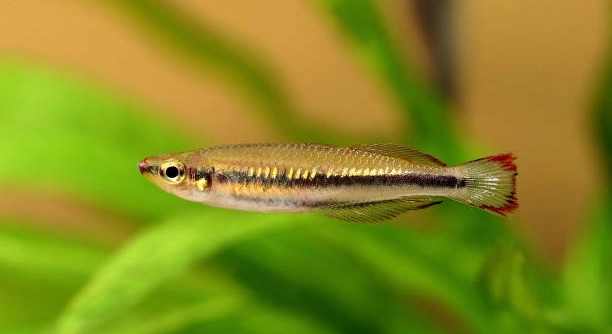
Rainbowfish are lively and colorful fish that bring charm to home aquariums. They often swim in groups and explore their surroundings, but some tank features make them uneasy, affecting their natural behavior and comfort.
Rainbowfish tend to avoid the tank filter due to the strong water currents it produces. Excessive flow can cause stress, disrupt swimming patterns, and make it difficult for them to maintain position, leading to repeated avoidance of areas with high water movement.
Learning how to manage water flow and tank setup can improve their well-being and create a calmer, more enjoyable environment for these active fish.
Understanding Rainbowfish Behavior
Rainbowfish are naturally sensitive to their environment, which affects how they interact with elements in the tank. They prefer calm water with gentle movement, as strong currents can overwhelm them. Their behavior is guided by instinct to conserve energy, avoid stress, and maintain balance while swimming. Sudden or continuous strong water flow can make them swim erratically, hide more often, or cluster away from the affected area. This is especially noticeable around tank filters, which often create unpredictable turbulence. Additionally, young or smaller rainbowfish are more prone to avoidance because they cannot compete with stronger currents, making hiding spots and mid-water areas more appealing. Observing their patterns and noting where they spend most of their time can help you adjust the tank layout. Adding plants, decorations, or flow-reducing accessories can redirect water movement and make the aquarium feel safer. Small adjustments can significantly improve their activity levels, feeding habits, and overall comfort in the tank.
Tank placement and water flow adjustments can help rainbowfish feel more secure.
Careful tank arrangement, including hiding areas and gentle flow zones, encourages natural swimming behavior and reduces stress caused by strong currents near the filter.
Managing Tank Flow and Comfort
Controlling water flow is essential to keep rainbowfish active and healthy. Filters with high output may need adjustments or positioning changes to reduce direct current exposure.
Installing flow diffusers or redirecting the filter output can make water movement gentler. Floating plants and driftwood help break up strong currents, providing calm areas for rainbowfish to rest or explore. Monitoring fish behavior after these changes is important to ensure they feel comfortable and continue normal feeding and social activity. Regular maintenance, including partial water changes, ensures water quality remains stable, which is another factor in keeping rainbowfish stress-free. Combining these strategies creates a tank environment that respects their natural preferences, balancing oxygenation and circulation with calm swimming zones. Over time, rainbowfish will begin using more areas of the tank, demonstrating improved confidence and overall well-being. Attention to these details allows for a visually appealing tank while supporting the fish’s health and happiness.
Choosing the Right Filter
Not all filters are suitable for rainbowfish tanks. Choosing a filter with adjustable flow or a sponge filter can provide adequate filtration without overwhelming the fish. Placement also matters to ensure calmer zones where rainbowfish can swim comfortably.
Adjustable filters allow you to control water movement, creating areas of gentle flow that suit rainbowfish. Sponge filters offer filtration with minimal current, keeping the water clean while reducing stress on smaller or weaker swimmers. Positioning the filter output towards a corner or behind plants further softens the current, giving fish space to avoid turbulence. Regular observation helps identify if the flow is still too strong, allowing you to make small adjustments. A properly chosen filter improves water quality while maintaining an environment where rainbowfish can thrive.
Filter maintenance is key to performance and comfort. Cleaning the filter regularly prevents clogging, maintains flow consistency, and reduces sudden bursts of strong current, keeping the tank stable for the fish.
Creating Calm Zones
Providing areas with slower water movement helps rainbowfish feel secure and encourages natural behavior. Plants, rocks, and decorations can break currents and offer shelter.
Arranging decorations and plants strategically creates micro-environments with different flow levels. Tall plants can reduce surface turbulence, while rock formations and driftwood offer hiding spaces and calmer water pockets. These zones allow rainbowfish to explore freely while retreating when they need rest or feel stressed. Observing their favorite areas over time helps in adjusting decor placement. Creating diverse water zones not only supports mental well-being but also encourages healthy swimming patterns, feeding behavior, and social interaction, resulting in a more balanced and active aquarium.
Adjusting Tank Flow
Slowing down water flow can make a big difference for rainbowfish. Redirecting the filter output or using flow-reducing attachments creates calmer areas where they can swim without stress.
Flow adjustments should be gradual. Sudden changes can startle the fish, so small steps ensure they adapt comfortably to the new conditions.
Using Plants and Decorations
Live or artificial plants, driftwood, and rocks break up strong currents while providing hiding spaces. These elements allow rainbowfish to navigate safely and reduce stress, encouraging natural swimming patterns and social behavior. Proper placement creates gentle zones and enhances overall tank harmony, making it more comfortable for the fish.
Monitoring Fish Behavior
Regular observation helps identify areas where rainbowfish feel uncomfortable. Watching their movement and hiding patterns ensures flow adjustments are effective and the tank environment supports their well-being.
FAQ
Why do rainbowfish avoid the filter completely?
Rainbowfish avoid filters mainly due to strong water currents that can make them feel stressed or unsafe. They are small, active swimmers who prefer calm areas. Continuous exposure to high flow can disrupt their natural swimming patterns, forcing them to seek quieter zones in the tank.
Can strong filtration harm rainbowfish physically?
Yes, overly strong filtration can lead to exhaustion or even minor injuries. Rainbowfish may struggle against strong currents, causing them to bump into decorations or the tank walls. Over time, this can stress their muscles and reduce their appetite, making them more vulnerable to disease.
How can I reduce stress caused by the filter?
Adjusting the filter flow, redirecting the output, or using flow-reducing accessories can reduce stress. Adding plants, rocks, or driftwood near the filter creates calm zones and allows rainbowfish to swim freely while avoiding turbulent water. Observing their behavior after adjustments ensures the environment suits their needs.
Are certain filter types better for rainbowfish?
Filters with adjustable flow or sponge filters are generally better. Adjustable filters let you control water movement, and sponge filters provide filtration without strong currents. Both options keep water clean while creating a more comfortable environment for rainbowfish to swim and interact.
How can I tell if my rainbowfish are stressed?
Signs of stress include hiding frequently, swimming erratically, clustering in calm areas, or avoiding food. Changes in color or lethargy can also indicate stress. Paying attention to these behaviors helps identify issues early and allows you to adjust tank conditions for their comfort.
Do plants help rainbowfish cope with strong currents?
Yes, plants can slow down water flow and provide shelter. Tall plants reduce surface turbulence, while smaller plants create pockets of calm throughout the tank. Strategically placing plants ensures rainbowfish have multiple safe areas to retreat when the filter creates strong currents.
How often should I check filter placement and flow?
Regular observation is important, at least weekly. Monitor rainbowfish swimming patterns and note areas they avoid. Adjusting filter direction or flow gradually helps maintain a balanced environment. Consistent checks prevent stress before it impacts their health or behavior.
Will rearranging decorations improve filter avoidance issues?
Rearranging decorations can make a noticeable difference. Rocks, driftwood, and plants can break up strong currents and provide calmer zones. Observing how rainbowfish use these areas allows for fine-tuning placement, ensuring they feel safe and can swim comfortably throughout the tank.
Is partial water change affected by filter placement?
Yes, water changes can temporarily alter flow patterns. Performing changes slowly and monitoring filter output ensures rainbowfish aren’t exposed to sudden strong currents. Preparing calm zones and adjusting decorations during maintenance keeps the tank safe and stress-free.
Can multiple rainbowfish help each other cope with the filter?
Yes, rainbowfish are schooling fish and often feel safer in groups. Being in a group can reduce stress as they mimic each other’s swimming patterns. However, even in schools, they will avoid areas with strong currents, so flow management remains important.
Do young rainbowfish react differently to filters than adults?
Younger or smaller rainbowfish are more sensitive to strong currents because they have weaker swimming strength. They are more likely to hide or stay in calmer areas. Providing gentle flow zones and multiple hiding spots is essential for their growth and comfort.
How long does it take for rainbowfish to adjust to filter changes?
Adjustment varies, usually a few days to a couple of weeks. Gradual flow reduction and careful observation help them adapt without stress. Watching their swimming patterns and feeding behavior indicates whether the changes are effective and if further adjustments are needed.
Are there signs that the filter setup is perfect for rainbowfish?
Yes, signs include rainbowfish exploring all areas of the tank, swimming actively without panic, feeding normally, and using calm zones naturally. Consistent, relaxed behavior and vibrant coloration indicate the filter setup supports their comfort and overall well-being.
Can strong flow affect breeding behavior?
Strong currents can discourage breeding. Rainbowfish prefer calm areas for spawning and caring for eggs. Providing quiet zones with gentle flow increases the likelihood of natural breeding behaviors and protects developing eggs from being swept away.
Is it necessary to explain these adjustments to someone else caring for the tank?
Yes, consistent care ensures rainbowfish experience minimal stress. Anyone handling maintenance should know proper filter adjustments, calm zones, and observation techniques. Clear communication prevents accidental changes that could disrupt their environment.
Does temperature interact with flow to affect rainbowfish behavior?
Temperature and flow together influence activity. Colder water can slow swimming, making strong currents more challenging, while warmer water increases activity, potentially intensifying stress in turbulent areas. Maintaining stable temperatures complements proper flow for healthier fish.
How important is observing behavior daily?
Daily observation is very important. Rainbowfish quickly show signs of stress or discomfort. Noticing subtle changes early allows for timely adjustments, preventing long-term health problems and ensuring the tank remains a comfortable, active habitat.
Can filter noise contribute to avoidance?
Yes, filters that produce strong vibrations or noise can add stress. Quiet, smooth-running filters reduce overall tension in the tank, making rainbowfish more willing to swim near the filter and explore all areas comfortably.
Is it okay to have multiple flow zones in one tank?
Absolutely. Multiple flow zones allow rainbowfish to choose their preferred swimming areas. Gentle areas support resting and feeding, while moderate currents encourage exercise. This variety mimics natural habitats, promoting mental stimulation and physical health.
Can flow reduction affect water quality?
Reducing flow must be balanced with proper filtration. Gentle flow still needs to maintain cleanliness and oxygenation. Using flow diffusers or additional aeration can compensate, ensuring rainbowfish remain healthy without stress from strong currents.
Final Thoughts
Rainbowfish are active, colorful fish that thrive in calm and stable environments. Their natural behavior is shaped by instinct, including the need to avoid strong currents that could cause stress or interfere with swimming. Tank filters are essential for maintaining clean water, but high-flow filters can be overwhelming for these fish. Observing where rainbowfish spend most of their time in the tank is the best way to understand how water movement affects them. By paying attention to their patterns, aquarists can create an environment that meets both the fish’s physical needs and comfort levels, allowing them to swim freely, feed normally, and interact with their group naturally.
Adjusting filter flow is one of the simplest yet most effective ways to improve the tank environment. Filters with adjustable outputs or sponge filters reduce strong currents while keeping water clean and well-oxygenated. Redirecting the filter output, using flow-diffusing decorations, or adding live and artificial plants helps create gentle zones for rainbowfish. These calm areas allow the fish to rest and explore without fear of turbulence. Gradual adjustments are important because sudden changes can startle the fish or make them retreat further. Over time, fish will learn to use more areas of the tank, showing increased confidence, social interaction, and overall well-being.
Maintaining the tank properly also plays a major role in supporting rainbowfish comfort. Regular water changes, careful observation, and thoughtful placement of decorations contribute to a stable and stress-free environment. Monitoring fish behavior daily helps identify when adjustments are needed, whether it is flow modification, rearranging plants, or adding new calm zones. Understanding the balance between filtration, water movement, and habitat structure ensures the fish remain healthy and active. Creating a harmonious tank setup may take effort, but it results in rainbowfish that display vibrant colors, natural swimming patterns, and relaxed behavior, reflecting an aquarium environment that truly suits their needs.

Hello,
If you enjoy the content that we create, please consider saying a "Thank You!" by leaving a tip.
Every little bit helps us continue crafting quality advice that supports the health, happiness, and well-being of pets around the world, for pets of all shapes, sizes, and species.
We really appreciate the kindness and support that you show us!