
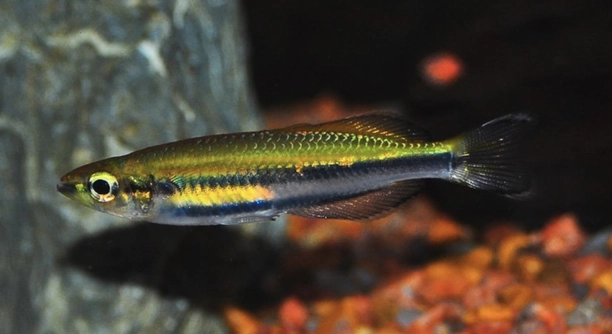
Do your rainbowfish seem less active lately, floating quietly instead of swimming energetically around the tank? Many fish owners notice this change and may feel concerned about their pet’s overall health and well-being.
Rainbowfish may become lethargic due to poor water quality, incorrect temperature, inadequate diet, or underlying illnesses. Ensuring stable environmental conditions and proper nutrition is essential for maintaining their activity levels and overall health in captivity.
Understanding the factors that influence their energy can help you provide better care. This guide will explain why lethargy occurs and how to address it effectively.
Common Causes of Lethargy in Rainbowfish
Rainbowfish can become less active for several reasons. One of the main factors is water quality. Poor water conditions, such as high ammonia, nitrite, or nitrate levels, can stress fish and reduce their energy. Temperature fluctuations also play a role, as rainbowfish need stable water within their preferred range. In addition, diet can affect activity levels. A lack of proper nutrients or feeding irregularities can leave them sluggish. Overcrowding or incompatible tank mates may cause stress, leading to lethargy. Even subtle changes, like new decorations or lighting adjustments, can temporarily affect their behavior. Illnesses, parasites, or infections can also reduce energy. Observing fish behavior closely, testing water regularly, and maintaining a clean, well-balanced tank can help identify and correct these issues. Regular monitoring is key to ensuring rainbowfish remain active and healthy.
Maintaining stable water conditions and a proper diet is essential for rainbowfish to stay energetic. Stress and illness can easily slow them down.
Watching your fish closely allows you to notice early signs of problems. Correcting water issues, adjusting diet, and keeping a calm environment can restore energy and prevent further lethargy, helping your rainbowfish thrive consistently.
Water Quality and Tank Environment
Regular water testing is critical. Even small changes in pH, ammonia, or temperature can affect rainbowfish behavior. Consistent filtration and partial water changes keep the environment stable, reducing stress.
Proper tank size, balanced stocking, and clean substrate are vital for their well-being. A stable environment promotes natural activity and reduces illness risk. Temperature should remain steady, avoiding sudden shifts. Decorations and hiding spots help fish feel secure, encouraging movement. Aeration and gentle water flow improve oxygen levels, which supports energy. Observing the fish’s swimming patterns and color can indicate if water conditions are optimal. Regular tank maintenance, combined with monitoring, ensures rainbowfish remain active and healthy over time. Consistency is more important than frequent changes, as sudden adjustments can trigger lethargy. Creating a supportive environment helps prevent stress-related health issues. By maintaining proper water chemistry, filtration, and space, rainbowfish can maintain their energy, enjoy natural behaviors, and display vibrant coloration, which reflects overall health and care.
Diet and Nutrition
Rainbowfish need a varied diet to maintain energy. Feeding only one type of food can lead to nutrient deficiencies and lethargy.
High-quality flakes, pellets, and occasional live or frozen foods like brine shrimp or daphnia provide essential proteins and vitamins. Overfeeding, however, can pollute the water and cause stress, so balance is important. Consistent feeding times help regulate their metabolism and activity levels. Observing how your fish respond to different foods can guide dietary adjustments. Supplements may be needed if deficiencies appear. Fresh vegetables or spirulina can enhance coloration and overall vitality. A well-rounded diet supports energy, immune health, and natural behavior, keeping rainbowfish active and lively throughout the day.
Providing a balanced diet combined with proper portion sizes ensures that rainbowfish stay energetic. Paying attention to their feeding habits helps identify early signs of health or nutrition issues before lethargy becomes severe.
Stress and Social Dynamics
Stress often results from overcrowding, aggressive tank mates, or sudden environmental changes. Rainbowfish may hide or stay still when uncomfortable.
A calm and stable social environment helps reduce stress. Keeping compatible species together and providing ample space prevents competition. Frequent rearrangements or noisy surroundings can trigger lethargy, so minimal disturbance is best. Observing how fish interact allows adjustments to prevent bullying or isolation. Adding plants or decorations for hiding spots improves comfort. Avoiding drastic lighting changes also supports stability. Understanding the natural social behavior of rainbowfish ensures they feel secure, encouraging regular activity and interaction. Maintaining a stress-free environment is essential for their long-term energy and health.
Illness and Parasites
Illnesses or parasites can cause rainbowfish to become inactive. Common signs include faded color, clamped fins, and reduced swimming.
Prompt identification and treatment are crucial. Quarantining affected fish and using appropriate medications can prevent spread and restore activity. Maintaining tank hygiene reduces the risk of infections.
Temperature and Water Fluctuations
Sudden changes in water temperature or chemistry can stress rainbowfish. Even small shifts can slow metabolism and reduce movement. Maintaining a stable temperature within their preferred range and monitoring pH and hardness ensures energy levels remain consistent and fish stay healthy.
Observation and Early Intervention
Noticing small changes in behavior can prevent severe lethargy. Regular observation helps identify issues early. Adjusting diet, water, or social conditions promptly keeps rainbowfish active and minimizes long-term health risks.
FAQ
Why is my rainbowfish suddenly swimming less?
Sudden lethargy can result from changes in water quality, temperature, or tank environment. Stress from new tank mates, overcrowding, or poor diet can also reduce activity. Monitoring water parameters and observing interactions helps identify and correct the cause quickly.
Can poor diet make rainbowfish inactive?
Yes, an unbalanced diet lacking proteins, vitamins, or essential nutrients can leave rainbowfish sluggish. Feeding a variety of high-quality flakes, pellets, and occasional live or frozen foods ensures energy levels remain consistent. Overfeeding should also be avoided, as it can pollute the water and stress the fish.
How often should I test water for rainbowfish?
Testing water at least once a week is recommended. Key parameters include ammonia, nitrite, nitrate, pH, and temperature. Consistent monitoring helps catch early issues before they affect activity and health, ensuring a stable environment that supports natural behavior.
Could temperature changes make them lethargic?
Yes, rainbowfish are sensitive to fluctuations in temperature. Sudden drops or rises can slow metabolism, leading to inactivity. Maintaining a steady temperature within their preferred range and avoiding rapid changes is essential for keeping them active.
Can tank mates cause lethargy?
Aggressive or incompatible tank mates can stress rainbowfish, causing them to hide or reduce swimming. Ensuring peaceful species and adequate space reduces stress. Hiding spots and decorations allow fish to feel secure and maintain regular activity levels.
How do I know if my fish is sick?
Signs of illness include faded colors, clamped fins, unusual swimming patterns, loss of appetite, or excessive hiding. Prompt observation and early intervention, including quarantining affected fish and treating with appropriate medications, can prevent worsening conditions.
Is overcrowding a problem for activity?
Yes, overcrowded tanks increase stress, competition for food, and oxygen depletion. This often results in lethargy. Maintaining proper stocking levels, considering the size and number of fish, and ensuring enough swimming space are vital to prevent inactivity.
Does lighting affect rainbowfish energy?
Improper or inconsistent lighting can stress rainbowfish. Sudden bright lights or extended darkness may reduce activity. A consistent light schedule simulates natural conditions and supports healthy behavior, encouraging regular swimming and interaction.
How long does it take for lethargic fish to recover?
Recovery time depends on the cause. Correcting water conditions, improving diet, and reducing stress often show results within a few days. Illness or parasite treatment may take longer. Regular monitoring ensures the fish gradually regain energy and display normal activity.
Should I use medications preventively?
Preventive medication is not recommended. Maintaining clean water, proper diet, and a stable environment is more effective. Medications should only be used when specific illnesses or parasites are identified to avoid harming healthy fish.
Can stress alone cause long-term inactivity?
Chronic stress can weaken the immune system, reduce appetite, and lead to persistent lethargy. Minimizing stressors like aggressive tank mates, overcrowding, or sudden changes in water parameters is key to sustaining energy and overall health.
Are there environmental adjustments that help active behavior?
Providing adequate swimming space, plants, and hiding spots helps rainbowfish feel secure. Stable water conditions, consistent feeding schedules, and a calm tank environment promote natural activity, keeping fish energetic and healthy.
How do I distinguish normal resting from lethargy?
Rainbowfish may rest near the bottom or among plants occasionally. Lethargy is indicated by prolonged inactivity, reduced appetite, or hiding more than usual. Observing patterns over time clarifies if intervention is needed.
Can aging affect energy levels?
Older rainbowfish may naturally slow down but should still show interest in swimming and feeding. Significant reductions in activity accompanied by other health signs should be investigated to rule out disease or environmental stress.
Is water hardness important for activity?
Yes, maintaining appropriate water hardness supports physiological functions. Extremes in hardness can stress rainbowfish, affecting energy and swimming behavior. Regular monitoring and adjustments help maintain optimal conditions for active behavior.
How does tank maintenance influence lethargy?
Neglecting cleaning, filtration, or water changes can lead to poor water quality, directly causing stress and lethargy. Regular tank maintenance prevents harmful buildup and keeps rainbowfish energetic and healthy.
Can seasonal changes affect activity?
Seasonal temperature fluctuations or light variations may temporarily alter energy levels. Maintaining a stable indoor environment with consistent temperature and light helps prevent extended periods of inactivity.
Is quarantine necessary for new fish?
Quarantining new arrivals prevents the spread of disease and parasites that could stress or infect established rainbowfish. A proper quarantine period allows monitoring for health issues before introducing fish to the main tank.
Do rainbowfish show signs of stress before lethargy?
Yes, changes like erratic swimming, hiding, color fading, or loss of appetite often appear before full lethargy. Early recognition allows adjustments to environment, diet, or social conditions to restore activity.
Can water flow impact energy levels?
Too strong or too weak water flow can affect activity. Moderate circulation with proper aeration supports natural swimming behavior and oxygen levels, encouraging regular movement and reducing stress.
Final Thoughts
Maintaining healthy and active rainbowfish requires attention to multiple factors, including water quality, diet, tank environment, and social dynamics. These fish are sensitive to changes, and even small fluctuations in temperature, pH, or water hardness can cause stress and lethargy. Observing your fish regularly helps identify problems before they become serious. Simple steps, such as regular water testing, partial water changes, and cleaning the substrate, create a stable environment that supports their natural behavior. Ensuring that the tank is neither overcrowded nor understocked allows rainbowfish to swim freely and interact comfortably, reducing stress and promoting energy. Providing hiding spots and gentle decorations further helps them feel secure, encouraging regular movement and engagement with their surroundings.
Diet is another critical factor for maintaining activity. Rainbowfish need a varied and balanced diet that includes high-quality flakes, pellets, and occasional live or frozen foods like brine shrimp or daphnia. Proper nutrition not only supports energy levels but also strengthens the immune system and enhances coloration. Overfeeding should be avoided, as uneaten food can degrade water quality, causing stress and reducing activity. Observing how your fish respond to different foods allows adjustments to ensure they receive all necessary nutrients. Supplementing their diet with spirulina or small amounts of vegetables can provide additional vitamins and minerals. Consistent feeding times help regulate metabolism and maintain energy, keeping rainbowfish active throughout the day. A well-planned feeding routine, combined with monitoring water quality, ensures that both diet and environment support their overall health.
Stress, whether from tank mates, environmental changes, or illness, can significantly impact rainbowfish activity. Aggressive or incompatible species may force rainbowfish to hide, while sudden changes in light, temperature, or water chemistry can further reduce movement. Paying attention to social dynamics and providing adequate space for each fish reduces stress and encourages natural behavior. Early recognition of illness or parasites is also essential. Signs like clamped fins, faded color, loss of appetite, or unusual swimming patterns indicate that intervention is needed. Quarantining new fish, maintaining a clean tank, and using treatments when necessary can prevent further issues. By consistently monitoring these factors and making adjustments as needed, rainbowfish can remain energetic, healthy, and vibrant, demonstrating the active and engaging behavior that makes them rewarding to keep in a home aquarium.

Hello,
If you enjoy the content that we create, please consider saying a "Thank You!" by leaving a tip.
Every little bit helps us continue crafting quality advice that supports the health, happiness, and well-being of pets around the world, for pets of all shapes, sizes, and species.
We really appreciate the kindness and support that you show us!