
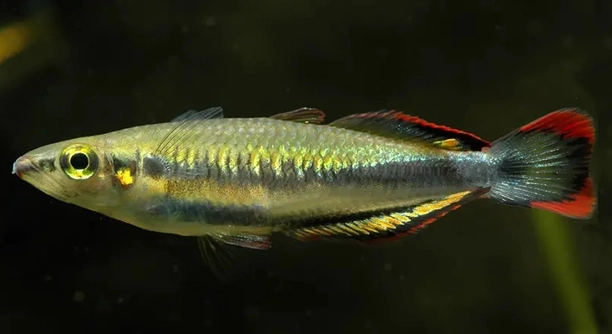
Fish are often seen as quiet companions, yet they can respond to gentle interaction. Spending time with them can be a rewarding experience. Simple efforts can turn ordinary aquarium moments into meaningful bonding opportunities for both.
Bonding with fish can be achieved through consistent, calm interaction, observation of their behavior, and thoughtful engagement. Feeding routines, tank enrichment, gentle hand movements, and understanding their signals all contribute to developing trust and strengthening the human-fish relationship effectively.
These small daily actions can create a closer connection, enhancing both your enjoyment and your fish’s well-being in its environment.
Observing Your Fish Closely
Watching your fish carefully is the first step to understanding them better. Notice their swimming patterns, how they respond to different areas of the tank, and their reaction to changes. Small details like fin movement, color changes, or resting spots can reveal a lot about their mood and health. Consistent observation allows you to detect stress, illness, or discomfort early, helping you maintain a healthy environment. Over time, this practice builds a sense of familiarity with their habits. You begin to recognize individual personalities, favorite hiding spots, and preferred swimming paths. By noting their responses to feeding or tank changes, you can adjust care routines to suit their preferences. Even subtle signs, like lingering near the front of the tank, indicate comfort and curiosity. Observing daily strengthens your ability to respond appropriately and ensures a better quality of life for your fish, creating a more peaceful and engaging aquarium.
This careful attention allows you to anticipate needs and react in ways that make your fish feel secure and comfortable.
Spending time observing also helps you connect with the tank environment. You start to notice patterns and small behaviors others might miss. Regular observation can make feeding, cleaning, and enrichment routines more effective. Understanding when a fish is active or resting allows you to time interactions better. You also learn which areas they prefer for swimming or hiding, which helps in arranging tank decor. Recognizing subtle changes, like slight fading of colors or unusual movement, ensures timely action to prevent illness. Over time, you develop a rhythm with your fish, making care less stressful for both of you. Even simple moments, like watching them explore plants or interact with bubbles, can feel rewarding. Documenting observations can help track long-term trends and health. Engaging with these small details creates an environment where fish can thrive naturally and safely.
Feeding with Intention
Feeding is more than just providing food; it is an opportunity to bond. Paying attention to how your fish approach meals builds trust and understanding.
Offering a balanced, species-appropriate diet while maintaining a consistent feeding schedule supports their health. Feeding slowly and observing reactions ensures that all fish get their share. Rotating food types, such as flakes, pellets, or frozen options, adds variety and enrichment. Overfeeding can harm their health and water quality, so careful measurement is important. Watching how they interact during feeding provides insights into hierarchy, preferences, and energy levels. For example, some fish may dart quickly for food, while others approach calmly. Recognizing these patterns allows you to cater to individual needs. Placing food in different areas of the tank encourages natural foraging behavior, stimulating their instincts and curiosity. Feeding becomes more than nutrition—it is a form of communication. By using calm movements and consistency, fish begin to associate your presence with positive experiences. This practice strengthens recognition, reduces stress, and reinforces a sense of security, making interactions more rewarding for both you and your fish.
Gentle Hand Movements
Slow, calm hand movements near the tank help fish get used to your presence. Avoid sudden gestures that might startle them, allowing trust to develop naturally over time.
Repeatedly moving your hand slowly along the tank edges or over decorations can create familiarity. Fish begin to recognize these motions and associate them with safety. When placing food, try holding it steadily rather than dropping it abruptly. Gradually, they may swim closer without fear. This practice also helps in acclimating new fish to your care style. Using gentle movements consistently encourages exploration and curiosity. Over weeks, fish may follow your hand or linger near it, signaling comfort and engagement. Hand movements, when slow and predictable, serve as a subtle but effective bonding technique. This interaction strengthens recognition and reduces stress during feeding or cleaning.
Consistency is essential. Incorporate these gentle gestures into daily routines to encourage calm, positive behavior. Patience allows fish to respond in their own time, fostering trust.
Even after months, small adjustments in hand speed or positioning can make a difference. Observing reactions carefully ensures movements remain safe and non-threatening. Fish learn patterns and develop anticipation for feeding or interaction. Using hands near the tank also provides enrichment, breaking the monotony of a static environment. Gradual interaction helps all species feel secure, promoting natural activity and reducing hiding behavior. Over time, this technique can become a reliable way to monitor their health and mood while enhancing the overall dynamic of the tank.
Tank Enrichment
Adding varied decorations, plants, and hiding spots keeps fish active and mentally stimulated. Movement and exploration encourage natural behavior and curiosity.
Providing rocks, caves, and live or artificial plants improves their environment. These additions create hiding spots, resting areas, and swimming challenges, promoting physical activity and reducing stress. Fish interact with decorations differently depending on their species, which encourages observation and engagement. Rearranging objects periodically introduces novelty, preventing boredom. Small tunnels or floating elements invite exploration and movement. Careful placement ensures accessibility and safety while allowing natural instincts to emerge. Tank enrichment is an ongoing process that supports health, encourages confidence, and strengthens recognition of your presence.
Monitoring how fish use these features can guide further enrichment decisions. Some may prefer dense plant areas, while others explore open swimming zones. Understanding their preferences allows adjustments to suit individual needs. Observing interactions with new elements can reveal personalities and social dynamics, helping refine feeding and care routines. Incorporating variety, like safe floating toys or textured surfaces, maintains interest and encourages natural activity. Enrichment benefits both physical and mental health, creating a dynamic habitat. Over time, a thoughtfully arranged tank helps fish feel secure and confident while providing opportunities for subtle bonding and consistent engagement.
Talking to Your Fish
Speaking softly near the tank allows fish to recognize your presence. Calm voices and gentle tones reduce stress and create a sense of familiarity over time.
Repetition is key. Regularly speaking while performing tank maintenance or feeding helps fish associate your voice with safety and routine, enhancing comfort and trust.
Recognizing Individual Behaviors
Pay attention to how each fish moves, eats, and interacts with the environment. Noting differences helps tailor care to individual needs. Observing these behaviors allows better timing for feeding and interaction, and identifies signs of stress or illness early.
Creating a Routine
Maintaining a consistent daily schedule benefits both you and your fish. Predictable feeding, cleaning, and interaction times establish security and reduce stress, making bonding more effective.
FAQ
How do I know if my fish is bonding with me?
Fish show signs of comfort through behavior. They may swim closer to your hand or the front of the tank during feeding. Following movements slowly, lingering in areas where you interact, or exploring freely near you are subtle indicators of trust. Over time, they respond calmly to your presence, showing they feel secure. Watching for consistent patterns in daily behavior helps identify which fish are more receptive to interaction. Bonding is gradual and varies by species and personality. Patience and gentle handling allow these behaviors to develop naturally without causing stress.
Can I touch my fish to bond with them?
Direct contact is generally not recommended, as most fish have sensitive scales and protective slime layers. Instead, use gentle hand movements near the tank or during feeding to encourage interaction. Some fish may tolerate light, careful touch in controlled environments, but it should always be minimal and slow. Observing reactions is essential; sudden contact can frighten them. The goal is to create trust without risking harm. Bonding through consistent presence, feeding, and enriched environments is safer and more effective than frequent touching.
How often should I interact with my fish?
Daily interaction is ideal, but sessions can be brief. Even a few minutes of calm observation, feeding, or gentle hand movements contribute to bonding. Consistency matters more than duration. Sudden changes in routine or neglect can increase stress and reduce trust. Incorporating interaction into regular feeding and maintenance routines ensures natural engagement. Over time, fish learn to anticipate these interactions positively. Adjusting interaction frequency according to their behavior ensures comfort and reduces anxiety. The objective is regular, predictable engagement rather than forced or prolonged sessions that might overwhelm them.
Does playing music or talking help fish bond?
Soft background sounds or gentle talking can have a calming effect, though results vary by species. Consistency is important; your voice or a familiar sound can become associated with safety and routine. Avoid loud or sudden noises, which may increase stress. Fish rely on subtle vibrations in water, so soft and predictable sounds are beneficial. Speaking quietly while performing daily tank care encourages recognition and trust. Music should be low and continuous rather than abrupt, maintaining a steady environment. These methods complement observation, feeding, and enrichment rather than replacing hands-on interaction.
What kind of enrichment works best for bonding?
Tank decorations, plants, and hiding spots promote natural behaviors and reduce stress. Introducing small changes gradually encourages exploration and curiosity. Floating elements or gentle water currents stimulate activity while keeping fish engaged. Observing how they interact with these features helps you understand their preferences. Rearranging or adding enrichment slowly prevents sudden stress. Combining environmental enrichment with feeding routines strengthens recognition and comfort. Fish feel more secure in varied surroundings and respond positively to your presence. Carefully planned enrichment provides mental stimulation and encourages natural behaviors, reinforcing a sense of safety and trust.
Is it necessary to bond with all my fish?
Not all fish show the same level of interaction. Some species are naturally more shy or independent. Focus on those that respond to gentle engagement and observation. Bonding does not mean forcing attention; instead, it’s about creating a comfortable environment where each fish can feel secure. Understanding species-specific behavior and respecting individual personalities ensures positive interaction. Even minimal bonding with less interactive fish improves their confidence and reduces stress. Recognizing and adapting to these differences allows a balanced approach, ensuring all fish receive proper care while promoting meaningful interaction for those that are receptive.
How long does it take to bond with fish?
Bonding is gradual and can take weeks or months. Regular observation, calm presence, and consistent feeding routines are crucial. Fish respond at different rates depending on species, age, and temperament. Patience and attentiveness ensure interactions remain positive and stress-free. Quick results are rare, so tracking small improvements in behavior helps gauge progress. Over time, recognition develops, and fish may show anticipation for feeding or interaction. Maintaining consistency, providing enrichment, and avoiding sudden changes create a reliable routine that fosters trust. The process is ongoing, but each small step contributes to a stronger connection.
Can bonding affect fish health?
Positive interaction improves comfort, reduces stress, and encourages natural behaviors. Stress-free fish are less prone to illness and respond better to feeding and environmental changes. Gentle bonding practices, combined with proper nutrition and tank maintenance, support overall health. Conversely, forced or abrupt interactions can cause anxiety, reduced appetite, or hiding behavior. Observing reactions and adjusting interaction style ensures safe bonding. Monitoring behavior during engagement also helps detect early signs of health issues. When done correctly, bonding is beneficial both emotionally and physically, providing mental stimulation while supporting long-term well-being in a controlled, safe environment.
What should I avoid while bonding?
Avoid sudden movements, overfeeding, or frequent touching. Loud noises and abrupt tank changes can increase stress. Patience and gentle observation are key. Avoid forcing interaction with shy fish or introducing too many new decorations at once. Consistency and calm behavior create trust, while rapid or unpredictable actions can reverse progress. Observing responses to each interaction ensures safety and comfort. The goal is steady, predictable engagement that fosters confidence and curiosity. Respecting their space and habits encourages voluntary participation rather than fear-driven reactions. These precautions help maintain a safe, positive environment for both you and your fish.
Are certain fish easier to bond with than others?
Species temperament greatly influences bonding potential. Active, curious fish like bettas, guppies, or cichlids may respond quickly to feeding and observation, while more reserved species require patience and minimal disturbance. Understanding species-specific behavior helps tailor interaction approaches. Observation, gentle hand movements, and enrichment are effective across most species, but timing and frequency may differ. Shy fish may prefer distant observation and gradual introduction to stimuli. Selecting species compatible with your care style and interaction preferences increases the likelihood of successful bonding. Recognizing individual differences within species is equally important for meaningful, stress-free engagement.
How can I encourage shy fish to engage?
Start with slow movements near the tank and consistent feeding in visible areas. Avoid approaching too quickly, and provide ample hiding spots. Gradual enrichment and gentle repetition help build trust. Shy fish respond best to predictable routines and minimal disturbance. Over time, they may venture closer and show curiosity. Using quiet observation and calm handling encourages voluntary interaction. Rewarding calm, natural behavior rather than forcing engagement ensures comfort. Monitoring progress allows adjustments to interaction style and timing. Patience and persistence, combined with a secure environment, gradually increase confidence and willingness to engage without causing stress.
Is it possible to bond with multiple fish at once?
Yes, but individual personalities affect interaction levels. Some fish may respond quickly, while others remain cautious. Observing each fish separately helps tailor engagement and feeding approaches. Providing enrichment and multiple hiding spaces ensures all feel secure. Gradually, you can interact with the tank as a whole, but attention to individual reactions remains important. Recognizing social dynamics, territorial behaviors, and preferred areas prevents stress. Using calm, consistent movements and feeding routines allows multiple fish to become comfortable simultaneously. Balancing attention ensures positive experiences and trust-building for every fish without overwhelming the tank environment.
Can bonding techniques help new fish adjust?
Yes. Gentle hand movements, slow feeding, and consistent routines help new fish acclimate. Gradual introduction of decorations and enrichment reduces stress and encourages exploration. Observing behavior during the first days identifies preferences and comfort levels. Patience and consistency are key for integration into the tank. Using familiar signals like voice or soft background sounds creates reassurance. Avoid overcrowding or abrupt changes. Incremental exposure to the tank and your presence promotes confidence and reduces hiding. Over time, new fish recognize routines and respond positively, establishing trust and comfort within their environment, enhancing overall bonding efforts with the existing community.
Final Thoughts
Building a connection with your fish requires patience and consistency. Fish respond to calm, predictable interaction rather than sudden or forced engagement. Observing their behavior daily helps you understand their needs and preferences. Small actions, like adjusting feeding routines or rearranging tank decorations, can make a noticeable difference. Over time, fish become more comfortable with your presence and start showing subtle signs of trust, such as lingering near the front of the tank or swimming confidently around decorations. These moments are small but meaningful, indicating that your efforts to provide a safe, engaging environment are working. The process is gradual, and results may vary depending on species and individual temperament, but maintaining a steady approach ensures that both you and your fish experience a more positive and stress-free environment.
Creating a routine is one of the most effective ways to strengthen this bond. Consistency in feeding, cleaning, and interaction signals to fish that they are in a secure environment. Gentle hand movements, calm voices, and careful observation during these routines make fish more receptive and reduce stress. Enrichment, such as plants, caves, and floating objects, encourages exploration and activity, supporting both physical and mental well-being. Paying attention to how fish interact with these features helps you tailor the tank setup to suit individual preferences. While shy or reserved fish may take longer to engage, gradual exposure and predictable routines help them feel safe. Even minor changes in their behavior, like approaching food more confidently or exploring new areas, indicate progress. Over time, these small, consistent efforts result in stronger recognition, trust, and a more harmonious tank environment.
Bonding with fish also benefits their overall health and reduces anxiety. Stress-free fish are more active, eat well, and display natural behaviors more readily. Observing and interacting with them regularly allows early detection of potential health issues, ensuring timely care. Using gentle, deliberate techniques rather than forcing interaction prevents fear and creates a positive association with your presence. Each species and individual has unique tendencies, and recognizing these differences is essential for successful engagement. Even subtle improvements, such as a fish responding to hand movements or exploring the tank confidently, reinforce the effectiveness of your approach. By focusing on calm, consistent, and patient interaction, you create a safe, enriched environment that supports both the emotional and physical well-being of your fish, fostering a rewarding and lasting bond over time.

Hello,
If you enjoy the content that we create, please consider saying a "Thank You!" by leaving a tip.
Every little bit helps us continue crafting quality advice that supports the health, happiness, and well-being of pets around the world, for pets of all shapes, sizes, and species.
We really appreciate the kindness and support that you show us!