What Makes Rainbowfish Ignore New Mates?
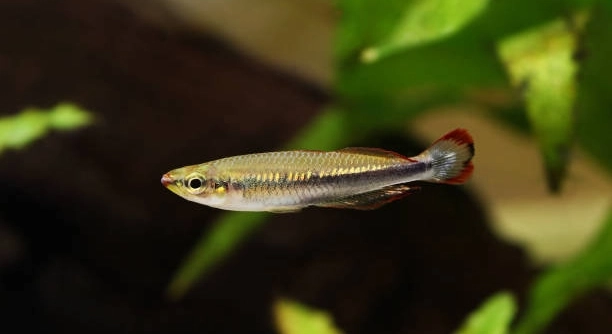
Rainbowfish are lively and colorful additions to any freshwater aquarium. They often form strong bonds with their current group, showing familiar behaviors and interactions that make them feel secure and comfortable in their environment. Rainbowfish may ignore new mates due to established social hierarchies, stress from sudden changes, or territorial behavior. Gradual introductions, careful monitoring, … Read more
7 Benefits of Adding Driftwood for Rainbowfish

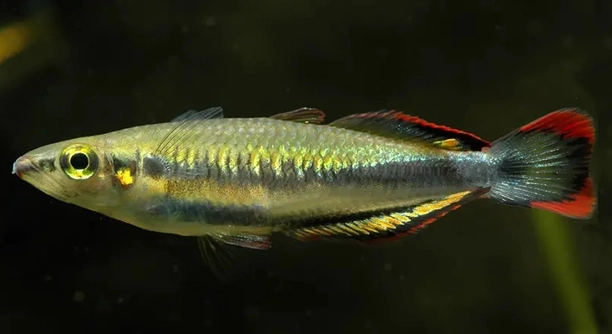
Adding driftwood to a rainbowfish tank can transform the aquarium’s look while creating a more natural environment. It provides structure, hiding spots, and surfaces that encourage healthy fish behavior and overall well-being in the aquatic habitat. Incorporating driftwood offers multiple benefits for rainbowfish, including water chemistry stabilization, improved coloration, enhanced territorial spaces, natural feeding opportunities, … Read more

Do Rainbowfish Understand Tank Routine?

Do you ever notice your rainbowfish swimming in patterns that seem almost scheduled, or responding instantly when you approach the tank? Observing these small, colorful fish can make you wonder how much they notice daily routines. Rainbowfish are capable of recognizing and adapting to regular tank routines. They respond consistently to feeding times, lighting changes, … Read more

7 Reasons Your Rainbowfish Keeps Hiding

Are your rainbowfish spending most of their time hiding in the corners of the tank, leaving you unsure about their behavior? Observing shy tendencies can be worrying, especially when your fish seem reluctant to explore their environment. Rainbowfish may hide due to stress, illness, inadequate tank conditions, aggressive tank mates, sudden changes in lighting, improper … Read more

Do Rainbowfish Like Watching You Move?

Rainbowfish are colorful freshwater fish that often brighten up home aquariums. Their lively movements and shimmering scales make them fascinating to watch. Many aquarium owners notice these fish seem to react when people approach or move nearby. Rainbowfish often respond to human movement due to their natural alertness and social behavior. They are highly perceptive … Read more

7 Reasons to Switch to a Quieter Filter

Many homes rely on water or air filters to keep their spaces clean and healthy. However, some filters can be noisy, creating a constant hum that becomes distracting and uncomfortable over time. Small changes can make a big difference. Switching to a quieter filter improves daily comfort, reduces noise pollution, and enhances the overall environment. … Read more

Why Rainbowfish Need Space to School Properly

Rainbowfish are small, colorful freshwater fish that are popular in home aquariums. They are naturally social and prefer to live in groups, which allows them to display their bright colors and active behavior. Rainbowfish require sufficient space to school effectively because overcrowding can disrupt their natural swimming patterns, increase stress levels, and limit social interactions. … Read more

Can Rainbowfish Catch Diseases From Plants?

Rainbowfish are popular additions to home aquariums, admired for their shimmering colors and peaceful nature. Many enthusiasts focus on their diet and water conditions to keep them healthy and vibrant throughout the year. Rainbowfish cannot directly contract diseases from plants. While plants may carry bacteria or fungi, most pathogens affecting plants do not infect fish. … Read more

7 Ways to Brighten Your Rainbowfish Colors

Are your rainbowfish looking dull despite your best efforts to keep their tank clean and healthy? Maintaining vibrant colors can be challenging, even when the water conditions and diet appear ideal for these lively fish. Rainbowfish coloration is strongly influenced by a combination of diet, lighting, water quality, and environmental enrichment. Providing a balanced nutrient-rich … Read more

7 Ways to Tell If Your Fish Likes Its Tankmates

Keeping fish in a shared tank can be rewarding, but understanding their social behavior takes observation and patience. Many fish display subtle signs of comfort or stress that are easy to miss for the casual aquarist. Watching interactions carefully helps maintain a peaceful environment. Fish exhibit social preferences through body language, swimming patterns, and feeding … Read more