
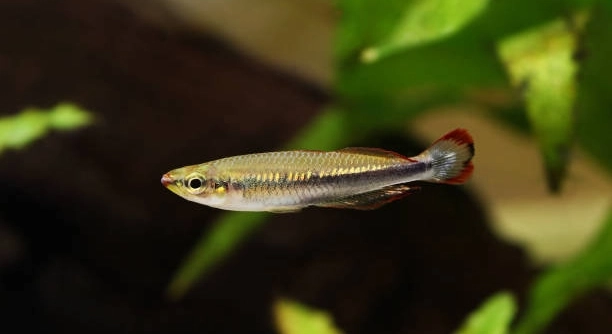
Rainbowfish are lively and colorful additions to any freshwater aquarium. They often form strong bonds with their current group, showing familiar behaviors and interactions that make them feel secure and comfortable in their environment.
Rainbowfish may ignore new mates due to established social hierarchies, stress from sudden changes, or territorial behavior. Gradual introductions, careful monitoring, and a well-structured environment can reduce stress and encourage acceptance of new individuals.
Learning how to properly introduce new fish can prevent tension and improve harmony in your aquarium. Small adjustments in their environment often make a noticeable difference in behavior.
Understanding Rainbowfish Behavior
Rainbowfish are naturally social, but they rely on familiarity to feel safe. When new mates are introduced, the established group may show avoidance or indifference. Their reactions are influenced by hierarchy, territory, and past experiences. A sudden change can trigger stress, causing them to ignore newcomers. Observing body language is important. Aggressive displays, like chasing or flaring fins, indicate discomfort. On the other hand, neutral swimming around the tank without interaction is a sign of cautious curiosity. Environmental factors like tank size, hiding spots, and water quality also affect social behavior. Gradual acclimation helps them adjust without feeling threatened. For example, using a divider in the tank allows visual contact first. Feeding routines can support bonding by associating newcomers with positive experiences. Consistency and patience are key. Over time, most rainbowfish will gradually explore interaction with new mates once the environment feels safe and predictable.
Careful observation is essential when adding new rainbowfish. Small adjustments prevent stress and foster acceptance.
Introducing new rainbowfish requires planning. Start with short visual contact, avoid overcrowding, and maintain consistent conditions. Over time, gradual interactions allow natural social bonds to form. Avoid sudden changes in water parameters, feeding schedules, or tank decorations during introductions. Stress can hinder adaptation. Providing plants, rocks, and hiding spots gives fish control over their space. Mismatched sizes or overly aggressive individuals may need separation to prevent injury. Patience is critical—some rainbowfish take weeks to feel comfortable. Reward calm behavior with feeding near newcomers to create positive associations. Monitoring the tank daily allows quick intervention if problems arise. Consistent routines reinforce a sense of safety, encouraging shy fish to interact. A balanced environment with proper lighting, filtration, and nutrition supports both physical and behavioral health. Gradual acclimation leads to smoother integration, fewer conflicts, and a healthier, more cohesive community in the aquarium.
Common Triggers for Avoidance
Stress, territorial disputes, and sudden changes can make rainbowfish avoid new mates.
Environmental stress, dominance hierarchy, and introduction methods all impact acceptance. Aggressive or overly active fish may intimidate newcomers. Tank size and hiding spaces matter—overcrowded areas limit comfort and movement. Gradual introductions, consistent routines, and adequate resources reduce tension, helping rainbowfish adapt more smoothly. Over time, these measures foster peaceful coexistence.
Behavioral patterns often reflect subtle triggers. Dominant individuals may patrol territories, preventing newcomers from accessing favored areas. Water quality, temperature fluctuations, and noise disturbances can increase tension, reducing interaction. Stress responses include hiding, darting, or ignoring others. Introducing newcomers without preparation often heightens these reactions. Using visual barriers initially allows fish to observe each other safely. Incremental exposure, combined with positive reinforcement like feeding near the divider, promotes curiosity instead of fear. Proper tank layout with plants and open swimming space gives fish options for exploration and retreat. Balanced group sizes minimize competition for food and territory. Observing daily behavior helps identify issues early, allowing adjustments. Understanding these factors and responding promptly ensures a healthier, more harmonious aquarium community, reducing long-term stress and supporting natural social development among rainbowfish.
Gradual Introduction Techniques
Dividers allow rainbowfish to see newcomers without direct contact. Short, supervised sessions help reduce stress. Gradually increasing interaction over days or weeks improves comfort and acceptance. Maintaining consistent feeding and water conditions supports adaptation and encourages natural social behavior among fish.
Using visual barriers like tank dividers is highly effective. Place new rainbowfish on one side and allow existing fish to observe safely. Feed both sides to create positive associations. Start with short sessions, gradually increasing exposure time. Monitor for signs of stress, such as rapid swimming or hiding. Rearrange plants or decorations to give fish additional hiding spots. Keeping the environment consistent, including lighting and water parameters, prevents additional stress. Over time, most rainbowfish will explore the new tankmate voluntarily, reducing avoidance behavior naturally. Patience and careful observation are key to successful introductions.
Even after gradual exposure, some rainbowfish may remain cautious. Continue short interactions until they show curiosity without aggression. Avoid forcing contact, as it can increase stress and prolong adjustment. Provide multiple hiding areas to give fish control over their space. Feeding near newcomers reinforces calm behavior. Consistent monitoring ensures any tension is addressed early. Over weeks, shy fish often begin exploring social interaction, approaching newcomers cautiously at first. Environmental enrichment, like plants and open swimming areas, supports confidence. This careful approach fosters long-term harmony, making the tank a more balanced and peaceful environment for all fish.
Environmental Adjustments
Water quality, temperature, and lighting impact rainbowfish behavior significantly. Stable conditions reduce stress and encourage interaction. Overcrowding and lack of hiding spots often lead to avoidance and aggression. Proper tank setup is essential for healthy social dynamics.
Maintaining optimal water parameters is crucial. Rainbowfish are sensitive to sudden changes in pH, temperature, and cleanliness. Regular testing and partial water changes prevent stress-related behaviors. Provide sufficient space, as overcrowding increases competition for food and territory. Plants, rocks, and decorations offer hiding spots and encourage exploration. Adequate lighting supports natural activity cycles, while subtle variations prevent overstimulation. Observing fish behavior daily allows quick intervention if issues arise. Simple adjustments, like rearranging decor or adding gentle currents, can reduce tension. A well-planned environment not only promotes acceptance of new mates but also supports overall health and longevity of rainbowfish in the aquarium.
Feeding Strategies
Consistent feeding routines help rainbowfish feel secure. Offering food near newcomers encourages positive associations and reduces avoidance. Smaller, frequent meals prevent competition and stress among fish, promoting a calmer environment.
High-quality food supports health and behavior. Varied diets with flakes, pellets, and occasional live food stimulate interest and activity. Feeding during introductions helps newcomers feel part of the group and encourages natural interactions without forcing contact.
Recognizing Stress Signals
Hiding, rapid swimming, and fin clamping are common stress indicators in rainbowfish. Identifying these behaviors early prevents escalation and ensures fish remain healthy and balanced within the tank.
Tank Layout Tips
Provide plenty of plants and hiding spots to allow fish to control their space. Open swimming areas reduce territorial tension and promote natural exploration.
Patience and Observation
Introducing new rainbowfish requires careful observation and patience. Monitoring interactions helps identify early signs of stress or aggression, allowing timely adjustments in environment and routines to support smoother integration and social harmony.
FAQ
Why do rainbowfish ignore newcomers even after proper introduction?
Rainbowfish may continue to ignore new mates due to established social hierarchies or lingering stress. Some individuals are naturally more cautious or shy. Even in well-prepared environments, adjustment takes time. Providing consistent feeding, stable water conditions, and gradual exposure encourages them to interact at their own pace.
How long does it usually take for rainbowfish to accept new mates?
Acceptance can vary widely. Some fish begin interacting within a few days, while others may take several weeks. Patience is essential. Consistent observation, calm introductions, and maintaining a stress-free environment help shorten the adjustment period. Rushing the process often increases avoidance or aggression.
Can tank size affect acceptance of new rainbowfish?
Yes, tank size is very important. Overcrowded tanks limit swimming space and increase territorial behavior, making it harder for newcomers to be accepted. A larger tank with enough hiding spots and open swimming areas gives all fish room to adjust and reduces tension.
Are some rainbowfish more aggressive than others?
Individual temperament plays a role. Some rainbowfish are naturally dominant and may chase or block newcomers. Careful observation is necessary to identify aggressive individuals. If conflicts persist, separating the dominant fish temporarily can prevent injuries and give the new mates a chance to acclimate safely.
Do water conditions influence social behavior?
Absolutely. Sudden changes in temperature, pH, or cleanliness can increase stress, causing fish to ignore new mates. Maintaining stable water parameters and performing regular partial water changes reduces stress and promotes calmer interactions among all rainbowfish.
Should I feed rainbowfish differently during introductions?
Feeding can be a tool to encourage interaction. Offering food near newcomers creates positive associations and reduces avoidance. Smaller, frequent meals prevent competition and stress. Using high-quality, varied diets helps keep fish healthy and more willing to engage socially.
Is it normal for rainbowfish to hide a lot at first?
Yes, hiding is a natural stress response. Plants, rocks, and decorations give newcomers control over their environment. Over time, as they feel safe, they will explore the tank and gradually interact with the established group. Avoid forcing interaction, as it can increase stress.
Can visual barriers help reduce aggression?
Visual barriers, like dividers, are very effective. They allow fish to see each other without direct contact, helping them get used to newcomers slowly. Gradually removing the barrier over days or weeks encourages curiosity and reduces tension. Feeding near the barrier further reinforces calm behavior.
What signs indicate successful integration?
Successful integration includes fish swimming together without chasing, sharing feeding areas calmly, and showing curiosity instead of avoidance. Reduced hiding and normal swimming patterns indicate that rainbowfish are adjusting well. Patience and consistent care are essential for achieving this balance.
Are there permanent social issues in some cases?
In rare cases, some rainbowfish may never fully accept certain newcomers, especially if there is a strong dominance mismatch or persistent stress. In these situations, maintaining separate areas or tanks ensures safety and allows each group to thrive without constant conflict.
How often should I monitor interactions?
Daily observation is ideal during introductions. Watching for signs of stress, aggression, or avoidance helps address problems quickly. Adjusting tank layout, feeding routines, or temporary separation based on observations improves the chances of a smooth integration.
Does age or size affect acceptance?
Yes, size and age differences influence social dynamics. Larger, older rainbowfish may dominate smaller, younger newcomers, causing avoidance or stress. Matching similar-sized individuals and considering age groups can make introductions smoother and reduce potential conflict.
Can adding multiple newcomers at once help?
Introducing more than one new fish simultaneously can reduce focus on a single individual, lowering stress and aggression. However, the tank must be large enough to accommodate all fish comfortably. Adequate hiding spaces and careful monitoring remain necessary to ensure harmony.
What should I do if aggression persists?
If aggression continues, separate aggressive or overly shy fish temporarily. Use dividers or additional tanks until newcomers gain confidence. Adjusting tank layout, adding hiding spots, or modifying feeding strategies can also reduce tension and encourage safer social interaction.
Do rainbowfish form long-term bonds?
Rainbowfish often develop stable social groups over time. Once initial avoidance and stress are resolved, they interact more freely, swim together, and establish a peaceful hierarchy. Maintaining consistent care, stable water conditions, and proper tank layout supports these long-term social bonds.
Final Thoughts
Rainbowfish are naturally social creatures, but introducing new mates requires patience and careful planning. They rely on familiarity to feel secure, and sudden changes can trigger stress or avoidance. Maintaining stable water conditions, consistent feeding routines, and proper tank layout plays a major role in helping them adjust. Gradual introductions using visual barriers or dividers allow fish to observe each other safely. This method gives newcomers time to become comfortable without feeling threatened. It also gives the established group a chance to maintain their usual routines without major disruptions. Over time, most rainbowfish begin exploring interaction at their own pace. Even small steps toward integration, like feeding near newcomers or providing additional hiding spots, can encourage curiosity and reduce stress. Observing behavior daily helps identify issues early, allowing small adjustments before problems escalate.
Behavioral differences among rainbowfish are normal, and some individuals are naturally more cautious or dominant. Size, age, and temperament can affect how quickly they accept new mates. Overcrowded tanks or limited swimming space can increase territorial behavior and make it harder for newcomers to be accepted. Providing enough space, plants, rocks, and decorations allows fish to control their environment and feel safe. Feeding smaller, frequent meals helps reduce competition and supports a calmer social dynamic. Careful observation during the introduction process ensures that aggressive behavior is addressed promptly, and shy or stressed fish have time to adjust. Visual barriers, gradual exposure, and consistent routines are all effective tools to encourage positive social behavior. With time, patience, and attention to their needs, rainbowfish can integrate smoothly, creating a balanced and harmonious aquarium community.
Long-term success with rainbowfish requires ongoing care and monitoring. Even after initial acceptance, it is important to maintain consistent water quality, feeding schedules, and environmental enrichment. Shifts in tank conditions, such as temperature changes or overcrowding, can trigger stress and disrupt social harmony. Ensuring that each fish has access to adequate hiding spots and open swimming areas supports confidence and reduces tension. Recognizing stress signals, such as hiding, rapid swimming, or fin clamping, allows prompt action to prevent escalation. Integrating new mates may take weeks, and patience is essential for long-term stability. Over time, rainbowfish often form stable social groups, interact more freely, and establish a peaceful hierarchy. With consistent care and careful attention to their environment, rainbowfish can thrive together, creating a healthy, lively, and harmonious aquarium.

Hello,
If you enjoy the content that we create, please consider saying a "Thank You!" by leaving a tip.
Every little bit helps us continue crafting quality advice that supports the health, happiness, and well-being of pets around the world, for pets of all shapes, sizes, and species.
We really appreciate the kindness and support that you show us!