
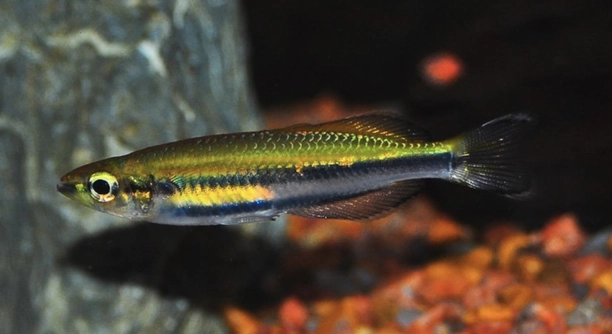
Do you ever notice your rainbowfish swimming in patterns that seem almost scheduled, or responding instantly when you approach the tank? Observing these small, colorful fish can make you wonder how much they notice daily routines.
Rainbowfish are capable of recognizing and adapting to regular tank routines. They respond consistently to feeding times, lighting changes, and environmental cues, demonstrating a learned behavior pattern that suggests a basic understanding of their structured habitat.
Knowing how rainbowfish react to routine can help maintain a calm, healthy environment for them and enhance your experience as their caretaker.
How Rainbowfish Learn Tank Patterns
Rainbowfish are surprisingly observant when it comes to their tank environment. Over time, they pick up on patterns, like when the lights turn on, when food is offered, and when certain noises occur near the tank. These cues allow them to anticipate daily events, which helps reduce stress and makes them more active during predictable times. They rely on repetition to form these habits, so consistency is key. Frequent changes in schedule or environment can confuse them and alter their behavior. Observing your rainbowfish closely can reveal subtle signals, like gathering near the feeding area or swimming more energetically before lights turn on. Even small details, such as the sound of a tap on the glass or the opening of a cabinet near the tank, can become associated with feeding or interaction. These associations are part of how rainbowfish understand routine and feel secure in their space.
Maintaining a stable routine helps rainbowfish feel confident and reduces erratic behavior in the tank.
Consistency in feeding, lighting, and cleaning not only strengthens their sense of security but also improves their overall health. Rainbowfish thrive when they can anticipate changes in their environment, which lowers stress levels and encourages natural activity. Sudden disruptions, like skipping feedings or altering light cycles, may make them hesitant or withdrawn. Watching how they react to small shifts can teach you how sensitive they are to routine. By creating a predictable environment, you also support their natural rhythms and social interactions. A stable schedule allows them to display normal swimming patterns, interact with tank mates, and explore decorations confidently. Over time, this consistency fosters a healthier, happier tank community, as each fish becomes accustomed to the rhythm of daily life.
Signs That Rainbowfish Recognize Routine
Rainbowfish often exhibit clear behaviors that indicate awareness of daily patterns.
They may gather near the top when feeding is imminent, swim actively as lights turn on, or linger in favorite areas at predictable times. These behaviors demonstrate their ability to learn and anticipate recurring events.
Regular observation helps identify these patterns, ensuring that adjustments to feeding, lighting, or tank maintenance do not disrupt their comfort. Recognizing routine signs also allows caretakers to provide a consistent, low-stress environment that supports natural behavior. For instance, if the fish start swimming faster at certain times, it’s a clear indication they are expecting food. Small adjustments in timing can help reinforce these habits. By paying attention to these responses, you create a harmonious tank where rainbowfish feel secure and respond predictably to daily events, making maintenance easier and interactions more rewarding.
Feeding and Light Schedules
Rainbowfish respond well to consistent feeding and lighting routines. Regular timing helps them anticipate meals and reduces stress.
A set schedule allows rainbowfish to know when to expect food and when to rest under the tank lights. Over time, they begin to associate certain times with feeding, which keeps them active and engaged. Consistency also prevents overfeeding or underfeeding, maintaining their health. They can become more relaxed and display natural swimming behaviors when their daily rhythm is predictable. Observing their responses to feeding times helps ensure the schedule supports both energy levels and social interactions in the tank.
Adjusting light and feeding patterns gradually can prevent sudden stress. Sudden changes in either can cause confusion or withdrawal, making them less active and more hesitant. Keeping a regular cycle encourages healthy behavior and allows rainbowfish to thrive. Over time, this routine supports their metabolism, activity, and overall well-being, creating a more harmonious tank environment. Even small shifts, like feeding a few minutes early, can be noticed by attentive fish, showing how sensitive they are to daily patterns. Maintaining consistency benefits both their behavior and general health.
Observing Behavior Patterns
Rainbowfish exhibit distinct behaviors that show awareness of routines, like gathering near the surface before feeding or moving in specific directions during light changes.
Careful observation reveals subtle signals of their anticipation, including faster swimming near food areas and changes in social interactions. They may circle decorations or swim toward hiding spots at predictable times. Tracking these behaviors can help you understand their preferences and adjust tank routines to reduce stress. Recognizing early signs of routine awareness allows caretakers to manage their environment effectively, ensuring a comfortable and predictable habitat. Behavioral observations also provide insight into how the fish interact with each other in response to daily events.
Recording these behavior patterns can improve tank management. By noting their movements and responses, you can fine-tune feeding and maintenance schedules. This helps prevent unnecessary stress or aggression among tank mates. Observing interactions and anticipation cues allows you to reinforce positive routines, keeping the fish active and content. Over time, maintaining this awareness ensures a stable environment where rainbowfish can thrive, respond predictably, and exhibit natural behaviors. Attention to detail enhances both the health of the fish and the overall harmony of the aquarium, creating a reliable routine that benefits everyone in the tank.
Tank Maintenance and Routine
Rainbowfish benefit from predictable tank maintenance. Regular cleaning and water changes help them feel secure and prevent stress.
They quickly notice disturbances like sudden water changes or filter cleaning. Keeping a consistent schedule allows them to adjust and reduces erratic swimming or hiding.
Feeding Cues and Responses
Rainbowfish often associate specific cues, like approaching the tank or tapping lightly on the glass, with feeding time. They respond quickly to these cues, swimming toward the top or gathering near food spots. This learned behavior reflects their ability to recognize and adapt to daily routines.
Gradual Changes
Introducing changes slowly helps rainbowfish adjust without stress. Sudden shifts in feeding, lighting, or cleaning routines can cause anxiety and alter behavior.
FAQ
Do rainbowfish really notice feeding times?
Yes, rainbowfish are keenly aware of feeding schedules. Over time, they associate specific cues, like footsteps, tank sounds, or even tapping on the glass, with food. This recognition leads them to gather near the top or swim actively as feeding approaches. Consistency in timing strengthens this behavior and reduces stress, making the fish more predictable and easier to manage in the tank.
Can changes in lighting affect their routine?
Absolutely. Rainbowfish rely on consistent light cycles to regulate activity and rest periods. Sudden changes in lighting, such as switching lights on or off at unusual times, can confuse them and disrupt normal swimming patterns. Maintaining a regular schedule allows them to feel secure, supporting natural behavior and promoting overall health. Gradual adjustments are less stressful if changes are necessary.
How do they react to cleaning or water changes?
Rainbowfish notice tank maintenance quickly. When filters are cleaned or water is changed, they may swim nervously, hide, or cluster in familiar areas. Following a consistent maintenance routine helps them anticipate disturbances, which minimizes stress. Performing changes slowly and in small increments can further reduce anxiety, keeping the tank environment stable.
Do rainbowfish recognize different caretakers?
Rainbowfish can distinguish familiar individuals from strangers over time. They respond more actively to someone who regularly feeds or interacts with them, while unfamiliar people may trigger cautious behavior. This recognition shows their ability to remember and adapt to patterns in their environment, which includes human interactions. Consistent presence from a caretaker builds trust and predictability.
What are signs that rainbowfish understand the routine?
Active swimming near the top at feeding times, consistent responses to lights, and predictable hiding or resting patterns indicate they have adapted to the tank’s schedule. Noticing these behaviors helps you confirm that routines are effective and that the fish feel secure. Regular observation allows caretakers to adjust schedules if needed, keeping stress levels low.
Can sudden schedule changes harm their health?
Yes, sudden disruptions in feeding, lighting, or maintenance can increase stress, reduce activity, and even affect appetite. Chronic stress can impact immunity and growth. Introducing changes gradually helps them adjust, maintaining a stable environment that supports both behavior and long-term health. Predictable routines are essential for well-being.
How can I reinforce positive routine behaviors?
Keep feeding, lighting, and maintenance consistent. Small cues, like approaching the tank at the same time or using gentle tapping for feeding, reinforce learned patterns. Observing responses and rewarding with regular feedings strengthens their anticipation and comfort. Over time, this consistency encourages natural swimming and interaction patterns, creating a calm, well-adjusted aquarium environment.
Do all rainbowfish adapt at the same rate?
No, individual fish may respond differently. Some adapt quickly to schedules, while others take more time. Patience is key. Monitoring each fish allows you to tailor feeding and maintenance routines, ensuring all members of the tank adjust comfortably. Differences in temperament and social hierarchy may also influence their learning pace.
Can recognizing routine improve breeding behavior?
Yes, a stable environment encourages natural behaviors, including courtship and breeding. Predictable schedules reduce stress, allowing rainbowfish to display typical interactions with tank mates. Consistent lighting, feeding, and water conditions support reproductive health and increase the likelihood of successful breeding over time.
What is the best way to introduce a new routine?
Gradually. Small, incremental adjustments in feeding time, lighting, or maintenance allow rainbowfish to adapt without stress. Observe their reactions and make changes slowly to reinforce positive behavior. Predictable cues and consistent patterns help them learn the new routine while maintaining confidence and comfort in their environment.
This FAQ demonstrates that rainbowfish are highly observant and responsive to their environment. Understanding their behavior patterns and implementing consistent routines promotes both health and natural activity, ensuring a balanced, stress-free aquarium.
Rainbowfish are small, vibrant fish that respond well to structure and routine in their tank. They are observant creatures, quickly noticing when feeding, lighting, or maintenance occurs. Over time, they begin to anticipate these events and adjust their behavior accordingly. This awareness makes them easier to care for and reduces stress, as they are not constantly startled by unexpected changes. Consistency in the daily schedule allows them to feel secure and comfortable in their environment. Even small cues, like footsteps or gentle tapping on the tank, can become associated with feeding or interaction. Maintaining predictable routines helps rainbowfish display natural swimming patterns and interact confidently with their tank mates, creating a balanced and harmonious aquarium. Understanding these tendencies is key for anyone looking to maintain a healthy tank, as it ensures the fish remain active, healthy, and well-adjusted over time.
Careful observation of rainbowfish behaviors is essential to managing their environment effectively. Noticing patterns in swimming, feeding responses, or resting areas can indicate how well they have adapted to their routine. For instance, a fish that gathers near the top at feeding times or moves to preferred hiding spots at predictable moments is demonstrating a clear understanding of its environment. These behaviors show that they are learning and adjusting, which can be used to refine feeding schedules, lighting cycles, and maintenance practices. Gradual changes are important when adjustments are necessary, as sudden shifts can cause stress, leading to withdrawal or unusual activity. Observing each fish individually also helps in understanding differences in temperament, ensuring that all members of the tank adjust comfortably. Consistent care that accounts for their natural behavior promotes health and well-being, allowing rainbowfish to thrive in a stable and supportive environment.
Maintaining a predictable routine benefits both the fish and their caretaker. By setting regular times for feeding, light cycles, and cleaning, the fish are able to develop a sense of rhythm, which reduces anxiety and encourages natural activity. This structure allows for easier tank management, as the fish respond predictably to each event. A stable environment supports growth, immunity, and social interaction among tank mates. Over time, the fish become familiar with cues and signals, reinforcing learned behaviors and enhancing overall tank harmony. Paying attention to these patterns, adjusting gradually, and keeping routines consistent ensures rainbowfish remain healthy, active, and comfortable in their habitat. This approach ultimately creates a more enjoyable and manageable aquarium, where the fish’s natural behaviors and needs are supported, providing a long-term foundation for their care and well-being.

Hello,
If you enjoy the content that we create, please consider saying a "Thank You!" by leaving a tip.
Every little bit helps us continue crafting quality advice that supports the health, happiness, and well-being of pets around the world, for pets of all shapes, sizes, and species.
We really appreciate the kindness and support that you show us!