
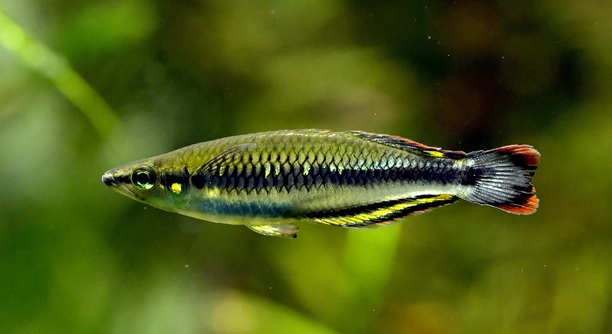
Rainbowfish are popular additions to home aquariums, admired for their shimmering colors and peaceful nature. Many enthusiasts focus on their diet and water conditions to keep them healthy and vibrant throughout the year.
Rainbowfish cannot directly contract diseases from plants. While plants may carry bacteria or fungi, most pathogens affecting plants do not infect fish. Proper aquarium maintenance, plant preparation, and water quality management are crucial to minimize any indirect risks.
Understanding the interaction between fish and plants can help maintain a safe, thriving aquarium environment for your rainbowfish. Careful attention ensures both flora and fauna flourish together.
How Plants Affect Aquarium Water
Aquarium plants can influence water quality in subtle ways. Live plants absorb nitrates, phosphates, and other compounds, which helps reduce toxins that might otherwise stress fish. Some plants release natural chemicals, or allelochemicals, that can mildly affect the behavior and immune response of rainbowfish. Dead or decaying plant matter, however, can quickly pollute the water, leading to increased bacteria and fungal growth. Maintaining a regular cleaning schedule and removing unhealthy leaves is important to prevent these problems. Properly rinsing plants before adding them can also reduce the introduction of unwanted microorganisms. Even hardy plants can carry spores or bacteria on their surfaces, which may interact with the aquarium environment. By observing both the plants and fish closely, changes in water chemistry or fish behavior can be detected early, allowing for timely interventions. Overall, healthy plants can support a stable and balanced aquarium ecosystem if managed correctly.
While plants generally benefit water quality, decaying material can promote bacteria growth harmful to fish.
Regularly trimming plants, cleaning substrates, and monitoring water parameters ensures your rainbowfish remain healthy and reduces any risk from plant-associated bacteria or fungi.
Preventing Plant-Related Illness in Rainbowfish
Proper plant handling minimizes the chance of introducing pathogens.
Rinsing new plants under clean, dechlorinated water before placing them in the tank is an effective first step. Quarantining new plants separately for a few days can reveal any hidden pests or algae spores. Using tools dedicated to plant care, rather than sharing them with other aquariums, reduces cross-contamination. Maintaining consistent water temperature, pH, and filtration supports rainbowfish immunity, helping them resist infections from minor bacterial or fungal exposure. Avoid overcrowding plants, as dense clusters can trap debris and promote mold growth. Regular observation of both plants and fish behavior provides early warnings of potential problems. Incorporating hardy, low-maintenance plants decreases the likelihood of decaying matter, while periodic partial water changes prevent nutrient buildup that could fuel harmful microbes. Even with careful attention, it’s essential to understand that rainbowfish are resilient, and good overall aquarium management is more effective than relying on any single precaution.
Common Plant Issues in Aquariums
Algae growth on plants can reduce oxygen levels and stress rainbowfish. Rotting leaves release toxins, increasing bacterial activity. Pests like snails or small insects may hitch a ride on plants, potentially affecting tank conditions. Monitoring plant health is essential to avoid these issues.
Some plants grow too quickly or unevenly, shading others and reducing light penetration. This imbalance can stunt plant growth and lower oxygen production, subtly impacting fish health. Overcrowded plants trap debris and create dead zones where bacteria or fungi can thrive. Regular trimming and rearranging helps maintain proper circulation, light exposure, and overall tank balance. Using fast-growing plants in moderation prevents them from overtaking the aquarium while still providing hiding spots and visual appeal for rainbowfish. Proper substrate selection also supports plant rooting and minimizes decaying matter accumulation.
Nutrient deficiencies in plants can lead to weak growth, yellowing leaves, or holes. Supplementing with fertilizers suited for aquatic plants can prevent deterioration. Healthy plants contribute to stable water conditions, indirectly supporting rainbowfish immunity and well-being. Observing changes in plant color or leaf structure early allows prompt intervention before water quality is affected. Balancing light, nutrients, and trimming schedules ensures both plants and fish thrive.
Steps to Maintain Plant Safety
Quarantining new plants reduces the risk of introducing disease or unwanted organisms into the tank. Maintaining clean water and proper filtration supports fish health.
Rinsing and soaking plants in dechlorinated water before adding them to the aquarium removes surface contaminants. Trimming damaged or decaying leaves prevents bacterial buildup and keeps the tank clean. Using dedicated tools for plant maintenance avoids cross-contamination between aquariums. Monitoring water parameters such as pH, nitrate, and phosphate levels ensures both plants and rainbowfish remain in a stable environment. Periodic partial water changes dilute any excess nutrients and reduce the likelihood of microbial growth. Selecting hardy plant species that tolerate your tank conditions minimizes decay and maintains a healthy ecosystem. Consistent care and observation are more effective than relying on any single preventative method.
Creating a balanced environment involves controlling light, nutrients, and plant density while keeping fish stress low. Healthy, well-maintained plants contribute to overall aquarium stability, benefiting rainbowfish directly.
Identifying Risky Plants
Some plants are more prone to carrying bacteria or fungi. Soft, delicate leaves can decay faster, increasing the chance of harmful microbial growth. Choosing hardy plants reduces the need for frequent replacement and lowers risks.
Aquatic plants with dense foliage can trap debris, leading to localized water quality issues. Regular inspection and pruning help prevent these areas from becoming hotspots for bacteria.
Signs of Plant-Related Fish Stress
Rainbowfish may show signs of stress from poor plant conditions. Lethargy, reduced appetite, and unusual swimming patterns can indicate water quality problems linked to decaying plants. Monitoring fish behavior alongside plant health allows early intervention and prevents more serious issues from developing.
Choosing Safe Plants
Opting for well-established, disease-resistant plant species reduces the likelihood of introducing harmful microbes into the aquarium. Healthy plants maintain water stability and benefit fish.
FAQ
Can rainbowfish catch diseases directly from plants?
Rainbowfish cannot contract plant-specific diseases. Most bacteria, fungi, or viruses that affect plants do not infect fish. However, decaying plant matter can contribute to poor water quality, which may indirectly stress fish or increase their susceptibility to opportunistic infections. Maintaining healthy plants and clean water minimizes this risk.
What plants are safest for rainbowfish aquariums?
Hardy species such as Java fern, Anubias, and Vallisneria are ideal. They grow slowly, resist decay, and tolerate a range of water conditions. These plants require minimal maintenance, reduce the accumulation of debris, and help maintain a balanced ecosystem for rainbowfish.
How should I prepare new plants before adding them to the tank?
Rinse new plants thoroughly in dechlorinated water to remove dirt, algae, or insects. A short quarantine period in a separate container can reveal hidden pests or fungi. Trimming damaged leaves before introducing plants helps maintain water quality and reduces stress on fish.
Can decaying plants make rainbowfish sick?
Decaying plants release organic matter that promotes bacterial and fungal growth in the tank. While fish do not contract plant diseases directly, exposure to high levels of bacteria or poor water conditions can cause stress, lowered immunity, or secondary infections. Promptly removing dead or rotting leaves is crucial.
How often should I trim aquarium plants?
Trimming frequency depends on plant species and growth rate. Fast-growing plants may need weekly maintenance, while slower growers can be trimmed monthly. Removing excess foliage prevents overcrowding, improves light penetration, and reduces trapped debris that can harm fish.
Do live plants improve rainbowfish health?
Healthy plants contribute to water stability by absorbing nitrates and other nutrients. This reduces stress on fish and helps maintain a balanced environment. Plants also provide hiding spots and gentle currents, supporting natural behaviors and overall well-being.
What signs indicate plant-related water issues?
Cloudy water, algae overgrowth, foul odors, or sudden changes in pH or nitrate levels may indicate decaying plants or trapped debris. Rainbowfish may show stress signs like rapid gill movement, lethargy, or reduced appetite in response to poor water quality. Regular observation helps catch problems early.
Can I prevent all plant-related problems in my aquarium?
Complete prevention isn’t always possible, but consistent care reduces risks. Rinse and quarantine new plants, maintain clean water, trim decaying leaves, monitor fish behavior, and choose hardy plant species. Combining these steps keeps both plants and rainbowfish healthy over time.
Are artificial plants safer than live plants?
Artificial plants do not decay and carry fewer microbial risks, but they do not contribute to water stability or oxygen production. They can be a good supplement, but live plants provide ecological benefits that enhance the aquarium environment for rainbowfish.
How does plant density affect rainbowfish health?
Dense plant clusters can trap debris and reduce water flow, creating microenvironments where bacteria may thrive. Balanced plant placement ensures adequate circulation, light distribution, and oxygenation, supporting both plant and fish health. Regular pruning helps maintain this balance.
Can fertilizers harm rainbowfish?
Liquid fertilizers formulated for aquariums are generally safe when used according to instructions. Excessive dosing can spike nutrient levels, causing algae blooms or minor water quality fluctuations. Always follow product guidelines and monitor water parameters to protect rainbowfish.
What is the best way to monitor plant and fish health together?
Regular observation is key. Check plants for decay, discoloration, or algae, and watch rainbowfish for behavioral changes or physical signs of stress. Keeping a simple maintenance schedule for trimming, water changes, and cleaning ensures both plants and fish remain in optimal condition.
Do floating plants affect water quality differently?
Floating plants can reduce light penetration and compete for nutrients, potentially impacting submerged plants. They can also provide shade and shelter for rainbowfish. Monitor plant density to prevent overcrowding, and adjust trimming and placement as needed to maintain water balance.
Can pests on plants harm rainbowfish?
Small pests like snails, insects, or algae spores generally do not infect rainbowfish directly. However, they may affect water quality or create imbalances in the tank ecosystem. Quarantining new plants and inspecting them carefully helps prevent pest introduction.
How do I know if a plant is decaying too fast?
Rapid yellowing, browning, or falling leaves are clear signs of decay. Foul odors or a slimy texture indicate accelerated decomposition. Prompt removal and cleaning prevent water quality issues and reduce stress on rainbowfish, ensuring a healthier tank overall.
Rainbowfish and aquarium plants can coexist safely with proper care. While rainbowfish cannot directly catch diseases from plants, the health of the plants still affects the overall environment in the tank. Decaying or poorly maintained plants can contribute to bacterial or fungal growth, which may indirectly stress the fish. Observing both the plants and the fish regularly allows you to notice changes in water quality or fish behavior early. This way, problems can be addressed before they develop into more serious issues. Healthy plants help maintain a stable ecosystem, absorbing excess nutrients and providing shelter, which supports the natural behavior and well-being of rainbowfish. By taking the time to understand how plants and fish interact, it is possible to create a balanced aquarium where both can thrive.
Maintaining plant safety involves simple but consistent practices. Rinsing and quarantining new plants before adding them to the tank helps prevent the introduction of unwanted bacteria, fungi, or pests. Trimming dead or decaying leaves reduces debris buildup and prevents localized water quality issues. Choosing hardy, low-maintenance plant species minimizes the likelihood of rapid decay and helps maintain a cleaner environment. Regular water changes, monitoring pH, nitrates, and other parameters, and maintaining proper filtration support both plant and fish health. Even small actions, such as removing excess foliage or rearranging plants to improve circulation and light exposure, make a significant difference. Over time, these consistent habits create a stable, thriving aquarium that benefits rainbowfish directly.
Creating a safe and healthy aquarium requires attention to detail and regular care, but it does not need to be complicated. Paying attention to plant density, trimming schedules, and water quality ensures that the aquarium remains balanced. Observing rainbowfish behavior alongside plant conditions provides valuable insight into the tank’s overall health. Using hardy plants, maintaining clean water, and addressing minor issues early prevents many common problems. Healthy plants support stable water conditions and contribute to the well-being of the fish, while careful care and observation help prevent stress and disease. By following these practices, it is possible to maintain an aquarium where rainbowfish are vibrant, active, and safe, and where plants grow successfully, creating a harmonious and visually appealing environment.

Hello,
If you enjoy the content that we create, please consider saying a "Thank You!" by leaving a tip.
Every little bit helps us continue crafting quality advice that supports the health, happiness, and well-being of pets around the world, for pets of all shapes, sizes, and species.
We really appreciate the kindness and support that you show us!