
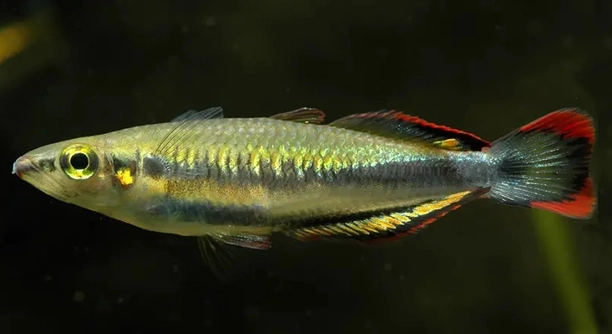
Adding driftwood to a rainbowfish tank can transform the aquarium’s look while creating a more natural environment. It provides structure, hiding spots, and surfaces that encourage healthy fish behavior and overall well-being in the aquatic habitat.
Incorporating driftwood offers multiple benefits for rainbowfish, including water chemistry stabilization, improved coloration, enhanced territorial spaces, natural feeding opportunities, and stimulation of natural behaviors, all contributing to the fish’s physical health and psychological enrichment within the aquarium.
Exploring these benefits will help you create a more vibrant, balanced, and engaging environment for your rainbowfish to thrive naturally.
Enhancing Water Quality Naturally
Driftwood can naturally influence the water conditions in your rainbowfish tank. As it slowly releases tannins, it can slightly lower the pH and soften the water, creating an environment closer to the fish’s natural habitat. This helps rainbowfish feel more comfortable, reduces stress, and encourages healthier behavior. The subtle change in water chemistry can also limit certain algae growth, making maintenance easier. Additionally, driftwood provides surfaces for beneficial bacteria to colonize, improving the overall filtration process. When positioned strategically, it can help circulate water more effectively, keeping the tank cleaner. Over time, this natural enhancement promotes a stable ecosystem within your aquarium, reducing the likelihood of sudden water parameter swings that could harm your fish. The organic structure of driftwood also provides a natural aesthetic, making the tank visually appealing while supporting fish well-being. Choosing the right type and size of driftwood ensures both functional benefits and safety for your rainbowfish.
Driftwood acts as a natural water conditioner and supports a balanced ecosystem for your rainbowfish tank.
It is important to prepare driftwood properly before placing it in the tank. Soaking it for several days helps release excess tannins and ensures it sinks fully. Cleaning the wood thoroughly removes debris or pests that could affect water quality. Once prepared, the driftwood can be positioned to maximize hiding spots and water flow, giving your rainbowfish safe spaces to explore. Combining driftwood with live plants enhances its effects, creating a more natural and healthy aquarium environment that promotes long-term fish vitality.
Providing Shelter and Reducing Stress
Rainbowfish benefit from having driftwood as shelter because it gives them safe hiding spaces. Hiding reduces stress and helps them feel secure, improving their overall health and behavior.
Strategically placed driftwood allows rainbowfish to establish territories, preventing conflicts and aggressive interactions, especially in community tanks. The shaded areas mimic their natural environment, encouraging natural swimming patterns and social behaviors. Juvenile fish often use driftwood to practice hiding and darting, which builds confidence and reduces anxiety. Driftwood also provides vertical and horizontal spaces, offering both open swimming areas and secluded corners, balancing activity with rest. Fish often rest near the wood or use it as a point of orientation, which supports their daily routines. Driftwood combined with plants and stones creates a layered habitat, giving rainbowfish multiple zones for exploration, feeding, and relaxation. Maintaining this structure ensures a dynamic but secure environment, helping rainbowfish adapt and thrive without unnecessary stress. The wood’s texture also allows small fish to graze lightly, supporting their natural foraging instincts.
Supporting Natural Feeding Habits
Driftwood surfaces attract biofilm and microorganisms, providing a natural grazing area for rainbowfish. This supports their instinctive feeding behaviors and adds variety to their diet without extra effort.
Rainbowfish naturally pick at surfaces in their environment, searching for algae, biofilm, or small invertebrates. Driftwood encourages this behavior by offering textures where microorganisms can grow. As they nibble on these surfaces, they receive supplemental nutrition, which promotes better health and vitality. This natural grazing reduces boredom and keeps the fish active, supporting both physical fitness and mental stimulation. Combining driftwood with live plants enhances these effects, creating a microhabitat where rainbowfish can interact with food sources similarly to their natural habitats. Over time, this encourages consistent feeding patterns and reduces competition for prepared foods in the tank.
In addition to providing surfaces for grazing, driftwood can help disperse food in the aquarium. Small particles of fish flakes or pellets often settle near the wood, allowing fish to forage naturally. This encourages slower feeding and prevents overeating, which can lead to water quality issues. Observing rainbowfish interact with driftwood during feeding is also satisfying, as it demonstrates their natural instincts and adaptability. The presence of driftwood ultimately creates a more engaging and balanced environment that supports healthy feeding behaviors consistently.
Enhancing Coloration and Appearance
Driftwood can subtly improve rainbowfish coloration by creating a natural environment that reduces stress and encourages vibrant displays. The contrast of wood against the fish highlights their hues effectively.
A well-structured aquarium with driftwood mimics the fish’s natural habitats, where they would experience shaded areas and sunlight filtering through plants and wood. This natural setting allows rainbowfish to express their colors more fully, as stress and insecurity often dull pigmentation. Regular exposure to such an environment promotes consistent coloration, which can be seen in fins, scales, and body patterns. Different types of driftwood can affect lighting and shading, subtly changing the way colors are perceived and enhancing the tank’s visual appeal. Maintaining clean, healthy water along with driftwood ensures that the fish remain bright and healthy over time.
In addition to environmental benefits, driftwood may slightly influence water chemistry, which can also affect coloration. Tannins released from the wood create soft, slightly acidic water conditions similar to natural streams and rivers. These conditions are ideal for many rainbowfish species, allowing their colors to develop optimally. The visual contrast between dark wood and bright fish emphasizes their vibrant patterns, making their environment more visually striking. Over time, fish living with driftwood often display more natural, intense coloration, reflecting both their health and comfort within the aquarium.
Encouraging Natural Exploration
Driftwood provides a varied terrain that rainbowfish can explore safely. The wood’s nooks and crevices allow fish to move around and investigate their environment.
Exploration around driftwood keeps rainbowfish active and engaged. It gives them a sense of security while promoting natural swimming and social behaviors, supporting both mental and physical well-being.
Supporting Breeding Behavior
Certain rainbowfish species feel more comfortable spawning when driftwood is present. The wood creates sheltered areas that mimic natural breeding sites.
By offering discreet spaces and surfaces, driftwood encourages rainbowfish to lay eggs and protect fry. The structure also reduces stress during breeding, increasing the chances of successful reproduction and supporting a healthy, self-sustaining aquarium environment.
Adding Visual Interest
Driftwood introduces depth and texture to the aquarium, creating a more dynamic and natural aesthetic. Its shapes complement plants and decorations, making the tank visually appealing.
FAQ
What type of driftwood is safe for rainbowfish?
Only use aquarium-safe driftwood that has been treated or naturally prepared for tanks. Mopani, Malaysian, and cholla driftwood are popular choices. Avoid wood with sharp edges or chemicals, as these can harm fish and disrupt water quality. Properly cleaned and soaked wood ensures safety.
How do I prepare driftwood before adding it to my tank?
Soak the driftwood in water for several days to release tannins and ensure it sinks. Scrub the surface to remove debris and inspect for pests. Boiling small pieces can further sterilize them and reduce discoloration in the aquarium water.
Will driftwood change my water color?
Yes, driftwood releases tannins that can slightly tint water brown or amber. This is generally harmless and can benefit rainbowfish by softening water and mimicking natural habitats. Regular water changes help manage the color if it becomes too strong.
How often should I clean driftwood?
Rinse driftwood during regular tank maintenance to remove excess algae or debris. Avoid harsh chemicals, as they can harm fish. Gentle scrubbing with a soft brush is usually enough to keep the driftwood clean and safe for rainbowfish.
Can driftwood affect pH levels?
Yes, driftwood naturally lowers pH slightly by releasing tannins. This creates softer, slightly acidic water conditions similar to natural environments. It’s important to monitor pH to ensure it stays within the safe range for rainbowfish.
Does driftwood need to be replaced over time?
Most driftwood can last for years if properly maintained. Some types may slowly break down, especially in very soft water, but this is natural and can contribute nutrients to the aquarium. Replace only if it begins to decompose excessively.
How do I prevent driftwood from floating?
Soak the driftwood for several days before placing it in the tank. For stubborn pieces, you can weigh them down with aquarium-safe stones until they fully absorb water. Properly prepared wood will stay submerged naturally over time.
Can driftwood cause algae growth?
Driftwood itself doesn’t directly cause algae, but tannins may provide surfaces for algae to attach. Regular tank maintenance, proper lighting, and plant coverage can reduce excessive algae growth while maintaining a natural environment.
Is it safe to combine driftwood with live plants?
Yes, driftwood works well with live plants. Plants can attach to surfaces or grow nearby, creating a natural, layered habitat. The combination provides shelter, improves water flow, and enhances the visual appeal of the aquarium.
Will all rainbowfish species benefit from driftwood?
Most rainbowfish enjoy driftwood as it encourages natural behaviors, exploration, and hiding. While preferences vary slightly among species, driftwood generally enhances comfort, coloration, and overall health for a wide range of rainbowfish.
Can driftwood affect water hardness?
Yes, driftwood can slightly soften water, which is beneficial for rainbowfish from softer water habitats. Monitoring hardness ensures it remains within optimal levels, maintaining a stable environment and supporting the fish’s health and coloration.
How should I position driftwood in my tank?
Place driftwood to create hiding spots, open swimming areas, and natural-looking focal points. Combine it with plants and rocks for a balanced layout. Avoid overcrowding, as this can stress fish and limit swimming space.
Can driftwood be used in community tanks?
Absolutely. Driftwood provides shelter and reduces stress for all species, helping prevent conflicts. Positioning it strategically allows multiple species to establish territories and promotes natural interactions while keeping the tank harmonious.
How does driftwood support juvenile rainbowfish?
Juveniles use driftwood for hiding and practicing swimming skills. The wood offers safe areas to explore, reducing stress and improving growth. It also encourages grazing on biofilm, contributing to proper nutrition and healthy development.
Is there a risk of harmful bacteria on driftwood?
Properly prepared and soaked driftwood minimizes the risk of harmful bacteria. Boiling or soaking before use ensures that potentially dangerous microorganisms are eliminated, keeping rainbowfish healthy and the tank safe.
Can driftwood be combined with decorations safely?
Yes, driftwood pairs well with rocks, caves, and artificial structures. It creates depth and multiple zones in the aquarium. Ensure all items are aquarium-safe and do not overcrowd the tank, maintaining space for swimming and exploration.
Will driftwood help reduce aggression among rainbowfish?
Providing hiding spots and territory markers with driftwood helps minimize aggressive interactions. Fish can establish zones and retreat when stressed, reducing conflicts and promoting a calmer, more balanced aquarium environment.
How often should I replace or reposition driftwood?
Reposition driftwood only when redesigning the tank or if it begins to break down. Long-term placement is fine as long as water flow, access, and fish activity are maintained. Minor adjustments can help improve aesthetics or hiding spaces.
Does driftwood require any special maintenance for long-term use?
Driftwood requires minimal care beyond rinsing and occasional gentle scrubbing. Monitor water chemistry and clean algae when necessary. Properly maintained wood can last for years while continuing to support fish health and visual appeal.
Can driftwood improve rainbowfish coloration permanently?
Driftwood enhances coloration by providing a natural environment, reducing stress, and supporting health. While it doesn’t permanently alter genetics, consistent use helps rainbowfish display their natural hues more vividly and consistently.
Is it safe to use multiple pieces of driftwood?
Yes, multiple pieces can create a layered and dynamic habitat. Ensure there is enough swimming space, avoid overcrowding, and arrange the wood to provide hiding spots, territorial zones, and aesthetic appeal.
How long does it take for driftwood to fully integrate into a tank?
After soaking and placement, driftwood integrates within a few days to weeks. Fish gradually explore and use the wood for hiding and grazing. Over time, it becomes a natural part of the aquarium ecosystem.
Does driftwood affect water temperature?
Driftwood has no significant impact on water temperature. Its main effects are on water chemistry and structure, providing shelter and natural surfaces without altering the tank’s thermal stability.
Can I use driftwood in small aquariums?
Yes, small aquariums can benefit from appropriately sized driftwood. Choose pieces that fit the tank scale, leaving enough swimming space. Proper placement enhances hiding spots, exploration, and aesthetic appeal without overcrowding.
How do I prevent driftwood from harming plants?
Position driftwood carefully to avoid crushing or shading plants excessively. Secure plants near the wood or attach them to surfaces. Balanced placement allows both plants and driftwood to coexist harmoniously while supporting fish needs.
Are there alternatives if driftwood is not available?
Rocks, caves, and artificial wood-like decorations can provide shelter and grazing surfaces. While they don’t release tannins or affect water chemistry naturally, they still support hiding, exploration, and territorial behaviors for rainbowfish.
Can driftwood benefit other freshwater fish in the same tank?
Yes, most freshwater species enjoy the shelter and natural surfaces driftwood provides. It supports grazing, hiding, and stress reduction, making it a versatile addition to community tanks alongside rainbowfish.
Does driftwood require any special treatment for soft water aquariums?
Soft water aquariums benefit from driftwood’s natural pH-lowering properties. Ensure the wood is fully soaked and clean to prevent sudden water chemistry changes, which could stress sensitive fish.
How do I monitor driftwood impact on water chemistry?
Regularly test pH, hardness, and tannin levels after adding driftwood. Observe fish behavior and adjust water changes if necessary. Monitoring ensures driftwood supports a stable, healthy environment.
Can driftwood harbor pests or unwanted organisms?
Pre-soaking and cleaning driftwood removes most pests. Inspect carefully before introducing wood to the tank. Proper preparation minimizes the risk of unwanted organisms while maintaining a safe habitat for rainbowfish.
Is driftwood suitable for long-term tank setups?
Yes, driftwood can last years if maintained. It continues to provide structural, visual, and environmental benefits, enhancing fish health and tank aesthetics over the long term without frequent replacement.
Can driftwood help simulate natural habitats for breeding programs?
Driftwood offers sheltered areas, surfaces, and environmental complexity that mimic natural breeding conditions. This encourages spawning, protects fry, and supports healthy reproduction for rainbowfish species.
Does driftwood need to be removed for tank cleaning?
Driftwood can remain in the tank during routine maintenance. Only remove it for deep cleaning, repositioning, or if signs of decomposition appear. Gentle cleaning in place is usually sufficient to maintain hygiene.
Can driftwood be combined with sand or gravel substrates?
Yes, driftwood pairs well with both sand and gravel. Burying the base slightly can stabilize the wood while leaving surfaces accessible for grazing, exploration, and aesthetic appeal, creating a natural-looking tank environment.
How much driftwood is recommended for a standard rainbowfish tank?
A few well-placed pieces are enough to provide hiding spots and visual interest. Avoid overcrowding, ensuring ample swimming space and access to food and filtration systems. Placement should balance function and aesthetics.
Will driftwood affect lighting in the aquarium?
Driftwood can create shaded areas, influencing light distribution. This benefits rainbowfish by providing rest zones while enhancing the tank’s depth and contrast, making colors appear more vibrant.
Can driftwood support biofilm growth for fish to feed on?
Yes, driftwood surfaces promote biofilm development. Rainbowfish nibble on it naturally, gaining supplemental nutrition and engaging in instinctive foraging behavior, which supports their health and mental stimulation.
Does driftwood pose a risk of sharp edges or injury?
Select smooth or sanded driftwood to prevent injury. Avoid pieces with jagged edges that could harm fins or scales. Proper preparation ensures safety and comfort for rainbowfish.
How do I know if driftwood is affecting water quality negatively?
Monitor pH, hardness, and clarity. Excessive discoloration, odor, or sudden water chemistry changes may indicate the wood is releasing too many tannins or decomposing. Adjust maintenance or replace the piece if needed.
Can driftwood be used with automated filtration systems?
Yes, driftwood works well with filters. Position it to maintain water flow and avoid blocking intake. This ensures effective filtration while supporting hiding spots and natural fish behavior.
Is driftwood suitable for planted tanks?
Driftwood provides attachment points for plants like Java fern or Anubias. It complements the tank’s layout, creates shelter, and enhances both plant and fish health without interfering with growth.
How long does it take for rainbowfish to adjust to new driftwood?
Most rainbowfish explore and use driftwood within a few days. Juveniles may take longer, but consistent access encourages natural behaviors and reduces stress over time.
Can driftwood release harmful substances into the water?
Properly prepared driftwood is safe. Untreated or contaminated wood may release chemicals or debris, which is why cleaning, soaking, and selecting aquarium-safe wood is crucial for fish health.
Does driftwood require special storage if removed from the tank?
Store driftwood in a dry, clean area to prevent mold or pests. If keeping it for future use, ensure it’s fully dried and free of debris before storage.
Can driftwood be used in saltwater tanks for rainbowfish hybrids?
Rainbowfish are freshwater species; driftwood is intended for freshwater use. Saltwater conditions may degrade the wood and harm fish, making it unsuitable for marine setups.
Will driftwood affect the taste or smell of the water?
Tannins can give water a mild woody aroma and slightly darker color. This is harmless for rainbowfish and mimics natural environments, enhancing comfort and health.
How do I choose the right size of driftwood?
Select driftwood proportional to your tank. Large pieces create focal points and hiding spaces, while smaller pieces add exploration zones. Balance size with swimming space and tank dimensions.
Does driftwood require special care for community tanks?
In community tanks, ensure driftwood doesn’t overcrowd swimming areas. Place pieces to provide shelter without limiting movement, supporting peaceful interactions among different fish species.
Can driftwood help with territorial disputes?
Yes, driftwood creates visual barriers and hiding spots, allowing fish to establish personal spaces. This reduces aggression and stress while promoting a balanced social structure in the tank.
Will driftwood degrade over time?
Some decomposition is natural, especially in very soft water. Regular observation and maintenance ensure it continues providing benefits without negatively impacting water quality.
Can driftwood improve rainbowfish longevity?
By reducing stress, supporting natural behaviors, and providing a healthy environment, driftwood contributes to overall well-being, which may positively impact lifespan and quality of life.
How do I know when driftwood needs replacing?
Replace driftwood if it shows excessive decomposition, crumbling, or odor. Minor wear is normal, but significant breakdown can affect water quality and fish safety.
Does driftwood require special tools for placement?
No special tools are needed. Simple adjustments, such as positioning by hand and using stones to stabilize, are sufficient for arranging driftwood effectively in the tank.
Can driftwood be used with other decorations safely?
Yes, driftwood complements rocks, plants, and artificial ornaments. It enhances aesthetics and function without causing harm, as long as all items are aquarium-safe and arranged thoughtfully.
How do I prevent driftwood from promoting unwanted algae?
Regular maintenance, controlling light exposure, and balancing nutrients reduce algae growth. Driftwood may host some biofilm, but proper care prevents excessive buildup.
Is driftwood compatible with all filtration systems?
Driftwood works with most filters. Avoid blocking intakes, and ensure water flow reaches all areas. This supports filtration efficiency while maintaining the tank’s natural structure.
Can driftwood support multiple fish species simultaneously?
Yes, it provides hiding spots, grazing surfaces, and territory markers for different species. Proper placement prevents overcrowding and supports peaceful coexistence.
Does driftwood require pre-treatment for fish health?
Soaking, cleaning, and optional boiling are sufficient pre-treatments. These steps remove tannins, debris, and potential pests, ensuring the wood is safe for rainbowfish.
How long will it take to see benefits from driftwood?
Many benefits, such as hiding and exploration, are immediate. Effects on coloration, breeding, and water chemistry may develop over weeks, gradually improving fish health and environment quality.
Can driftwood be combined with artificial plants?
Yes, driftwood works with artificial plants to provide shelter, structure, and visual variety. While it won’t support biofilm growth, it still offers hiding spots and environmental enrichment.
Does driftwood help with juvenile schooling behavior?
Yes, driftwood creates safe zones for juveniles to gather and explore together, encouraging natural schooling while reducing stress and promoting healthy growth.
Can driftwood affect tank lighting needs?
Shaded areas created by driftwood may reduce direct light exposure. Adjust lighting to ensure plants and fish receive adequate illumination while maintaining natural hiding zones.
Is it necessary to remove driftwood during water changes?
No, driftwood can remain in the tank. Only remove it if you need to clean it thoroughly, reposition, or inspect for decomposition. Routine water changes do not require removal.
How do I prevent driftwood from tipping over?
Place it securely against the substrate or other decorations. Burying the base slightly or using stones for support prevents movement, ensuring stability and safety for fish.
Can driftwood help reduce fish stress after tank changes?
Yes, driftwood provides immediate hiding spots and familiar structures, helping rainbowfish feel secure after rearrangements or water parameter adjustments.
Does driftwood need chemical treatment to be safe?
No chemical treatment is necessary. Soaking, cleaning, and optional boiling are sufficient to make driftwood safe without introducing harmful substances.
Can driftwood help maintain natural fish behavior in captivity?
Yes, it encourages hiding, grazing, exploration, and territoriality. These natural behaviors support physical and mental health, creating a more authentic and comfortable environment for rainbowfish.
Is it safe to use driftwood with small fish species?
Yes, small fish benefit from the shelter and grazing surfaces driftwood provides. Ensure pieces are smooth and sized appropriately to prevent injury.
How do I know if driftwood is affecting fish negatively?
Watch for unusual behavior, stress, or water parameter changes. Adjust placement, clean the wood, or replace it if problems persist to ensure a safe environment.
Can driftwood be used in planted tanks long-term?
Yes, it provides attachment points and shelter while complementing plant growth. Over time, it integrates naturally, supporting fish and plant health simultaneously.
Does driftwood release nutrients into the water?
Yes, slow decomposition releases trace elements that can benefit plants and microorganisms. This supports a balanced ecosystem and enhances natural grazing opportunities for rainbowfish.
Can driftwood be used with heaters and pumps safely?
Yes, driftwood does not interfere with equipment. Ensure it is positioned to allow proper water flow and heating efficiency while maintaining safe spaces for fish.
How often should I check driftwood condition?
Inspect driftwood regularly during routine maintenance. Look for signs of decay, sharp edges, or excessive algae to maintain safety and effectiveness in the aquarium.
Will driftwood affect aquarium filtration efficiency?
Properly positioned driftwood does not hinder filtration. Ensure it does not block intakes, allowing water to circulate freely while benefiting fish and tank aesthetics.
Can driftwood help establish a natural microhabitat?
Yes, it creates surfaces for biofilm, hiding spots, shaded areas, and territorial zones, promoting a balanced and engaging microhabitat for rainbowfish and other tank inhabitants.
Is driftwood beneficial for fish health overall?
Yes, by supporting natural behavior, reducing stress, enhancing coloration, and improving water quality, driftwood contributes to healthier, happier rainbowfish in a more natural environment.
How do I balance driftwood with open swimming space?
Place driftwood strategically along tank edges or corners, leaving central areas open. This ensures fish have room to swim freely while benefiting from shelter and environmental enrichment.
Can driftwood support multiple layers of decoration?
Yes, driftwood allows plants, rocks, and ornaments to be arranged in layers. This creates depth, hiding spots, and diverse exploration areas without compromising swimming space or fish safety.
Does driftwood require ongoing monitoring after installation?
Yes, monitor water chemistry, wood condition, and fish behavior. Regular observation ensures driftwood continues to provide benefits without introducing negative effects to the tank ecosystem.
Can driftwood help with fish acclimation in new tanks?
Yes, it provides familiar structures, hiding spots, and grazing areas, helping rainbowfish adjust quickly to new environments while reducing stress and encouraging natural behaviors.
How do I ensure driftwood is safe for long-term use?
Soak, clean, inspect, and occasionally scrub driftwood. Monitor water quality and observe fish health. Proper preparation and care ensure driftwood remains safe and beneficial over time.
Adding driftwood to a rainbowfish tank offers both practical and aesthetic benefits. It provides shelter, hiding spots, and surfaces for grazing, all of which encourage natural behaviors in the fish. Rainbowfish thrive in environments that mimic their natural habitats, and driftwood helps create this sense of security and familiarity. Over time, fish tend to become more active, confident, and less stressed when they have structures to explore and hide behind. Driftwood also allows juveniles to practice swimming, darting, and foraging behaviors safely, which supports their development. Even adult fish benefit from the added complexity, as it gives them a place to retreat when feeling threatened or to mark their territories in a calm and natural way. The presence of driftwood can make a tank feel more dynamic and alive, while also providing functional benefits that improve the overall quality of life for rainbowfish.
In addition to behavioral advantages, driftwood affects the physical environment of the aquarium. The tannins it releases slightly lower pH and soften water, creating conditions that are closer to those found in natural freshwater habitats. This helps maintain stable water chemistry, reduces stress, and can even help prevent minor algae growth. Driftwood also serves as a surface for beneficial bacteria to colonize, contributing to natural filtration and a healthier tank ecosystem. When paired with plants, stones, or other decorations, driftwood can create a balanced habitat that offers both open swimming areas and shaded zones. This combination of natural elements supports physical health, encourages grazing, and makes the aquarium visually appealing. Fish are more likely to display bright colors, explore confidently, and interact naturally when their environment feels secure and enriched.
Finally, maintaining and caring for driftwood is straightforward, making it a practical addition for both new and experienced aquarium keepers. Pre-soaking, cleaning, and occasional scrubbing are generally enough to keep it safe and functional. Over time, driftwood may release nutrients that support plant growth or slightly change water coloration, which is normal and beneficial for rainbowfish. Regular observation of water parameters and fish behavior ensures the wood continues to provide positive effects without negative impacts. By carefully selecting, preparing, and placing driftwood, aquarists can create a balanced, natural, and engaging environment that promotes both the health and happiness of rainbowfish. Ultimately, the addition of driftwood enhances not only the physical and behavioral well-being of the fish but also the overall look and enjoyment of the aquarium. It is a simple, effective way to replicate natural habitats, support long-term fish care, and make the tank a more dynamic, comfortable, and visually appealing space.

Hello,
If you enjoy the content that we create, please consider saying a "Thank You!" by leaving a tip.
Every little bit helps us continue crafting quality advice that supports the health, happiness, and well-being of pets around the world, for pets of all shapes, sizes, and species.
We really appreciate the kindness and support that you show us!