
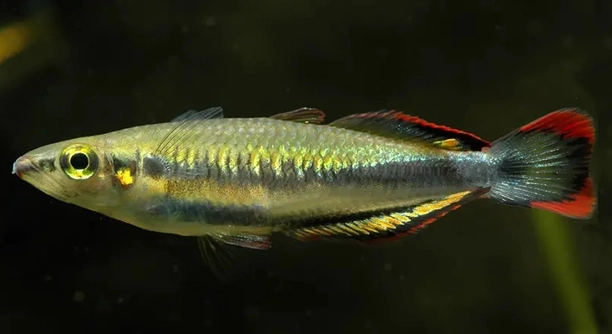
Are your rainbowfish looking dull despite your best efforts to keep their tank clean and healthy? Maintaining vibrant colors can be challenging, even when the water conditions and diet appear ideal for these lively fish.
Rainbowfish coloration is strongly influenced by a combination of diet, lighting, water quality, and environmental enrichment. Providing a balanced nutrient-rich diet, optimal aquarium conditions, and stress-free surroundings can significantly enhance their natural pigments and overall appearance.
Maintaining these conditions consistently will ensure your rainbowfish remain healthy and colorful while thriving in their aquatic environment.
Provide a Balanced Diet
A well-rounded diet is essential for enhancing the colors of your rainbowfish. High-quality flake foods, supplemented with live or frozen options such as brine shrimp and daphnia, help maintain their vibrant hues. Including vegetables like blanched spinach or peas can add variety and essential nutrients. Overfeeding should be avoided, as excess food can pollute the tank and harm water quality, indirectly affecting the fish’s coloration. Rotating different types of foods ensures that your rainbowfish receive a range of vitamins, minerals, and carotenoids, which directly contribute to brighter pigmentation. Natural color enhancers in food, such as spirulina and krill, can also make a noticeable difference over time. A consistent feeding schedule helps regulate their metabolism and overall health, making colors appear more intense. Observing your fish while feeding allows you to notice any changes in appetite or activity, signaling adjustments that may be needed in their diet.
Balanced nutrition supports both color enhancement and overall fish health, promoting longevity.
Regular attention to diet will result in healthier, more vividly colored rainbowfish over time, ensuring they display their full range of natural beauty.
Optimize Aquarium Lighting
Proper lighting plays a major role in showcasing rainbowfish colors. Bright but not harsh lighting helps display their natural pigments effectively. LED lights with full-spectrum options mimic natural daylight and bring out red, blue, and green tones. Too little light can make colors appear washed out, while excessive light may stress the fish and encourage algae growth. Matching the light cycle to natural day-night patterns helps maintain normal behavior and feeding activity, indirectly affecting coloration. Positioning lights appropriately and maintaining consistent timing encourages steady color expression without causing unnecessary stress or fatigue. Regularly cleaning the aquarium and light fixtures ensures maximum brightness and prevents dulling of colors due to algae buildup. Observing how your rainbowfish respond to different lighting setups allows for adjustments that enhance vibrancy.
Lighting that mimics natural conditions can make rainbowfish colors more vivid and stable.
Combining proper lighting with a nutritious diet and clean water conditions significantly improves color brightness. Even minor adjustments in light intensity and duration can produce noticeable results. Additionally, using reflective surfaces or lighter substrate can help intensify color perception. Avoid sudden changes in lighting, as this can stress the fish and temporarily dull their colors. Consistency is key, ensuring that the fish adapt comfortably while showing their brightest pigments. Well-lit aquariums also allow you to monitor health issues more easily, as faded or blotchy colors often signal stress or illness. Pairing the correct lighting with other environmental enhancements ensures rainbowfish remain active, healthy, and visually striking over time.
Maintain Optimal Water Conditions
Stable water conditions are crucial for bright rainbowfish colors. Regular testing and partial water changes prevent harmful chemical buildup, keeping the tank clean and healthy. Temperature, pH, and hardness should remain consistent to reduce stress and promote vibrant coloration.
Maintaining consistent water parameters supports both fish health and color intensity. Rainbowfish are sensitive to sudden changes in temperature or pH, which can cause stress and temporary dulling of their pigments. Performing weekly water changes of 20-30 percent helps remove toxins, nitrates, and other impurities that can affect their overall wellbeing. Using a reliable water testing kit ensures that levels remain within the ideal range, while adjusting parameters gradually avoids shocking the fish. A well-filtered and aerated tank also supports oxygen levels, which contributes to their metabolism and coloration.
Keeping the tank environment stable reduces stress and allows your rainbowfish to display their brightest colors naturally. Monitoring chemical levels and maintaining a clean habitat are essential steps for long-term color enhancement and fish health.
Reduce Stress in the Aquarium
Stress directly affects rainbowfish coloration, making it important to create a calm environment. Avoid sudden movements, loud noises, or overcrowding, which can trigger stress responses and fade colors.
Providing hiding spots and plants gives fish areas to retreat when they feel threatened, which reduces stress. Maintaining a consistent feeding routine and avoiding sudden changes in diet or lighting also helps keep their stress levels low. Overcrowding can lead to aggression and competition, diminishing colors over time. Observing social interactions ensures that dominant or aggressive fish do not intimidate others, which could lead to health issues or color loss. Maintaining gentle filtration and minimal disturbances during maintenance supports a peaceful environment that enhances overall coloration.
Stress-free conditions allow rainbowfish to maintain their natural pigments and show more vibrant hues. A well-planned tank layout, consistent care, and gentle handling contribute to stronger colors, healthier fish, and more active behavior. Reducing environmental stressors is essential for long-term vibrancy and overall wellbeing in your aquarium.
Add Live Plants
Live plants improve water quality by absorbing nitrates and providing oxygen. They also create natural hiding spots, which reduce stress and encourage rainbowfish to display their best colors.
Plants mimic the fish’s natural environment, offering shelter and security. Varieties like Java fern, Anubias, and hornwort are easy to maintain and help maintain a stable tank environment.
Keep Compatible Tank Mates
Rainbowfish show their brightest colors when they feel safe among other fish. Avoid aggressive or fin-nipping species that cause stress or hide constantly. Choosing peaceful, active fish helps maintain a calm and visually vibrant tank environment.
Regular Tank Maintenance
Consistent tank cleaning ensures water quality remains high. Removing debris, vacuuming substrate, and checking filters regularly prevents harmful buildup and supports rainbowfish coloration over time.
Avoid Overcrowding
Too many fish in a tank increases competition for space and resources. Overcrowding stresses rainbowfish and dulls their colors, making a smaller, well-balanced community more effective for healthy, vibrant fish.
FAQ
How often should I feed my rainbowfish to enhance their colors?
Rainbowfish benefit from small, frequent feedings rather than one large meal. Feeding them two to three times a day with a mix of high-quality flakes, frozen, or live foods ensures they get essential nutrients. Rotating food types helps provide carotenoids and vitamins, which contribute directly to brighter coloration. Overfeeding should be avoided, as leftover food can decay and impact water quality, indirectly dulling their colors. Observing their appetite helps adjust portion sizes while keeping them healthy and vibrant.
What type of lighting works best for rainbowfish?
Full-spectrum LED lighting is ideal for displaying the natural colors of rainbowfish. Lights that mimic daylight enhance red, blue, and green pigments. Keeping a consistent light cycle of roughly 10-12 hours per day helps maintain normal behavior and metabolism. Avoid overly intense lighting, which can stress the fish or encourage excessive algae growth. Proper positioning of lights and cleaning fixtures regularly ensures optimal brightness, allowing your rainbowfish to show their brightest colors naturally.
How can I maintain water conditions for optimal coloration?
Stable water parameters are essential. Temperature should generally be between 24–28°C (75–82°F), pH around 6.5–7.5, and moderate hardness. Regular partial water changes of 20–30 percent each week remove toxins and maintain clarity. Using a reliable water test kit ensures levels remain consistent. Overcrowding and poor filtration increase stress, leading to faded colors, so monitoring fish density and filter efficiency is important. Adding live plants can also help absorb excess nitrates and support a healthy environment, which promotes natural pigmentation.
What role does stress play in color fading?
Stress directly affects rainbowfish coloration. Factors such as aggressive tank mates, overcrowding, sudden changes in lighting, or poor water quality can make them hide, eat less, or display dull colors. Providing hiding spots with plants or decorations helps reduce stress, along with maintaining gentle filtration and consistent care routines. Calm and predictable environments allow the fish to display their natural colors fully. Regular observation helps detect stress signs early and address them before long-term color loss occurs.
Can diet alone improve rainbowfish colors?
Diet plays a major role but is most effective when combined with proper lighting, water quality, and a low-stress environment. Foods rich in carotenoids, spirulina, krill, and natural pigments directly influence coloration. Balanced nutrition supports overall health, enhancing vibrancy. Live or frozen foods add protein and variety, while occasional vegetables provide additional nutrients. Feeding consistently and monitoring how the fish respond ensures they receive the benefits without overfeeding or water pollution.
Are there signs that my rainbowfish are not displaying their best colors?
Dull or faded colors, clamped fins, hiding frequently, or lethargy are indicators that environmental or dietary adjustments are needed. Observing behavior and appearance regularly allows early intervention. Water tests, adjusting diet, or modifying tank conditions can restore brightness. Ensuring stress-free surroundings and adequate nutrition helps maintain vibrant, healthy fish.
How important is tank size for color display?
Rainbowfish are active swimmers, and small tanks can stress them, dulling their colors. Providing a spacious tank with at least 20 gallons for a small group allows free movement and natural social behavior. Adequate space reduces competition and aggression, which supports both health and pigmentation. Proper decorations and plant placement enhance the environment without crowding.
Can adding live plants affect coloration?
Yes, live plants improve water quality by absorbing nitrates and providing oxygen. They also offer hiding spots, reducing stress and encouraging rainbowfish to display their brightest colors. Plants such as Java fern, Anubias, and hornwort are low-maintenance options that enhance both aesthetics and the natural environment, supporting overall vibrancy.
Do different rainbowfish species have varying color needs?
While all rainbowfish benefit from proper diet, lighting, and water conditions, some species naturally display brighter colors than others. Species such as Boesemani or Turquoise Rainbowfish often show more intense hues. Understanding the specific requirements of each species ensures that environmental conditions and diet are optimized to support their natural pigmentation.
How long does it take to see color improvements?
With consistent care, changes can often be seen within a few weeks. Adjusting diet, maintaining water quality, and reducing stress gradually allows pigments to develop. Some improvements may be subtle at first but become more noticeable over time as the fish acclimate to optimal conditions. Patience and regular monitoring are key to achieving vibrant, healthy rainbowfish.
Maintaining vibrant rainbowfish colors requires consistent care and attention to several key factors. Diet is one of the most important aspects, as providing a balanced variety of foods ensures the fish receive essential nutrients and pigments. High-quality flakes, supplemented with live or frozen options such as brine shrimp, daphnia, or bloodworms, help support natural coloration. Including occasional vegetables like blanched spinach or peas adds additional vitamins and minerals that contribute to overall health. Rotating food types prevents nutritional gaps and keeps the fish interested in eating, while avoiding overfeeding helps maintain water quality and prevents stress. Consistent feeding schedules also help regulate metabolism, allowing the fish to display their natural pigments more fully. Observing their response to different foods can guide adjustments in portions or variety, which can have a noticeable impact on brightness over time.
Environmental factors play a significant role in color enhancement as well. Proper lighting is essential to bring out natural red, blue, and green tones, while stable water parameters maintain a stress-free environment that supports pigmentation. Temperature, pH, and hardness should remain within appropriate ranges for the species, and regular water changes help prevent the buildup of harmful substances that could dull colors. Adding live plants not only improves water quality but also provides shelter and hiding spaces, reducing stress and encouraging active behavior. Overcrowding or aggressive tank mates should be avoided, as stress from social pressure can quickly lead to faded coloration. Maintaining a calm, consistent environment allows rainbowfish to display their best colors while also supporting overall health, longevity, and normal behaviors.
Consistency, patience, and observation are essential for long-term success in maintaining rainbowfish colors. Even minor adjustments, such as modifying lighting schedules, adjusting diet, or adding more plants, can gradually enhance vibrancy. Regular monitoring of water quality, fish behavior, and overall health ensures early detection of any issues before they affect coloration. By combining proper nutrition, stable environmental conditions, and stress reduction, rainbowfish are able to exhibit their brightest and most natural colors. Over time, these efforts create a thriving aquarium where the fish remain healthy, active, and visually striking. Maintaining these practices consistently not only improves aesthetic appeal but also supports the overall wellbeing of the fish, creating a more enjoyable and rewarding aquarium experience.

Hello,
If you enjoy the content that we create, please consider saying a "Thank You!" by leaving a tip.
Every little bit helps us continue crafting quality advice that supports the health, happiness, and well-being of pets around the world, for pets of all shapes, sizes, and species.
We really appreciate the kindness and support that you show us!