7 Feeding Techniques That Boost Color Fast

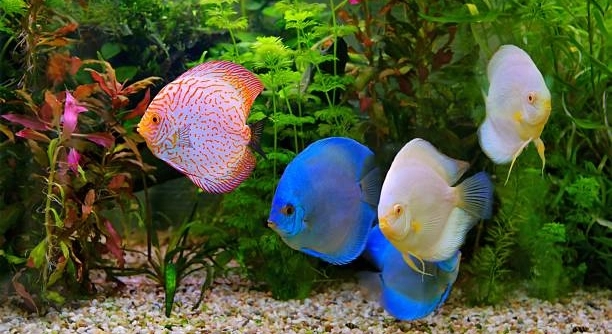
Feeding your fish properly plays a big role in how vibrant their colors become. Many fish owners want to see bright, lively hues in their tanks. This article will help explain some feeding tips that work well. Using specific feeding techniques can significantly enhance fish coloration. These methods include providing nutrient-rich diets, controlling feeding frequency, … Read more
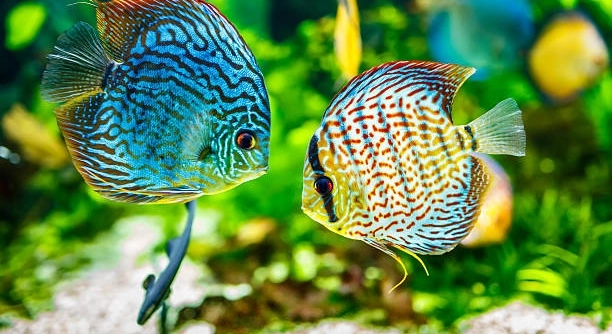
What to Do When Discus Are Aggressive After Feeding

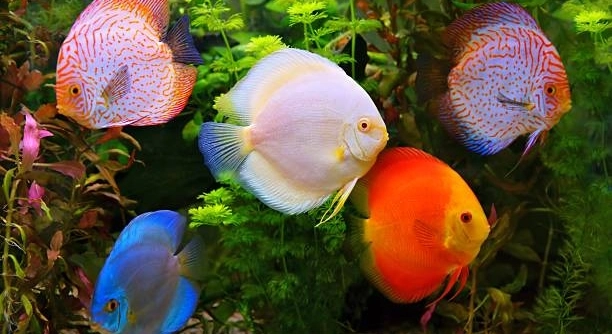
Discus fish are known for their calm and graceful presence in home aquariums. However, after feeding, some discus can suddenly show aggressive behavior, which can be concerning for hobbyists. Understanding this behavior is important for a healthy tank environment. Aggression in discus after feeding is often caused by competition for food, territorial instincts, or stress. … Read more

7 Signs You’re Feeding Discus Too Much

Are your discus fish constantly hovering near the surface, seeming less active or even refusing food during certain feedings? Overfeeding could be the reason behind these subtle but important changes in their behavior. Feeding discus too much often leads to health complications such as bloating, poor water quality, and a weakened immune system. Excess food … Read more

7 Discus Tank Rules You Should Never Break

Keeping discus fish healthy and happy requires careful attention to their environment. Many enthusiasts enjoy these colorful fish but may overlook some important care rules. Following key guidelines can make a big difference in maintaining a thriving discus tank. Strict adherence to discus tank rules is essential for the wellbeing of the fish. These rules … Read more

7 Safe Rocks and Woods for Discus Environments

Rocks and wood pieces can add a natural feel to a discus tank, making the environment more comfortable for your fish. Choosing safe materials is important to keep your discus healthy and happy in their home. Not all rocks and woods are suitable for aquatic use. Safe rocks for discus environments include slate, lava rock, … Read more

7 Signs Your Discus Pair Is About to Spawn

Discus fish are popular among aquarists for their vibrant colors and interesting behaviors. Watching a discus pair prepare to spawn is a special experience that reflects their natural breeding instincts. Recognizing the early signs can help hobbyists support a healthy spawning process. Several behavioral and physical changes indicate that a discus pair is about to … Read more

7 Discus Tank Layouts That Minimize Conflict

Discus fish are beautiful but can be sensitive when housed together. Tank layout plays an important role in keeping these fish calm and reducing fights. Many hobbyists look for ways to create peaceful environments for their discus. Proper tank layouts for discus focus on providing ample space, hiding spots, and clear territory boundaries. Arranging decorations … Read more

Should You Medicate a Discus Showing Stress?

Do your discus fish sometimes act restless or show signs of stress in the aquarium? Stress in discus is common and can affect their health if not addressed. Many fishkeepers wonder about the best way to help their stressed discus feel better. Medicating a stressed discus is not always necessary and should be approached carefully. … Read more

7 Causes of Rapid Breathing in Calm Discus

Rapid breathing in calm discus fish can be concerning for many hobbyists. It often signals that something in their environment or health is not quite right. Understanding the causes can help maintain healthy discus tanks. Rapid breathing in calm discus is typically caused by factors such as poor water quality, low oxygen levels, stress, disease, … Read more

7 Fast Ways to Spot Discus Fish Illness

Discus fish are beautiful pets, but they can get sick like any other living creature. Knowing how to spot illness early helps keep them healthy and thriving. This article will guide you through simple signs to watch for. Recognizing discus fish illness quickly involves observing changes in behavior, appetite, coloration, and physical condition. Early detection … Read more