
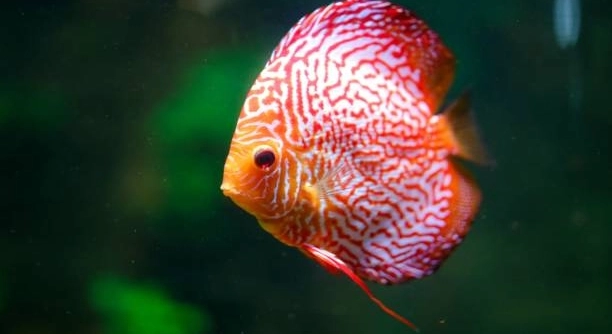
Discus fish are beautiful but can be sensitive when housed together. Tank layout plays an important role in keeping these fish calm and reducing fights. Many hobbyists look for ways to create peaceful environments for their discus.
Proper tank layouts for discus focus on providing ample space, hiding spots, and clear territory boundaries. Arranging decorations and plants strategically minimizes stress and aggressive behaviors. Careful planning helps maintain a balanced community and supports the discus’ natural social needs.
These layout ideas will help you create a calm, healthy space for your discus fish to thrive without unnecessary conflict.
Open Space with Minimal Decorations
Creating an open tank layout with few decorations gives discus plenty of swimming room. This reduces territorial disputes because fish aren’t forced to compete for space. When the tank is crowded with many ornaments, discus can become stressed and aggressive. Open areas allow fish to see each other clearly, which helps them establish peaceful social order. It also makes cleaning and maintenance easier for you. Keep the bottom substrate simple and avoid placing too many tall plants or hiding spots. This setup works well for larger tanks where fish can spread out naturally. Minimal decorations can still include a few smooth rocks or low plants, just enough to provide subtle boundaries without crowding. This type of layout suits discus that are used to living in groups, as they can maintain their hierarchy without feeling trapped. The calm environment helps keep the fish healthy and vibrant.
This approach is especially good for discus in spacious tanks of 55 gallons or more.
While simple, an open layout still needs good water filtration and stable temperature. It balances the discus’ need for space with the tank’s natural feel, promoting peaceful interaction.
Multiple Hiding Spots
Having multiple hiding spots is essential for discus to feel safe. They are shy fish and often retreat when stressed. Hiding places allow them to avoid conflicts and reduce aggression.
With enough hiding spots, discus can choose where to rest and recover. This reduces stress and prevents bullying. Use a mix of plants, caves, and driftwood to create these spaces. Avoid overcrowding the tank with too many decorations because that can create hiding spots for aggressive fish too. Place hiding spots evenly to allow each discus its own retreat. This setup works well in tanks with moderate populations where fish need to feel secure without feeling cramped.
Hiding spots help discus feel secure, which lowers tension and supports healthy behavior.
Dividing the Tank with Plants
Plants can act as natural dividers in a discus tank. Tall and bushy plants placed strategically help break the line of sight between fish, reducing aggression. When discus can’t see each other all the time, they are less likely to chase or fight. Using plants this way creates small territories within the tank, giving each fish some personal space.
Live plants like Amazon swords, java fern, and cryptocoryne are popular choices because they thrive in discus tanks and add beauty. Position plants near tank corners or along the sides, avoiding the middle open area for swimming. The plants also improve water quality by absorbing nitrates and providing oxygen.
This method works well in medium to large tanks, balancing space and shelter. Discus feel calmer and display more natural behaviors when they have visual breaks from other fish. Plant barriers also add a peaceful, natural look to the aquarium, making it enjoyable for both the fish and the keeper.
Maintaining healthy plants requires proper lighting and nutrients, which benefits the overall tank environment. This approach encourages a calm and balanced discus community by combining open swimming areas with private spaces.
Creating Separate Zones
Dividing the tank into distinct zones helps discus establish their own territories. This reduces conflicts by giving each fish space to claim and defend without overlapping.
Using rocks, driftwood, or plants to create clear zones guides discus behavior and prevents overcrowding in one area. When each fish has its own space, aggression decreases because boundaries are respected. It also makes feeding easier, as discus tend to stay within their zones, reducing competition. Creating zones mimics natural habitats where fish spread out and avoid constant confrontation. This layout works well in tanks with several discus, helping maintain peace and order among the group.
Providing visible barriers allows discus to feel secure without feeling trapped. Each zone becomes a small, comfortable area that meets individual fish needs.
Zones can be adjusted over time depending on fish size and behavior, making this a flexible setup that adapts as your discus grow and change.
Using Floating Plants
Floating plants add shade and privacy to discus tanks, creating a calming environment. These plants reduce bright light, which can stress discus, and provide gentle cover.
Plants like duckweed, frogbit, or water lettuce float on the surface and create soft shadows below. This helps discus feel hidden from overhead threats and less exposed. Floating plants also help reduce algae growth by limiting light penetration. They improve water quality by absorbing excess nutrients and provide a natural, peaceful atmosphere. In addition to reducing aggression, floating plants make the tank look lush and natural.
Regular trimming is needed to prevent plants from covering the entire surface, ensuring enough oxygen exchange. Floating plants work well in both small and large tanks and are easy to care for. Their soft coverage benefits shy discus, helping reduce stress and promote healthy behavior over time.
Rounded Decorations
Rounded decorations reduce sharp edges that discus might injure themselves on during territorial disputes. Smooth surfaces also create natural flow and comfort in the tank.
Using rocks or driftwood with soft curves helps avoid sudden movements that trigger aggression. Rounded shapes promote a calmer atmosphere overall.
Strategic Feeding Areas
Designating specific feeding zones limits competition during meal times. Discus can gather without crowding or fighting over food.
Placing feeding spots apart encourages peaceful eating and reduces stress. This setup works well when combined with clearly divided territories and hiding places, supporting calm interactions during feeding.
Soft Lighting
Soft lighting lowers stress and aggression in discus tanks. Bright lights can overstimulate and provoke territorial behavior.
Using dim or diffused light creates a relaxed environment that suits discus well, promoting calm and healthy fish behavior.
How can I tell if my discus fish are stressed due to tank layout?
Stress in discus often shows through changes in behavior and appearance. You might notice them hiding more than usual, swimming erratically, or staying at the bottom of the tank. Their colors may become duller, and they could lose appetite. Aggressive chasing or fin nipping among tank mates also signals stress caused by an unsuitable layout. Watching your fish daily helps spot these signs early, so adjustments to the tank can be made to improve their comfort.
What is the best size tank for minimizing discus conflict?
A tank of at least 55 gallons is recommended to reduce conflict among discus. Larger tanks give fish more space to establish territories and avoid constant close contact, which lowers aggression. When space is limited, discus can feel crowded and stressed, often leading to fights. A spacious tank supports natural behavior, allowing them to swim freely and find their own spots to settle.
Can adding more plants increase or reduce aggression in discus?
Adding plants generally reduces aggression by providing hiding spots and visual barriers. Plants break up sight lines, preventing constant staring contests that trigger fights. However, overcrowding the tank with too many plants can restrict swimming space, which may increase stress and cause aggression. The key is balance—enough plants to create privacy but still leaving open areas for swimming and socializing.
Should I separate aggressive discus from the group?
Separating aggressive discus can be necessary if fights become harmful or continuous. A temporary separation helps the aggressive fish calm down and prevents injury to others. When reintegrating, ensure the tank layout supports clear territories and hiding spots to reduce future conflicts. Sometimes rearranging decorations before reintroducing fish can help reset territorial boundaries and ease tension.
How often should I rearrange the tank layout?
It’s good to rearrange the tank layout every few months or when new fish are added. Changing the environment disrupts established territories and reduces dominance issues. Moving plants, rocks, or decorations encourages discus to re-establish boundaries without prolonged conflicts. However, avoid constant changes that may stress the fish. Plan rearrangements carefully and allow time for fish to adjust.
Do certain decorations trigger more aggression than others?
Sharp or crowded decorations can trigger more aggression. Fish may injure themselves on jagged edges during fights, increasing stress and vulnerability to disease. Overcrowding with decorations leaves little open space, forcing fish into close contact. Smooth, rounded decorations with enough space between them are ideal for minimizing aggression. Decorations that create natural boundaries without clutter work best.
Is water quality related to discus aggression?
Yes, poor water quality increases stress and can worsen aggression in discus. High levels of ammonia, nitrites, or nitrates weaken fish, making them more prone to fight. Clean, well-filtered water supports healthy fish and reduces irritability. Regular water changes and monitoring parameters are essential for a peaceful discus tank.
How can I introduce new discus without causing conflict?
Introduce new discus slowly and carefully by quarantining them first. Add them during dim lighting to reduce stress. Rearrange the tank layout before introducing new fish to reset territories. Consider adding several new discus at once to reduce bullying of a single newcomer. Watch closely and be ready to separate aggressive individuals if needed.
Can lighting affect discus behavior?
Lighting affects discus comfort and behavior. Bright, harsh lights can stress discus and trigger aggression. Soft, diffused lighting creates a calm environment that helps reduce fights and promotes natural behavior. Using floating plants or adjustable aquarium lights can help control light intensity.
Are certain discus colors or types more aggressive?
Some discus strains may show slight differences in temperament, but aggression mainly depends on individual personality and tank conditions. Proper tank layout and care usually have a greater impact than strain type. Focus on environment and social balance rather than breed when managing aggression.
How do I know if a discus tank layout is working?
A good layout shows in peaceful behavior and healthy fish. Minimal chasing, bright colors, regular eating, and active swimming indicate comfort. Fish should use hiding spots but not hide excessively. If aggression and stress signs decrease, the layout is successful. If not, adjustments are needed.
What role does tank population play in discus conflict?
Overcrowding increases stress and fights. Too many fish in a small tank force close contact, leading to territorial disputes. Keeping discus in groups of at least 5 to 7 allows natural social behavior but requires enough space. Understocking can also cause aggression as fish try to dominate the few available spots. Balance population with tank size for harmony.
Can feeding methods reduce aggression?
Yes, spreading food in multiple areas reduces competition and fights. Feeding smaller amounts several times a day helps discus eat without rushing or guarding one spot. Using automatic feeders can also keep feeding times consistent and less stressful. Clean up uneaten food promptly to maintain water quality and reduce irritation.
When setting up a discus tank, the layout plays a key role in keeping your fish peaceful and healthy. A well-planned tank reduces stress and prevents many common conflicts between discus. Simple things like creating open swimming areas, providing hiding spots, and using plants or decorations to divide space can make a big difference. The goal is to give each fish enough room to feel secure without crowding or constant close contact. Thoughtful design respects the natural behaviors of discus and helps them live comfortably together.
Maintaining a calm environment also involves paying attention to other details, like lighting and feeding zones. Soft lighting and floating plants can help reduce stress by giving fish places to hide from bright light or feel less exposed. Setting up specific feeding areas can prevent competition and fighting during meal times. It’s important to observe your discus often to notice any signs of aggression or stress. If problems arise, small changes to the layout or tank conditions can help restore peace. Rearranging decorations or adding more plants can reset territories and reduce tension.
Ultimately, keeping discus in harmony requires patience and care. There is no one-size-fits-all solution because every group of fish is different. Tank size, fish number, and individual personalities all affect how discus interact. By providing a balanced environment with open space, natural hiding places, and clear boundaries, you support peaceful behavior. When your discus feel safe and comfortable, they will show their best colors and natural grace. A thoughtful tank layout is a foundation for long-term success in caring for these beautiful fish.

Hello,
If you enjoy the content that we create, please consider saying a "Thank You!" by leaving a tip.
Every little bit helps us continue crafting quality advice that supports the health, happiness, and well-being of pets around the world, for pets of all shapes, sizes, and species.
We really appreciate the kindness and support that you show us!