
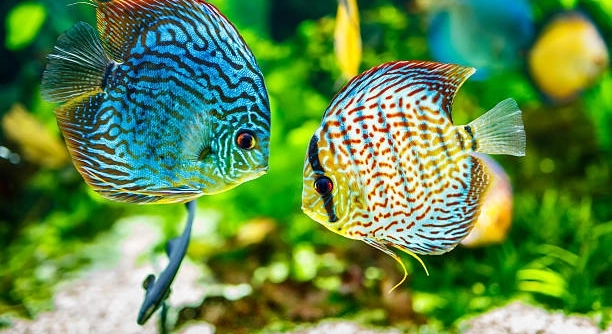
Are your discus fish constantly hovering near the surface, seeming less active or even refusing food during certain feedings? Overfeeding could be the reason behind these subtle but important changes in their behavior.
Feeding discus too much often leads to health complications such as bloating, poor water quality, and a weakened immune system. Excess food decays in the tank, creating an unhealthy environment that can quickly harm even the most robust fish.
Identifying the signs early can help you maintain a balanced diet for your discus. Knowing what to look for makes a big difference in their health and overall tank environment.
Uneaten Food Sits in the Tank
Overfeeding often leads to food being left uneaten at the bottom of the tank. Discus are picky eaters and will not consume food once it becomes soggy or sinks. This leftover food starts to decay quickly, leading to poor water quality. Ammonia levels rise, which stresses the fish and weakens their immune system. It also increases the chances of bacterial and fungal infections. You might notice cloudy water, unpleasant smells, or a build-up of debris. If you regularly see leftover food after feeding, it’s a strong sign you’re giving too much. Feeding them small portions they can finish in a few minutes helps maintain both their health and the tank’s cleanliness. Pay attention to how much they eat and adjust your feeding routine accordingly. A clean tank is easier to maintain and much safer for your discus, especially in a community setup or when dealing with younger, more sensitive fish.
Uneaten food shouldn’t be ignored. It quickly becomes waste, harming your tank’s balance and putting your discus at risk.
Cleaning out leftovers after each feeding can seem like a hassle, but it’s one of the easiest ways to prevent health issues. Even experienced fish keepers sometimes feed too much without realizing it. Observing your tank closely helps avoid this problem.
Bloated Bellies and Stringy Poop
A bloated belly is one of the most visible signs your discus may be eating too much.
Discus have sensitive digestive systems. When they’re fed too much or too often, they can become bloated or constipated. This is usually accompanied by long, white, stringy feces hanging from the fish. These symptoms point to poor digestion, which is often a result of overfeeding. It’s common to think feeding more means better growth or stronger fish, but the opposite happens when digestion slows down. Internal blockages and infections can follow if this is left unchecked. When food isn’t digested properly, it also increases the waste load in your tank. To help your discus recover, reduce the amount of food you’re offering. Give them a break from feeding for a day or two, and then resume with smaller portions. You can also try offering a more digestible diet like frozen or live foods instead of dry pellets. Watch how their body responds before returning to your usual schedule.
Cloudy Water Appears More Often
Cloudy water can be a direct result of overfeeding. Excess food breaks down quickly and releases particles that cloud the water. It also fuels bacteria blooms, which reduce oxygen and create an unhealthy environment for discus.
When too much food is added, the tank’s biological filter can’t process the waste fast enough. Uneaten particles settle and rot, encouraging the growth of harmful bacteria. These bacteria multiply and cause the water to look milky or hazy. It’s not just about looks—cloudy water often means ammonia and nitrite levels are climbing, which can harm your fish. Regular testing can help you catch these changes early. If water becomes cloudy within hours of feeding, reduce the quantity or frequency. It may also help to feed smaller amounts multiple times a day instead of all at once. Keep your filter clean and perform water changes as needed.
Frequent water changes might temporarily clear the water, but they won’t solve the root issue if overfeeding continues. Adjusting how and what you feed is a more lasting fix. Consider using a feeding dish to contain the food and remove leftovers within 5 minutes. Over time, this will help stabilize water clarity and reduce stress on your discus.
Filters Get Clogged Quickly
When filters clog often, it usually means there’s too much organic waste in the tank, often from leftover food and extra fish waste.
Overfeeding causes a surge in waste, and your filter must work harder to process it. As debris collects, the filter becomes less effective, and water quality drops. This can lead to higher ammonia and nitrite levels, both harmful to discus. You may notice slower water flow or hear unusual sounds from the filter. Cleaning it more frequently might help short-term, but long-term improvement comes from adjusting feeding habits. Stick to amounts your fish finish in a few minutes. Break larger meals into smaller feedings throughout the day. Choose quality foods that produce less waste.
Clogged filters also lead to uneven water circulation and oxygen levels, which discus are very sensitive to. If the filter isn’t moving water well, waste will settle and break down inside the tank instead. That creates a dangerous cycle. Keeping filters clean and adjusting feeding amounts can help restore balance and keep your discus in better condition overall.
Fish Show Less Interest in Food
If your discus start ignoring food, it could mean they’re already full or feeling stressed from overfeeding. Feeding them too often can dull their appetite and disrupt natural eating patterns. Skipping a meal or two helps reset their hunger and supports healthier digestion overall.
Loss of appetite might also be linked to poor water quality caused by excess food. When the tank isn’t clean, discus feel uncomfortable and may stop eating altogether. Reducing feedings and improving tank conditions often helps restore their interest in food within a few days.
Tank Smells Bad
A strong or sour smell coming from the tank usually points to decaying food and waste buildup. Overfeeding causes both. As uneaten food breaks down, it releases foul gases and makes the water smell worse. This can make the tank unhealthy for your discus and unpleasant for you.
Aggression Between Fish Increases
Overfed discus can become more territorial. When there’s leftover food in the tank, dominant fish may guard it and start chasing others away. This behavior causes stress and weakens the less aggressive fish, leading to health problems and poor social balance in the group.
How do I know if I am feeding my discus too much?
If you often see leftover food in the tank after feeding, that’s a clear sign you’re giving too much. Other indicators include cloudy water, bloated fish, and unusual fish behavior like less interest in food or increased aggression. Regularly check water quality, and if ammonia or nitrites are high, it often means there is too much waste from overfeeding. Watching your fish closely after feeding times can help you find the right balance.
What is the right amount to feed discus?
A good rule of thumb is to offer only what your discus can eat within 2 to 3 minutes. This usually means small portions two to three times a day. Feeding smaller amounts more often helps avoid leftover food and keeps water conditions stable. The size and number of your discus also affect how much food they need, so adjust accordingly. Feeding them too much at once can lead to digestion problems and water pollution.
Can I feed my discus every day?
Feeding discus every day is common, but it’s important to keep portions controlled. Overfeeding daily can cause many problems. Some fish keepers recommend skipping one day a week to help the fish’s digestive system rest. This fasting day can reduce bloating and prevent constipation. If you notice your discus losing appetite or showing signs of digestive trouble, giving them a break from feeding might be helpful.
What foods are best for discus to avoid overfeeding?
Choose high-quality foods that are easy to digest, such as frozen bloodworms, brine shrimp, or specially formulated discus pellets. Avoid over-relying on flakes or foods that produce a lot of waste. Fresh or frozen foods are better digested and less likely to foul the tank. Feeding a variety of foods also supports good nutrition without the need to overfeed. When introducing new foods, do so gradually to avoid upsetting their digestion.
How often should I clean my tank if I feed my discus a lot?
If overfeeding happens regularly, the tank will need more frequent cleaning to keep water safe. Partial water changes of 20-30% should be done at least once a week, sometimes more often if the tank shows signs of pollution. Cleaning the filter regularly is also important because it removes organic waste. Reducing feeding amounts is the best way to lower cleaning needs and keep the tank environment stable for your discus.
What are the risks of overfeeding discus?
Overfeeding can lead to bloating, constipation, poor water quality, increased disease risk, and stress from territorial fights. Excess food breaks down and creates toxic ammonia and nitrite spikes that harm fish health. It can also cause your discus to lose appetite and become weak over time. Preventing these problems starts with proper feeding and good tank maintenance.
Can overfeeding cause my discus to die?
Yes, chronic overfeeding can lead to fatal health issues. Poor water quality and constant stress weaken their immune systems and increase vulnerability to infections. Digestive problems caused by too much food can lead to fatal blockages. Watching for early signs of overfeeding and correcting your feeding habits is key to preventing this.
How can I encourage my discus to eat less?
Try feeding smaller portions more frequently rather than one large meal. Use feeding rings or dishes to contain food and remove leftovers quickly. If your discus are used to large amounts, slowly reduce the food over a few days to avoid stress. Offering high-quality, nutritious foods can satisfy their needs without overfeeding. Regular tank cleaning and monitoring water quality also encourage healthy appetite and digestion.
Is it better to feed live food or pellets to discus?
Both live food and pellets have benefits, but live or frozen foods tend to be more digestible and less likely to foul the water. Pellets are convenient but can contribute to overfeeding if not measured carefully. A mix of both can work well, giving variety and balanced nutrition while allowing you to control portions better. Avoid feeding large amounts of any one type to prevent waste buildup.
What signs mean my discus need less food immediately?
If your discus have swollen bellies, stringy or white feces, or seem uninterested in food, reduce feeding amounts right away. Cloudy water or strong tank odors also signal overfeeding. Watch for unusual swimming patterns or increased aggression, which can mean stress from poor conditions caused by excess food. Responding quickly helps avoid bigger health problems.
Can fasting help discus recover from overfeeding?
Yes, fasting for a day or two can help relieve digestive stress and reduce bloating. It gives their system time to clear out undigested food and can improve appetite afterward. Make sure to monitor your discus closely during fasting and return to small, controlled feedings once they seem ready. Fasting is a simple, effective way to reset their digestion when needed.
Should I change my feeding routine if my discus live in a planted tank?
Planted tanks usually have more natural biological filtration, but overfeeding can still cause problems. Plants help absorb some waste, but too much leftover food will still break down and harm water quality. Keep feedings small and remove uneaten food promptly. Regular water testing is still important, and adjusting feeding to your tank’s specific balance helps maintain healthy discus and plants.
Feeding discus fish is an important part of keeping them healthy and happy. Giving them too much food can quickly lead to problems for both the fish and the tank environment. When you feed your discus more than they need, leftover food starts to decay, making the water dirty and unsafe. This poor water quality can cause stress, illness, and even death in your fish. It’s important to remember that less is often more when it comes to feeding. Watching how much your discus actually eat and adjusting the amount accordingly will help keep your tank clean and your fish healthy.
Overfeeding can also affect your discus directly. When they get too much food, their digestive systems can struggle to keep up. This may cause bloating, constipation, and other health issues that are hard to spot at first. You might notice changes in their behavior, like a loss of appetite or increased aggression. These signs should not be ignored because they show your discus are not feeling their best. By feeding smaller amounts more often, you can support better digestion and avoid many common health problems. Taking care of feeding routines is just as important as maintaining good water quality in the tank.
In the end, successful discus care is about balance. Feeding the right amount at the right time keeps your fish healthy and your aquarium stable. It may take some time to find the best feeding schedule and portion size, but careful observation will guide you. Remember to remove any uneaten food quickly and perform regular water changes to keep the tank clean. Your discus will thrive with a simple feeding plan that matches their needs without overloading the system. Keeping things balanced will give you the best chance of enjoying beautiful, lively discus fish for years to come.

Hello,
If you enjoy the content that we create, please consider saying a "Thank You!" by leaving a tip.
Every little bit helps us continue crafting quality advice that supports the health, happiness, and well-being of pets around the world, for pets of all shapes, sizes, and species.
We really appreciate the kindness and support that you show us!