
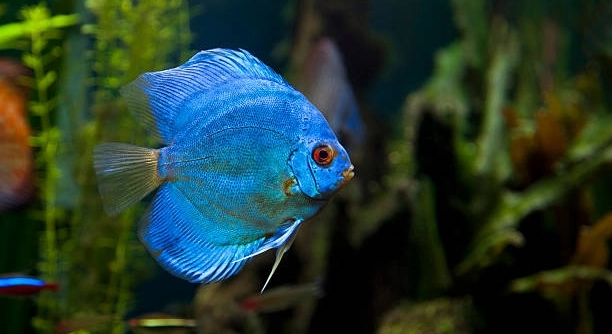
Rocks and wood pieces can add a natural feel to a discus tank, making the environment more comfortable for your fish. Choosing safe materials is important to keep your discus healthy and happy in their home. Not all rocks and woods are suitable for aquatic use.
Safe rocks for discus environments include slate, lava rock, and quartz, which do not alter water chemistry. For wood, driftwood types like Malaysian and Mopani are commonly used because they are stable and release beneficial tannins without harming the fish.
Knowing which materials are safe can improve your tank’s appearance and protect your discus. This article will guide you through the best rocks and woods for a healthy discus habitat.
Safe Rocks for Discus Tanks
When selecting rocks for your discus tank, it’s important to choose those that won’t change the water’s pH or hardness. Slate is a popular choice because it is smooth, inert, and doesn’t affect water chemistry. Lava rock is another good option; it is porous, which can help beneficial bacteria grow, improving water quality. Quartz is a clean, natural stone that also stays neutral in water, making it safe for discus tanks. Avoid limestone or any rocks that can leach calcium, as these can raise water hardness and pH, which is harmful for discus fish. Always rinse rocks thoroughly before adding them to your tank to remove dust or debris. It’s better to source rocks specifically sold for aquarium use to ensure safety.
Choosing the right rock creates a natural-looking environment without risking your fish’s health. Rocks also provide hiding spots and resting places for discus, helping them feel secure.
Rocks that don’t affect water chemistry support stable tank conditions. This stability reduces stress for discus, helping them thrive. By adding safe rocks, you also enhance the tank’s visual appeal, making it a peaceful and healthy habitat.
Safe Woods for Discus Tanks
Certain woods are safe to add to discus tanks because they release tannins slowly and don’t rot quickly. Malaysian driftwood and Mopani wood are two commonly used types that are both durable and beneficial for water quality.
Malaysian driftwood is known for its smooth texture and natural look. It slowly releases tannins, which can slightly lower the pH and create a soft, acidic environment that discus prefer. Mopani wood has a two-tone color and is very dense, so it sinks well and lasts a long time underwater. Both types provide hiding spots and shelter for discus, reducing their stress. Before adding wood, soak it for several days to remove excess tannins and prevent cloudiness. Regular monitoring of water parameters helps ensure the wood’s effects stay balanced. Avoid soft or resinous woods, as they can decay fast or release harmful substances. Using the right wood supports a healthy, natural aquarium environment tailored to discus needs.
Preparing Rocks and Wood for Your Discus Tank
Before adding rocks or wood to your discus tank, always clean them thoroughly. Rinse rocks under running water to remove dust or dirt. For wood, soak it in water for several days to release excess tannins and prevent cloudiness.
Cleaning rocks helps avoid introducing contaminants that could harm your fish. Soaking wood reduces tannin release, which can discolor the water and affect pH levels. Change the soak water daily until it stays clear. If wood floats, weigh it down during soaking to help it sink. This preparation ensures a safer environment for your discus and keeps the tank water clear and stable.
Proper preparation also extends the life of wood and prevents it from decaying too fast. Regular maintenance, including occasional removal and soaking of wood, helps maintain water quality over time. Well-prepared materials support a balanced, healthy habitat for discus fish.
Monitoring Tank Conditions with Natural Decorations
Natural rocks and wood can change water parameters, so regular monitoring is essential. Keep track of pH, hardness, and clarity to catch any unwanted shifts early.
Using test kits weekly helps detect changes before they harm your discus. If you notice the water becoming too acidic or cloudy, take action by partial water changes or removing the material temporarily. Maintaining stable water conditions is key to your discus’s health. Natural decorations add beauty but require care to ensure they don’t disrupt the tank environment. Staying attentive helps keep your aquarium safe and comfortable for your fish.
Avoiding Unsafe Rocks and Wood
Some rocks and woods can harm your discus by altering water chemistry or releasing toxins. Avoid limestone, sandstone, and softwoods like pine or cedar. These materials can raise pH or introduce harmful resins.
Always research or buy aquarium-safe items to prevent problems. Using unsafe materials risks fish health and water quality.
Benefits of Natural Decorations in Discus Tanks
Natural rocks and wood create a more realistic habitat that helps reduce stress in discus fish. They offer hiding spots and break up sightlines, which makes the fish feel safer. Tannins from wood can slightly soften water, which discus prefer. These decorations also support beneficial bacteria, improving overall tank health.
Regular Cleaning and Maintenance
Cleaning rocks and wood regularly prevents algae and debris buildup, keeping your tank healthy and visually pleasing.
FAQ
What types of rocks should I never use in a discus tank?
Avoid rocks like limestone, marble, and sandstone. These rocks contain calcium carbonate, which can raise the water’s hardness and pH, making the environment unsuitable for discus. Soft or porous rocks that break down quickly should also be avoided because they may release harmful substances.
How do I know if a piece of wood is safe for my discus?
Safe woods are usually hard, dense types like Malaysian driftwood or Mopani. They sink well and don’t rot fast. Avoid softwoods like pine or cedar because they release resins and can decay quickly, polluting the water.
Can rocks and wood change my tank’s water chemistry?
Yes, some materials release minerals or tannins that affect pH and hardness. Rocks like slate and quartz are stable and do not change water chemistry, while woods like driftwood release tannins that soften water and lower pH slightly, which is usually good for discus.
Do I need to soak wood before adding it to my tank?
Yes, soaking helps remove excess tannins that cause water discoloration. Soak the wood in a separate container with daily water changes until the water runs clear. This process also helps the wood sink more easily.
How often should I test my tank’s water when using natural decorations?
Testing once a week is a good practice. Check pH, hardness, ammonia, nitrites, and nitrates. Regular testing helps detect any shifts caused by rocks or wood early, so you can make adjustments before the fish are affected.
Can natural rocks and wood cause algae growth?
Yes, algae can grow on surfaces of rocks and wood, especially if the tank receives too much light or nutrients. Regular cleaning of decorations and controlling light exposure can help reduce algae buildup.
Is it necessary to clean rocks and wood regularly?
Yes, cleaning helps prevent buildup of algae, debris, and harmful bacteria. Use a soft brush to gently scrub rocks and wood during water changes. Avoid harsh chemicals that can harm fish.
What should I do if my wood starts to decay?
Remove the wood immediately if it becomes soft, crumbly, or starts to smell bad. Decaying wood releases harmful substances that can pollute the water and stress your discus.
Can I use rocks and wood together in the same tank?
Yes, combining safe rocks and woods can create a natural and visually pleasing environment. Just make sure both materials are aquarium-safe and prepared properly.
Do natural decorations affect fish behavior?
Natural decorations provide hiding spots and reduce stress by breaking up sightlines. Discus feel more secure and tend to display healthier behavior when they have places to retreat.
Will tannins from wood harm my discus?
Tannins generally benefit discus by slightly lowering pH and softening water. However, too many tannins can darken water excessively. Managing tannin levels with water changes helps keep conditions balanced.
Can I use rocks or wood collected from outside?
It’s risky to use outside materials without proper treatment. They can carry pollutants, parasites, or chemicals. If you use them, clean thoroughly and soak for a long time, but it’s safer to buy from aquarium suppliers.
How do I prevent my rocks from floating?
Most rocks sink naturally, but if you have porous rocks like lava rock, rinse them well to remove trapped air. For wood, soaking helps it absorb water and sink. Weigh down floating items temporarily if needed.
Are there any risks to using natural decorations?
Yes, if not chosen or prepared properly, rocks and wood can alter water chemistry, introduce toxins, or decay. Always research and prepare materials before adding them to your tank to avoid harming your discus.
Can natural decorations help improve biological filtration?
Yes, porous rocks and wood surfaces offer space for beneficial bacteria to grow. These bacteria help break down waste products, improving water quality and creating a healthier environment for discus.
How do I handle sharp or rough rocks in the tank?
Avoid sharp rocks that can injure your fish. Smooth-edged stones like slate are safer and reduce the risk of damage. If you have rough rocks, inspect and smooth any sharp edges before use.
This FAQ covers many common concerns about rocks and wood in discus tanks. Taking proper care and preparation steps will help you create a beautiful and safe environment for your fish.
Final Thoughts
Choosing the right rocks and wood for your discus tank is an important step in creating a safe and comfortable home for your fish. Not all natural materials are suitable, so selecting ones that do not change the water chemistry or release harmful substances is key. Safe rocks like slate, lava rock, and quartz, along with durable woods such as Malaysian driftwood and Mopani, offer both beauty and function. They provide places for your discus to hide and rest, helping reduce stress and promoting natural behaviors.
Preparing rocks and wood before adding them to your tank is just as important as choosing the right types. Cleaning rocks thoroughly and soaking wood helps remove dirt, debris, and excess tannins. This preparation reduces water discoloration and prevents sudden changes in water conditions. Keeping an eye on your tank’s water parameters regularly will also help catch any problems early. Stable water conditions support the health and wellbeing of your discus, allowing them to thrive in a natural-looking environment.
Natural decorations add a peaceful, calming atmosphere to your discus tank when chosen and maintained properly. They improve the tank’s appearance and create a habitat that feels more like the discus’s natural home. With some care and attention to detail, using safe rocks and woods can help you build a balanced, healthy aquarium. Taking these steps ensures your discus stay healthy, happy, and comfortable in their tank for years to come.

Hello,
If you enjoy the content that we create, please consider saying a "Thank You!" by leaving a tip.
Every little bit helps us continue crafting quality advice that supports the health, happiness, and well-being of pets around the world, for pets of all shapes, sizes, and species.
We really appreciate the kindness and support that you show us!