
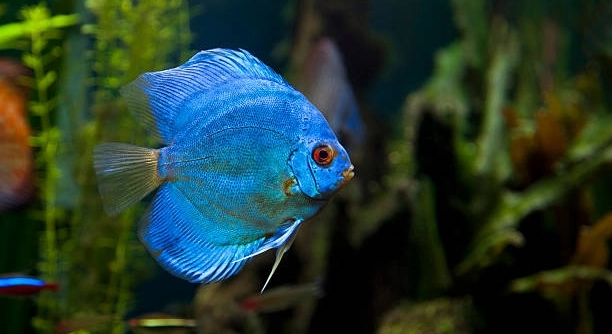
Do your discus fish sometimes act restless or show signs of stress in the aquarium? Stress in discus is common and can affect their health if not addressed. Many fishkeepers wonder about the best way to help their stressed discus feel better.
Medicating a stressed discus is not always necessary and should be approached carefully. Stress often results from environmental factors rather than illness, so correcting water quality, diet, and tank conditions is usually the first step before considering medication. Unwarranted medication can sometimes cause more harm than good.
Understanding when to medicate and when to adjust care routines can help keep your discus healthy and comfortable in their environment. There are simple steps to recognize and manage stress effectively.
Recognizing Stress in Your Discus
Discus fish can show stress in several ways. They may become less active, lose appetite, or display unusual colors. Sometimes, they isolate themselves or gasp at the water surface. These signs can appear quickly or develop slowly over time. It’s important to watch your fish daily for any changes in behavior or appearance. Stress often happens due to poor water quality, sudden changes in temperature, overcrowding, or improper diet. Keeping the tank clean and stable helps prevent stress before it starts. Stress weakens their immune system, making them more vulnerable to illness. Observing these signs early allows you to act quickly and improve their environment, which is often all that’s needed to help them recover.
Stress in discus is usually visible through behavior and physical changes, which require careful observation to spot early.
By understanding the common signs, you can identify stress before it leads to illness. Noticing faded colors or less movement is a simple but effective way to tell if your discus is unhappy. Avoid rushing to medication and instead, check water parameters, tank size, and diet. Often, a few adjustments like increasing water changes or lowering the temperature slightly can reduce stress significantly. Providing hiding spots and maintaining a peaceful environment also helps discus feel secure. Regular care and attention to these details keep your fish healthy and stress-free over time.
When Medication Becomes Necessary
Medication should be reserved for cases where stress has caused or is linked to illness. If your discus develops sores, fungus, or parasites, treatment may be needed. Medications can help fight infections but should be used with caution. Using medicine unnecessarily can upset the tank’s balance and harm beneficial bacteria. It is best to test water quality and try improving tank conditions first. Only use medication after confirming a health issue through symptoms or testing. Consulting an experienced aquarist or vet is advisable to choose the right treatment and dosage.
Proper medication can treat infections caused by stress, but careful diagnosis and usage are key to avoiding further problems.
If you decide medication is necessary, follow the instructions carefully. Use a quarantine tank if possible to avoid affecting other fish. Monitor your discus closely during treatment, watching for any side effects or worsening symptoms. After treatment, continue improving tank care to prevent stress from returning. Remember, medication is only one part of keeping discus healthy — consistent good care is the foundation for their wellbeing.
Improving Tank Conditions
Maintaining clean and stable water is essential to reduce discus stress. Regular water changes and proper filtration keep the environment healthy. Stable temperature and pH levels also matter a lot.
Water quality problems cause most stress in discus. Test the water frequently for ammonia, nitrites, and nitrates. Aim to keep ammonia and nitrites at zero, and nitrates low. Changing 25–50% of the water weekly helps maintain this balance. Use a reliable filter and clean it regularly to avoid buildup of waste. Keep the temperature steady between 82°F and 86°F, and avoid sudden changes. The pH should stay between 6.0 and 7.0 for discus comfort. Keeping these conditions stable reduces stress and improves overall fish health.
Besides water quality, tank size and decorations influence stress. Discus need space to swim freely but also places to hide. Overcrowding can lead to fights and higher stress. A 50-gallon tank is a good start for a small group. Add plants or driftwood to create hiding spots, making your discus feel safe. These simple changes often lower stress without medication.
Feeding and Nutrition
Feeding your discus a balanced diet supports their health and stress resistance. Fresh, high-quality foods help keep their immune systems strong and colors vibrant.
A diet rich in protein is essential for discus. Offer a mix of high-quality flakes, pellets, and frozen or live foods like bloodworms and brine shrimp. Avoid overfeeding; give only what they can eat in a few minutes to prevent water pollution. Feeding small amounts several times a day is better than one large meal. Vitamin supplements can also be helpful but should not replace a good diet. Proper feeding supports natural defenses and reduces stress, helping discus stay healthy and active.
Food quality affects discus wellbeing more than many realize. Cheap or stale food can cause digestive issues and weaken fish. Always store food properly and replace it often. Introducing variety in diet prevents boredom and promotes better nutrition. Feeding discus thoughtfully plays a big role in managing their stress naturally.
Stress Reduction Techniques
Reducing stress means creating a calm environment for your discus. Avoid sudden loud noises and rapid movements near the tank. Keep lighting soft and consistent to prevent startling your fish.
Gentle water flow and stable tankmates also help. Aggressive or overly active fish can increase stress in discus. Choosing peaceful companions keeps the tank atmosphere relaxed and safe.
Monitoring Your Discus Closely
Regular observation is important to catch stress signs early. Check your discus daily for changes in behavior, color, or appetite. Early detection allows quick action to improve conditions or treat illness.
Keeping a simple journal of your fish’s behavior can help track patterns or issues. Consistent care paired with careful monitoring is the best way to keep discus healthy and stress-free.
Avoiding Overmedication
It’s easy to want to medicate at the first sign of stress, but avoid this habit. Unnecessary medication can disrupt the tank’s natural balance and harm your discus.
Instead, focus on improving water quality and tank conditions before using drugs. Medication should only be a last resort after other methods have failed.
What causes stress in discus fish?
Stress in discus fish is usually caused by changes or problems in their environment. Poor water quality, sudden temperature shifts, overcrowding, or incompatible tankmates can all create stress. Even loud noises or strong lighting can make discus uneasy. Stress often happens when their tank conditions are unstable or not suited to their needs.
How can I tell if my discus is stressed?
Signs of stress include faded colors, hiding more than usual, loss of appetite, and erratic swimming. Sometimes discus may stay near the surface or gasp for air. They might also scratch against objects or isolate themselves from other fish. Watching your discus regularly helps you catch these signs early before they develop into illness.
Is it safe to medicate discus at the first sign of stress?
Medication should not be the first step when stress appears. Many stress cases are caused by environmental issues, not illness. Treating water quality, tank conditions, and diet first is usually safer and more effective. Unnecessary medication can harm beneficial bacteria and weaken fish further.
When should medication be used for discus?
Medication is necessary if stress leads to infections like fungus, parasites, or bacterial illness. Look for physical symptoms such as white spots, sores, or unusual growths. If these signs appear and water quality is good, medication can help fight the infection. Always follow proper dosage and treatment guidelines.
Can changing tank conditions reduce stress without medication?
Yes, improving tank conditions is often enough to reduce stress. Regular water changes, stable temperature, good filtration, and proper tankmates create a healthy environment. Adding plants or hiding spots also helps discus feel safe. Most discus recover well with just these adjustments.
How often should I test my aquarium water?
Testing water at least once a week is a good routine. Check ammonia, nitrites, nitrates, pH, and temperature. Keeping these parameters stable prevents stress and illness. If problems appear, testing more often helps identify issues quickly for prompt correction.
What is the ideal temperature and pH for discus?
Discus thrive in warm water between 82°F and 86°F (28–30°C). The pH should be slightly acidic to neutral, around 6.0 to 7.0. Maintaining these conditions consistently supports discus health and reduces stress.
How important is diet for stressed discus?
Diet plays a big role in discus health. Feeding a balanced diet with high-quality flakes, pellets, and live or frozen foods keeps their immune system strong. Overfeeding or poor-quality food can cause digestive problems and add stress. Feeding small amounts multiple times a day is best.
Should I isolate a stressed discus from the main tank?
Isolation is helpful if the discus is sick or injured. Moving the fish to a quarantine tank reduces stress from other fish and prevents spreading illness. However, if stress is caused by environment, improving the main tank is more important than isolation.
How can I prevent stress in discus long-term?
Maintaining stable water quality, consistent temperature, proper diet, and peaceful tankmates are key. Avoid sudden changes in the tank or environment. Regular care, gentle handling, and monitoring help keep discus healthy and calm over time.
These answers can guide you in understanding and managing discus stress effectively without rushing to medication.
When it comes to caring for discus fish that show signs of stress, it’s important to remember that medication is not always the best or first solution. Stress often happens because of issues in their environment, like poor water quality or sudden changes in the tank. Instead of quickly reaching for medicine, it’s better to focus on improving these conditions first. Keeping the water clean, stable, and at the right temperature goes a long way in helping discus feel comfortable. Stress is a natural reaction, but it can be managed well with simple changes and regular care.
Watching your discus carefully every day helps catch stress early before it turns into something more serious. Look for signs like changes in color, loss of appetite, or unusual behavior. These clues show that something may be wrong with the fish or its environment. Once you notice stress, try to fix the tank conditions. Sometimes just adding more hiding places or adjusting the water temperature can make a big difference. Good feeding habits also support discus health. Feeding them high-quality food in small, regular amounts helps keep their immune system strong and reduces stress.
If you do need to use medication, it should be done with care and only when there is a clear sign of illness, such as infections or parasites. Using medicine without knowing the exact problem can harm your fish and disrupt the tank’s natural balance. When medication is necessary, follow the instructions closely and consider using a separate quarantine tank to protect the other fish. Most importantly, remember that consistent tank maintenance and gentle care are the best ways to keep discus healthy over the long term. Stress can be challenging, but with patience and attention, you can help your discus thrive.

Hello,
If you enjoy the content that we create, please consider saying a "Thank You!" by leaving a tip.
Every little bit helps us continue crafting quality advice that supports the health, happiness, and well-being of pets around the world, for pets of all shapes, sizes, and species.
We really appreciate the kindness and support that you show us!