
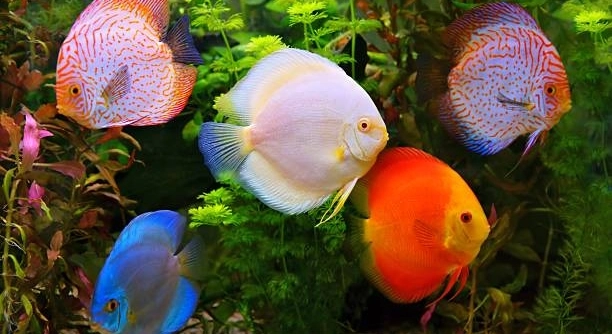
Discus fish are known for their calm and graceful presence in home aquariums. However, after feeding, some discus can suddenly show aggressive behavior, which can be concerning for hobbyists. Understanding this behavior is important for a healthy tank environment.
Aggression in discus after feeding is often caused by competition for food, territorial instincts, or stress. Managing feeding routines, providing enough space, and maintaining water quality are key steps to reduce aggressive interactions among discus fish.
Knowing how to handle this behavior will help keep your discus peaceful and healthy. Proper care techniques can improve the overall harmony in your aquarium.
Why Discus Become Aggressive After Feeding
After feeding, discus fish often become aggressive because they compete for food. When food is limited or unevenly distributed, some discus will try to guard their portion. This leads to chasing or nipping other fish. Territorial behavior also increases during feeding times as discus protect their space. Stress can play a role, especially if the tank is overcrowded or water conditions are poor. These factors combine to make discus more defensive and aggressive right after eating. Understanding these triggers helps to manage their behavior better.
Aggressive behavior usually lasts only a short time after feeding. Once the food is consumed, discus tend to calm down and return to their usual peaceful state.
Proper feeding habits and tank setup can greatly reduce aggression. Offering food in several spots and keeping enough space between fish lowers competition. Monitoring water quality and tank conditions supports a stress-free environment, helping discus stay calm and healthy.
Managing Feeding to Reduce Aggression
Feeding discus multiple times a day in smaller portions helps lower aggression. Smaller meals reduce competition because the fish don’t feel the need to fight for limited food.
Distributing food evenly throughout the tank encourages discus to spread out and eat calmly. This can be done by scattering flakes or pellets or using feeding rings. Avoid overfeeding, as leftover food can harm water quality and cause more stress. Using high-quality food with balanced nutrition helps discus feel satisfied quicker, which reduces aggressive behavior. Observing how your discus respond during feeding times allows you to adjust portions and methods for a smoother feeding experience. Over time, consistent feeding routines and proper tank maintenance will keep your discus peaceful and happy after meals.
Creating a Comfortable Environment
Keeping the tank spacious helps reduce aggression after feeding. Overcrowding forces discus to compete more for food and space, increasing stress and fights. A larger tank gives each fish enough room to settle and eat without feeling threatened.
A well-planted tank with hiding spots also supports peace among discus. Plants and decorations create natural boundaries that reduce direct encounters during feeding. These barriers help break up the line of sight, which lowers aggressive behavior. Proper water temperature and clean conditions reduce stress, allowing discus to remain calm. Regular water changes keep the environment healthy, which supports natural behavior and lowers tension during meals.
Good filtration and stable water parameters ensure discus feel safe. Stress from poor water quality can increase aggression. Maintaining a consistent and comfortable environment is key to minimizing post-feeding aggression and promoting healthy interactions among your discus fish.
Understanding Social Dynamics
Discus fish have a social hierarchy that affects their behavior during feeding. Dominant individuals often try to control food access, which can cause aggression among tank mates. Recognizing this hierarchy helps manage feeding to avoid conflicts.
Observing how discus interact will show which fish are more dominant or submissive. Adjusting feeding practices to meet the needs of all fish can reduce fighting. Providing multiple feeding spots and spreading food out prevents dominant fish from guarding a single area. Separating overly aggressive fish temporarily might be necessary to protect weaker individuals. Social balance takes time to develop, but careful management helps discus coexist peacefully during feeding times and beyond.
Feeding Techniques That Work
Feeding smaller amounts several times a day helps keep discus calm. This method prevents hunger-driven aggression. It also mimics their natural feeding habits, making them less likely to fight over food.
Using feeding rings or placing food in different tank areas encourages discus to spread out. This reduces crowding and competition during meals, lowering aggressive behavior significantly.
Watching for Signs of Stress
Discus showing constant chasing, biting, or hiding may be stressed. Stress weakens their immune system and affects overall health. Early detection allows for quick adjustments to feeding or tank conditions, improving their well-being.
Adjusting Tank Setup
Rearranging plants and decorations periodically breaks up territories. This helps reduce territorial aggression after feeding by forcing discus to re-establish their space. Small changes promote a more peaceful environment.
FAQ
Why do discus fish become aggressive right after feeding?
Discus fish become aggressive after feeding mainly due to competition for food. When they feel food is limited, they guard their share and chase others away. Territorial instincts also rise during feeding times, making them more defensive. Stress from overcrowding or poor water quality can add to this behavior. These factors combine to make discus more aggressive immediately after meals.
How can I reduce aggression during feeding?
Feeding smaller portions multiple times a day helps. It lowers competition by ensuring fish don’t feel hungry all at once. Spreading food around the tank encourages discus to eat in separate areas, reducing crowding. Maintaining good water quality and a spacious tank also lowers stress, making fish calmer. Adding plants and decorations gives hiding spots and breaks up territories.
Is it normal for discus to be aggressive after feeding?
Yes, some aggression after feeding is normal. Discus are naturally territorial and competitive when food is present. Usually, aggression is short-lived and stops once all food is eaten. However, constant or severe fighting should be addressed by adjusting feeding routines and tank conditions to prevent harm.
Can aggressive discus hurt each other?
Yes, aggressive discus can nip fins or chase others around, causing stress and injury. Injuries increase the risk of infections. If aggression becomes intense, separating aggressive fish or adding more hiding places can protect weaker discus.
What foods help reduce aggressive behavior?
High-quality, nutrient-rich foods help discus feel satisfied quickly. Foods like frozen bloodworms, brine shrimp, and specially formulated pellets provide good nutrition. When discus feel full, they are less likely to fight over food. Avoid overfeeding or feeding low-quality foods, as this can lead to stress and aggression.
Should I feed discus at the same time every day?
Yes, feeding discus on a regular schedule helps reduce stress. Consistency builds trust and lowers competition, as fish learn when to expect food. Irregular feeding can cause hunger-driven aggression and poor health.
How does tank size affect discus aggression?
Smaller tanks increase aggression because discus have less space to avoid each other. Overcrowding leads to more fights over food and territory. Larger tanks with proper stocking levels give discus enough room to spread out and reduce competition, making aggression less frequent.
Can rearranging the tank reduce fighting?
Yes, rearranging plants and decorations breaks up established territories. This forces discus to reestablish their boundaries, which can lower aggression by preventing any one fish from dominating a specific area. Small, regular changes keep the environment dynamic and less stressful.
Is it helpful to separate aggressive discus during feeding?
Temporarily separating very aggressive discus can protect other fish from harm. Use a breeding box or divider during feeding times if needed. This allows all fish to eat safely and prevents injuries. Gradually reintroduce them once aggression decreases.
How important is water quality in controlling aggression?
Water quality is very important. Poor water conditions stress discus, making them more prone to aggression. Regular water changes, proper filtration, and stable parameters support a healthy, calm environment. Keeping water clean improves overall fish health and reduces aggressive behavior.
What signs show a discus is stressed from aggression?
Signs include hiding often, losing appetite, faded colors, and damaged fins. Stressed discus may also breathe rapidly or swim erratically. Early detection helps address causes like poor feeding routines, overcrowding, or water quality issues before health worsens.
Can adding plants calm discus aggression?
Yes, live plants create hiding spots and visual barriers, reducing direct confrontations. They help break up line of sight, lowering territorial disputes after feeding. Plants also improve water quality, which supports fish health and calm behavior.
How long does post-feeding aggression usually last?
Post-feeding aggression typically lasts 10 to 30 minutes. Once the food is eaten, discus generally return to peaceful behavior. If aggression continues longer, it may indicate other problems like stress, overcrowding, or illness.
Are some discus naturally more aggressive?
Yes, individual personalities vary. Some discus are naturally more dominant and aggressive, especially males. Identifying these fish can help manage the tank by providing extra space or separating them if needed to protect other discus.
What should I do if aggression doesn’t stop?
If aggression is persistent, review tank size, stocking levels, and feeding routines. Increase hiding places and plants. Consider separating the most aggressive fish temporarily. Also, check water quality and health for possible stressors. Consistent care usually reduces aggression over time.
Discus fish are beautiful and peaceful creatures, but they can show aggression after feeding. This behavior is natural and usually happens because they compete for food or protect their space. While a bit of aggression is expected, it should not be severe or last too long. Understanding why discus act this way helps you create a better environment for them. Paying attention to feeding habits, tank setup, and water quality can make a big difference in reducing their aggressive behavior.
It is important to feed discus properly by offering smaller meals multiple times a day and spreading the food around the tank. This prevents them from crowding and fighting over food. A spacious tank with plenty of hiding spots also lowers stress and gives each fish room to settle. Clean water and stable conditions support healthy discus, making them less likely to become aggressive. Watching how your fish behave during feeding helps you notice any problems early and adjust your care routine as needed.
Managing discus aggression takes patience and observation. Sometimes, rearranging the tank or separating aggressive fish for a short time can help. Most discus will calm down after a short time once they finish eating. With consistent care and good feeding practices, aggression will decrease, and your discus will live more peacefully. Keeping your discus healthy and comfortable benefits both the fish and your enjoyment of the aquarium.

Hello,
If you enjoy the content that we create, please consider saying a "Thank You!" by leaving a tip.
Every little bit helps us continue crafting quality advice that supports the health, happiness, and well-being of pets around the world, for pets of all shapes, sizes, and species.
We really appreciate the kindness and support that you show us!