Why Tiger Barbs Might Splash the Surface

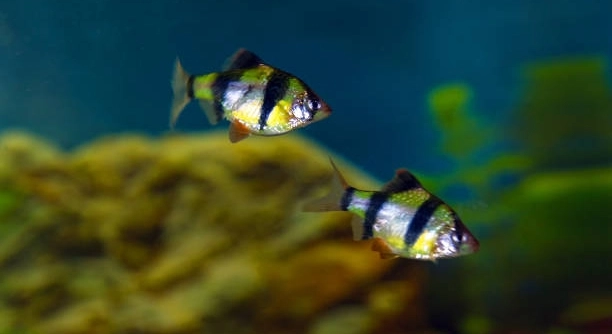
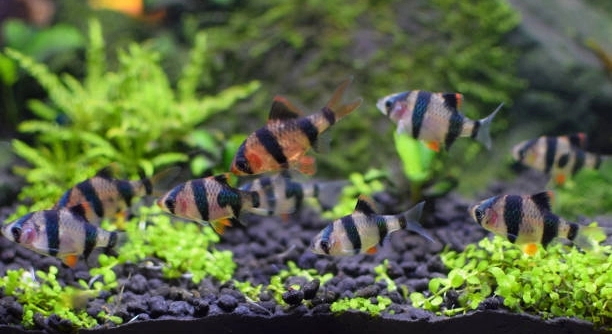
Do you ever find yourself watching your tiger barbs splash near the surface and wonder what they’re trying to do? Tiger barbs may splash the surface due to low oxygen levels, feeding behavior, or environmental stress. This surface activity can also be a response to poor water quality, sudden temperature changes, or overcrowding in the … Read more
Why Tiger Barbs Might Linger at the Top

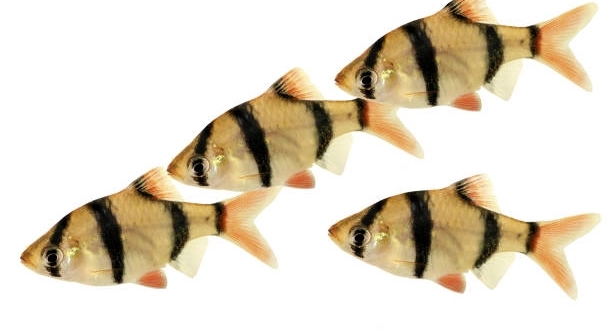
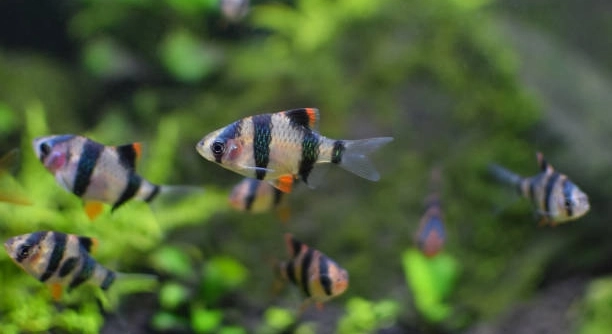
Do you ever find yourself watching your tiger barbs hover near the water’s surface and wonder if something might be wrong? Tiger barbs may linger at the top of the tank due to low oxygen levels, poor water quality, or stress. These conditions often cause fish to seek areas where breathing is easier or feel … Read more

Why Tiger Barbs Group Near the Heater

Tiger barbs are lively and colorful fish often kept in home aquariums. They tend to group together, especially near warm spots like heaters. This behavior can seem puzzling to many fishkeepers and enthusiasts alike. Tiger barbs group near the heater because they seek warmth and comfort. Warm water helps their metabolism and activity levels, making … Read more

7 Clues a Barb Needs More Space

Barbs are active, curious fish that enjoy exploring their surroundings. Keeping them comfortable means paying attention to how much space they have. Space affects their behavior, health, and overall well-being in the aquarium. Barbs need enough space to swim freely and reduce stress. When their tank is too small or crowded, they may show signs … Read more

Can Tiger Barbs Be Housed With Loaches?

Tiger Barbs and Loaches are popular choices for freshwater aquariums. Many aquarists want to know if these fish can live together peacefully. Understanding their behavior and needs is important for a healthy tank environment. Tiger Barbs and Loaches can be housed together with caution. Tiger Barbs are semi-aggressive and active swimmers, while Loaches are generally … Read more

7 Causes of Tiger Barb Jumping Behavior

Tiger barbs are lively fish known for their energetic behavior, including frequent jumping. Many fish owners notice this and wonder why their tiger barbs leap out of the water or splash around. Understanding this behavior helps provide better care for these vibrant pets. Jumping behavior in tiger barbs is often caused by factors such as … Read more

How to Spot the Dominant Barb in a Group

Groups of barbs often show clear social structures. One fish usually takes the lead, influencing the behavior of others. Recognizing this dominant barb can help in understanding group dynamics better. The dominant barb is identified by its confident movements, frequent leading during swimming, and control over feeding spots. It often shows more assertive behavior and … Read more

7 Things Tiger Barbs Learn From Repetition

Do you ever find yourself watching your tiger barbs swim around and wonder if they really remember anything from their daily routines? Tiger barbs learn through repetition by forming associations with consistent patterns, such as feeding times, environmental cues, and social interactions. These repeated exposures help reinforce memory and influence future behavior within their tank … Read more

How to Tell If Tiger Barbs Are Stunted

Tiger barbs are popular fish that many keep in home aquariums. They add lively colors and activity to tanks but can sometimes stop growing as expected. Knowing the signs of stunted growth helps owners care for their fish better. Tiger barbs are considered stunted when they remain significantly smaller than average adults, typically under 2 … Read more

7 Common Mistakes With Barb Group Sizes

Do your barbarian groups in D\&D often feel unbalanced or chaotic, making it harder for your party to work together smoothly? The most common mistakes with barbarian group sizes usually involve poor scaling, mismatched roles, and overlooked mechanics. These errors can weaken teamwork, disrupt pacing, and reduce the effectiveness of each character during combat and … Read more