
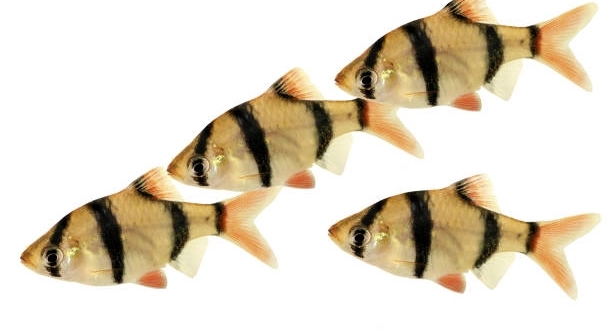
Do you ever find yourself watching your tiger barbs hover near the water’s surface and wonder if something might be wrong?
Tiger barbs may linger at the top of the tank due to low oxygen levels, poor water quality, or stress. These conditions often cause fish to seek areas where breathing is easier or feel more secure.
This behavior can be influenced by several factors, including tank setup, temperature, and diet. Understanding these can help improve your fish’s health and prevent more serious problems in the future.
Common Reasons Tiger Barbs Stay Near the Top
Tiger barbs often stay near the top when the oxygen levels in the tank are too low. Warmer water holds less oxygen, and poor circulation can make things worse. If your tank lacks a proper filter or aeration system, your fish may naturally gather near the surface where more oxygen is available. Stress from overcrowding, sudden changes in water conditions, or bullying from other fish can also cause this behavior. Keeping a close eye on your tank’s environment, including ammonia and nitrate levels, can help prevent health issues. Regular water changes, a reliable filter, and proper temperature control are essential. Also, make sure the tank isn’t too crowded, as that increases waste and lowers water quality. If your tiger barbs are swimming near the top, it’s worth checking these basics first. These small adjustments can make a big difference in how your fish behave and feel in their space.
Once you improve the tank’s conditions, you may notice your tiger barbs returning to their usual mid-level swimming zones.
A balanced diet also plays a role in how your tiger barbs behave. Poor nutrition can affect their energy levels and overall comfort in the tank. Feed them a mix of flakes, pellets, and the occasional treat like brine shrimp. Be sure not to overfeed, as leftover food can cloud the water and cause ammonia to build up. Keeping a steady feeding routine, while also removing any uneaten food, will help reduce waste and promote a cleaner tank environment. Healthier water encourages more natural behavior, and your tiger barbs will feel more at ease. With the right care, they become more active and social, often swimming in groups and exploring more of the tank. Small changes to their diet and feeding habits can support their health and lead to a calmer, more balanced tank overall.
When It’s More Than Just the Water
Sometimes, a tiger barb lingering at the top may be dealing with a health issue rather than water quality.
Diseases like swim bladder disorder or external parasites can affect how and where a fish swims. If a tiger barb is floating near the surface but not actively swimming, or if it seems unbalanced or tilted, it could be more than stress or oxygen. In this case, check for other signs like bloating, frayed fins, or color loss. Quarantining the fish can help you observe it closely and prevent the spread of illness to other tank mates. Medications are available at most pet stores, but before using any treatment, double-check that it’s appropriate for the symptoms. Keeping the tank clean and reducing stress are key to both preventing and managing disease. Tiger barbs are usually hardy, but even strong fish can struggle if something’s off. When behavior seems unusual, act quickly to identify the cause and make the tank safer for everyone.
Checking Your Tank Setup
A good tank setup can prevent tiger barbs from lingering near the surface. Always make sure your filter is strong enough for your tank size and provides enough surface movement to help with oxygen exchange. This helps create a more stable and healthy space for your fish.
Lighting should be gentle and consistent. Bright, direct light can stress tiger barbs, causing them to hide or swim near the top. Use a light timer to maintain a routine, and offer places to rest and hide, like plants or decorations. Avoid overdecorating the tank, as it may block water flow or create dead zones. Make sure all equipment is working properly, including heaters and air pumps. A calm and well-designed space can improve your fish’s comfort and reduce strange behaviors. Keeping your setup simple and clean will make it easier to monitor and manage over time.
Position your tank in a quiet area away from windows and drafts. Sudden temperature changes or loud noises can spook your tiger barbs and make them seek shelter near the top. It also helps to keep the tank out of reach of pets or children who might tap the glass or disturb them. Even small stressors can build up and affect your fish’s behavior. A peaceful spot gives them a better sense of safety, and they’ll feel more confident swimming throughout the tank. The right environment encourages natural behavior and keeps your fish more active and alert.
Adjusting Tank Mates and Group Size
Tiger barbs are social fish, and they do best in groups of six or more. When kept in smaller numbers, they can become stressed or aggressive. Stress can lead to unusual behavior, like hovering at the top of the tank. A proper group helps them feel secure and reduces tension.
Avoid pairing tiger barbs with slow-moving or long-finned species. They are active and sometimes nippy, so they do better with equally energetic fish like danios or loaches. Too many aggressive tank mates can cause stress, while passive fish might get picked on. Watch your tank closely after introducing new fish. If you notice signs of chasing, hiding, or fin damage, it may be time to reconsider your tank setup. Rearranging decorations or adding more plants can sometimes break up territory and reduce aggression. Every fish has its own personality, so it may take a bit of time to find the right balance.
Watching for Temperature Changes
Temperature shifts can affect how your tiger barbs behave. If the water is too warm, oxygen levels drop, making it harder for them to breathe. This can cause them to stay near the surface where more oxygen is present. Keep the tank between 74–79°F for best results.
Heaters can sometimes malfunction, leading to sudden spikes or drops in temperature. Use a reliable thermometer and check it daily to catch issues early. Even a small change outside their comfort zone can stress them, so keeping the temperature steady is key for their overall health and comfort.
Cleaning Habits That Help
Regular cleaning supports good water quality, which encourages normal swimming patterns. Change 25–30% of the water weekly, and vacuum the gravel to remove waste and uneaten food. Clean the filter monthly, but don’t scrub away all the beneficial bacteria. These steps help lower ammonia and keep the tank safe.
Final Observations
Not all surface behavior means trouble. If your tiger barbs are active, eating well, and showing no signs of illness, they might simply enjoy that spot in the tank.
FAQ
Why do tiger barbs stay at the top of the tank?
Tiger barbs often stay near the surface when oxygen levels in the water are low. Warm water holds less oxygen, so if the tank temperature is too high or the water is stagnant, fish will seek air-rich areas near the top. Stress, illness, or poor water quality can also cause this behavior. It’s important to check the tank’s filtration, temperature, and cleanliness if you notice your tiger barbs lingering near the surface more than usual.
How can I improve oxygen levels in my tank?
Increasing oxygen can be as simple as adding an air stone or improving water movement with a stronger filter. Regular water changes also help by refreshing oxygen content. Avoid overcrowding the tank, as too many fish consume oxygen faster than it can be replaced. Surface agitation created by a filter outlet or bubbler helps oxygen enter the water, which keeps your fish comfortable.
Is it normal for tiger barbs to hang out near the top sometimes?
Yes, tiger barbs sometimes prefer the upper levels of the tank. They are active swimmers and may explore different zones. However, if they spend most of their time at the top or gasp for air, it’s a sign of a problem with oxygen or water quality. Occasional visits to the top are normal, but constant hanging out there should be addressed.
Can tank mates affect tiger barb behavior?
Definitely. Tiger barbs are social and can become stressed or aggressive if kept alone or with incompatible fish. Stress from bullying or overcrowding may cause them to swim near the top more often. Choosing tank mates that match their energy and temperament helps reduce stress and promotes healthy behavior.
What diseases cause fish to stay near the surface?
Swim bladder disorder can affect buoyancy, causing fish to float near the top or sink to the bottom. External parasites or bacterial infections can also weaken fish, making them seek calmer areas of the tank. If your tiger barbs are inactive, have damaged fins, or show other symptoms, a health check and quarantine may be necessary.
How often should I clean my tank to keep tiger barbs healthy?
Weekly partial water changes of about 25–30% are recommended. Cleaning the gravel and filter regularly helps remove waste and toxins. Avoid full cleanings that remove beneficial bacteria. Keeping water parameters stable is key to preventing stress and illness in tiger barbs.
Can feeding affect their swimming behavior?
Yes, overfeeding can pollute the water, lowering oxygen and increasing ammonia. Leftover food decays and harms water quality, which can stress your fish and cause them to stay near the surface. Feeding small amounts once or twice a day, and removing uneaten food, helps keep the tank clean and your tiger barbs active.
What tank size is best for tiger barbs?
A minimum of 20 gallons is ideal for a small group of tiger barbs. This provides enough space for swimming and reduces stress caused by overcrowding. Larger tanks are better, especially if you plan to keep other fish with them. More space means better water quality and healthier fish.
How many tiger barbs should be kept together?
Keeping at least six tiger barbs together helps reduce aggression and stress. They feel safer in groups and establish a social hierarchy. Smaller groups may result in bullying and strange behaviors like lingering near the surface.
Can temperature fluctuations cause surface swimming?
Yes, sudden changes in temperature can stress tiger barbs and lower oxygen in the water. Maintaining a steady temperature between 74–79°F helps keep them comfortable and active throughout the tank. Using a reliable heater and thermometer prevents harmful swings.
Are plants helpful for tiger barbs?
Live plants improve water quality by absorbing nitrates and adding oxygen. They also provide hiding spots, which reduce stress. However, be sure plants don’t block water flow, which can reduce oxygen levels. Balance is important for a healthy environment.
What should I do if my tiger barbs continue to stay at the top after fixing tank conditions?
If behavior persists despite good water quality and proper setup, consider checking for illness. Quarantine the affected fish and consult with a vet or aquarium specialist. Sometimes subtle health issues need treatment, and early care can prevent serious problems.
Tiger barbs staying near the top of the tank can mean different things depending on the situation. Often, it points to something in their environment that needs attention, such as low oxygen levels or poor water quality. Keeping the tank clean and well-maintained is key to helping your fish feel comfortable and healthy. Regular water changes, proper filtration, and maintaining a stable temperature all support good water conditions. These basic steps can often fix the problem and help your tiger barbs swim freely throughout the tank again.
Sometimes, the behavior might be linked to stress caused by overcrowding or incompatible tank mates. Tiger barbs are social fish that do best in groups of six or more. When they are alone or kept with fish that don’t match their energy level, they can become anxious or aggressive. This stress can make them stay near the surface or hide more often. Choosing the right tank mates and making sure your group is large enough will help reduce tension and promote natural behavior. Adding plants and decorations for hiding spots can also make a big difference in how comfortable they feel.
If the tank conditions are good and your fish still spend a lot of time at the surface, it might be a sign of health issues. Illnesses like swim bladder problems or infections can affect how your tiger barbs swim and behave. Watching for other signs like changes in appetite, color, or movement can help you spot health problems early. In these cases, isolating the sick fish and getting the right treatment is important. Overall, paying close attention to your tank’s environment, fish behavior, and health will keep your tiger barbs happy and thriving. With a little care and effort, you can create a space where they feel safe and active.

Hello,
If you enjoy the content that we create, please consider saying a "Thank You!" by leaving a tip.
Every little bit helps us continue crafting quality advice that supports the health, happiness, and well-being of pets around the world, for pets of all shapes, sizes, and species.
We really appreciate the kindness and support that you show us!