
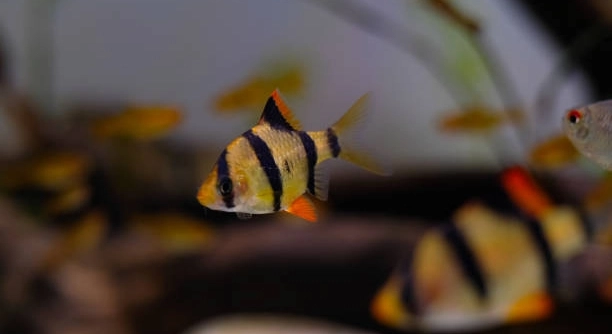
Tiger barbs are lively fish known for their energetic behavior, including frequent jumping. Many fish owners notice this and wonder why their tiger barbs leap out of the water or splash around. Understanding this behavior helps provide better care for these vibrant pets.
Jumping behavior in tiger barbs is often caused by factors such as water quality issues, stress from overcrowding, sudden changes in environment, lack of stimulation, poor diet, illness, or attempts to escape predators. Each cause impacts their well-being and activity levels.
Recognizing these causes can help improve the environment and health of your tiger barbs, ensuring they stay happy and active in your aquarium.
Water Quality Issues
Poor water quality is one of the most common reasons tiger barbs jump. If the water is dirty or contains harmful chemicals, the fish become stressed and try to escape by jumping. Ammonia, nitrite, and nitrate levels that are too high can irritate their gills and skin. Sudden changes in temperature or pH can also cause discomfort. Regular water testing and maintenance are essential to keep the water safe. Changing a portion of the water weekly and using a reliable filtration system helps maintain good water conditions. Clean water creates a healthy environment that reduces stress and keeps your fish calm and less likely to jump.
Keeping the water clean helps your tiger barbs feel secure and reduces their need to leap out of the tank.
Water quality directly impacts fish behavior. When water parameters are stable and clean, tiger barbs are less stressed and more comfortable. Monitoring your tank’s water regularly is key to preventing jumping. Adding plants or decorations can also help by providing hiding places and reducing stress. Avoid overcrowding your tank, as it can quickly degrade water quality. Using a water conditioner to remove chlorine and chloramines from tap water protects fish health. Investing time in water care ensures your fish stay active without unwanted jumping episodes.
Overcrowding and Stress
Too many fish in one tank can cause stress. Overcrowding means less oxygen and more waste, which upsets tiger barbs. This makes them restless and more likely to jump out.
Stress lowers immunity and affects their health. Ensure the tank is large enough for the number of fish and keep a good balance between species. Adding plants and hiding spots can help reduce stress by giving fish space to retreat. Fish that feel crowded may display aggressive or erratic behaviors, including jumping. Regular tank cleaning and proper feeding routines also reduce stress levels. Watching for signs of stress early on helps prevent bigger problems. A calm environment encourages peaceful swimming and keeps your tiger barbs safe inside the aquarium.
Sudden Environmental Changes
Sudden changes in lighting, temperature, or water chemistry can cause tiger barbs to jump. They are sensitive to their surroundings and react quickly to discomfort.
Rapid shifts in the environment disrupt their sense of security. For example, turning on bright lights suddenly or adding new fish without acclimating them may stress tiger barbs. They might jump to escape perceived threats or discomfort. Maintaining stable conditions reduces this risk. Gradual changes in temperature and careful introduction of new tankmates can help them adjust smoothly.
Keeping the aquarium environment consistent helps tiger barbs feel safe. Avoid drastic changes and monitor conditions regularly to prevent stress-induced jumping.
Lack of Stimulation
Tiger barbs are active fish that need mental and physical stimulation. A dull or empty tank can lead to boredom, causing them to jump or act restless.
Providing plants, decorations, and hiding spots creates an engaging environment. This encourages natural behaviors like exploring and schooling. Without enough stimulation, they may try to escape the tank out of frustration or curiosity. Rotating decorations and offering variety in their environment can keep them interested and less prone to jumping.
Feeding varied foods and interacting with the tank by changing setups periodically helps maintain their activity and reduces stress-related jumping.
Poor Diet
A poor diet can make tiger barbs weak and restless, leading to jumping behavior. They need a balanced diet to stay healthy and active.
Feeding high-quality flakes, pellets, and occasional live or frozen foods provides essential nutrients. A varied diet supports their energy and reduces stress.
Illness or Parasites
Illnesses or parasites irritate tiger barbs and cause discomfort, which may result in jumping as they try to escape the pain. Watch for signs like spots, unusual swimming, or loss of appetite.
Early treatment is important to prevent worsening conditions. Quarantining new fish before adding them to the tank can reduce the risk of spreading diseases.
Escape Attempts
Tiger barbs sometimes jump to escape perceived threats or overcrowding in the tank. A secure lid on the aquarium helps prevent them from jumping out accidentally.
FAQ
Why do tiger barbs jump out of the tank?
Tiger barbs jump mostly due to stress or discomfort in their environment. Poor water quality, sudden changes, overcrowding, or lack of stimulation can all make them restless. They may also try to escape if they feel threatened or are sick. Ensuring a stable, clean, and well-maintained tank reduces jumping behavior.
How can I prevent my tiger barbs from jumping?
Maintaining water quality through regular testing and partial water changes is key. Avoid sudden changes in temperature or lighting. Keep the tank well-decorated with plants and hiding spots to reduce stress. Feeding a balanced diet and ensuring enough space helps, too. A secure lid prevents escape attempts.
What water parameters are best for tiger barbs?
Tiger barbs thrive in water with a temperature between 74°F and 79°F (23°C–26°C). The pH should be neutral to slightly acidic, around 6.5 to 7.0. Ammonia and nitrite levels must be zero, while nitrates should stay below 20 ppm. Stable water parameters help keep them calm and healthy.
Can tank mates cause tiger barbs to jump?
Yes, aggressive or incompatible tank mates can stress tiger barbs. If other fish harass or chase them, it increases anxiety and causes jumping. Choose peaceful species and avoid overcrowding to create a harmonious environment. Observe fish behavior and separate incompatible species if necessary.
Is jumping a sign of illness in tiger barbs?
Jumping can indicate illness or parasites, especially if combined with other signs like lethargy, loss of appetite, or spots. When fish are uncomfortable, they may try to escape the tank. Quarantine new fish and treat diseases early to protect the whole aquarium.
How often should I clean my tiger barb tank?
Partial water changes of 20-30% weekly help maintain good water quality. Clean the substrate and decorations as needed, but avoid full cleanings that remove beneficial bacteria. Regular filter maintenance is important. Keeping the tank clean reduces stress and minimizes jumping behavior.
What should I feed tiger barbs to keep them healthy?
A varied diet including high-quality flakes or pellets, supplemented with live or frozen foods like bloodworms and brine shrimp, keeps tiger barbs strong. Feeding small amounts 2-3 times daily prevents overfeeding and keeps water quality stable. Proper nutrition supports their energy and natural behavior.
Can tiger barbs live without jumping?
While some jumping is natural, frequent or intense jumping often signals problems. By creating a stable, comfortable environment with clean water, proper diet, and enough space, you can greatly reduce jumping incidents. A secure tank lid also prevents injury if they do jump.
Why do tiger barbs jump more at night or when the lights change?
Sudden changes in light can startle tiger barbs. They rely on stable conditions to feel safe. If lights turn on or off abruptly, they may jump out of surprise or stress. Using gradual lighting changes or dimmers helps minimize this behavior.
Are there any tank decorations that help reduce jumping?
Yes, plants, rocks, and caves provide hiding spots and break up open swimming areas. This helps tiger barbs feel secure and less exposed, reducing their need to jump. Avoid sharp decorations that could harm them if they do leap. Natural decorations mimic their habitat and calm their behavior.
Final Thoughts
Tiger barbs are lively and active fish that sometimes jump out of the aquarium. This behavior can be caused by many factors, such as poor water quality, stress, overcrowding, or sudden changes in their environment. Understanding these causes is important for keeping your fish healthy and happy. Regular tank maintenance, including water testing and changes, helps create a stable environment. A stable environment reduces stress, which in turn lowers the chances of jumping.
Providing the right tank setup is also key. A spacious aquarium with plenty of plants and decorations helps tiger barbs feel safe. These additions give the fish places to hide and explore, making their home more natural and less stressful. Feeding your fish a balanced and varied diet ensures they have the energy and nutrients needed to stay active without becoming restless. It is important to observe their behavior regularly to catch any signs of illness or discomfort early. Acting quickly can prevent many problems that lead to jumping.
Finally, using a secure lid on your tank is a simple but effective way to prevent tiger barbs from jumping out and getting injured. Even with the best care, jumping can happen. The lid protects your fish and gives you peace of mind. By paying attention to water quality, tank conditions, diet, and security, you can help your tiger barbs thrive and enjoy a calm, safe environment. Taking these steps shows your commitment to their well-being and makes keeping these fish a rewarding experience.

Hello,
If you enjoy the content that we create, please consider saying a "Thank You!" by leaving a tip.
Every little bit helps us continue crafting quality advice that supports the health, happiness, and well-being of pets around the world, for pets of all shapes, sizes, and species.
We really appreciate the kindness and support that you show us!