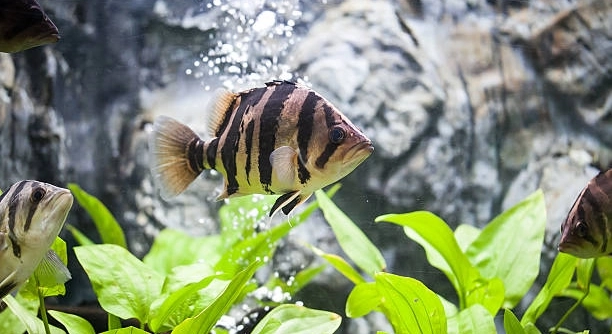
7 Subtle Changes That Affect Barb Behavior
Barbing behavior in pets can sometimes change without obvious reasons. Small shifts in environment or care routines often play a part. Understanding these subtle influences can help in managing and improving your pet’s well-being. Seven subtle changes—like alterations in diet, stress levels, grooming habits, social interactions, and environment—can significantly influence barb behavior. These factors affect … Read more

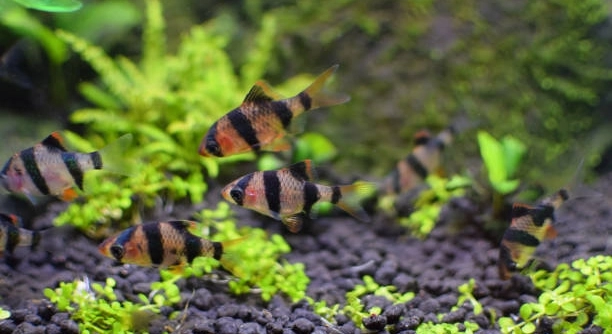
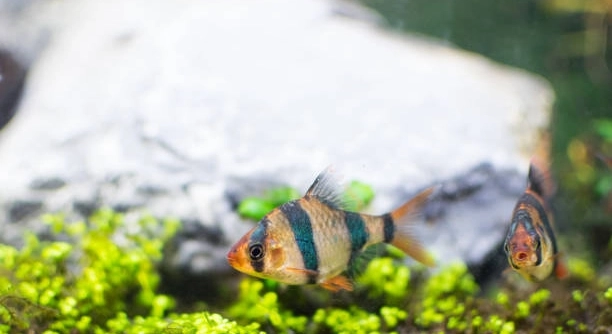
7 Substrate Options for Tiger Barb Tanks

Keeping a tiger barb tank healthy means paying close attention to the details, including the substrate at the bottom. The right substrate can support your fish’s well-being and enhance the tank’s appearance. Choosing carefully helps create a better home for your barbs. There are several substrate options suitable for tiger barb tanks, including gravel, sand, … Read more

Can Tiger Barbs Learn to Trust Their Owner?

Tiger barbs are colorful and active freshwater fish often kept in home aquariums. Many owners enjoy watching their playful behavior and wonder how these fish interact with humans. Understanding their response to owners can enhance the aquarium experience. Tiger barbs can learn to recognize their owners over time, showing signs of reduced fear and increased … Read more

Do Tiger Barbs Swim for Play or Defense?

Tiger Barbs are colorful freshwater fish often kept in home aquariums. Their lively movements catch the eye, leading many to wonder about the reasons behind their swimming behavior. These fish can display different types of swimming patterns depending on their environment. Tiger Barbs swim both for play and defense. Their active, darting movements help them … Read more

7 Mistakes New Barb Owners Make Often

Owning a barb fish can be rewarding, but new owners often face common challenges that affect their fish’s health. Many beginners are unaware of mistakes that can harm their barbs or reduce their lifespan. Understanding these pitfalls early can improve care. The most frequent mistakes new barb owners make include overfeeding, improper tank setup, poor … Read more

Do Tiger Barbs Prefer Warm Water Currents?

Tiger barbs are popular aquarium fish known for their vibrant colors and lively behavior. Many fishkeepers want to create the best environment for them, which often includes understanding their temperature preferences. Water temperature plays a crucial role in their health and activity levels. Tiger barbs thrive best in warm water with temperatures ranging between 74°F … Read more

Can Tiger Barbs Feel Tankmate Absences?

Have you ever watched your Tiger Barbs swim restlessly after a change in their tank environment and wondered what they’re feeling? Tiger Barbs are social fish that can respond to the absence of a tankmate with increased stress and changes in behavior. These changes may include reduced activity, aggression, or visible signs of anxiety, especially … Read more

Why Tiger Barbs May Be Clashing With Tankmates

Tiger barbs are popular aquarium fish known for their bright colors and lively behavior. Many fish keepers enjoy adding them to community tanks. However, their active nature sometimes leads to conflicts with other fish sharing the space. Tiger barbs may clash with tankmates due to their natural territorial instincts and high energy levels. They tend … Read more

Do Tiger Barbs Play With Each Other?

Tiger Barbs are popular freshwater fish known for their bright colors and lively behavior. Many aquarium enthusiasts enjoy watching their interactions in a tank. These fish have a social nature, which often leads to dynamic group activities. Tiger Barbs do interact with each other through playful chasing, sparring, and schooling behaviors. These interactions help establish … Read more

What to Do If Tiger Barbs Look Bloated

Are your tiger barbs looking unusually swollen or bloated lately? This common issue can be worrying for fish owners who want their pets to stay healthy and happy. Recognizing the signs early is important for proper care. Bloated appearance in tiger barbs is often caused by digestive issues, internal infections, or swim bladder problems. Immediate … Read more