
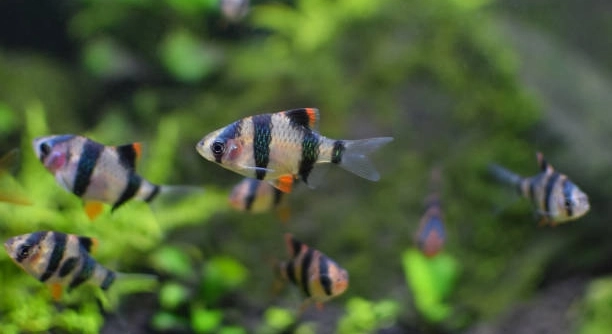
Tiger barbs are lively and colorful fish often kept in home aquariums. They tend to group together, especially near warm spots like heaters. This behavior can seem puzzling to many fishkeepers and enthusiasts alike.
Tiger barbs group near the heater because they seek warmth and comfort. Warm water helps their metabolism and activity levels, making the area near the heater a preferred gathering spot. This behavior is natural and common among tropical fish.
Understanding why tiger barbs behave this way can help you create a better environment for them. It also sheds light on their social and health needs in captivity.
Why Tiger Barbs Prefer Warmer Water
Tiger barbs naturally come from tropical waters where temperatures tend to be warm and stable. In an aquarium, the heater creates a small area of higher temperature, which attracts them. Warmer water increases their metabolism, making them more active and energetic. When fish feel comfortable, they tend to swim together in groups as a way to feel secure. This behavior also helps them regulate their body temperature more efficiently. If the tank is cooler in other areas, the heater zone becomes a cozy spot to rest and socialize. It’s normal for tiger barbs to cluster there, especially during cooler seasons or if the tank temperature isn’t consistent. Their preference for warmth is a survival instinct that helps maintain their health and energy. Watching them gather near the heater can be a good sign that they are seeking the right environment.
Grouping near the heater is a natural response to temperature needs. It keeps the fish comfortable and active.
Making sure your tank temperature stays steady and warm helps tiger barbs feel safe. Consistent heat prevents stress and supports their overall well-being. When the water is too cold, their immune system weakens, and they become less lively. Providing a balanced environment with proper temperature distribution helps reduce crowding near the heater. Adding decorations or plants away from the heater can encourage exploration and reduce competition. Monitoring the heater regularly ensures it works correctly and maintains a healthy temperature. This care improves the happiness and longevity of your tiger barbs in the aquarium.
How Tank Setup Affects Tiger Barb Behavior
Tank size and layout play important roles in how tiger barbs behave around the heater. Small tanks tend to heat unevenly, which can make the warm area near the heater the only comfortable zone for the fish. In larger tanks, heat spreads more evenly, allowing the fish to explore other parts without needing to cluster. Decorations like rocks and plants also create different temperature pockets and hiding spots, encouraging the fish to move around more. If your tank is crowded or lacks enough swimming space, tiger barbs may feel stressed and stick to the warmer area for comfort. Adjusting tank size and decor helps balance their environment and reduce the need to group near the heater. This improves their natural behavior and promotes a healthy community in the tank.
Signs of Stress Near the Heater
When tiger barbs crowd near the heater too much, it can be a sign of stress. They may gasp at the surface or act restless. This often means the water conditions need checking or the temperature is uneven.
Stress from clustering near the heater may result from poor water quality or temperature fluctuations. If the water isn’t clean or if the heater malfunctions, fish will seek the warmest spot to survive. It’s important to test water parameters regularly to keep ammonia, nitrites, and nitrates low. Sudden temperature changes can shock the fish, so stable heat is essential. If stress continues, your tiger barbs may become more prone to illness or show aggression toward each other.
Another cause of stress is overcrowding. When too many fish share a tank, competition for space increases near warm areas. Adding more space or reducing tank mates can help ease tension. Providing hiding places and proper filtration improves comfort, making the fish less likely to cling to the heater area.
Adjusting Temperature for Comfort
Setting the right temperature keeps tiger barbs happy and healthy. Aim for 75-79°F, which matches their natural tropical environment.
Temperatures outside this range can make the fish uncomfortable and lead to unusual behavior like clustering near the heater. If it’s too cold, their metabolism slows, causing lethargy and vulnerability to disease. Too hot, and oxygen levels drop, stressing the fish. Using a reliable heater with a thermostat helps maintain consistent warmth. Checking the temperature daily ensures it stays steady. Adjusting the heater placement to spread warmth evenly across the tank prevents crowding. Proper heating supports their activity and natural behavior, leading to a balanced tank environment.
Group Behavior and Social Needs
Tiger barbs are social fish that feel safer in groups. They naturally swim together for protection and interaction.
Being in a group reduces stress and encourages healthy activity. When they gather near the heater, it also helps maintain group cohesion.
Impact of Water Quality on Grouping
Poor water quality can cause tiger barbs to cluster near the heater more often. Pollutants and toxins stress fish, making them seek comfort zones. Regular water changes and filtration are necessary to keep the tank healthy. Clean water helps the fish spread out evenly and act naturally.
Using Decorations to Encourage Movement
Adding plants and hiding spots away from the heater encourages tiger barbs to explore the tank. This reduces crowding and stress.
FAQ
Why do tiger barbs always swim near the heater?
Tiger barbs swim near the heater because they prefer warmer water. The heat helps their metabolism and keeps them active. If other parts of the tank are cooler, they will gather where it’s warmer for comfort and energy. This is a natural behavior for tropical fish.
Is it bad if tiger barbs stay near the heater all the time?
It can be a sign that something isn’t right. Constantly clustering near the heater might mean the water temperature is uneven or too cold elsewhere. It could also indicate stress from poor water quality or overcrowding. Monitoring your tank’s conditions can help fix these issues.
How warm should the tank be for tiger barbs?
The ideal temperature range is between 75 and 79 degrees Fahrenheit. This matches their natural habitat and keeps them healthy. Temperatures outside this range can cause stress and affect their behavior.
Can uneven heating cause health problems?
Yes. Uneven heating creates temperature spots that can stress fish. Cooler areas can weaken their immune system, while warmer spots may cause oxygen levels to drop. Both make tiger barbs more vulnerable to illness.
What should I do if my tiger barbs crowd near the heater?
First, check the water temperature in different parts of the tank. Make sure your heater works properly and maintains a steady temperature. Test water quality for ammonia, nitrites, and nitrates. Add plants and decorations to encourage movement away from the heater. Also, avoid overcrowding by keeping a proper number of fish for your tank size.
Does tank size affect how much tiger barbs group near the heater?
Yes. Smaller tanks tend to heat unevenly, pushing fish to the warmest spot. Larger tanks usually distribute heat more evenly, allowing fish to spread out more. Make sure your tank is large enough for the number of tiger barbs you have.
Will adding more plants help reduce grouping near the heater?
Plants and decorations provide hiding spots and create different temperature zones. This encourages tiger barbs to explore and reduces the need to crowd near the heater. Live plants also improve water quality by absorbing nitrates, benefiting fish health.
Can stress cause tiger barbs to behave differently near the heater?
Stress makes tiger barbs cling to warm areas for comfort. Causes include poor water quality, sudden temperature changes, or overcrowding. Stress can lead to aggression, loss of appetite, or illness. Maintaining stable conditions and a clean tank helps reduce stress.
How often should I test water parameters to keep tiger barbs healthy?
Test water weekly for ammonia, nitrites, nitrates, and pH levels. Regular testing helps catch problems early before fish get stressed or sick. Clean water supports normal behavior and reduces clustering near the heater caused by discomfort.
Is it normal for tiger barbs to swim in tight groups?
Yes. Tiger barbs are schooling fish and prefer to swim together. Grouping near the heater is partly about social comfort and partly about warmth. As long as their environment is healthy, this behavior is normal.
Can heater placement in the tank influence where tiger barbs gather?
Absolutely. Placing the heater in one corner creates a warm zone, attracting fish. Moving it or using multiple heaters can spread warmth evenly, encouraging fish to distribute more naturally throughout the tank.
What temperature problems should I watch out for with tiger barbs?
Avoid sudden drops or spikes in temperature. Both can stress the fish. Also, make sure the temperature doesn’t fall below 72°F or rise above 82°F, as extremes can harm them.
Do tiger barbs need the heater on all the time?
In most cases, yes. Since they are tropical fish, a consistent warm temperature is necessary year-round. Turning off the heater can cause temperature drops, leading to stress and health problems.
How can I tell if my heater is working properly?
Use a reliable aquarium thermometer to check water temperature daily. If the temperature fluctuates widely or doesn’t reach the set point, your heater might be faulty and need replacement.
Can poor filtration affect how tiger barbs behave near the heater?
Yes. Poor filtration leads to dirty water, which stresses fish. Stressed tiger barbs are more likely to seek comfort near the heater. Good filtration keeps water clean and fish healthy, reducing abnormal behavior.
Is crowding near the heater a sign of aggression?
Not necessarily. It usually relates to temperature or comfort needs. However, if space is tight, aggression might occur as fish compete for the warmest spot. Ensuring enough room helps prevent fighting.
What else can I do to make my tiger barbs feel comfortable?
Keep the tank clean, maintain stable temperature, provide hiding spots, and avoid overcrowding. A balanced environment encourages natural behavior and reduces clustering near the heater.
Can other fish affect how tiger barbs behave near the heater?
Yes. Aggressive or larger tank mates can cause tiger barbs to seek refuge near the heater or in hiding spots. Choose peaceful companions to promote calm behavior.
How long should I wait after adjusting the heater before seeing changes?
Changes may take a day or two as the water temperature stabilizes and the fish adjust. Watch for reduced clustering and more active swimming as signs of improvement.
Is it okay to have multiple heaters in one tank?
Yes, using two smaller heaters can distribute warmth more evenly than one large heater. This prevents hot spots and reduces clustering near a single warm area.
Tiger barbs are naturally drawn to warm areas in their tank, which is why they often group near the heater. This behavior helps them stay active and comfortable, matching their tropical origins. When the temperature in the tank is right, tiger barbs feel secure and show more natural behavior. It is important to understand that clustering near the heater is usually a sign they are seeking warmth, but it can also indicate other issues like stress or poor water quality. Keeping the tank temperature steady and within the ideal range is key to their health.
Creating a well-balanced environment for tiger barbs goes beyond just heating. Water quality, tank size, and decorations all play important roles in how these fish behave. Clean water free from harmful chemicals helps reduce stress, which makes fish less likely to crowd in one spot. Providing enough space and hiding places encourages movement throughout the tank. This prevents them from sticking only near the heater and helps them feel safe and less stressed. Regular testing and maintenance support a stable environment, making your tiger barbs happier.
Watching tiger barbs gather near the heater can be a helpful signal to check on their tank’s conditions. Simple steps like adjusting the heater, cleaning the tank, or adding plants can improve their comfort and reduce crowding. Understanding why they behave this way allows you to make smart choices for their care. With the right setup and attention, tiger barbs will thrive, showing their bright colors and active personalities. Their grouping near the heater is just one piece of how they interact with their environment, and with good care, they will be healthy and lively pets.

Hello,
If you enjoy the content that we create, please consider saying a "Thank You!" by leaving a tip.
Every little bit helps us continue crafting quality advice that supports the health, happiness, and well-being of pets around the world, for pets of all shapes, sizes, and species.
We really appreciate the kindness and support that you show us!