
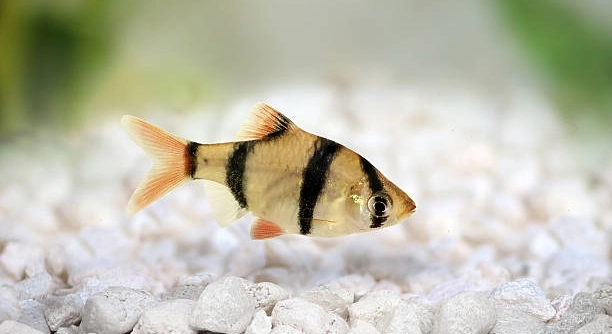
Barbs are active, curious fish that enjoy exploring their surroundings. Keeping them comfortable means paying attention to how much space they have. Space affects their behavior, health, and overall well-being in the aquarium.
Barbs need enough space to swim freely and reduce stress. When their tank is too small or crowded, they may show signs of aggression, fin damage, or hiding. Proper space helps maintain their physical and mental health.
Recognizing the signs that your barb needs more room can improve their quality of life. This article will guide you through the key clues to watch for in your aquarium.
Aggressive Behavior Increases
When barbs don’t have enough space, they tend to become more aggressive. You might notice them chasing or nipping other fish more often than usual. This happens because limited space causes stress and competition for territory. Barbs are naturally active swimmers, and if they feel crowded, their stress levels rise, leading to these behaviors. In a cramped tank, barbs might also compete for hiding spots or food, making tensions worse. Watching their behavior closely can help you spot these signs early. If aggression is becoming common, it’s often a sign the tank needs to be larger or less crowded. Providing more room gives each fish a chance to establish its own space and feel less threatened. This change usually results in calmer, healthier fish that get along better with their tank mates. Addressing aggressive behavior quickly can prevent injuries and keep the aquarium peaceful.
Aggression in barbs is a clear indicator of stress caused by limited living space.
Giving barbs more room lowers stress and aggression. Larger tanks with hiding spots let them feel safe. Reducing crowding also decreases competition. When barbs have enough space to swim freely and avoid each other when needed, they are less likely to nip or chase. Adding plants or decorations helps break sightlines, further calming the fish. It’s important to maintain good water quality in bigger tanks, too, since poor conditions can increase aggression regardless of space. By monitoring their behavior and adjusting tank size or layout, you can create a better environment for barbs to thrive.
Changes in Physical Appearance
Barbs kept in cramped conditions often show signs of poor health through their appearance. Fins may become torn or ragged, usually from frequent chasing or rubbing against tank decorations due to lack of room. You might also see faded colors or dull scales, which can indicate stress or illness caused by overcrowding. Stress weakens the immune system, making barbs more vulnerable to infections. When space is tight, it is harder to maintain good water quality, which also affects their health and appearance. Keeping the tank clean and providing enough space reduces these problems. Regular observation of your barbs’ fins, color, and behavior helps you notice when they are suffering from stress or poor conditions. These physical clues are important to address early to prevent long-term harm to your fish.
Physical changes in barbs often point to stress from inadequate space.
Watching your barbs carefully will help you catch early signs of discomfort. Noticing damaged fins or dull colors means it’s time to assess the tank size and conditions. Increasing space and improving water quality usually restore their health and appearance. Making these adjustments benefits all fish in the tank.
Frequent Hiding
Barbs often hide more when they feel cramped. Increased hiding can show they are stressed or uncomfortable in their environment.
When barbs spend a lot of time hiding behind plants or decorations, it usually means they feel threatened. Limited space makes it hard for them to escape from other fish or find quiet spots. Stress from overcrowding pushes them to seek shelter constantly, which is not natural for these active swimmers. If you notice your barbs rarely come out, it’s a sign they need more room. Giving them extra space allows them to swim openly and reduces their need to hide. This change helps them feel safer and improves their overall behavior.
Hiding too much can also affect their feeding habits. Barbs that stay hidden might miss meals or avoid social interactions. This can lead to poor health and stunted growth. When barbs have enough space, they feel more confident and are more likely to eat well and interact positively with tank mates. Improving the tank layout with open swimming areas and hiding spots in different places can help balance their need for safety without encouraging constant hiding.
Reduced Activity Levels
When barbs have too little space, their activity often decreases. They swim less and may appear lethargic or uninterested in their surroundings.
Barbs are naturally energetic fish that enjoy moving around a lot. In cramped tanks, their movements become restricted, leading to boredom and stress. Lack of exercise weakens their muscles and lowers their immune response, making them more vulnerable to illness. Limited swimming space can also cause frustration, which sometimes shows as dull colors or unusual behavior. Increasing the tank size or reducing the number of fish helps restore their energy. With more room, barbs swim more freely, explore, and display their natural lively behavior.
Reduced activity can also impact their social interactions. Barbs are social fish that thrive when they can interact with their group. When crowded, they may isolate themselves or stop schooling properly. Proper space allows them to maintain social bonds and enjoy healthier, more natural behavior patterns. Adjusting tank conditions to encourage movement benefits both their physical and mental health, making the aquarium a better environment overall.
Restless Swimming Patterns
Barbs may swim erratically when they feel confined. This behavior shows their discomfort and desire for more space.
Erratic swimming includes rapid darting, sudden stops, or pacing along tank edges. It’s a sign they are stressed and trying to find room to move. Increasing tank size or rearranging decorations often calms this behavior.
Loss of Appetite
Barbs with limited space often eat less. Stress and competition for food can reduce their appetite.
When barbs feel crowded, they may avoid feeding areas or get pushed aside by others. This can lead to poor nutrition and weakened health. Providing enough room and separate feeding spots helps improve their eating habits.
Visible Stress Signs
Stress in barbs may show as clamped fins, heavy breathing, or faded colors. These signs often result from overcrowding and poor tank conditions.
Recognizing these stress signals early allows you to make changes that improve their environment. Increasing space and maintaining water quality can help reduce stress and promote healthier fish.
FAQ
How much space does a barb need?
Barbs generally require at least 20 gallons of water per fish to swim comfortably. They are active swimmers and need enough room to move freely without feeling crowded. A larger tank helps reduce stress, aggression, and health issues. Overcrowding can cause behavior problems and physical damage.
What happens if barbs don’t get enough space?
Without enough space, barbs become stressed and aggressive. They may nip each other, hide more often, and show signs of illness like torn fins or faded colors. Lack of space also leads to poor water quality, which can harm their health. Stress lowers their immune system, making infections more common.
Can barbs live happily in a small tank?
Small tanks are not ideal for barbs because they restrict movement and increase stress. While barbs might survive in smaller setups, their quality of life suffers. They need room to swim actively and establish territory. A cramped tank often results in aggressive behavior and health problems.
How can I tell if my barb is stressed?
Stress signs in barbs include erratic swimming, hiding, loss of appetite, clamped fins, and dull or faded colors. They might also become aggressive or lethargic. Observing these behaviors regularly can help you decide if your fish need more space or better tank conditions.
What can I do to reduce aggression among barbs?
Providing more space is key to lowering aggression. Adding plenty of hiding spots and plants helps break lines of sight, reducing confrontations. Avoid overcrowding and maintain good water quality. Keeping barbs in groups of six or more also spreads out aggression, as no single fish becomes a constant target.
Is tank size the only factor affecting barb behavior?
Tank size is very important, but not the only factor. Water quality, tank layout, and compatible tank mates also affect barb behavior. Poor water conditions cause stress regardless of space. A well-planted tank with enough swimming room creates a healthier environment, reducing stress and aggression.
How often should I upgrade my barb’s tank?
You should upgrade the tank if you notice signs of stress or overcrowding. Barbs grow and become more active over time, so their space needs can change. If you add more fish or decorations that reduce swimming space, consider increasing the tank size to keep conditions comfortable.
What size tank is best for a group of barbs?
A group of five to six barbs needs at least a 30 to 40-gallon tank. This size allows enough room for swimming and territory. Larger tanks help spread out aggression and support natural schooling behavior, making the fish healthier and less stressed.
Can rearranging the tank help barbs who need more space?
Yes, rearranging decorations to create open swimming areas and more hiding spots can help. Breaking up the tank visually reduces aggression and gives barbs places to escape. However, rearranging is not a full replacement for more space if the tank is too small overall.
How does water quality affect barbs in small tanks?
Small tanks are harder to keep clean because waste builds up faster, stressing the fish. Poor water quality causes health problems like fin rot and infections. Regular water changes and filtration are critical. Even with good care, small tanks limit how many barbs you can keep safely.
Are some barb species more sensitive to space than others?
Yes, some species like tiger barbs are more active and aggressive, requiring more space than others. Less aggressive species may tolerate smaller tanks but still need adequate swimming room. Research your specific barb type to provide the best environment.
What are signs that barbs need more hiding spots?
If barbs frequently chase each other or one fish is often hiding, adding more plants or decorations can help. Multiple hiding places reduce stress and aggression by giving fish options to retreat without crowding a single spot.
How can I introduce new barbs without causing stress?
Introduce new barbs slowly by quarantining them first and adding them to the tank when it’s not crowded. Rearranging decorations before adding new fish can disrupt established territories and reduce aggression. Always monitor behavior closely during introductions.
Is overcrowding the main cause of barb health problems?
Overcrowding is a common cause but not the only one. Poor water quality, incorrect diet, and incompatible tank mates also affect health. However, overcrowding stresses barbs and worsens all other problems by lowering their immune systems and increasing disease risk.
Can barbs adapt to small tanks over time?
Barbs can survive in small tanks but don’t truly adapt. They may become stressed and display poor behavior and health over time. Ensuring they have enough space is the best way to support their natural behavior and long-term well-being.
This FAQ covers common concerns about barb care related to space. Paying attention to these details helps keep barbs healthy and happy in any aquarium setup.
Giving barbs enough space in their tank is important for their health and happiness. When barbs have room to swim freely, they show natural behavior and stay active. Crowded conditions cause stress, which leads to aggressive behavior, hiding, and poor health. Paying attention to how your barbs act and look can help you know if they need more space. Watching for signs like torn fins, faded colors, or constant hiding will help you make changes before problems become serious.
Providing a larger tank or reducing the number of fish can improve the quality of life for barbs. It is not just about size but also about how the tank is arranged. Adding plants and decorations in a way that creates hiding spots and open swimming areas can lower aggression and stress. Good water quality is equally important because poor conditions increase health risks even if the space is adequate. Regular cleaning, water testing, and maintenance will support a healthy environment for your barbs.
Remember that barbs are active and social fish. They thrive best in groups with enough room to interact but also space to retreat if needed. If you notice behavior changes, it is a sign to review their tank size and setup. Small adjustments in space, tank layout, or water quality can make a big difference. Taking these steps ensures your barbs live longer, healthier lives and helps you enjoy watching them thrive in your aquarium.

Hello,
If you enjoy the content that we create, please consider saying a "Thank You!" by leaving a tip.
Every little bit helps us continue crafting quality advice that supports the health, happiness, and well-being of pets around the world, for pets of all shapes, sizes, and species.
We really appreciate the kindness and support that you show us!