What It Means If Rasbora Face the Glass
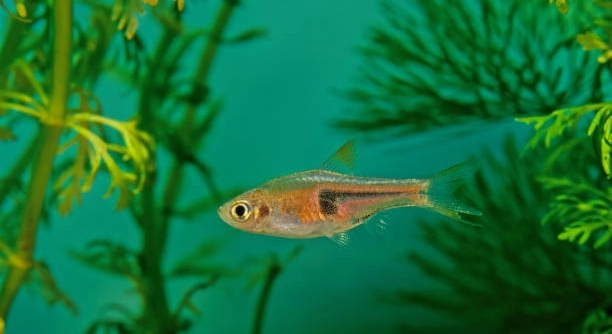
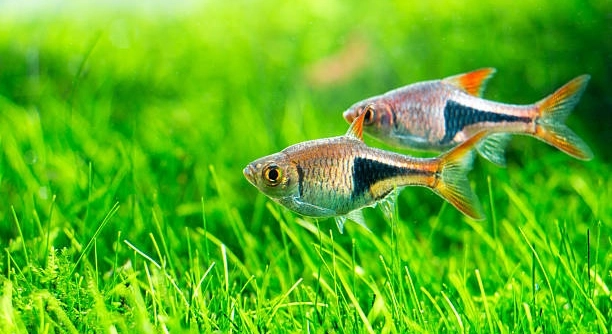
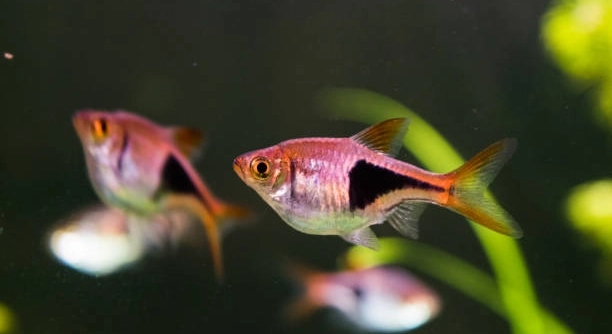
Rasboras are popular small fish found in many home aquariums. They often swim actively and enjoy exploring their environment. When these fish start facing or pressing against the glass, it may catch the attention of many aquarium owners. When rasboras face the glass, it often indicates stress, discomfort, or environmental issues such as poor water … Read more
How Rasbora Use Tank Decor to Navigate

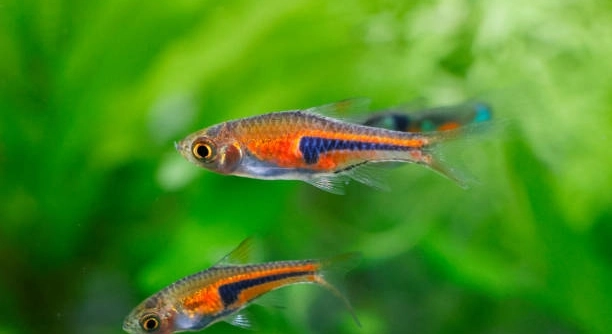
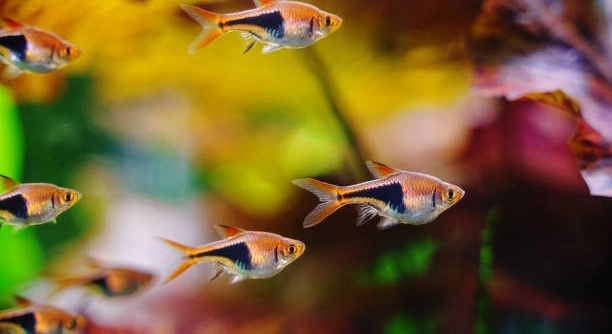
Do your rasboras often swim in the same patterns, tracing around plants and hiding near small rocks or decorations? You may have noticed them moving in certain ways around their tank, especially when the layout changes. Rasboras use tank decor to navigate by relying on visual landmarks, spatial memory, and environmental cues. These elements help … Read more

7 Cool Facts About Rasbora Behavior

Rasboras are small freshwater fish often found in home aquariums. Their behavior can be surprisingly interesting and shows various social and survival traits. Learning about these behaviors can help aquarium owners better care for them. Rasbora behavior includes schooling, territorial displays, and specific feeding habits. These fish often swim in groups to avoid predators and … Read more

7 Tips to Prevent Rasbora Diseases

Are your rasboras suddenly acting strange, showing signs of stress, or developing unusual spots or discoloration on their scales? These small changes can sometimes hint at underlying health problems in your aquarium setup. The best way to prevent rasbora diseases is to maintain clean water, avoid overcrowding, quarantine new fish, and provide a balanced diet. … Read more

7 Things Rasbora Might Be Trying to Tell You

Rasboras are small, colorful fish often kept in home aquariums. They use different behaviors to communicate their needs and feelings. Understanding these signals can improve their care and well-being. Rasboras show specific behaviors and changes to signal hunger, stress, illness, or environmental discomfort. Recognizing these signs helps maintain their health and ensures a balanced, comfortable … Read more

7 Common Triggers for Rasbora Panic Swimming

Paragraph 1:Rasboras are small, active fish that often brighten up home aquariums. Many owners enjoy their playful nature but notice sudden bursts of frantic swimming that can be alarming or confusing to observe. Paragraph 2:Rasbora panic swimming is commonly triggered by environmental stressors, sudden changes in water conditions, overcrowding, incompatible tank mates, loud vibrations, rapid … Read more

Can Rasbora Get Lonely in Large Tanks?

Rasboras are popular small fish often kept in home aquariums. They are known for their peaceful nature and schooling behavior. Many fishkeepers wonder how these social creatures adapt to large tank environments. Rasboras are social fish that thrive best in groups, regardless of tank size. In large tanks, they do not typically get lonely if … Read more

7 Sounds That Might Frighten Rasbora

Rasboras are small, peaceful fish often kept in home aquariums. They are sensitive to their environment and may react to certain sounds around them. Understanding these sounds can help keep them calm and comfortable. Rasboras can be frightened by sudden loud noises, vibrations, household sounds like banging or dropping objects, voices raised nearby, equipment noises … Read more

Can Rasbora Understand Light Schedules?

Light is an important part of the daily life of many fish species, including Rasboras. These small, colorful fish live in environments where light changes naturally throughout the day. Understanding how they respond to these changes helps keep them healthy and comfortable in home aquariums. Research shows that Rasboras do respond to light schedules, using … Read more

What Rasbora Might Be Telling You With Movement

Rasboras are small, active fish often kept in home aquariums. Their movements can show more than just swimming—they may reflect how they feel or what they need. Watching their behavior can help you understand them better. Rasbora movement patterns often indicate their health, stress levels, and environmental comfort. Changes such as erratic swimming or hiding … Read more