
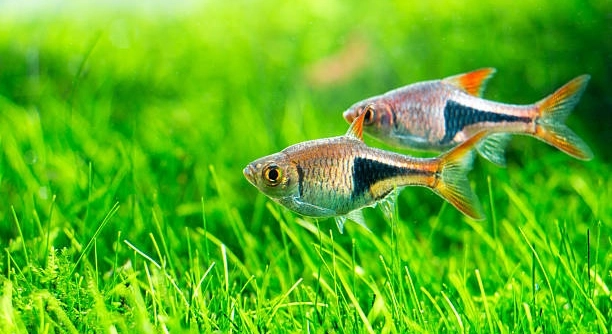
Rasboras are small, colorful fish often kept in home aquariums. They use different behaviors to communicate their needs and feelings. Understanding these signals can improve their care and well-being.
Rasboras show specific behaviors and changes to signal hunger, stress, illness, or environmental discomfort. Recognizing these signs helps maintain their health and ensures a balanced, comfortable aquarium environment.
Learning to interpret what your rasbora is trying to tell you can strengthen your bond and enhance their quality of life in your care.
Changes in Swimming Patterns
Rasboras usually swim in smooth, coordinated groups. When one or more start darting quickly, hiding more than usual, or resting near the bottom, it often indicates something is wrong. Sudden changes in swimming can point to stress caused by poor water quality, temperature fluctuations, or aggression from tank mates. Sometimes, illness makes them weak or restless, affecting how they move. Observing their swimming habits regularly helps catch problems early. If you notice your rasbora swimming erratically or staying still for long periods, check the water parameters first. Keeping ammonia, nitrites, and nitrates at safe levels is essential. Also, make sure the tank has enough hiding spots to reduce stress. These simple steps often restore normal swimming behavior and improve your fish’s health.
Erratic swimming is a key sign of stress or illness in rasboras. Early detection can prevent serious health issues.
By paying attention to how your rasbora moves, you can take quick action to fix the environment or treat illness, ensuring your fish stay active and healthy.
Changes in Appetite
A noticeable drop or increase in appetite can mean your rasbora is not feeling well. Sudden loss of interest in food usually signals stress, infection, or water quality problems. On the other hand, eating too much or aggressively can also suggest discomfort or imbalanced conditions in the tank. Monitoring feeding habits helps detect early signs of health changes. Consistent feeding times and balanced nutrition support good health, but any sudden appetite shifts require attention.
Appetite changes are clear indicators of a rasbora’s health status and environment.
When rasboras stop eating or begin eating excessively, it is often a response to stressors such as poor water quality or illness. Stress can suppress appetite, while discomfort or parasites sometimes increase hunger as the fish try to cope. Adjusting feeding routines, checking water parameters, and observing other behaviors will help identify the root cause. If needed, consult with an aquatic specialist or veterinarian for diagnosis. Prompt action keeps your rasbora from suffering further and supports recovery. Maintaining a clean tank with stable conditions will encourage a healthy appetite and avoid future issues.
Color Changes
Rasboras often change color when they feel stressed or sick. Dull or faded colors usually mean something is off in their environment or health.
Color changes can result from poor water quality, inappropriate lighting, or illness. Stress from overcrowding or aggressive tank mates also causes their colors to fade. If your rasbora suddenly looks pale or loses its shine, test the water for ammonia, nitrites, and pH levels. Make sure the tank conditions match their needs, and reduce any sources of stress. Sometimes, color loss can be a sign of disease, so watch for other symptoms like clamped fins or lethargy. Improving water quality and reducing stress will often bring their colors back.
Bright, healthy colors usually reflect good health and comfort. Restoring tank balance and treating illnesses early keeps rasboras vibrant and active, helping you enjoy their natural beauty longer.
Fin Clamping and Damage
Fin clamping is a common sign of discomfort or stress in rasboras. It means the fins are held close to the body rather than fanned out naturally.
Clamped fins may indicate poor water quality, illness, or stress from tank conditions. Damage to fins can also come from fin rot, injuries, or aggression by other fish. If you notice your rasbora keeping its fins tight or with ragged edges, check water parameters immediately. Treating bacterial or fungal infections early is important to prevent worsening. Removing aggressive tank mates or improving water conditions often helps rasboras relax and heal. Maintaining a clean, stable environment with proper filtration is key to preventing fin problems. Watching fin health regularly gives clues about your fish’s overall well-being.
Gasping at the Surface
Gasping at the water surface usually means low oxygen levels in the tank. Rasboras need well-oxygenated water to stay healthy.
Poor water circulation or overcrowding often causes oxygen depletion. Increasing aeration or reducing fish numbers can help improve conditions quickly.
Hiding More Than Usual
When rasboras hide frequently, it often signals stress or illness. They may feel threatened by tank mates or poor water quality.
Providing plenty of plants and hiding spots can reduce stress. Checking water parameters and observing other symptoms helps identify the cause.
Clinging to Plants or Decorations
Rasboras clinging to plants or decorations may feel weak or sick. This behavior suggests discomfort or low energy levels.
It’s important to check for water quality issues or signs of disease. Prompt treatment and improving tank conditions help them recover and regain strength.
Excessive Flashing or Scratching
Excessive flashing or rubbing against surfaces indicates irritation, often caused by parasites or poor water quality. This behavior shows discomfort.
Observing these signs early allows timely treatment, which is critical to prevent further harm. Maintaining clean water reduces irritation and keeps rasboras comfortable.
FAQ
Why is my rasbora hiding all the time?
Rasboras hide frequently when they feel stressed, scared, or unwell. Stress can come from aggressive tank mates, poor water quality, or sudden changes in their environment. Illness or discomfort also makes them seek shelter more often. Ensuring a calm tank with proper water parameters and enough hiding places usually reduces this behavior.
How can I tell if my rasbora is sick?
Signs of sickness include loss of appetite, faded color, clamped fins, lethargy, erratic swimming, and gasping at the surface. You may also notice flashing, fin damage, or hiding more than usual. Testing water quality and observing these symptoms helps identify illness early, allowing for quicker treatment.
What should I do if my rasbora is flashing?
Flashing means your fish is rubbing against objects because of irritation, often from parasites or poor water conditions. Check water quality and look for external parasites. Performing water changes, improving filtration, and treating for parasites if necessary will help relieve discomfort.
Can poor water quality cause behavior changes in rasboras?
Yes, poor water quality is a common cause of stress and illness in rasboras. High ammonia, nitrites, nitrates, or incorrect pH can affect their behavior, leading to hiding, gasping, color loss, and fin clamping. Regular testing and maintenance keep water safe and stable.
Why is my rasbora’s color fading?
Color fading often signals stress, illness, or unsuitable tank conditions. Overcrowding, poor water quality, or lack of proper nutrition can cause dull colors. Fixing these issues and providing a healthy environment helps restore their natural vibrancy.
How often should I test my aquarium water?
Testing water at least once a week is ideal for keeping rasboras healthy. Frequent checks help detect problems early and maintain a balanced environment. If issues arise, test more often until conditions stabilize.
Is it normal for rasboras to rest near the bottom?
Occasionally resting near the bottom can be normal, but prolonged or frequent resting may indicate stress or illness. Monitor their activity and check water quality if this behavior continues.
Can tank mates affect my rasbora’s behavior?
Yes, aggressive or territorial fish can stress rasboras, causing hiding or erratic swimming. Choosing peaceful, compatible tank mates helps keep rasboras comfortable and reduces stress-related behaviors.
What is fin clamping, and why does it happen?
Fin clamping is when fish hold their fins close to their bodies, often due to stress, illness, or poor water conditions. It restricts movement and signals discomfort. Improving tank conditions and treating infections usually resolves this.
How do I improve oxygen levels in my aquarium?
Adding an air stone, increasing water surface agitation, or upgrading the filter can improve oxygen levels. Avoid overcrowding and maintain plants that produce oxygen. Good oxygen circulation keeps rasboras healthy and prevents gasping.
Should I quarantine new fish before adding them to my rasbora tank?
Quarantining new fish for 2-4 weeks helps prevent diseases from spreading. It allows observation of health and behavior before introducing them to the main tank. This practice protects your rasboras from infections.
What type of diet is best for rasboras?
A varied diet of high-quality flakes, pellets, and occasional live or frozen foods like brine shrimp or daphnia provides balanced nutrition. Feeding small amounts 1-2 times daily avoids overfeeding and supports good health.
How can I reduce stress in my rasbora tank?
Maintain stable water parameters, provide hiding spots, avoid overcrowding, and choose peaceful tank mates. Gentle lighting and regular feeding schedules also help create a calm environment.
When should I seek professional help for my rasbora?
If symptoms like clamped fins, flashing, or unusual swimming persist despite good care, or if you notice physical signs like sores or swelling, consult an aquatic veterinarian or specialist for diagnosis and treatment advice. Early help improves outcomes.
Understanding what your rasbora is trying to tell you is important for keeping it healthy and happy. These small fish use different behaviors to show their feelings and needs. Paying attention to signs like changes in swimming, appetite, color, or fin condition helps you notice when something is wrong. Early detection allows you to fix problems before they get worse. Maintaining good water quality, providing enough space, and offering a balanced diet are key to preventing many common issues. When rasboras feel comfortable, they will swim actively, show bright colors, and eat well.
Taking care of rasboras means creating a stable and stress-free environment. Stress can come from poor water conditions, aggressive tank mates, or sudden changes in the tank. Providing hiding spots with plants and decorations helps rasboras feel safe. Regular water testing and cleaning keep the aquarium healthy. Sometimes, even small changes can affect your fish, so observing their behavior daily is helpful. If you see unusual signs like gasping at the surface or flashing, it’s important to act quickly. Proper care and attention make a big difference in how your rasboras live.
Finally, it’s important to remember that rasboras, like all fish, rely on their owners for a safe home. Learning to read their signals can improve their quality of life. When you respond to their needs promptly, you build a better environment for them to thrive. Sometimes, problems need more than just water changes—they may require treatment or advice from experts. But with patience and care, you can enjoy watching your rasboras healthy and vibrant for a long time. Their small signals are worth paying attention to because they tell the story of their well-being.

Hello,
If you enjoy the content that we create, please consider saying a "Thank You!" by leaving a tip.
Every little bit helps us continue crafting quality advice that supports the health, happiness, and well-being of pets around the world, for pets of all shapes, sizes, and species.
We really appreciate the kindness and support that you show us!