
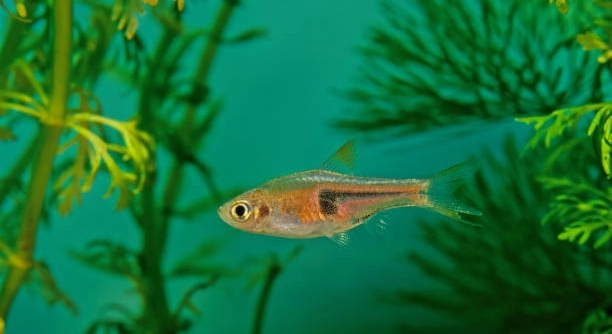
Rasboras are small, peaceful fish often kept in home aquariums. They are sensitive to their environment and may react to certain sounds around them. Understanding these sounds can help keep them calm and comfortable.
Rasboras can be frightened by sudden loud noises, vibrations, household sounds like banging or dropping objects, voices raised nearby, equipment noises such as filters or air pumps, and unexpected tapping on the aquarium glass. These disturbances cause stress and impact their behavior.
Knowing which sounds affect rasboras is important for maintaining a peaceful tank environment. This article will help you identify and manage those sounds to keep your fish happy.
Sudden Loud Noises and Their Impact
Sudden loud noises like banging on walls, dropping heavy objects, or loud footsteps can easily startle rasboras. These fish are used to calm and steady surroundings, so abrupt sounds disrupt their sense of safety. When startled, they may dart quickly or hide among plants, which can increase their stress levels. Frequent exposure to these noises can weaken their immune system and affect their overall health. It is best to minimize loud sounds near the aquarium and avoid sudden movements that could create loud impacts. Keeping the area around the tank quiet and stable helps rasboras feel secure and behave naturally. Over time, this calm environment encourages better activity and feeding habits. Being aware of noise sources around the aquarium is an important step in caring for these delicate fish.
Loud noises cause rapid stress responses in rasboras, which can reduce their lifespan and increase illness risks.
Reducing sudden noises near the tank by controlling household activities can greatly improve the well-being of your rasboras. Quiet times help maintain their natural behavior and reduce harmful stress. Using soft materials near the tank or placing it in a less active room may also help. Keeping the aquarium in a peaceful environment supports healthy and happy fish.
Equipment Sounds and Their Effects
Equipment like filters and air pumps create constant background noise in the tank. While some noise is normal, if these devices become too loud or start making irregular sounds, rasboras may become uneasy. They rely on stable surroundings to feel safe, and unexpected changes in equipment noise can disrupt their comfort.
It’s important to regularly check and maintain aquarium equipment to ensure it runs quietly and smoothly. Sometimes a filter needs cleaning or a worn-out pump part causes extra noise. Adjusting or replacing noisy parts can make a big difference in keeping rasboras calm. Consistent, gentle water flow is better than sudden noises or vibrations. You might also consider adding noise dampening materials under equipment to reduce sound transmission. Keeping equipment sounds low helps your fish remain stress-free and more active during the day.
By paying attention to how your equipment sounds and taking action when needed, you create a better environment for rasboras. Calm water movement and quiet machines improve fish health and tank harmony. This practical step is easy to overlook but essential for peaceful aquarium care.
Voices and Household Sounds
Raised voices or loud conversations near the aquarium can disturb rasboras. These fish are sensitive to vibrations and sudden changes in sound levels.
When people speak loudly or shout close to the tank, the noise creates vibrations that travel through the water. This can cause rasboras to become nervous or hide. Even repeated talking at a higher volume may stress them out over time. It’s helpful to keep conversations calm and quieter around the aquarium area. A peaceful environment supports their natural swimming patterns and reduces anxiety.
Household noises like vacuum cleaners, television sounds, or kitchen appliances also affect rasboras. The constant background noise may make them more cautious or less active. Limiting these noises when possible or placing the tank in a quieter part of the home will improve their comfort. The goal is to reduce sudden sound spikes that can startle your fish.
Tapping on the Aquarium Glass
Tapping or knocking on the glass is one of the most stressful sounds for rasboras. This sharp noise can cause immediate fright and disrupt their behavior.
Even if done unintentionally, tapping creates vibrations that the fish feel throughout the tank. They may dart away quickly or hide for long periods. Repeated tapping can lead to chronic stress, which affects feeding and overall health. It is best to avoid touching the glass or tapping on it while near your fish.
If you notice your rasboras acting skittish, glass tapping could be a cause. Reminding others not to tap on the tank helps maintain a calm environment. Using decorations or plants to soften accidental knocks also protects your fish from sudden shocks. Quiet surroundings improve the tank’s atmosphere and help rasboras stay relaxed and active.
Vibrations from Nearby Movement
Rasboras can sense vibrations caused by people walking or moving objects near the tank. These subtle shakes may make them uneasy.
Even small vibrations can disturb their environment. Keeping heavy foot traffic or active movement away from the tank helps reduce stress.
Household Appliance Noise
Constant noise from appliances like washing machines or dishwashers can create an unsettling background for rasboras. These sounds may cause them to hide or become less active.
Limiting appliance use during quiet times or placing the tank in a less noisy room helps keep the fish calm and comfortable.
Loud Music and Television
Loud music or TV volumes can produce strong vibrations and noise levels that disturb rasboras. These sounds can startle them and interrupt their normal behavior.
Keeping volume levels moderate and away from the tank area helps maintain a peaceful setting for your fish.
FAQ
What sounds are most likely to scare rasboras?
Rasboras are most frightened by sudden loud noises like banging or dropping objects, tapping on the aquarium glass, and loud voices nearby. Equipment noises that become irregular or too loud can also disturb them. These sounds create vibrations and sudden changes in their environment that cause stress.
How can I reduce noise around my aquarium?
Keeping the aquarium in a quiet part of the house helps a lot. Avoid tapping on the glass, loud conversations, and running noisy appliances close to the tank. Softening sounds by placing the tank on a sturdy, padded surface also reduces vibrations. Regularly maintaining equipment to prevent loud noises is important as well.
Why does tapping on the glass frighten my fish?
Tapping creates sharp vibrations in the water that rasboras feel as a threat. This sudden disturbance triggers a stress response, causing them to hide or swim frantically. Repeated tapping can lead to chronic stress, which harms their health over time.
Can household appliances really affect my rasboras?
Yes. Appliances like washing machines, vacuum cleaners, or dishwashers produce constant background noise and vibrations. These sounds might make rasboras cautious, less active, or stressed. Limiting the use of these appliances near the aquarium can help keep your fish calm.
Is it okay to have music or TV on near the aquarium?
Music and TV can disturb rasboras if played loudly. They create vibrations and noise that may startle the fish and disrupt their natural behavior. Keeping volume levels low and placing the aquarium away from speakers reduces stress for your fish.
Do rasboras get used to sounds over time?
Rasboras can become somewhat accustomed to constant background noises like running filters if the sounds are steady and not too loud. However, sudden or irregular noises remain stressful. Maintaining a consistent, calm environment is best for their well-being.
How do loud voices affect rasboras?
Raised voices or shouting near the tank create vibrations that disturb rasboras. They may respond by hiding or swimming quickly, indicating stress. Speaking softly and calmly near the aquarium supports a peaceful environment.
What steps can I take if my rasboras seem stressed by noise?
First, identify and reduce noise sources near the tank. Move noisy equipment away or maintain it for quieter operation. Avoid tapping the glass or loud talking nearby. Adding plants or decorations can help dampen vibrations. Consistency in the environment helps rasboras feel safe again.
Are some rasbora species more sensitive to sound?
While most rasboras share similar sensitivities, some species may react differently based on their natural habitat and temperament. Generally, smaller and more timid species show higher stress responses to noise. It’s best to observe your specific fish and adjust their environment accordingly.
Can stress from noise lead to illness in rasboras?
Yes. Prolonged stress weakens their immune system, making them more vulnerable to diseases. Stress can cause poor appetite, faded colors, and lethargy. Reducing noise and providing a stable environment are essential for keeping rasboras healthy.
Final thoughts on managing sounds around rasboras focus on creating a calm and stable environment for these delicate fish. Rasboras are sensitive to noise and vibrations, which can easily cause them stress. Stress can harm their health and affect how they behave in the aquarium. It is important to be aware of the common sounds that frighten them, such as loud bangs, tapping on the glass, and noisy equipment. By controlling these sounds, you help your rasboras feel safe and comfortable in their home. A quiet and peaceful space benefits their overall well-being and encourages natural behavior.
Keeping the tank in a low-traffic, quiet area of your home can reduce many of the disturbing noises rasboras do not like. Avoid tapping on the aquarium glass or making sudden loud noises near the tank. Regular maintenance of filters and pumps also keeps equipment running smoothly and quietly. If household appliances or loud music affect the fish, try to minimize their use near the tank or move the aquarium to a less noisy location. Adding plants and decorations inside the tank can absorb some vibrations and create hiding places, which help reduce stress. Small changes in the aquarium’s surroundings can make a big difference in the comfort of your fish.
It is normal for rasboras to react to unexpected sounds, but repeated or constant noise can lead to ongoing stress and health problems. Monitoring your fish’s behavior can help you spot when they are uncomfortable or frightened. Once you identify noise sources, take simple steps to reduce or eliminate them. Creating a calm environment is an important part of caring for rasboras and ensuring they live long, healthy lives. Paying attention to sounds in and around the tank supports not only the fish’s health but also a more enjoyable experience for anyone keeping these peaceful fish.

Hello,
If you enjoy the content that we create, please consider saying a "Thank You!" by leaving a tip.
Every little bit helps us continue crafting quality advice that supports the health, happiness, and well-being of pets around the world, for pets of all shapes, sizes, and species.
We really appreciate the kindness and support that you show us!