
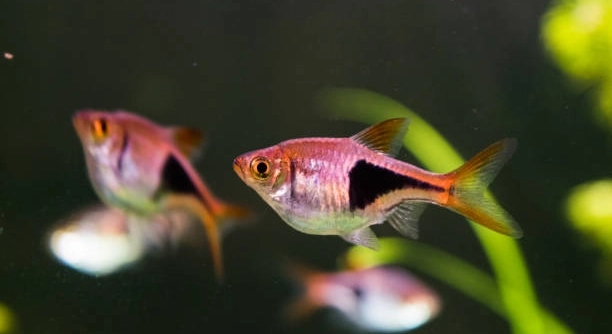
Rasboras are small, active fish often kept in home aquariums. Their movements can show more than just swimming—they may reflect how they feel or what they need. Watching their behavior can help you understand them better.
Rasbora movement patterns often indicate their health, stress levels, and environmental comfort. Changes such as erratic swimming or hiding can signal water quality issues, illness, or social stress within the tank. Observing these signs allows timely care adjustments to support their well-being.
Recognizing these signals early can improve your aquarium’s balance and help your rasboras thrive in their environment.
Understanding Rasbora Swimming Patterns
Rasboras often swim in groups, moving smoothly together in the tank. This schooling behavior shows they feel safe and comfortable. When they dart suddenly or swim erratically, it may mean something is wrong. For example, if the water quality drops or there is a sudden change in temperature, rasboras may become restless or hide. Sometimes, a single fish may separate from the group, which can be a sign of illness or stress. Watching how they interact and move can help you catch problems early before they become serious. Their activity level also changes with light and feeding times, so it’s normal for them to be more active at certain parts of the day.
Schooling is a good sign of a happy tank.
By learning to read these swimming patterns, you can adjust the environment to better fit their needs. Regular water checks, stable temperatures, and a peaceful tank help maintain healthy behavior. Knowing when they swim normally or show signs of discomfort lets you act faster and keep your rasboras thriving longer.
Signs of Stress in Rasboras
Stress in rasboras often shows through quick, jerky movements or hiding frequently.
Stress can come from many sources, including poor water quality, overcrowding, or sudden changes in their environment. When stressed, rasboras may lose their bright colors or stop eating. They might also gasp near the water surface, indicating low oxygen. Introducing new fish too quickly or having aggressive tank mates can increase their stress levels. Maintaining a clean tank with stable conditions and providing plenty of hiding spots helps reduce stress. It’s important to observe how your rasboras behave daily. If you notice consistent unusual movement or hiding, testing water parameters and adjusting tank conditions can make a big difference in calming them down.
Keeping stress low is key to a long, healthy life for your rasboras.
Rasbora Feeding Behavior
Rasboras usually swim actively when it’s feeding time, showing excitement and alertness. Slow or uninterested movement may indicate they are not feeling well or stressed.
When rasboras are hungry, they often swim near the water surface or around the feeding area. They quickly dart to catch food but can also compete with tank mates. If some fish avoid food or seem lethargic, it might mean illness or poor water conditions. Feeding small amounts multiple times a day can encourage natural movement and reduce competition. Overfeeding, however, can lead to water quality problems, causing further stress and unusual swimming behavior.
Their response to feeding can help spot health issues early. Healthy rasboras are eager eaters and swim confidently during feeding. Watching closely during this time helps you understand their well-being and adjust care routines as needed.
Movement as a Social Signal
Rasboras use movement to communicate within their group. Slow swimming or tail flicks can show calmness, while quick bursts may signal alertness or warning.
Social behavior affects how rasboras move together. When comfortable, they stay close and swim in sync. If a fish is isolated or frequently chased, it can lead to stress and changes in swimming patterns. Rasboras also establish social hierarchy through subtle body movements. Dominant fish may swim confidently, while others stay cautious. Providing enough space and hiding places reduces conflicts and encourages peaceful interactions. Observing these signals helps maintain a balanced aquarium where all fish feel secure.
Understanding social cues through movement can improve how you manage your tank and support healthier fish behavior.
Abnormal Swimming Patterns
Rasboras swimming upside down or in circles usually show signs of illness or stress. This behavior is not normal and should be checked immediately.
Other signs include rubbing against tank surfaces or floating listlessly. These movements can indicate parasites, poor water quality, or infections.
Impact of Water Quality on Movement
Poor water conditions greatly affect rasbora movement. High ammonia, nitrites, or sudden pH changes cause stress, leading to erratic swimming or hiding. Regular water testing and proper filtration keep their environment stable, which supports calm and natural swimming behavior. Without clean water, rasboras become weak and vulnerable to disease.
Exercise and Movement
Rasboras need space to swim actively for exercise. Small tanks limit their movement, causing lethargy and health problems. Providing a larger tank with plants and open areas encourages natural, lively swimming.
FAQ
Why is my rasbora swimming erratically?
Erratic swimming often means the fish is stressed or sick. It could be caused by poor water quality, sudden temperature changes, or a parasite. Check your water parameters and observe other signs like loss of appetite or discoloration. Acting quickly can prevent serious health problems.
How do I know if my rasbora is stressed?
Stress shows through unusual behavior such as hiding more than usual, swimming erratically, or losing color. You may also notice reduced activity or refusal to eat. Stress is often caused by overcrowding, aggressive tank mates, or poor water conditions. Fixing these issues helps rasboras return to normal behavior.
What does it mean when rasboras swim at the surface?
Swimming near the surface often means they are searching for oxygen, especially if the water is low in oxygen. This can happen if the tank isn’t well aerated or if there’s too much waste in the water. Increasing oxygen levels and cleaning the tank helps resolve this.
Is it normal for rasboras to hide often?
Some hiding is normal, especially when the tank lights are bright or during rest periods. But constant hiding could mean stress, illness, or poor tank conditions. Providing plants and hiding spots helps them feel safe, but watch for other signs that might need attention.
Why do some rasboras separate from the school?
Separation might mean illness, stress, or injury. Healthy rasboras usually swim in groups, so an isolated fish should be monitored closely. It may need quarantine or treatment if it shows signs of disease.
How often should rasboras be fed to promote healthy movement?
Feed small amounts two to three times a day to encourage natural active swimming. Overfeeding can harm water quality and cause sluggish behavior. Balanced feeding supports both their health and lively movement.
Can tank size affect rasbora movement?
Yes, a small tank restricts swimming space, leading to less activity and possible stress. A larger tank with open swimming areas and plants encourages natural, energetic movement and helps keep rasboras healthy.
What should I do if I notice abnormal swimming patterns?
Test water quality immediately and look for other symptoms like clamped fins or discoloration. Perform partial water changes and improve filtration if needed. Isolate any sick fish to prevent spreading illness and consider consulting a vet or specialist.
How can I improve my rasboras’ swimming behavior?
Maintain stable water conditions, avoid overcrowding, and provide plants for shelter. Feed them regularly but avoid overfeeding. These simple steps create a comfortable environment that promotes natural and healthy movement.
Are rasboras more active at certain times?
Rasboras tend to be more active during daylight and feeding times. They may rest or hide when lights are off or during quiet periods. Understanding their daily rhythm helps interpret their movements and needs better.
Final Thoughts
Watching how rasboras move in the tank can tell you a lot about their health and comfort. Their swimming patterns, from smooth schooling to sudden jerks, show how they feel and react to their environment. Paying attention to these small signals helps you take better care of them. If they swim calmly in groups, it usually means the water is good and they feel safe. But if they start acting strangely, it can be a sign to check water quality, temperature, or other tank conditions. By noticing these changes early, you can prevent bigger problems and keep your fish healthy for a long time.
It is important to create a stable and comfortable home for your rasboras. Clean water, proper tank size, and peaceful tank mates all support healthy movement. Rasboras like to swim actively and explore, so giving them space and hiding spots helps reduce stress. Their feeding behavior also gives clues about their well-being. Healthy rasboras are eager eaters and swim actively when food is offered. Overfeeding or poor water quality can lead to sluggish or unusual movements. Keeping a balance with regular water tests, good filtration, and proper feeding routines will help your fish thrive and behave naturally.
Understanding what rasboras tell you through their movement makes caring for them easier and more rewarding. Watching their behavior closely is a simple way to spot health or stress issues without needing special tools. This close attention also builds a stronger connection between you and your fish. When they swim confidently and peacefully, it means your care is working well. Being patient and consistent with tank maintenance and observation will ensure your rasboras live happy, healthy lives. It is worth the effort to learn their language and respond to their needs through their movement.

Hello,
If you enjoy the content that we create, please consider saying a "Thank You!" by leaving a tip.
Every little bit helps us continue crafting quality advice that supports the health, happiness, and well-being of pets around the world, for pets of all shapes, sizes, and species.
We really appreciate the kindness and support that you show us!