
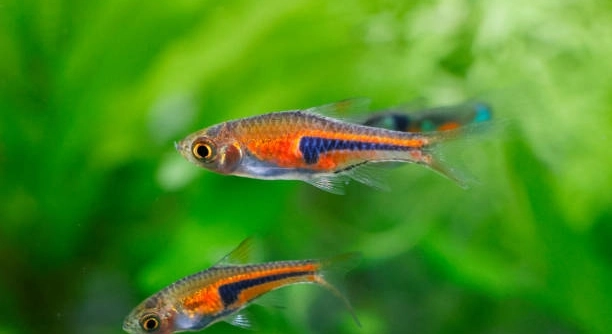
Do your rasboras often swim in the same patterns, tracing around plants and hiding near small rocks or decorations? You may have noticed them moving in certain ways around their tank, especially when the layout changes.
Rasboras use tank decor to navigate by relying on visual landmarks, spatial memory, and environmental cues. These elements help them establish safe paths, feeding areas, and social zones. Tank features create a structured environment that supports natural behavior and orientation.
Understanding how rasboras respond to tank decor can help you create a more enriching space that supports their comfort, movement, and overall well-being.
How Rasboras Use Visual Cues to Move Around
Rasboras are small fish that depend heavily on what they see to move through their space. In a tank, they learn to recognize specific items like plants, driftwood, rocks, or even shadows. These objects act like signs, helping the fish figure out where they are and where they want to go. Over time, rasboras grow familiar with the layout and use these visual points to feel secure and confident. This behavior is especially noticeable when the tank remains consistent, as sudden changes can make the fish pause or seem confused. Fish that live in tanks with more structure and landmarks tend to appear calmer and more active. Without these points of reference, rasboras may seem lost, swimming without direction. Visual cues also help them stick together when swimming in schools, improving their sense of safety. For rasboras, being able to “read” their environment is essential for thriving in captivity.
Rasboras rely on tank decor to reduce stress, maintain group structure, and avoid open areas that feel unsafe.
Even the position of a plant or the shape of a rock can impact how rasboras swim. Rearranging decor can change their patterns, so make changes slowly and observe their behavior closely afterward.
Why Tank Layout Matters for Rasboras
Tank layout has a direct effect on how rasboras behave and feel day to day.
A simple tank with just a few decorations may seem easy to clean or manage, but for rasboras, it lacks the structure they use to feel secure. A well-designed tank gives them choices—places to explore, areas to hide, and paths to swim. These features make a big difference in how often the fish swim together or hide. If rasboras spend most of their time near the glass or corners, the layout may not be working well for them. Plants help soften bright lights, driftwood offers shade, and rocks break up large open spaces. A balanced tank should include low, middle, and high zones so rasboras can move naturally. Providing a mix of textures and shapes also keeps them mentally active. It’s not just about filling the space—it’s about giving the fish a way to interact with their home in a natural and meaningful way.
How Rasboras React to New Decor
When new decor is added to the tank, rasboras often pause and observe before exploring. They may swim around cautiously, keeping close to familiar items until they feel more secure. Sudden changes can make them shy or hide temporarily.
Over time, rasboras begin to include new objects in their movement patterns. If a new plant or structure is placed well—without blocking their usual swimming space—they may start weaving around it as part of their routine. It’s important to avoid placing tall decor in a way that breaks their open swimming zones, especially near the middle of the tank. Introducing decor gradually helps them adapt without stress. Some rasboras even use new items to create “rest spots” where they pause briefly before moving again. Watching how they react to a new object tells you whether it helps or hinders their comfort and navigation in the tank.
Some rasboras may take longer than others to adjust, especially if they’re part of a newer group or have experienced tank changes too often. If you notice that a fish is avoiding a new piece entirely, try shifting it slightly or surrounding it with familiar objects. Small changes in placement can make a big difference in how they respond.
Creating a Balanced Tank for Natural Movement
A balanced tank supports healthy behavior by giving rasboras safe zones, swimming paths, and hiding places. Too many open areas can make them feel exposed, while cluttered spaces may block their natural flow. It’s about finding the right mix of structure and space.
Start by dividing the tank into zones. Use short plants in the front, taller ones in the back, and floating plants to soften the lighting. Add driftwood and small rocks to provide edges and cover. Keep a clear area in the center for schooling behavior. Avoid placing large objects too close together, which can limit movement. Watch how your rasboras use the tank after each change. If they move smoothly and stay in groups, the setup is likely working. If they dart or hide too often, something might need adjusting. A good layout should let them explore, pause, and swim without looking stressed or lost.
Signs Your Rasboras Are Using Decor
If rasboras swim around the same plants or objects often, it means they are using those as navigation points. You may also notice them forming loops or returning to certain areas repeatedly, especially after resting or feeding.
They also tend to stay near shaded spots created by decor. These areas offer a sense of protection, and rasboras often hover there when they’re calm. Watching these behaviors shows how decor shapes their comfort and patterns.
Mistakes to Avoid When Rearranging
Moving decor too often or too drastically can cause confusion and stress for rasboras. They rely on stable visual markers to feel safe and move confidently. If everything changes at once, they may hide or stop schooling. Instead, shift one or two items at a time and give them a few days to adjust. Avoid blocking open swim areas or placing objects too close to the glass, as this can limit movement and cause hesitation. If you remove a favorite object, replace it with something similar in the same spot. Observing their reaction helps you know if a new setup is working.
Keep It Simple and Consistent
Rasboras thrive in tanks where the layout stays mostly the same. Keeping familiar features in place helps them stay active, calm, and easy to observe.
FAQ
How do rasboras recognize decor in their tank?
Rasboras use their vision to pick out shapes, colors, and shadows. They remember where certain objects are placed and begin to use those points to guide their swimming. Over time, they associate specific spots with safety or routine. Plants, rocks, and driftwood become familiar markers that help them feel more at ease. When you keep decor in the same place, rasboras learn to navigate around it without hesitation. This helps them stay active, swim in groups, and avoid areas that feel exposed or too bright.
What kind of tank decor works best for rasboras?
Stick with natural items that resemble their wild environment. Live or silk plants, smooth rocks, and driftwood are all good choices. Avoid sharp objects or decorations with small openings that they can get stuck in. Floating plants are helpful for breaking up light, especially in tanks with bright LEDs. Rasboras like open space to school, so keep the middle area of the tank fairly open. Use decor mainly around the edges or in the corners to help them feel secure without crowding their swimming zone.
Do rasboras get stressed when decor changes?
Yes, especially if changes happen quickly or too often. Rasboras are small and rely on familiar surroundings to feel safe. If a favorite hiding spot disappears, they may act more skittish or hide behind the filter or heater. Changing everything at once can lead to stress or disrupted swimming patterns. To avoid this, move one or two items at a time and let them adjust before making more changes. If you notice them avoiding an area after a change, try shifting the item slightly or adding something familiar nearby.
Can rasboras become bored without decor?
They don’t play with decor the way some larger fish might, but a plain tank can lead to less movement and activity. Without anything to swim around or hide near, rasboras may hover near the bottom or stay in one area of the tank. Decor gives them places to explore and makes the tank feel safer. When they feel comfortable, they swim more often and in smoother patterns. You don’t need to fill the tank with decorations—just enough to give them variety and structure is usually fine.
How do I know if my rasboras like the tank layout?
If they swim in a group, move calmly, and explore different parts of the tank, they’re likely comfortable. When rasboras feel safe, they’ll often weave through plants or swim past objects they’ve grown used to. If they hide constantly, swim alone, or dart around suddenly, something in the layout might be off. Check for blocked swim space, strong currents, or missing hiding areas. Small adjustments can help them settle in again. Watching their habits each day helps you spot changes early.
Should I use fake or live plants for rasboras?
Both options work, as long as the plants are soft and don’t have sharp edges. Live plants help with water quality and give a more natural look, which many rasboras seem to respond well to. They enjoy swimming through bushy areas and resting in shaded spots. However, not everyone wants to maintain live plants, and good silk plants can also offer shelter and structure. If using fake plants, choose those designed for aquariums and rinse them well before placing them in the tank.
How often should I rearrange the decor?
Only when needed. Rasboras don’t need constant change. It’s better to keep things steady unless you’re cleaning, making space, or fixing an issue. If your fish seem happy and active, there’s usually no reason to move things around. If you do rearrange, do it slowly and watch their response. Moving one or two things at a time gives them a chance to adjust without feeling overwhelmed.
Can tank decor affect rasboras’ schooling behavior?
Yes. A clear, open area encourages rasboras to swim together. If the tank is too cluttered, they might split up or swim less. Keeping the center open while placing decor along the sides or corners allows them to group up and move together naturally. Too many large objects in the center can break their rhythm and make schooling harder. Watching where they spend time gives clues about how the layout is working. When they swim smoothly and stay close to each other, the setup is likely working well.
Final Thoughts
Rasboras are small fish, but their behavior can tell you a lot about how they feel in their tank. When given the right space, they show calm and steady movement, stay in groups, and explore with ease. Tank decor is more than just something to look at—it plays an important role in helping rasboras feel safe and find their way around. Items like plants, rocks, and driftwood act as landmarks that shape their patterns. If the tank stays consistent, rasboras become more active, curious, and relaxed. When things change too fast or if the tank feels too empty, they may start to hide or swim in odd ways.
Setting up a good layout doesn’t need to be complicated. Think about balance—open space for swimming, cover for rest, and soft lighting to keep the tank comfortable. Avoid sharp objects or crowded setups. Try placing decor around the edges or in the corners, keeping the center more open. Use a mix of plant heights to give them variety without creating barriers. If you do need to move something, do it slowly and in small steps. Watch how your rasboras respond. A good layout helps them stay together, move smoothly, and avoid stress. This supports their overall health and allows you to enjoy their natural behavior.
Rasboras are easy to care for when their environment meets their needs. Paying attention to how they use tank decor can guide you in making better choices for them. It doesn’t take a lot—just thoughtful placement and a steady setup. Over time, your rasboras will begin to show clearer swimming patterns and feel more at home. Whether you’re setting up a tank for the first time or making small changes to an existing one, always keep their comfort in mind. Watching them move through a space they recognize and trust is rewarding. It’s one of the small details that can make fishkeeping more peaceful and enjoyable.

Hello,
If you enjoy the content that we create, please consider saying a "Thank You!" by leaving a tip.
Every little bit helps us continue crafting quality advice that supports the health, happiness, and well-being of pets around the world, for pets of all shapes, sizes, and species.
We really appreciate the kindness and support that you show us!