
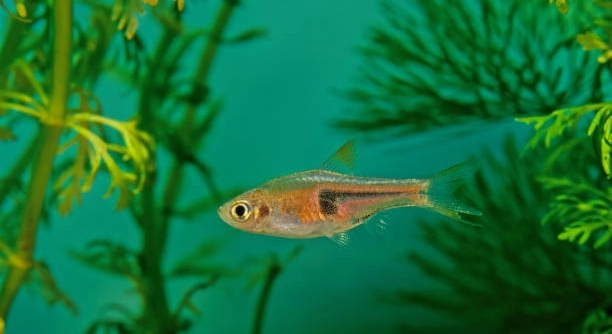
Rasboras are popular small fish found in many home aquariums. They often swim actively and enjoy exploring their environment. When these fish start facing or pressing against the glass, it may catch the attention of many aquarium owners.
When rasboras face the glass, it often indicates stress, discomfort, or environmental issues such as poor water quality or lack of stimulation. This behavior can also suggest territorial instincts or attempts to interact with their surroundings, requiring careful observation and adjustment.
Recognizing these signs can help improve your fish’s health and environment, making your aquarium a more comfortable home for your rasboras.
Why Rasboras Face the Glass
Rasboras may face the glass for several reasons, most often linked to their environment or behavior. Sometimes they are curious, watching movements outside the tank. Other times, it can be a sign of stress due to water conditions like temperature, pH, or cleanliness. If the tank lacks enough space or hiding spots, they might seem restless and spend time near the glass. Additionally, reflections on the glass can confuse them, making them think there are other fish nearby. This behavior is not always a problem but should be noticed. Keeping the tank well-maintained, providing plants or decorations, and ensuring good water quality can reduce this glass-facing habit and keep your rasboras comfortable and healthy in their space.
When rasboras repeatedly face the glass, it is important to check water parameters and tank setup for possible improvements.
Watching how they behave near the glass helps you understand their needs better. Sometimes, small changes like adjusting light or adding plants can calm them. It also helps to avoid tapping on the glass, which can add stress. Maintaining a routine for feeding and cleaning supports their well-being. If the behavior continues despite changes, consulting a specialist can be helpful to rule out illness or other concerns. This way, your rasboras stay happy and active, showing natural behavior throughout the day.
How to Improve Their Environment
Providing a balanced environment helps rasboras feel safe and reduces glass-facing behavior.
Improving tank conditions starts with stable water quality. Regular testing of parameters like ammonia, nitrate, and pH ensures the water is healthy. Changing water partially every week helps maintain cleanliness. Adding plants or decorations offers hiding spots and reduces stress by mimicking their natural habitat. Proper lighting and a suitable tank size also contribute to their comfort. Avoid overcrowding the tank to prevent competition and stress among fish. Feeding them a varied diet supports their health and energy. By paying attention to these details, you create a better environment, allowing your rasboras to swim freely and behave naturally. This results in a lively and peaceful aquarium that both you and your fish will enjoy.
Common Causes of Glass-Facing Behavior
Rasboras may face the glass due to reflections that confuse them. They might mistake their own image for other fish. This can cause stress or territorial reactions.
Reflections on the glass often trigger this behavior, especially if the tank is brightly lit or placed near windows. When light hits the glass at certain angles, it creates clear reflections that the fish respond to. They may try to interact with the “other fish” they see or defend their space. This can cause them to spend a lot of time facing the glass instead of swimming freely. Adjusting the tank’s position or reducing light sources can help minimize reflections and reduce this behavior.
Other causes include boredom or lack of stimulation. A bare tank without plants or hiding spots can make rasboras restless. Adding more decorations or live plants gives them places to explore and hide, keeping them occupied. This enrichment helps prevent stress and repetitive behaviors like glass-facing. Monitoring their environment closely helps maintain their natural activity and overall well-being.
Effects of Stress on Rasboras
Stress from environmental issues can weaken rasboras’ immune systems, making them prone to illness. It also changes their behavior, making them less active or aggressive.
Prolonged stress reduces the lifespan of rasboras and affects their color and appetite. Stress triggers hormonal changes that disrupt normal functions and leave them vulnerable to infections. In many cases, glass-facing signals discomfort or unhappiness, so addressing the causes early can prevent more serious health problems. Maintaining clean water, proper diet, and a comfortable habitat reduces stress and helps rasboras thrive. Observing your fish regularly lets you catch signs of stress before they worsen. Small changes in care routines often improve their health quickly, keeping them vibrant and active in the aquarium.
Adjusting Tank Lighting
Bright or direct lighting can cause rasboras to face the glass more often. Softening the light helps reduce reflections and stress.
Using a timer to create a consistent day-night cycle also supports their natural behavior. Avoid placing the tank where sunlight hits directly.
Importance of Tank Placement
Placing the tank away from busy areas or direct sunlight reduces disturbances. A quiet spot helps rasboras feel more secure and less likely to fixate on reflections or outside movement.
Feeding and Behavior
Feeding routines impact how active rasboras are. Regular, balanced feeding prevents boredom and encourages normal swimming patterns.
Overfeeding can cause water quality problems, increasing stress and glass-facing behavior. Keep portions small and consistent to maintain good tank health.
Monitoring Fish Health
Regularly check for signs of illness like discoloration or lethargy. Early detection helps address health issues before they worsen.
FAQ
Why do my rasboras keep staring at the glass?
Rasboras may face the glass because of reflections, stress, or curiosity. Reflections can confuse them into thinking there are other fish nearby. Stress from poor water quality, overcrowding, or a bare tank can also cause this behavior. Sometimes, they simply explore their surroundings or respond to movement outside the tank.
Is it harmful if rasboras constantly face the glass?
Constant glass-facing is usually a sign of discomfort or stress, which can affect their health if not addressed. Prolonged stress weakens their immune system, making them prone to disease. It is important to check tank conditions and environment to prevent long-term harm.
How can I reduce reflections in my tank?
You can reduce reflections by adjusting the tank’s lighting or its placement. Avoid bright lights directly on the glass and reduce sunlight exposure. Using background covers or repositioning the tank away from windows helps minimize reflections that confuse the fish.
Can adding plants stop rasboras from facing the glass?
Yes, adding live or artificial plants creates hiding spots and breaks up open space. This makes the tank feel safer and less boring for the fish. Plants also improve water quality and provide natural stimulation, reducing stress and glass-facing behavior.
Does tank size affect this behavior?
Smaller tanks can cause stress because of limited space and water quality issues. Rasboras need enough room to swim freely and form social groups. A tank that is too small can lead to restlessness, causing them to face the glass more often.
Should I be worried about tank mates?
Yes, aggressive or overly active tank mates can stress rasboras. Stress from competition or bullying can make them stay near the glass as a way to avoid conflict. Choose peaceful, compatible fish to keep a calm environment.
How often should I test my aquarium water?
Testing water at least once a week is best. Monitor ammonia, nitrite, nitrate, and pH levels regularly. Poor water quality is a common cause of stress and unusual behaviors, including glass-facing.
Is glass tapping harmful to rasboras?
Yes, tapping on the glass can startle and stress the fish. It may cause them to face the glass more as they react to the disturbance. Avoid tapping and sudden movements around the tank to keep them calm.
Can feeding schedules influence their behavior?
Regular feeding times encourage normal activity. Irregular feeding or overfeeding can cause stress or water quality problems, increasing unwanted behaviors like glass-facing. Feed small portions at consistent times to support health.
When should I seek professional help?
If glass-facing continues despite good water quality, proper tank setup, and care, it could indicate illness or severe stress. A fish expert or veterinarian can provide advice and diagnosis to address underlying problems.
Rasboras facing the glass can tell you a lot about their current state and environment. This behavior is often a sign that something in their tank needs attention, whether it is water quality, lighting, or tank setup. It’s important to remember that these small fish rely heavily on their surroundings to feel safe and comfortable. When they face the glass, it could mean they are stressed, curious, or reacting to reflections. Understanding these reasons helps you take better care of your fish and improve their living conditions. By paying close attention to how your rasboras behave, you can catch early signs of stress or discomfort before they become serious problems.
Creating the right environment for your rasboras is key to reducing glass-facing behavior. Keeping the water clean and stable is a basic step that greatly impacts their health and mood. Regular water testing and changes help maintain a balanced tank. Adding plants or decorations provides hiding spots and keeps the fish mentally stimulated. This prevents boredom, which is another common cause of strange behavior. Lighting also plays a role—too bright or direct light can create reflections that confuse the fish. Adjusting these elements shows how small changes can make a big difference in your rasboras’ comfort and happiness.
Watching your fish daily is one of the best ways to ensure they are healthy and content. Notice any changes in their behavior or appearance, like increased glass-facing or loss of color. These can be early warnings of stress or illness. Keeping a routine for feeding, cleaning, and tank maintenance supports their well-being. If you ever feel unsure about their behavior, reaching out to a fish care expert can provide guidance. With patience and care, your rasboras will thrive, and your aquarium will become a peaceful, enjoyable space for both you and your fish.

Hello,
If you enjoy the content that we create, please consider saying a "Thank You!" by leaving a tip.
Every little bit helps us continue crafting quality advice that supports the health, happiness, and well-being of pets around the world, for pets of all shapes, sizes, and species.
We really appreciate the kindness and support that you show us!